Air rifles with adjustable features give shooters more control over fit, handling, and performance than a fixed-configuration platform. Depending on the design, adjustments may include an external power regulator, hammer spring, transfer port, power wheel, or other controls that help match the rifle to different pellet weights, target distances, and shooting settings. A regulator can help manage the air pressure delivered for each shot, supporting consistent velocity and efficient air use, while hammer spring adjustment changes how forcefully the valve is struck. Transfer port and related airflow controls can also influence the balance between power, shot count, and pellet performance. These features are especially useful for shooters who move between paper targets, small pest-control tasks where permitted, backyard practice, and informal field shooting. A lower setting may be appropriate for close-range practice or conserving air, while a different configuration may better suit heavier pellets or longer target distances. Any adjustment should be made according to the manufacturer’s instructions, with the rifle unloaded and pointed in a safe direction, and all local laws, range rules, and projectile restrictions should be observed. Adjustable features are not a substitute for a safe backstop, eye protection, responsible storage, or careful handling.
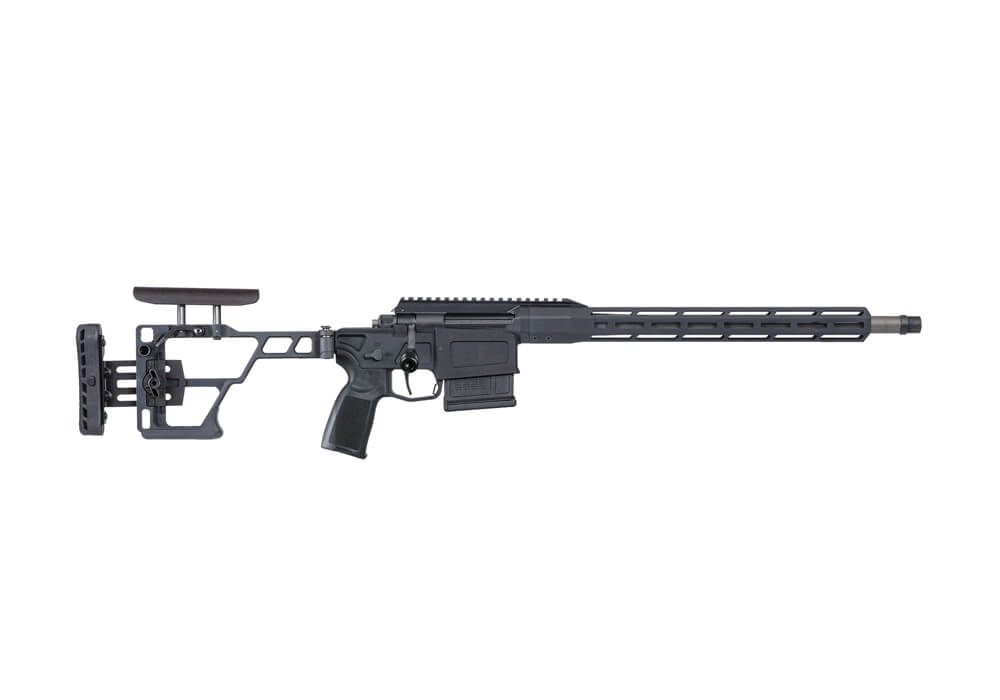
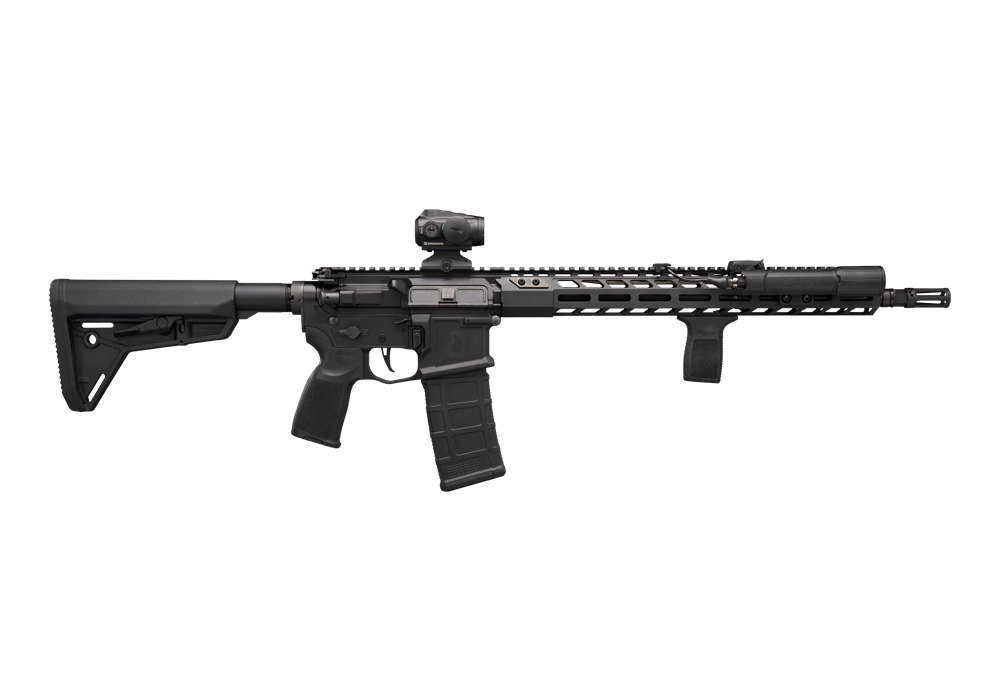
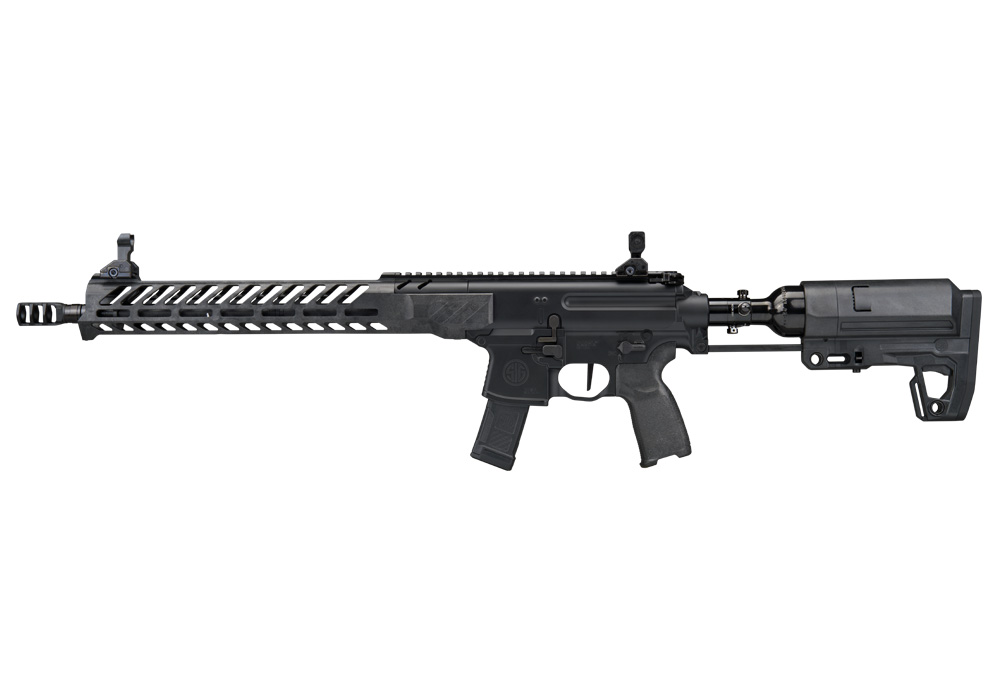
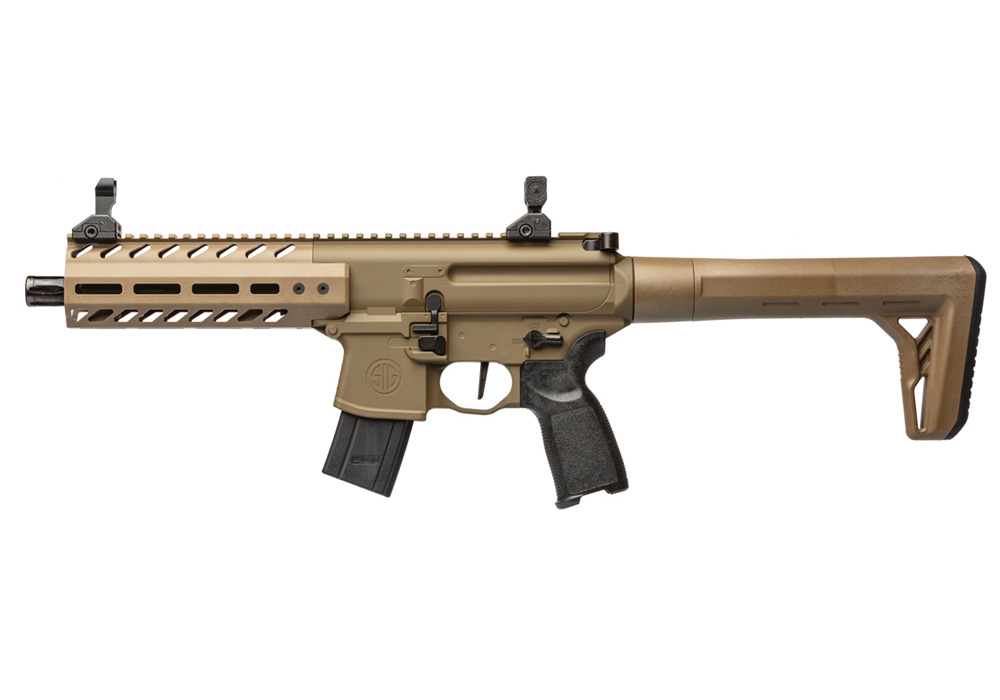
Fit is just as important as mechanical tuning, particularly when an air rifle will be used for extended practice during the cooler months or on a calm afternoon outdoors. An adjustable two-stage trigger can allow a shooter to refine the first-stage travel and second-stage break for a more predictable release, although trigger settings should remain within the manufacturer’s recommended range and be checked regularly. Adjustable cheekpieces help place the eye naturally behind an optic, reducing the need to lift or roll the head, while an adjustable butt pad can improve length of pull, shoulder placement, and overall comfort. Small changes can make a noticeable difference: a cheekpiece set too low may force the shooter to crane toward the scope, while a butt pad positioned correctly can settle into the shoulder pocket and make the rifle feel steadier. When comparing air rifles with adjustable features, consider the shooter’s height, arm length, preferred shooting position, and whether the rifle will be used from a bench, standing position, or supported field rest. Modular stocks, interchangeable grips, and accessory mounting systems such as Picatinny or M-LOK rails may provide additional flexibility for a bipod, sling, or other compatible equipment. Shooters who prefer a more purpose-built, adaptable setup may also want to browse Air Rifles With Tactical Grips for configurations that emphasize a secure grip and practical accessory compatibility.
These air rifles can suit experienced shooters who enjoy fine-tuning their equipment, as well as beginners who want a platform that can grow with their skills. A new shooter may start with a comfortable stock setting and a moderate power configuration, then make careful, documented changes as they learn how different pellets and distances affect accuracy. Keeping a simple record of pellet type, scope settings, regulator or power adjustments, and group size can make the process more useful than changing several controls at once. For families, an adjustable air rifle may be a thoughtful gift for a responsible adult or appropriately supervised older shooter because the fit can be tailored rather than accepted as-is. It can become part of a quiet backyard practice routine, a target-shooting hobby, or a shared outdoor activity when used in a lawful area with a proper backstop and attentive supervision. Before purchasing, review the rifle’s operating system, air source, cocking method, ammunition compatibility, optic requirements, stock dimensions, and adjustment range. Pre-charged pneumatic models may offer convenient tuning and smooth operation but require the correct fill equipment, whereas spring-powered designs may have simpler support needs and a different handling feel. Also account for weight, noise, maintenance, spare parts, and the availability of suitable pellets. The best choice is one that fits the shooter securely, offers useful adjustments without unnecessary complexity, and supports consistent, responsible practice throughout changing conditions as the weather warms and later turns cooler.