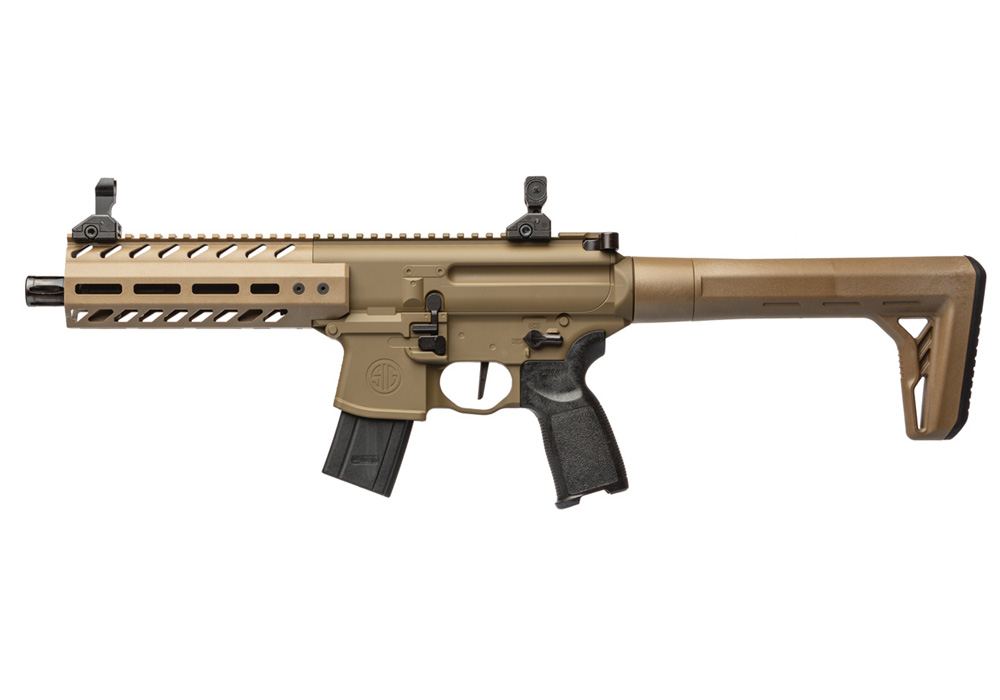
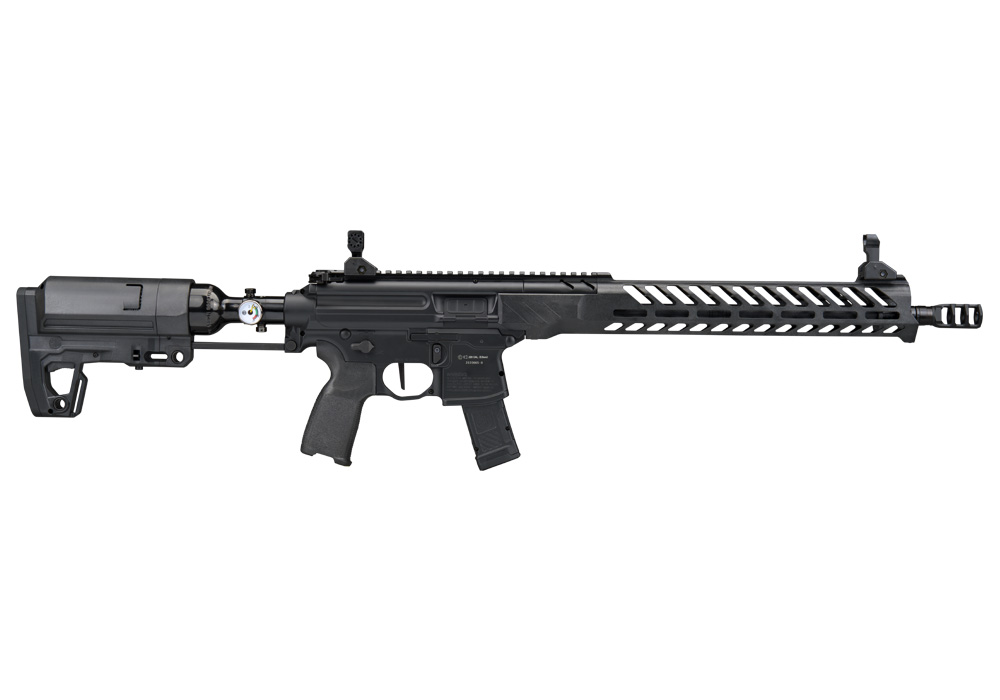
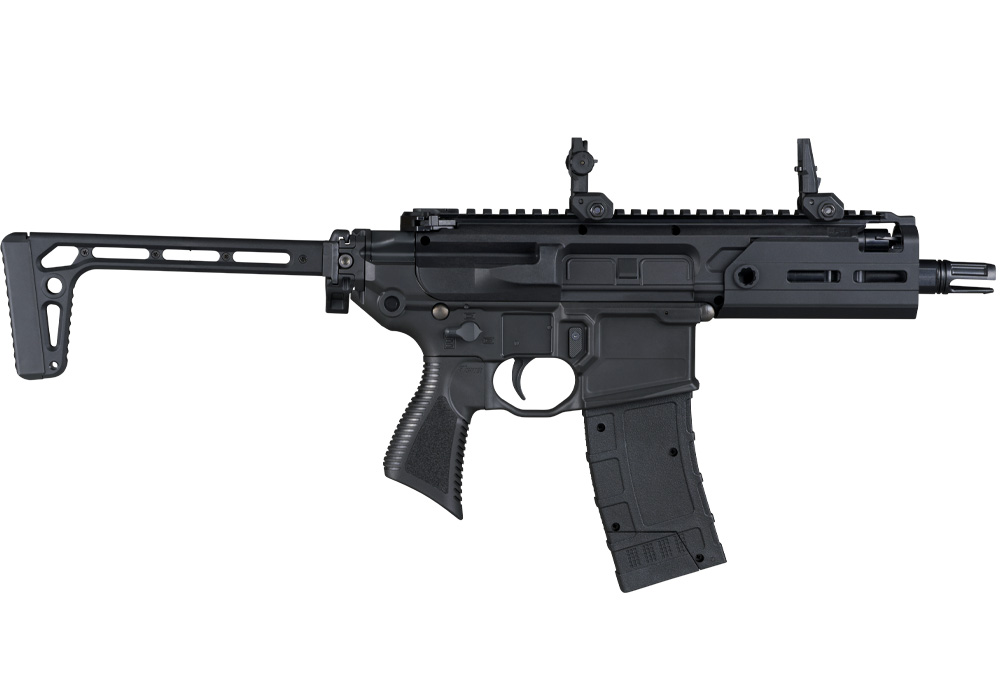
Pellet air rifles with adjustable sights allow the sight setting to be matched to the pellet’s point of impact, helping shooters establish a consistent aiming reference without relying on a scope. Windage adjustment accounts for left-to-right placement, while elevation adjustment accounts for up-and-down placement. Many open-sight designs pair a front post or blade with an adjustable rear notch; other configurations use an aperture that frames the front sight. The exact adjustment range and controls vary by rifle, so the sight system deserves the same attention as the power source, stock shape, and overall weight. A clearly defined front sight and an uncluttered rear reference can be especially useful for paper targets and recreational shooting at suitable short-range distances. Fiber-optic elements can improve visibility in certain lighting conditions, while a plain sight blade may offer a more precise outline against a high-contrast target. Neither style is universally better: eyesight, target color, and the surrounding light all influence how easily a shooter can maintain a consistent sight picture. Adjustable sights also provide flexibility when changing pellet designs or shooting distances, since those changes can affect where a group lands relative to the aiming point. They do not compensate for an inconsistent hold, an unsuitable pellet, or a shifting rest. For someone returning to the same target lane, a repeatable cheek position and a familiar sight picture often matter more than an elaborate set of controls. Look for adjustments that are clearly marked, accessible, and secure enough to retain their setting through normal handling. A protected front sight can also be useful on a rifle that travels in a case between home and a designated shooting area. Where an optics mounting interface is present, its specifications and compatibility are separate considerations; adjustable sights offer a complete aiming system on their own, and any later optic needs to suit the rifle’s mounting arrangement and operating characteristics.
The power system shapes how a pellet air rifle feels and fits into a shooting session. Spring-piston and gas-piston designs typically involve a cocking action before each shot and have a distinct recoil cycle that can reward a steady, repeatable hold. Multi-pump pneumatic designs use a pumping sequence, with operating limits and recommended procedures defined by the manufacturer. Precharged pneumatic rifles use stored compressed air and require suitable filling equipment, adding another practical consideration for transport, storage, and routine use. These differences matter when comparing a rifle for occasional target practice with one intended for longer sessions at a bench. Cocking effort, overall length, balance, and loading access can influence comfort as much as the stated weight. A rifle that feels manageable for a few shots may become tiring when held unsupported for an extended session. Stock fit is equally important because open sights depend on the eye returning naturally to the same position behind the rear sight. Length of pull, grip shape, and cheek support affect whether the shooter can shoulder the rifle without stretching forward or crowding the sight line. A low, relaxed head position should align with the sights rather than require a strained neck or an improvised cheek position. For additional fit-focused options, Air Rifles With Adjustable Stocks highlights a related feature that can help accommodate different body proportions and shooting positions. Materials contribute to that feel as well. Depending on the design, a stock may use wood or synthetic materials, while metal components may include steel or aluminum. Wood offers a traditional texture and appearance; synthetic construction can provide practical resistance to everyday scuffs and moisture exposure. Neither material alone determines durability. Solid attachment points, secure sight hardware, a comfortable gripping surface, and construction appropriate to the rifle’s operating system are more useful indicators of how well the complete rifle will serve its intended role.
Adjustable-sight pellet air rifles suit shooters who enjoy the simplicity of an unobstructed view of the target and the concentration involved in aligning front and rear sights. They can support deliberate paper-target practice, recreational plinking in an appropriate setting, and supervised instruction centered on safe handling and consistent technique. A shooter comparing groups on a paper bullseye may appreciate a narrow front blade and small, repeatable adjustments, while someone using clearly defined reactive targets may prefer a sight picture that is easier to recognize quickly. Target suitability remains important: the target and backstop must be appropriate for the rifle’s energy and able to contain pellets safely. Caliber, pellet shape, and pellet weight also influence performance, and the correct ammunition specification should always come from the rifle’s documentation. Pellets are not interchangeable with steel BBs unless the manufacturer expressly identifies the rifle as compatible with both. Good grouping depends on the relationship between the barrel, pellet, sight setting, and shooter, rather than any single feature on a specification sheet. Care and storage help preserve that relationship. Sight screws, stock fasteners, and visible seals merit attention according to the maintenance schedule, particularly if the rifle has been transported frequently. Cleaning tools, lubricants, and replacement parts should be suitable for the particular airgun system; unnecessary oil or incompatible chemicals can cause problems rather than improve performance. A fitted case protects the sights from knocks, while secure storage limits access by unauthorized users. An air rifle can be a thoughtful gift for an adult target-shooting enthusiast when its dimensions, operating effort, and equipment requirements suit the recipient. For younger participants, suitability depends on lawful use, responsible adult supervision, and the ability to follow safety rules—not simply a compact stock or lighter weight. Eye protection, safe muzzle direction, a reliable backstop, and compliance with local rules remain essential. Treating an air rifle with the same seriousness as other shooting equipment helps keep attention on the experience these sights support: a clear aiming reference, a comfortable hold, and meaningful feedback from each carefully placed group.