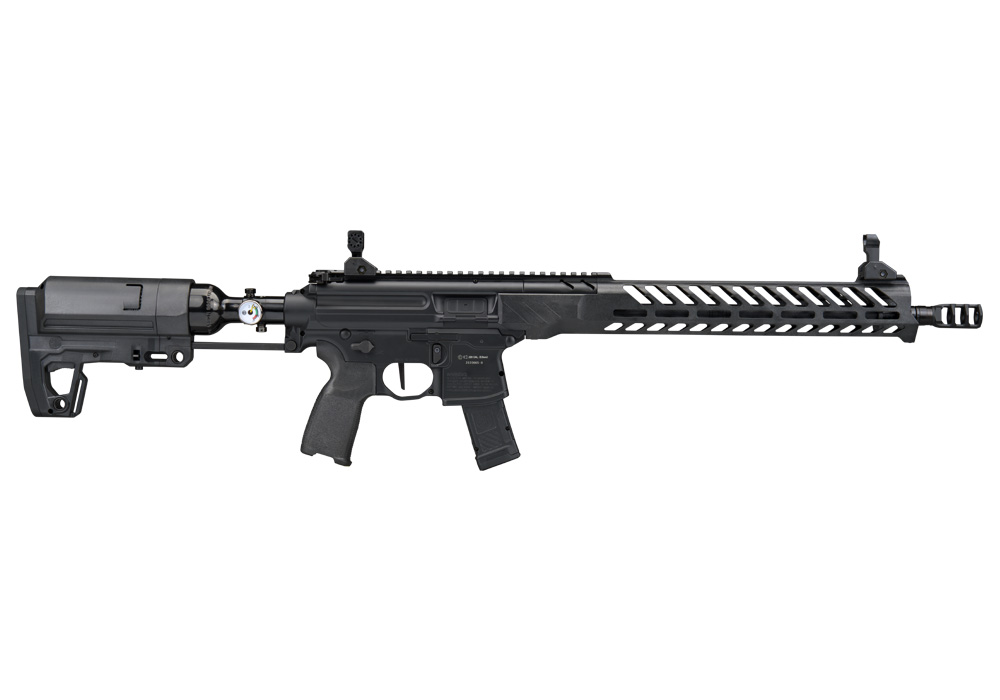
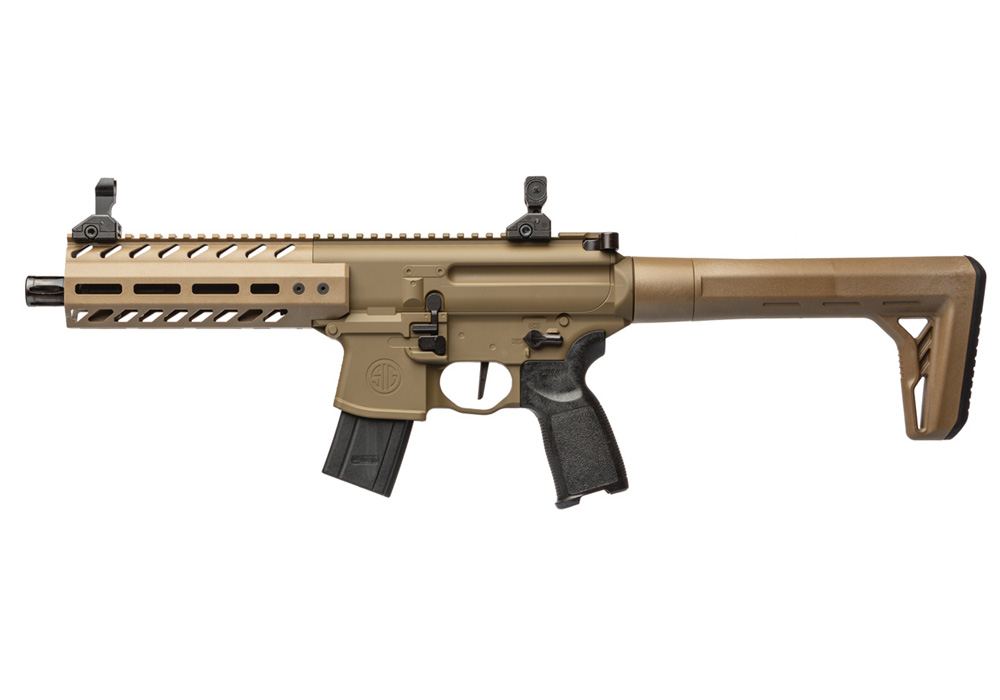
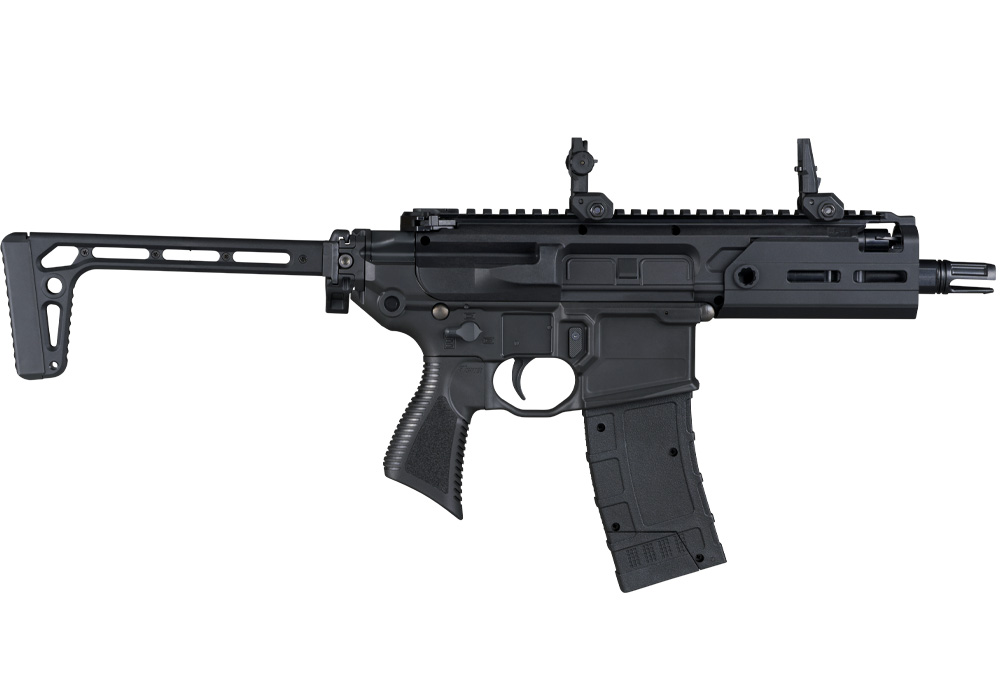
Pellet air rifles for backyard plinking bring recreational target shooting into a compact setting where deliberate shots, visible results, and a comfortable shooting position matter more than maximum velocity. Plinking can mean working through a row of paper bullseyes, aiming at small scoring circles, or using airgun-rated reactive targets within a properly contained shooting area. The appeal is straightforward: a pellet rifle offers a satisfying way to practice sight alignment, trigger control, and consistency without turning every session into a formal competition. For this purpose, the best fit depends on the shooter, the available space, and the effort involved in preparing each shot. Multi-pump pneumatic air rifles use manually compressed air, with permitted pump counts defined by the manufacturer. Their shooting rhythm suits someone who enjoys taking time between targets, although repeated pumping requires physical effort. Spring-piston and gas-piston break-barrel rifles combine cocking and loading with a self-contained power system that does not require a separate gas cartridge or charging source. Cocking effort, overall weight, and the movement felt during firing vary, so a powerful rifle is not automatically the most comfortable choice for casual practice. CO2-powered pellet rifles use replaceable gas cartridges and often offer a convenient repeating action, appealing to shooters who prefer less manual effort between shots. Precharged pneumatic rifles use a reservoir filled through compatible charging equipment and can offer a smooth shooting experience, but their supporting equipment and maintenance requirements deserve consideration. Single-shot designs encourage a measured pace, while repeating designs reduce the need to handle an individual pellet before every shot. Neither arrangement replaces careful muzzle control or attention to the target area. For a backyard setting, manageable power, predictable operation, and a rifle that feels balanced in the hands generally matter more than a headline speed figure. Sound also deserves attention: an air rifle is not silent, and action noise, muzzle report, and pellet impact can all be noticeable beyond the shooting position.
Fit and construction shape how enjoyable a pellet air rifle feels after the first few targets. A stock that places the shoulder, cheek, and trigger hand comfortably helps the shooter maintain a consistent position without stretching or leaning awkwardly. Length of pull, grip shape, cheek support, and overall weight are especially important for smaller-framed adults and supervised younger shooters where lawful and age-appropriate. A heavier rifle may feel settled on a suitable rest but tiring during standing practice; a lighter rifle can be easier to carry and shoulder, yet still needs enough balance to avoid feeling excessively front-heavy. Synthetic stocks offer practical resistance to routine scuffs and are generally easy to wipe clean, while wood stocks provide a traditional feel and benefit from care appropriate to their finish. Metal receivers, barrels, and working components require attention to protective finishes and the manufacturer’s maintenance recommendations. Secure stock hardware and a sighting arrangement suited to the rifle contribute to dependable performance over repeated sessions. Open sights keep the setup straightforward, while an airgun-compatible optic can make small paper aiming points easier to distinguish. Spring-piston rifles in particular require optics and mounts rated for their characteristic recoil cycle. Caliber and pellet choice also influence the experience. The .177 caliber is widely associated with recreational target shooting and often offers a relatively flat trajectory over typical short plinking distances, depending on pellet weight and rifle performance. The .22 caliber uses a larger pellet and often delivers more impact energy in comparable setups, though actual results depend on the rifle and ammunition. Neither caliber removes the need for a suitable pellet trap. Matching pellet caliber to the barrel marking is essential, and pellet shape, weight, and dimensional consistency can affect feeding and grouping. Flat-head pellets can leave clearly defined holes in paper, while other shapes may suit different rifle mechanisms or target applications. The Airgun Plinking Pellets page provides a related category for considering ammunition alongside a rifle. Manufacturer-approved ammunition is the starting point; BBs and pellets are not interchangeable unless the rifle is specifically designed for both.
A satisfying backyard plinking setup begins with a location where airgun use is lawful and every shot can be contained. Local rules, property restrictions, neighboring homes, and access by other people or animals all affect whether a backyard is appropriate at all. A fence, shed wall, or patch of open ground should never be assumed to stop a pellet. A purpose-built pellet trap rated for the rifle’s energy, backed by suitable additional containment where needed, offers a more reliable foundation for recreational shooting. The area beyond and around the target must remain safe, and targets should be positioned so misses are contained as well as hits. Paper targets provide an uncomplicated way to compare groups and see progress; reactive targets should be specifically rated for airgun use and used according to their instructions. Hard surfaces and unsuitable metal targets can send pellets or fragments back toward the shooting position. Protective eyewear belongs in every session, and hearing protection may be appropriate for the rifle and setting. Treat every air rifle as loaded, keep the muzzle pointed in a safe direction, and keep fingers away from the trigger until ready to shoot. Those habits are just as relevant for a relaxed afternoon of plinking as for organized range practice. Afterward, appropriate care helps preserve function and appearance: wipe exposed surfaces, follow the specified lubrication schedule, and inspect seals, screws, and moving parts as directed. More oil is not necessarily better, and petroleum-based lubricants can be unsuitable inside certain airgun mechanisms. Pellet traps also need inspection and maintenance so accumulated material or wear does not compromise containment. Wash hands after handling lead pellets, and keep ammunition away from food and children. Secure the unloaded rifle and ammunition against unauthorized access, following the manufacturer’s instructions for gas systems and storage. For an experienced recreational shooter, a pellet air rifle can be a thoughtful gift when fit, lawful use, secure storage, and the necessary accessories have been considered. Its lasting appeal rests in comfortable handling, dependable function, and the simple pleasure of seeing careful practice reflected on a target.