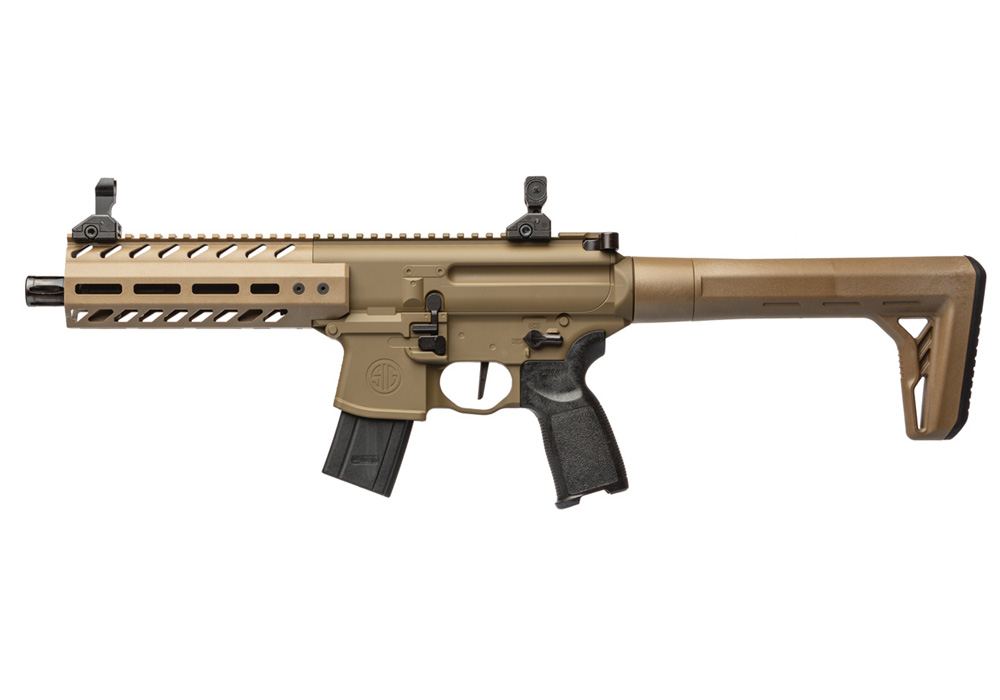
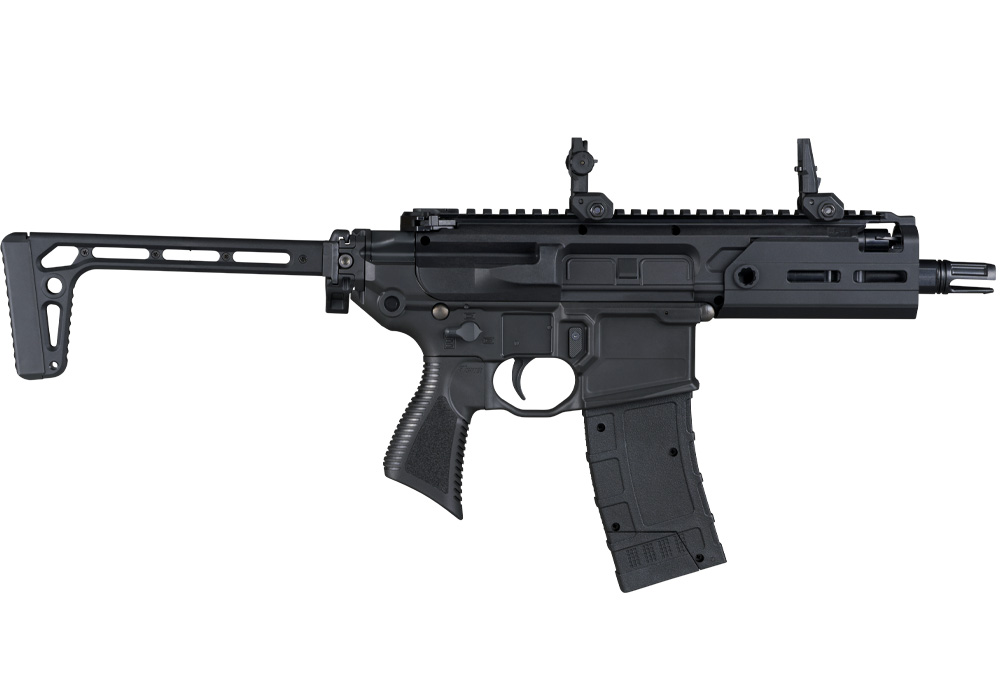
Air rifles for backyard competitions suit informal target matches where consistent performance, comfortable handling, and clear scoring matter more than maximum power. A suitable competition air rifle balances accuracy with a power level appropriate to the target system and shooting location; no caliber or power rating, by itself, makes a backyard safe for shooting. For paper-target events, .177-caliber pellet rifles are a common choice, and flat-nosed wadcutter pellets can leave clean, readable holes that simplify close scoring. Pellet compatibility still depends on the rifle, so the manufacturer’s recommendations take priority over a general caliber preference. At a familiar distance such as 10 meters, the appeal is straightforward: a sharply printed bullseye, a clearly defined firing line, and a scorecard that gives each participant the same challenge. Different power systems bring different practical considerations to that experience. Precharged pneumatic air rifles use stored compressed air and generally produce little felt recoil, making them appealing for target-focused shooting. They also require compatible filling equipment and careful adherence to the specified operating pressure. Spring-piston and gas-piston rifles offer self-contained operation without a separate compressed-air supply, although cocking effort and their distinctive recoil characteristics can influence comfort. Carbon-dioxide-powered rifles present another option, with consumable power sources and seal care forming part of ownership. Across these designs, consistent operation and a suitable fit are more useful comparisons than an impressive velocity figure alone. Sound is another consideration for a residential setting, but a quiet report does not establish permission to shoot or confirm that a location is suitable. The strongest match between rifle and setting starts with lawful use, reliable projectile containment, and equipment intended for the chosen targets. For recreational competitors, that can mean a straightforward paper-target setup rather than a powerful rifle intended for a different sporting purpose. The result is a category centered on controlled target shooting, whether the occasion is a friendly score challenge between experienced adults or supervised practice for someone learning established range habits.
Fit becomes especially noticeable when several shooters share a rifle or a match includes more than a few turns at the firing line. Stock length, overall weight, balance, and the relationship between the cheek rest and sights all affect how naturally the rifle settles into position. A shorter or adjustable stock can accommodate different adult builds, while a substantial target-oriented stock may feel steadier from a supported position but cumbersome to someone with limited upper-body strength. Cocking effort deserves equal attention on manually operated designs; a rifle that feels comfortable for one shot may become tiring across a full round. A predictable trigger feel and controls that are easy to identify also contribute to a more comfortable sporting experience, without requiring modifications to factory safety features. Sight selection should match both the rifle and the event. Open sights keep the sighting system simple, aperture sights suit clearly defined paper targets, and an airgun-rated optic may help shooters see smaller aiming marks. Spring-piston designs can place distinctive stresses on optics, so compatibility involves more than whether the mounting hardware fits. Materials influence everyday ownership just as much as appearance. Synthetic stocks generally tolerate routine handling with little cosmetic maintenance, while wood stocks offer traditional texture and benefit from care appropriate to their finish. Metal components, protective finishes, fasteners, seals, and sight mounts all deserve attention when comparing long-term durability. Sturdy construction does not eliminate maintenance: manufacturer-directed cleaning, suitable lubricants, and periodic checks for loose components help preserve dependable operation. Pellets should remain clean and free of visible damage, and accessories should be suitable for the rifle rather than selected by appearance alone. A protective case helps prevent scratches during transport, while a stable rest and clearly printed targets can support a consistent match format. For households sharing equipment, straightforward adjustments and clearly documented operating procedures may be more valuable than elaborate features that only one participant understands.
Backyard air rifle competitions work best as organized sporting activities with firm boundaries, not casual shooting wherever a target will fit. Local laws, municipal ordinances, property rules, and any applicable age restrictions determine whether a residential location can be used at all. A fence, hedge, or ordinary shed wall is not a dependable backstop. A suitable setup requires a purpose-built pellet trap rated for the rifle’s projectile type and energy, together with a surrounding arrangement that accounts for missed shots and prevents projectiles from leaving the designated shooting area. Targets and supports also need to be appropriate for airgun use; improvised hard surfaces can create rebound hazards. If those requirements cannot be met, an established range is the better venue. Eye protection belongs on shooters and spectators, with hearing protection used as appropriate to the equipment and setting. A designated firing line, a clear signal before anyone approaches targets, and unloaded rifles whenever the line is inactive give a friendly contest the structure it needs. Fair scoring can remain simple: matching target designs, an agreed shooting position, the same distance, and equal numbers of scored shots keep attention on the sporting challenge. Equipment classes can separate supported shooting from unsupported shooting or distinguish sight types when participants bring different rifles. Air rifles can also be thoughtful gifts for responsible adult target shooters, especially when the recipient already has an appropriate place to use and secure the equipment. Fit, operating effort, compatible pellets, maintenance needs, and any required filling equipment deserve consideration before choosing a gift. Secure storage should prevent unauthorized access, with rifles unloaded and power systems handled according to the manufacturer’s instructions. For another competition-focused selection, explore Air Rifles For Fall Shooting Competitions. Whether the goal is a relaxed afternoon scorecard or a recurring household target league, the most suitable air rifle is one that fits the shooter, matches the event, and can be used responsibly within the limits of the shooting location.