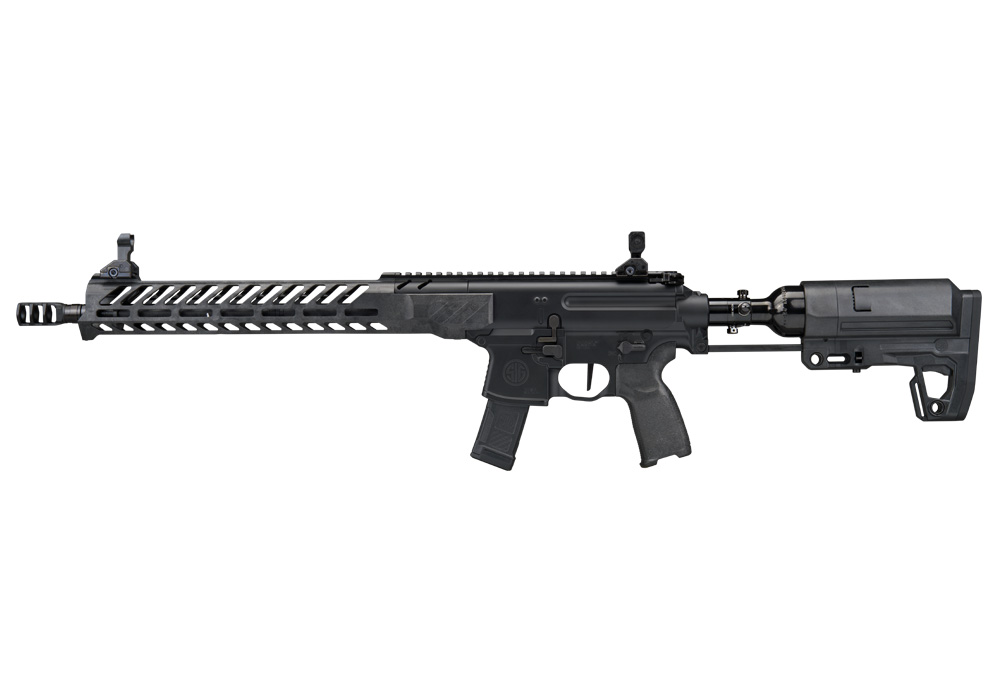
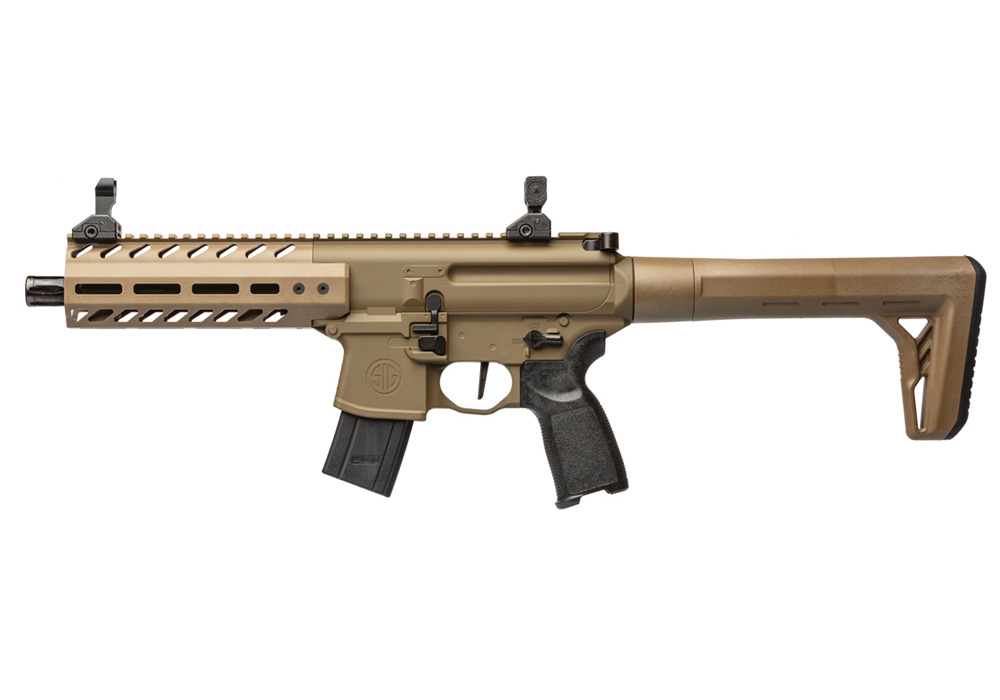
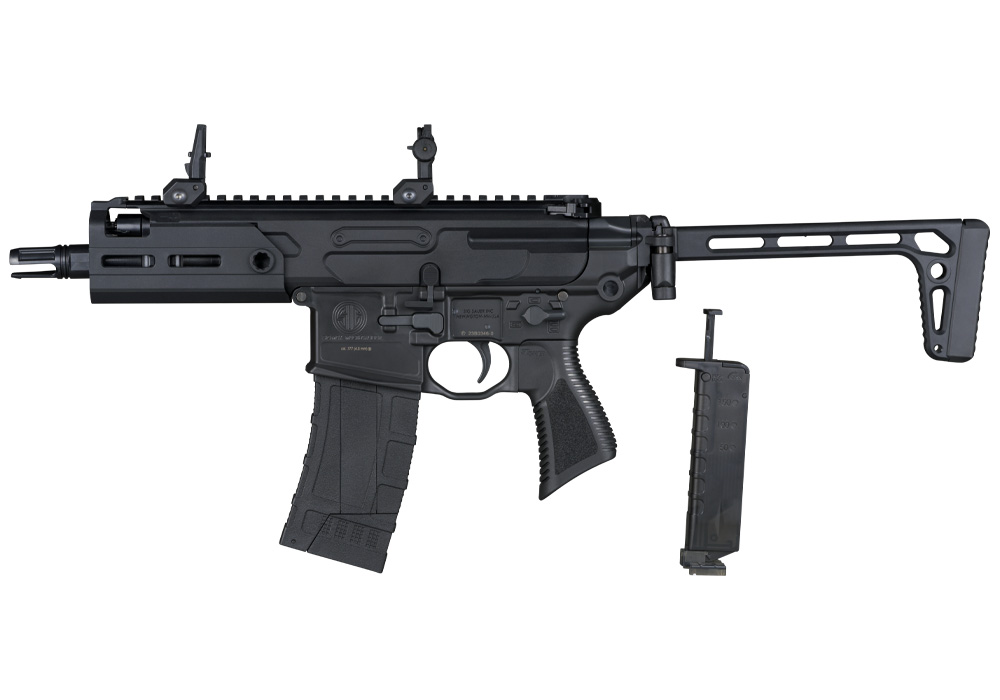
Air rifles for family shooting competitions offer a practical way to bring relatives and friends together around a structured marksmanship activity. Lightweight sporter rifles chambered in .177 caliber are often a strong choice because the ammunition is widely available, the rifles are generally easy to handle, and the modest recoil helps new shooters concentrate on sight alignment, breathing, and trigger control. A family lineup may include young shooters learning the fundamentals, adults returning to a hobby they enjoyed years ago, and experienced participants looking for a relaxed competition that rewards consistency rather than speed or physical strength. When selecting from these products, consider the shooter’s age, stature, hand strength, and familiarity with firearms, as well as the planned shooting environment. A compact, lighter rifle with a comfortable stock can help smaller shooters maintain a steady position, while an adjustable stock may allow one rifle to fit several family members as they take turns. Look for controls that are easy to understand, sights that are clear and repeatable, and an overall design that encourages a natural cheek weld without forcing the shooter into an awkward posture. Some families may prefer a single-shot format that makes every shot deliberate and keeps the pace organized. Others may choose a repeating air rifle for informal target games where participants shoot several targets in succession. Pneumatic models are valued for minimal felt movement and precise shot placement, while CO2-powered options can add a lively pace to recreational target sessions. Each operating system has its own maintenance and equipment considerations, so review the manufacturer’s instructions and confirm that the required air source, cartridges, charging equipment, or accessories suit the way your family plans to shoot. A rifle intended for occasional backyard practice may have different priorities than one selected for regular 10-meter-style target sessions, where balance, trigger feel, and repeatable accuracy become especially important.
A well-organized family competition begins with a carefully prepared range. Use a commercial pellet trap or dense backstop specifically designed to stop the ammunition being used, and place it against a solid, stable background that prevents pellets from passing through or ricocheting. Paper bullseye targets work well for precision matches, while spinner targets and resetting paddle targets can add movement and immediate feedback to casual events. A distance of 10 meters, or approximately 33 feet, is commonly associated with indoor and outdoor air rifle target practice, although a shorter distance may be more appropriate for beginners or for a particular property. The range should be clearly defined, with a safe direction and a firing line that all participants understand before shooting begins. Eye protection should be required for shooters, helpers, and spectators, and everyone should know that the rifle remains pointed in a safe direction until the range is declared open. Keep the action open and the rifle unloaded whenever it is being carried, adjusted, passed to another person, or removed from the firing line. Only one person should handle a rifle at a time, and a designated range supervisor can help confirm when all rifles are unloaded before anyone goes forward to check targets. Young shooters should receive direct, attentive supervision from a responsible adult, even when they have participated before. Store rifles, pellets, CO2 cartridges, pumps, tanks, and other equipment securely when the session is finished, using storage practices that prevent unauthorized access. These simple habits make the event easier to manage and help every participant understand that enjoyable shooting depends on consistent responsibility. For a bullseye match, each competitor might fire ten shots at a standard paper target, with the highest score determining the winner. A three-position event can add variety by including prone, kneeling, and standing stages, giving shooters a chance to demonstrate control from different positions. For a faster format, two competitors can shoot at separate lanes of resetting metal targets, with the winner determined by accuracy, time, or the number of targets cleared. Keeping the scoring straightforward and the rules visible allows children and adults to compete on equal terms, whether the emphasis is careful precision, steady improvement, or friendly family rivalry.
Air rifles can also make thoughtful gifts for relatives who enjoy outdoor recreation, hands-on hobbies, and shared activities, provided the recipient is legally permitted to receive and use the item and has a suitable place for supervised practice. A gift selection should be based on fit and intended use rather than appearance alone. Consider whether the recipient will shoot from a bench, practice in a dedicated backyard range, join informal family contests, or work toward more disciplined target skills. Adjustable features may be valuable in a shared household, while a simple, balanced design can be more approachable for a first-time shooter. Also account for the supporting equipment that turns a rifle into a complete activity: pellets suited to the rifle, paper targets, a stable rest or shooting bench, eye protection, a pellet trap, and a case or locking storage solution. Families preparing for seasonal gatherings can create a friendly tournament that brings people outdoors during the warmer part of the year or provides a focused activity during the cooler months, with hot drinks, printed scorecards, and rotating teams adding to the occasion without distracting from safe range practices. Those shopping for a present or planning a family-focused shooting activity can also explore Air Rifles For Holiday Season Gifts for additional ideas. Above all, choose equipment that matches the shooter, establish expectations before the first pellet is loaded, and treat every session as an opportunity to build patience, concentration, and respect for responsible firearm handling. The best family competitions are often remembered less for the final score than for the small moments between shots: a child learning to steady the sights, a parent offering calm encouragement, or relatives gathered around the target stand comparing groups and celebrating gradual improvement.