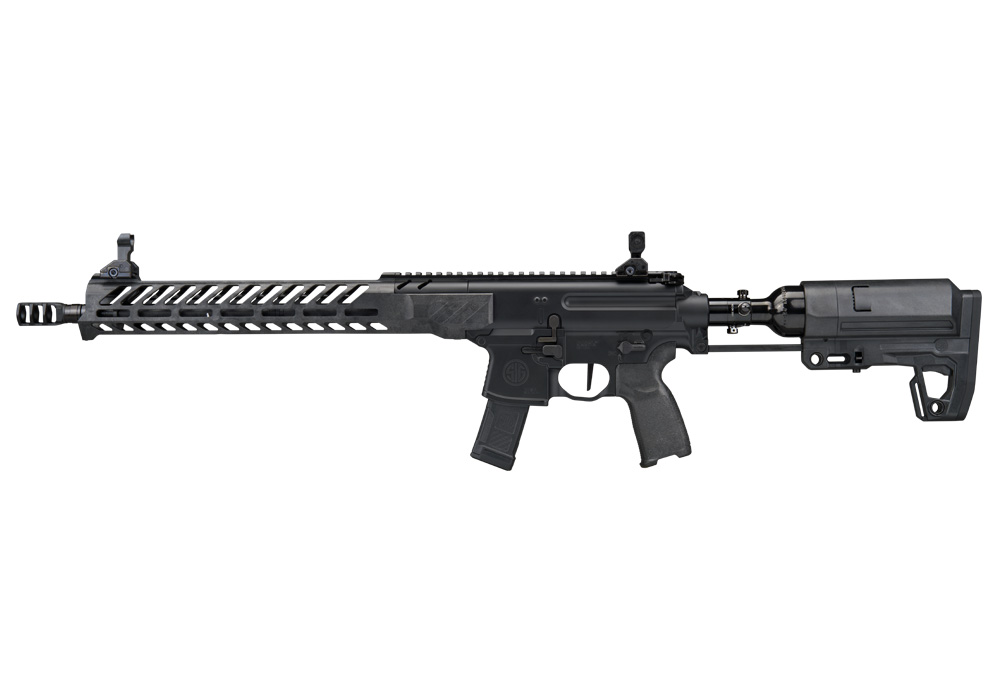
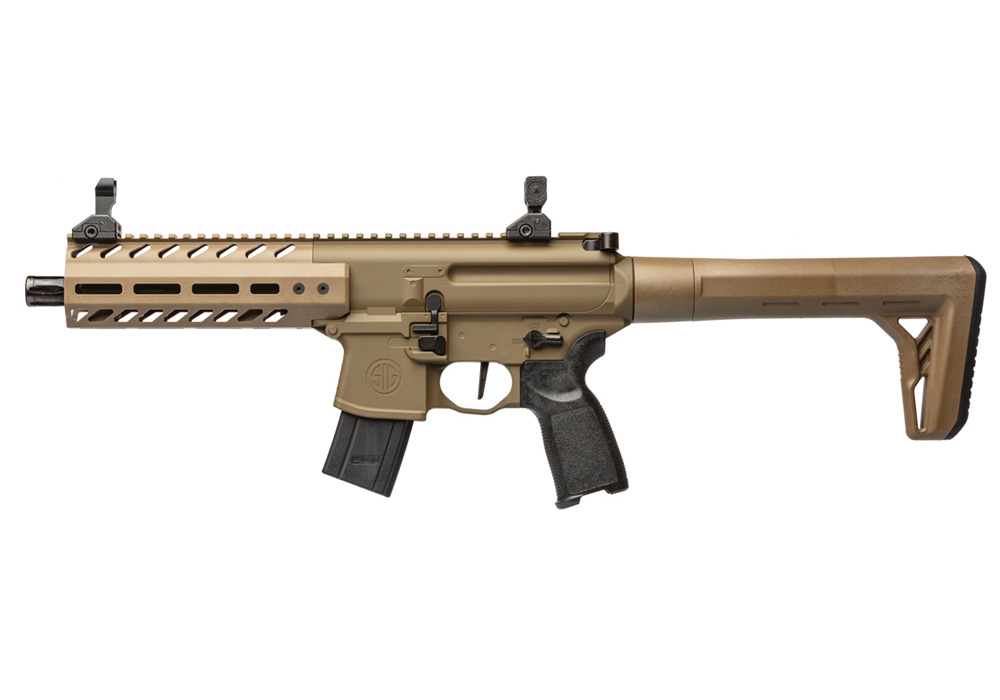
Air rifles can make family shooting practice approachable, structured, and enjoyable when the equipment is matched to the shooter and the setting. These rifles are commonly used for informal target practice, skill-building, and supervised backyard sessions, offering a practical way to learn the fundamentals of safe firearm handling without the noise and recoil associated with many larger platforms. For many households, a .177 caliber air rifle is a sensible starting point because .177 pellets and BBs are widely available, economical, and well suited to paper targets, spinners, and other approved airgun targets. A lighter, compact design may be easier for a younger or smaller shooter to hold and control, while older teens and adults may prefer a full-size stock, adjustable sights, or an optic-ready receiver that supports a more customized fit. Power source is another important consideration. Spring-piston and gas-piston rifles do not require cartridges or external tanks, making them convenient for occasional practice, while pneumatic and CO2-powered models can offer a smooth shooting experience with less effort between shots. Each system has its own loading, cocking, and maintenance requirements, so families should consider who will be using the rifle, how often it will be handled, and whether the adults supervising practice are comfortable explaining its operation. Air rifles may also be a thoughtful gift for a responsible older child, teenager, or adult who enjoys outdoor recreation, collecting equipment, or developing patience and precision through target shooting. A gift purchase should always include age-appropriate supervision, a secure storage plan, eye protection, and a suitable place to practice rather than treating the rifle as a toy.
Choosing the right air rifle for family shooting practice begins with fit and control rather than maximum power. A shooter should be able to shoulder the rifle comfortably, reach the trigger without stretching, operate the safety, and maintain the muzzle in a safe direction while standing or kneeling. Younger participants should use equipment that is manageable for their size and strength, and they should shoot only under direct adult supervision. Standard .177 caliber is often preferred for general target practice because it provides a broad selection of pellets and BBs, though the correct ammunition depends on whether the rifle is designed for pellets, BBs, or both; never substitute ammunition that the manufacturer does not recommend. Look for clear sights, an easy-to-understand manual of arms, a positive manual safety, and a stock that provides a steady cheek weld. A single-shot design can encourage careful loading and deliberate shot placement, while a repeating action may be convenient for casual plinking once safe handling habits are firmly established. CO2 systems can be especially convenient for shared practice because they typically require little physical cocking effort, whereas pneumatic and spring-powered options may appeal to families who want a self-contained setup. Weather and storage also matter during late summer and the cooler months. CO2 performance can change with temperature, lubricants should be applied only as directed, and every air rifle should be stored unloaded, secured from unauthorized access, and protected from moisture. Families comparing options for warm-weather sessions may also find useful ideas in Air Rifles For Summer Shooting, particularly when planning a simple setup that can remain useful as outdoor conditions change.
A safe practice area is just as important as the rifle itself. Every session should use a dependable backstop designed to stop the specific ammunition and power level involved; a purpose-built pellet trap is preferable to improvised materials, and the area behind the target must be clear of people, pets, roads, windows, and neighboring property. Do not rely on a thin sheet of plywood, cardboard, a fence, or a hanging blanket as the only barrier, since projectiles can pass through, ricochet, or behave unpredictably. Everyone handling the rifle, standing near the firing line, or assisting with targets should wear suitable eye protection, and spectators should remain behind the shooter. Establish simple family rules before loading: keep the muzzle pointed downrange, keep the finger outside the trigger guard until ready to fire, treat every air rifle as loaded, engage the safety when available, and unload or discharge the rifle only according to the manufacturer’s instructions before anyone moves forward. An adult should control access to ammunition, confirm that the range is clear, and decide when a shooter is ready to advance from supported positions to standing practice. Begin with close, clearly visible targets and emphasize smooth handling, sight alignment, breathing, and consistent trigger control rather than speed. Short sessions often work best, especially for beginners; a few careful groups followed by a break can build confidence without fatigue. During family gatherings or cooler outdoor afternoons, target practice can become a focused shared activity where one person calls the range clear, another records groups, and everyone takes a turn checking equipment from a safe position. With the right fit, appropriate ammunition, a secure backstop, and consistent supervision, air rifles can support responsible family shooting practice while teaching habits that carry over to every kind of recreational shooting.