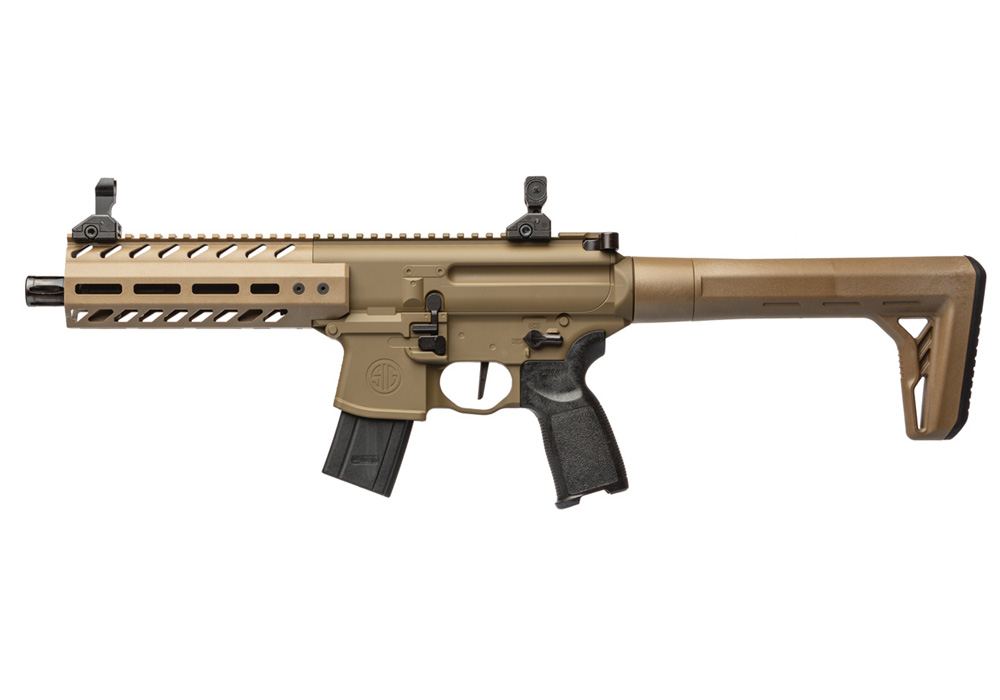
Air rifles for group target practice serve two closely related purposes: bringing several shooters together for an organized session and producing repeatable shot groups on paper. The most suitable features depend on the shooting distance, target format, participants’ experience, and facilities where the rifles will be used. Consistent operation, a comfortable stock, and clear sights often contribute more to an enjoyable session than a headline velocity figure. For traditional paper targets, .177 caliber is widely associated with precision air rifle disciplines, including 10-meter competition. A .22-caliber pellet rifle can also suit recreational target shooting, provided the target system and backstop are rated for its projectile and energy. Neither caliber guarantees smaller groups; barrel quality, pellet compatibility, fit, and shooter consistency all influence results. Pellet rifles and steel-BB air rifles are distinct categories, and ammunition must match the rifle’s stated requirements rather than appearance alone. For groups sharing equipment, stock dimensions deserve particular attention. Length of pull, cheek support, grip shape, and overall weight affect whether different shooters can settle comfortably behind the sights. An adjustable stock can accommodate a wider range of adult users, while a lighter rifle may be easier to manage during standing practice. A heavier rifle can feel steadier from a supported position but become tiring over a longer session. Synthetic stocks generally offer straightforward upkeep and resist routine scuffs; wood stocks provide a traditional feel and benefit from finishes kept clean and intact. Metal components, stock attachment points, and cocking controls should feel secure under normal handling. Durable construction matters when equipment moves repeatedly between storage cases and shooting benches, but durability does not replace careful treatment. For a recreational shooting club, a family range outing with adult participants, or friends comparing paper targets, a suitable rifle balances the demands of the setting with comfort through repeated turns on the line.
Power systems give target air rifles different handling characteristics and support requirements. Pre-charged pneumatic, or PCP, air rifles use a reservoir of compressed air and typically produce little felt recoil. Regulated designs can help maintain consistent performance within their specified operating range, making them relevant to shooters interested in repeatable groups. Their ownership requirements include a compatible filling system and attention to the manufacturer’s pressure limits and maintenance instructions. CO2-powered air rifles offer another option for recreational target sessions, with compatible cartridges or cylinders forming part of the equipment needed for continued use. Spring-piston and gas-piston rifles use a different mechanism and do not require an external compressed-air filling system. Cocking effort and their distinctive recoil behavior can affect comfort and consistency, especially when several people take turns with the same rifle. These differences matter more than a simple ranking of one power system above another: the useful choice is the one that fits the intended activity and the group’s ability to operate it safely. Sighting equipment deserves the same attention. Clearly defined iron sights can suit paper-target practice, while an airgun-rated scope can make smaller aiming marks easier to resolve. A scope’s minimum focusing distance and parallax adjustment are particularly relevant at shorter airgun distances; magnification alone does not ensure a useful sight picture. Spring-powered rifles also require optics and mounts rated for their recoil characteristics. A stable bench and an appropriate shooting rest can help distinguish equipment performance from changes in the shooter’s position, although contact with a rest can influence some rifles’ behavior. Compatible pellets with consistent dimensions and intact skirts provide a better starting point for evaluating accuracy than visibly damaged ammunition. Different barrels may favor different pellet designs, so dependable performance comes from a suitable rifle-and-pellet pairing rather than velocity alone. For organized competition, rifle specifications, sights, ammunition, and supporting equipment also need to match the applicable rules.
A well-organized group session depends on equipment that is easy to identify, handle, and maintain between turns. Separate, clearly marked targets let each participant follow results without confusion, while a common target distance gives those results useful context. Shared rifles benefit from controls that users can reach comfortably and a loading arrangement they can understand under qualified supervision. For compatible magazine-fed rifles, Airgun Magazines For Group Shooting can help keep equipment organized between turns, but fit is specific to the rifle and ammunition type. Similar appearance does not establish compatibility, and a removable magazine never replaces checking the rifle’s condition according to its manual. A designated range with a projectile-rated backstop, suitable target holders, and clear procedures provides the foundation for the activity. Air rifles are not toys: everyone present needs appropriate eye protection, safe muzzle direction, and a clear understanding of when shooting must stop. Indoor use belongs only in a facility designed and approved for the activity. Targets and traps must be suitable for the particular ammunition, since ricochet behavior differs between steel BBs and lead or alloy pellets. After a session, routine care generally centers on clean exterior surfaces, dry storage, and inspection for loose fittings or damaged seals, with lubrication and barrel care performed only as specified by the manufacturer. Excess oil or an unsuitable cleaning product can create problems rather than prevent them. Protective cases help shield stocks, sights, and finishes during transport, while secure storage keeps rifles and ammunition inaccessible to unauthorized users. As a gift, an air rifle is most appropriate for an eligible adult whose experience, preferred shooting activity, storage arrangements, and local requirements are understood. For an established target shooter, fit and compatibility are more meaningful than a feature list alone. Whether the occasion is a club practice session or an informal gathering at an approved range, comfortable equipment and dependable operation leave more attention for the targets and the people sharing the experience.