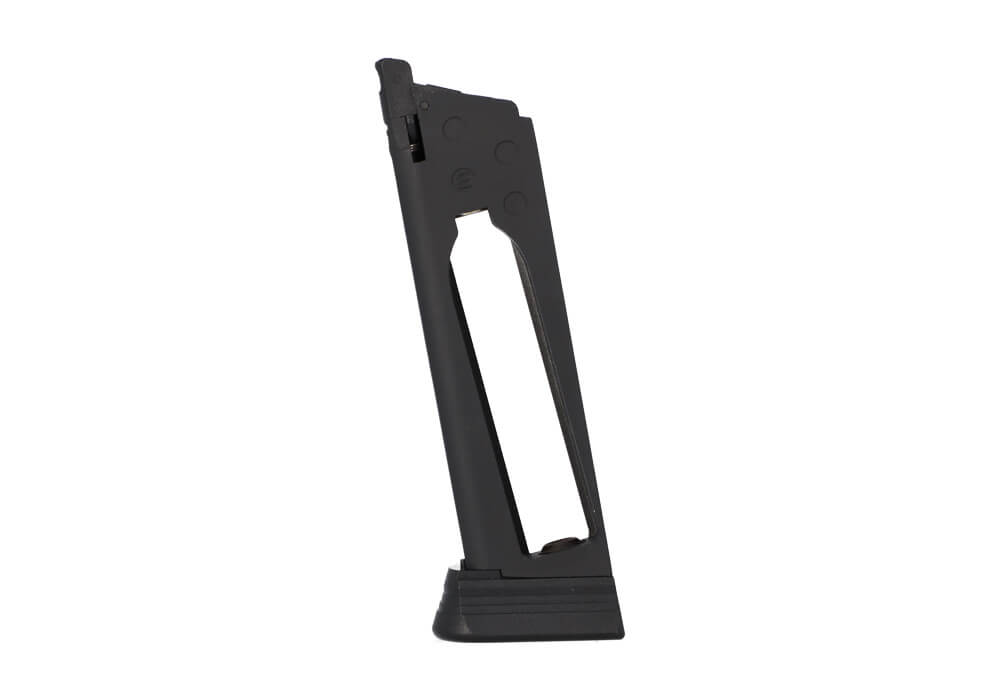
Airgun magazines for group shooting help keep a session organized, consistent, and focused on the target rather than repeated loading. Whether the goal is informal practice with friends, backyard target work where permitted, or a structured range session, the right magazine can make each shot feel more deliberate and predictable. Start with exact compatibility: confirm the airgun’s model, caliber, magazine style, pellet dimensions, and loading direction before making a purchase. Even airguns chambered for the same caliber may use different magazine bodies, indexing systems, or pellet counts, and a magazine that appears similar may not seat correctly or cycle reliably. Standard rotary magazines are a popular choice for group shooting because they keep pellets arranged in individual chambers and can provide smooth, repeatable indexing when properly matched to the airgun. Their compact shape may also preserve clearance around the action and optic. Extended-capacity designs can reduce interruptions during longer target strings, while a single-shot tray or loader may suit shooters who place maximum emphasis on carefully preparing every round. Competitive-style group shooting often rewards consistency over speed, so a magazine should hold each pellet securely without excessive pressure, release it cleanly, and present it in the same position for every shot. For a family member or friend who enjoys airgun target practice, a compatible spare magazine can be a practical gift that adds convenience without changing the familiar feel of the airgun. It is also useful to have an extra magazine ready when one becomes dusty, wet, or misplaced during an outdoor session. Store magazines unloaded and protected from grit, and follow the airgun manufacturer’s safety instructions whenever loading, unloading, or checking the action.
Pellet fit and magazine construction matter particularly when shooters are comparing group size rather than simply ringing targets. The pellet should sit squarely in its chamber, with the skirt seated flush and the head protected from contact that could deform its shape. A damaged skirt or clipped pellet can alter flight consistency, while a chamber that is too loose may allow movement during handling. Before using a new magazine for a serious session, inspect its chambers, cover, retaining features, and indexing wheel, then test it with the pellet type intended for the airgun. Some magazines are designed around conventional diabolo pellets, while others are made to accept longer projectiles or heavier slugs; those formats are not automatically interchangeable. A magazine intended for slugs may have different chamber length, alignment, or feed geometry, and a standard rotary design may not provide the clearance needed for an extended projectile. Smooth indexing is another important consideration. The magazine should advance positively without binding, skipping, or forcing the next pellet against the rifling. If a design includes adjustable tension, use only the amount needed to hold projectiles securely; excessive spring pressure can mark pellets or make cycling unnecessarily stiff. Avoid modifying a magazine to force compatibility, since small changes to the feed path can affect safe operation and reliability. Scope clearance should also be checked before selecting a drum or belt-style system. Some extended magazines sit higher above the breech and may interfere with a low-mounted optic, making taller rings or a different mounting arrangement necessary. A shooter who alternates between scoped and open-sight practice may prefer a lower-profile standard magazine, while a group that shares an airgun may value a straightforward design that is easy to identify, load, and operate consistently. For additional options organized around repeatable accuracy and careful shot placement, browse Airgun Magazines For Precision Shooting.
Group shooting has a rhythm of its own: magazines are filled at the bench, targets are posted downrange, and each shooter settles into a repeatable position before beginning a string. A dependable magazine supports that rhythm by reducing distractions and helping everyone spend more time observing hold, breathing, trigger control, and pellet placement. When several people share an airgun, clearly labeled magazines can prevent confusion between calibers or pellet types, and preloading a few compatible magazines can make transitions between shooters more efficient while keeping the firing line orderly. For a new airgun owner, a spare magazine paired with the correct pellets, a protective case, or a simple target setup can make a thoughtful gift for informal practice during the warmer part of the year and for indoor or covered-range sessions during cooler weather. Experienced shooters may appreciate a magazine selected for a particular purpose, such as extended target strings, low-profile scope clearance, or longer slug compatibility, provided the fit has been verified first. Clean handling remains important in every season: keep lead pellets and magazines away from moisture, wipe off surface dirt after outdoor use, and avoid oils or cleaners unless the manufacturer approves them for the magazine’s materials. Examine the feed lips, indexing points, retaining cover, and spring tension periodically, replacing a component that is cracked, distorted, or no longer holds pellets securely. Above all, use only the magazine specified for the airgun, keep the muzzle pointed in a safe direction, treat every airgun as loaded, and follow all applicable range rules and local regulations. With the right fit and a little preparation, airgun magazines for group shooting can support steady practice, cleaner shot routines, and enjoyable time at the range with friends and family.