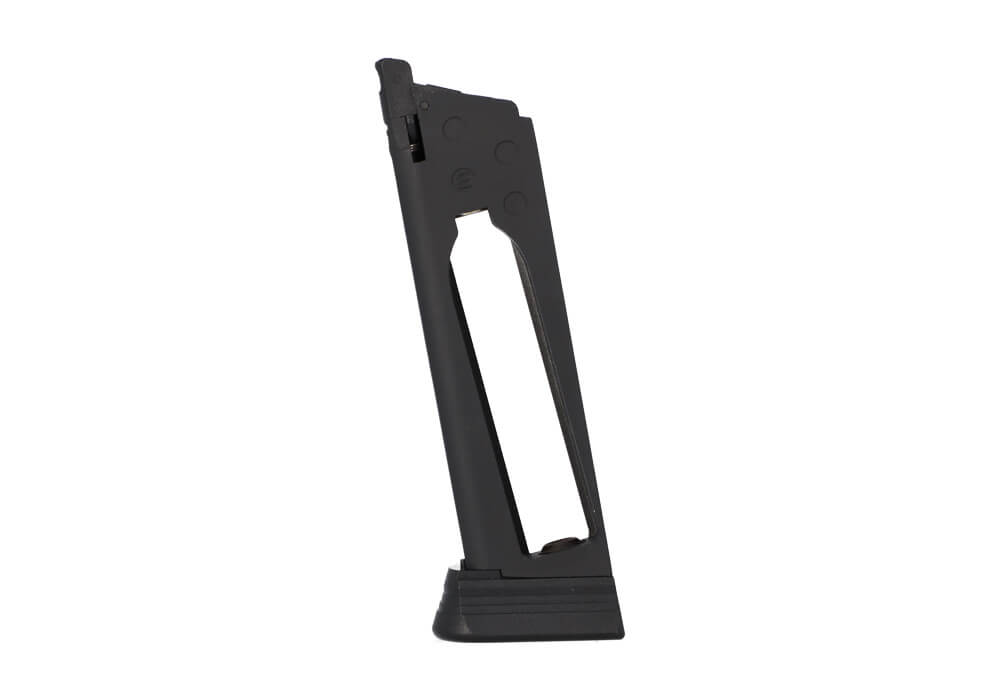
Airgun magazines for precision shooting are designed to keep every shot moving through the loading cycle with as little disruption as possible. A well-matched magazine holds pellets or slugs securely, presents each projectile in the correct position, and helps the action feed smoothly without damaging delicate pellet skirts or the driving edges of longer slugs. That consistency matters on the bench, at the range, and in the field, where a small deformation can show up as a wider group downrange. Standard rotary magazines are a practical choice for many air rifles, especially when a shooter values quick follow-up shots and a familiar loading process. Extended-capacity options can be useful during longer practice sessions or organized matches, while slug-specific designs may provide additional clearance for heavier, longer projectiles that do not fit comfortably in a conventional drum. Some shooters prefer a single-shot tray when concentrating on absolute shot placement, since it allows each pellet or slug to be seated individually and can make it easier to inspect the projectile before loading. When browsing airgun magazines, begin with exact compatibility. Confirm the air rifle’s model, caliber, action configuration, magazine shape, and indexing direction before ordering, then compare the magazine’s stated projectile length and weight range with the ammunition you plan to use. A magazine that works reliably with lightweight pellets may not be suitable for long, high-ballistic-coefficient slugs, and forcing an incompatible projectile into a compartment can damage both the ammunition and the loading system.
Construction and internal fit are equally important considerations for anyone building a dependable precision setup. A machined metal body can provide a rigid platform for the internal drum, while durable polymer components can reduce weight and help the magazine rotate with low friction. Neither material is automatically best for every rifle; the most useful design is the one that maintains alignment, resists wear, and matches the tolerances of the airgun’s action. Pay close attention to the shape of each chamber, the depth available for the projectile nose, and the support provided around the pellet skirt. Proper clearance helps prevent clipping or deformation as the magazine indexes, particularly when using pointed, long, or heavy projectiles. Spring tension also deserves attention. The magazine should advance positively from one position to the next without requiring excessive force that could crush a pellet skirt or make the wheel difficult to turn. Adjustable tension systems can give experienced shooters more control, but any adjustment should be made carefully and tested with the rifle unloaded and pointed in a safe direction. A clean, smooth rotation is a valuable sign, while gritty movement, inconsistent indexing, loose covers, or a chamber that allows projectiles to shift may indicate a poor fit or a maintenance issue. Shooters who spend cooler months refining their groups at an outdoor range often appreciate keeping a second magazine ready, allowing one to be loaded while the other remains in the rifle. A spare can also be helpful when introducing a new shooter to airguns, since it keeps the session moving and leaves more time for safe handling, steady breathing, and careful trigger control.
The right magazine supports the way an airgun is actually used. A recreational target shooter may prefer a compact standard-capacity rotary design that is simple to load and easy to carry in a range bag. A field target competitor may prioritize dependable indexing, low-profile dimensions, and a cover that stays closed as the rifle is moved between lanes or shooting positions. For benchrest work, a single-shot tray may make the most sense, especially when every pellet is weighed, inspected, and placed with the same deliberate care. Hunters and pest-control users should focus on reliable feeding, secure retention, and compatibility with the projectiles selected for the rifle, while following all applicable laws and practicing responsible shot placement. Magazine choice can also make a thoughtful gift for an airgun enthusiast, particularly when paired with compatible pellets, a protective case, or a small maintenance kit; the key is confirming the recipient’s exact rifle and caliber rather than relying on appearance alone. Before using a new magazine, inspect it for burrs, cracks, loose fasteners, or damaged seals, and cycle it slowly with the airgun unloaded to verify smooth indexing. Follow the manufacturer’s loading instructions, avoid overfilling, and store magazines away from dirt, moisture, and excessive heat. During longer sessions, rotating between magazines can reduce handling wear and give each unit time to be checked. For shooters comparing purpose-built upgrades and replacement components, the selection of High Performance Airgun Magazines offers a useful place to review compatible options. With the correct fit, projectile clearance, tension, and capacity, an airgun magazine becomes more than a convenient accessory: it becomes part of the repeatable system that helps turn careful technique into tight, confidence-inspiring groups.