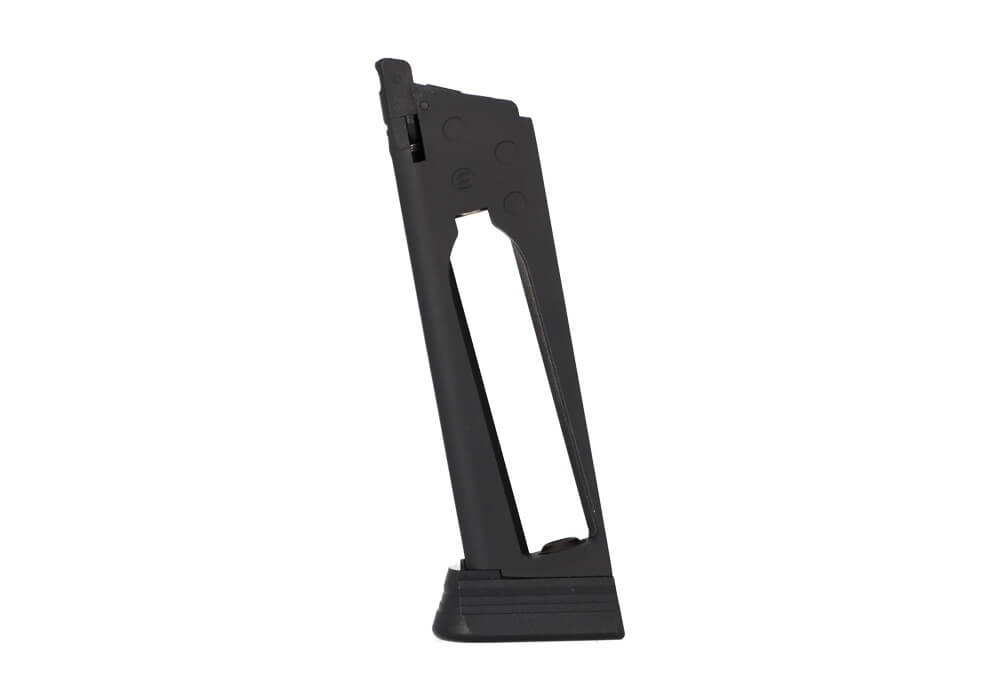
High-performance airgun magazines support a smoother, more consistent shooting session by helping you spend less time reloading and more time focused on the target. For target practice, field training, small-game applications where lawful, and backyard plinking in suitable locations, the right magazine can improve the rhythm of every shot. Instead of reaching for loose pellets after a handful of shots, a well-fitted magazine keeps ammunition organized and ready for the next cycle. Higher round counts are especially useful during extended practice sessions, when repeated loading can interrupt concentration and slow your pace. They can also be helpful for shooters who work through multiple sight-in groups, test different holds, or spend an afternoon refining trigger control. Rotary designs are popular because they present each pellet in a consistent position, while belt-style systems can offer a practical solution for compatible CO2-powered airguns. Other designs use a straight or open loading path for users who prefer quick access and simple visual inspection. When browsing this selection, begin with your airgun’s exact model and caliber, then confirm whether the magazine is intended for pellets, slugs, or both. A magazine that fits the receiver but does not match the breech, projectile profile, or indexing system may not function reliably. Pay attention to the listed round count, orientation, loading direction, and whether the design is intended for a right-handed, left-handed, or ambidextrous setup. A clear or partially visible body can make it easier to monitor remaining ammunition, while an opaque design may offer a clean appearance and protect the contents from direct light. For a darker finish that coordinates easily with a wide range of airgun setups, explore Black Airgun Magazines.
Durability and feeding consistency matter just as much as the number of shots a magazine holds. Look for sturdy polymer construction, carefully formed indexing surfaces, secure covers, and retention features that keep pellets seated during normal handling. O-rings, retaining lips, and fitted covers can help prevent projectiles from shifting as the magazine moves from a range bag to the rifle, though every component should still be handled with care. Shooters who use heavier slugs should verify that the magazine’s internal dimensions and loading path accommodate the projectile’s length, diameter, and shape. Slugs often require more room than conventional diabolo pellets, and a design intended only for standard pellets may not cycle them properly. The same principle applies to pellet skirts, head sizes, and pointed or domed profiles; small differences can affect rotation, alignment, and chambering. Before loading, inspect the magazine for dirt, damaged retaining features, or debris that could interfere with movement. Follow the airgun manufacturer’s instructions for lubrication, storage, and installation, and avoid forcing a magazine into place if resistance feels unusual. Keep ammunition sorted by caliber and projectile type so that a busy range session does not turn into a guessing game. A dedicated magazine pouch or divided case can protect spare magazines from grit while keeping loaded and empty units separate. These details are easy to appreciate after a long afternoon outdoors, when cool air, changing light, and repeated handling make simple equipment choices more noticeable. A reliable magazine should feel predictable: it should seat securely, rotate or advance cleanly, and present the next projectile without excessive manipulation.
These magazines can suit new airgun owners building a practical kit, experienced shooters refining a familiar setup, and gift-givers looking for a useful accessory for someone who already enjoys airgun sports. They are particularly fitting for a shooter who spends time at paper targets, reactive targets approved for airgun use, informal plinking areas, or carefully managed pest-control settings where local rules permit. A spare magazine can also be a thoughtful gift because it complements equipment the recipient may already own without requiring a change in shooting style. For someone who practices regularly, several compatible magazines allow one to remain loaded while another is in use, reducing interruptions between groups and helping keep the session organized. During the cooler months, when gloves and layered clothing can make handling small pellets more cumbersome, a secure magazine system may be easier to manage than repeated loose loading. Even then, careful handling remains essential: keep the airgun pointed in a safe direction, treat every loaded magazine as ready for use, keep fingers clear of the trigger, and follow all local laws and range rules. Store magazines unloaded when required by the manufacturer, protect them from extreme heat and moisture, and use only the ammunition specified for the airgun. Choosing the correct magazine is ultimately about matching the accessory to the way you shoot. Consider your airgun’s model, caliber, projectile preference, desired round count, loading style, and typical session length. With those details in mind, this collection offers practical options for cleaner organization, fewer reloads, and a more enjoyable rhythm from the first carefully placed shot to the last target of the day.