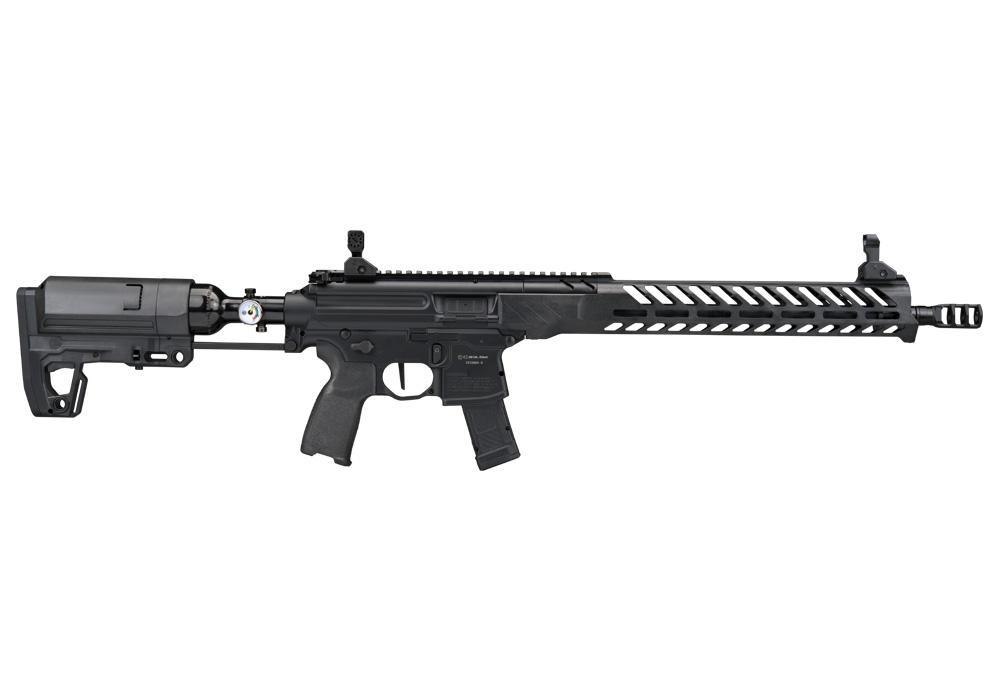
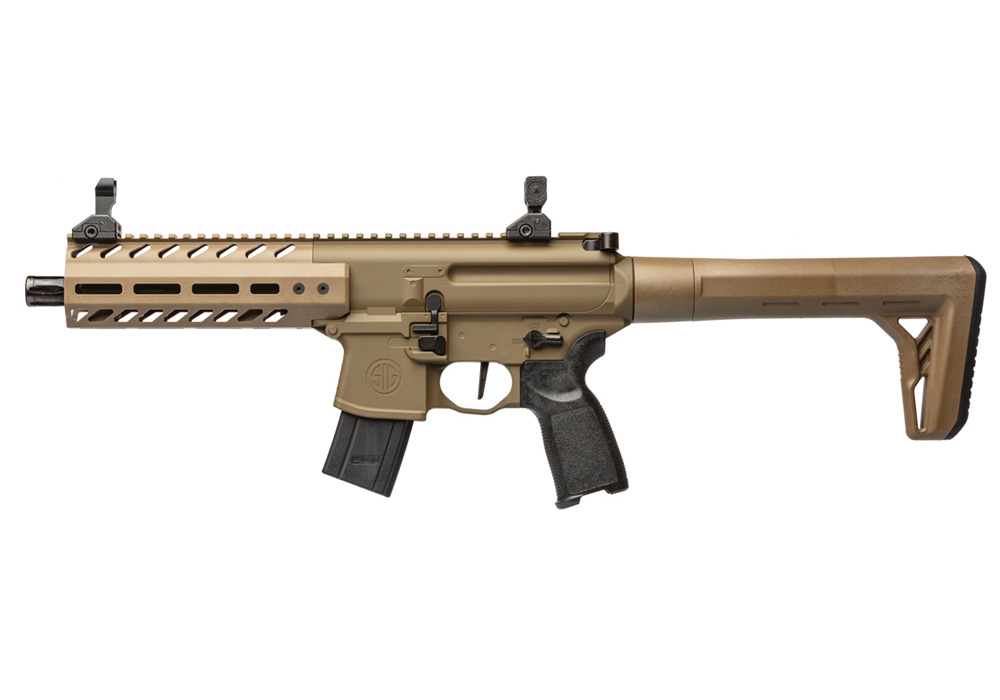
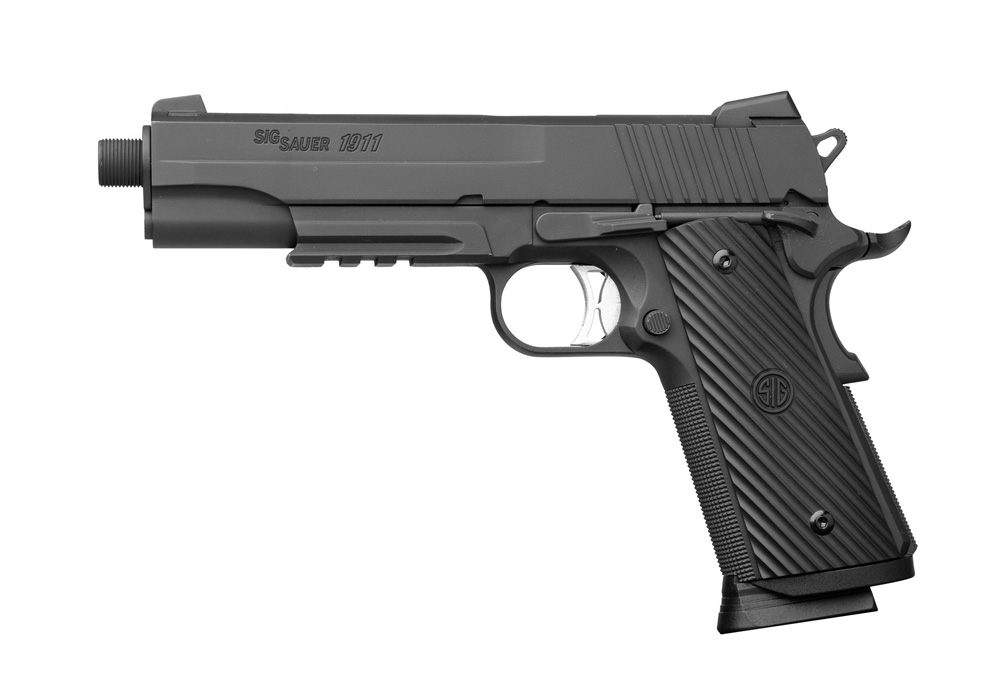
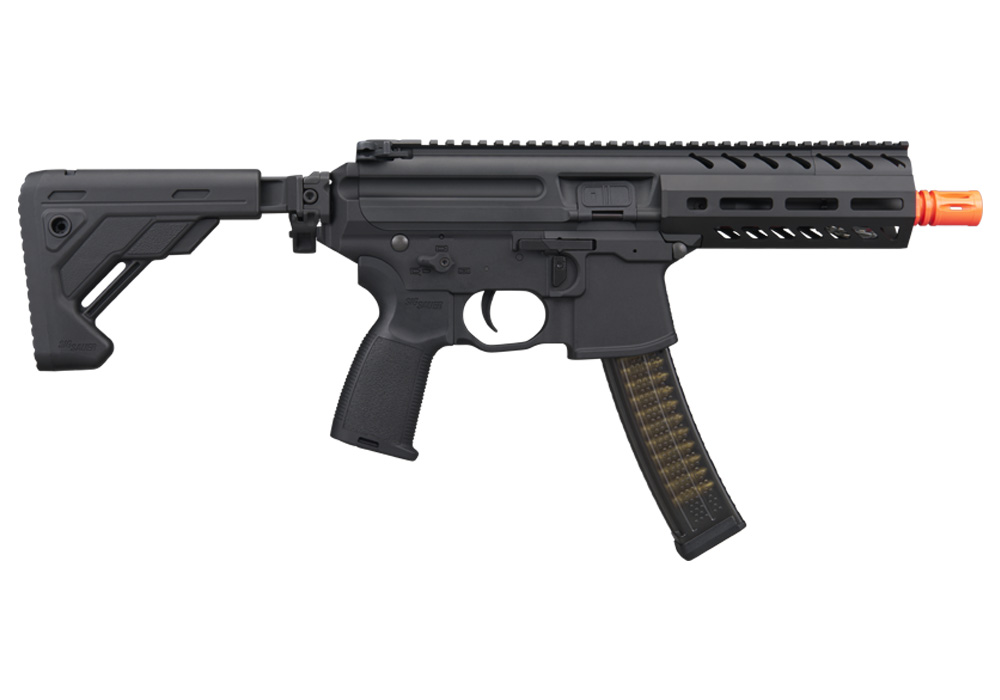
High performance airguns bring together the precision of modern engineering, the quiet rhythm of a well-set shooting routine, and the satisfying simplicity of launching a projectile with compressed air or a mechanical powerplant rather than gunpowder. This category includes pre-charged pneumatic, or PCP, air rifles that store compressed air in an onboard reservoir, as well as powerful breakbarrel and gas-piston designs that generate their energy with a self-contained spring or piston system. PCP platforms are often selected for their consistency, shot-to-shot performance, adjustable power, and reduced effort between shots, while breakbarrel models appeal to shooters who prefer an airgun that does not require a separate air tank, compressor, or hand pump. Depending on the design, caliber, projectile, and intended use, high performance airguns can serve as precise tools for paper targets, reactive targets, backyard practice where permitted, small pest control, and lawful hunting. Small-bore options are commonly chosen for economical target work and pest management, while larger .25, .30, .35, .45, .50, and larger-caliber airguns can launch heavier pellets or slugs with substantially more energy. A rifle’s advertised velocity is only one part of the story; projectile weight, retained energy, accuracy, air efficiency, regulator performance, and practical range all matter when comparing platforms. Shooters who spend time behind a capable airgun often find that the experience rewards patience. The quiet pause before a shot, the steady pressure of a careful trigger pull, and the clean movement of a pellet or slug toward a distant target create a focused practice session that feels both deliberate and immediately engaging. For a broader look at contemporary designs and configurations, explore Modern Airguns.
Choosing the right high performance airgun begins with matching the powerplant and caliber to the job. PCP rifles use compressed air commonly stored at pressures around 3,000 to 4,500 PSI, and they may be filled with a compatible high-pressure hand pump, portable compressor, or properly rated carbon-fiber air tank. A fill system should be treated as part of the purchase decision, since the rifle’s reservoir size, operating pressure, shot count, and available charging equipment determine how conveniently it can be used at the range or in the field. A regulator can help deliver more consistent pressure to the firing valve, although the benefits depend on the rifle’s design, setup, and ammunition. Breakbarrel and gas-piston airguns offer a different kind of convenience because they produce each shot from a self-contained mechanism, but their cocking effort, hold sensitivity, and firing cycle require a technique that may differ from shooting a PCP. Ammunition deserves equal attention. Lightweight pellets can be well suited to target practice and certain small-game applications, while heavier pellets and slugs may provide better downrange stability and energy in compatible larger-caliber rifles. Always confirm the projectile type, diameter, weight range, and power level recommended for the airgun. Optics should also be selected with care. Airguns can generate a distinctive forward-and-rearward vibration that differs from the recoil of traditional firearms, so a scope specifically rated for airgun use can help maintain zero through repeated shooting. Consider magnification, parallax adjustment, reticle style, eye relief, mounting height, and the distances at which targets will actually be engaged. A stable rest, appropriate rings, a quality backstop, and a simple supply of spare magazines or loading tools can make a noticeable difference during a long afternoon outdoors.
High performance airguns can suit a wide range of shooters, from experienced hunters and field-target competitors to adults introducing a responsible family member to the fundamentals of marksmanship under close supervision. They can also make thoughtful gifts for someone who enjoys tinkering, precision shooting, outdoor practice, or the methodical process of tuning equipment, provided the recipient is legally permitted to possess and use the airgun and has a safe place to shoot. Before purchasing, review local and state regulations covering ownership, discharge, hunting seasons, permitted species, minimum calibers, projectile types, and transport. Airguns are not toys, and their lower report does not eliminate the need for safe handling. Keep the muzzle pointed in a safe direction, treat every airgun as loaded until it has been verified otherwise, keep fingers away from the trigger until ready to fire, and use a backstop capable of safely stopping the projectile without ricochet. Eye protection is recommended, and every shooter should understand the range, the target, and what lies beyond it. During the cooler months, airgun owners often appreciate the flexibility of an indoor range or a sheltered practice area, while mild days make it easier to stretch out at longer distances and evaluate groups in changing light and wind. A careful setup, appropriate ammunition, and realistic expectations will help reveal the strengths of each platform, whether the goal is tightening groups on paper, practicing field positions, managing lawful pests, or preparing for a responsible hunting application. The products collected in this category are intended to help shooters compare those possibilities and choose an airgun system that fits their experience, equipment, surroundings, and intended use.