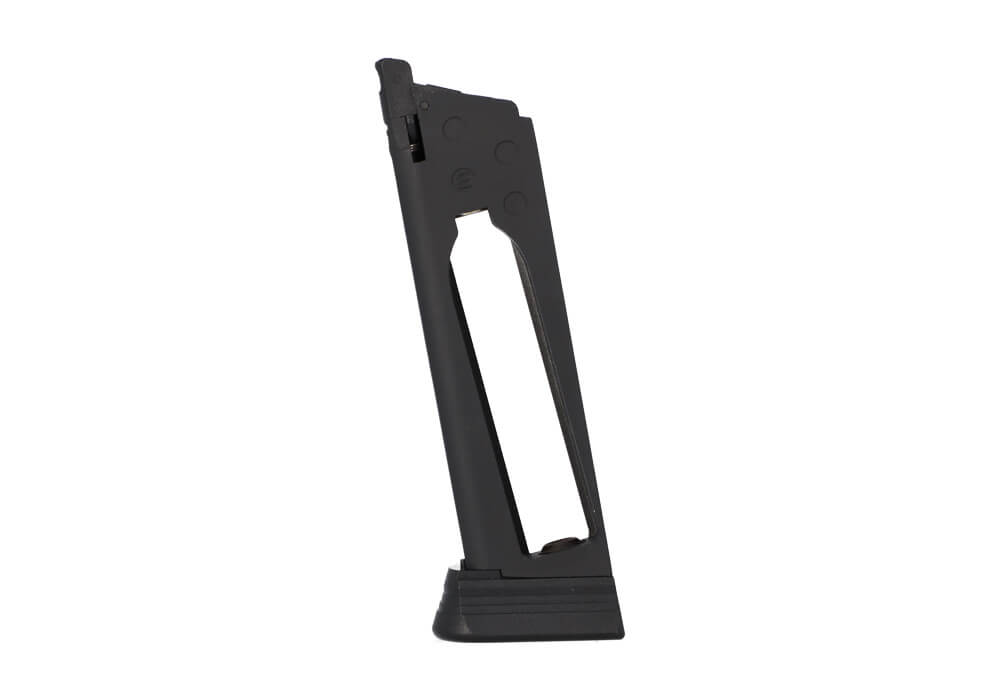
Black airgun magazines are practical accessories for shooters who want a smoother, more organized way to keep ammunition ready during target practice, backyard plinking, pest-control work where lawful, or airgun training. Their dark finish pairs naturally with tactical-style rifles, replica pistols, and modern sporting airguns, while the right magazine can make loading feel more consistent from one session to the next. Before choosing a magazine, start with exact compatibility. An airgun magazine must match the firearm’s make and model, caliber, ammunition type, and feeding system. Common calibers include .177, .22, and .25, but magazines are not interchangeable simply because they share the same caliber. A .177 pellet magazine may use a specific rotary profile designed around the dimensions of diabolo pellets, while a .177 BB magazine is intended for smooth steel BBs and may rely on a different internal arrangement. Some airguns also use slugs, which require a magazine engineered for their longer, heavier shape. Checking the owner’s manual or the manufacturer’s compatibility information is the most reliable way to confirm fit. It is also helpful to inspect the original magazine and compare its indexing points, retaining tabs, feed lips, and overall dimensions. A correct fit should allow the magazine to seat securely, rotate or cycle as intended, and present each round cleanly without excessive force.
Different magazine designs suit different styles of shooting. Rotary magazines are common on many pellet-firing air rifles and pistols because their circular chambers hold individual pellets in an orderly sequence. They are especially useful when a shooter wants a compact profile and predictable indexing between shots. A rotary magazine should be loaded with the pellet skirt seated properly and aligned in the direction specified by the airgun manufacturer; a pellet that is tilted, protruding, or forced into the wrong position can interfere with cycling and may damage the feed system. Belt-fed or strip-style magazines can offer faster follow-up shots on compatible tactical-pattern airguns, making them appealing for recreational drills, informal target courses, and action-oriented practice. Pistol magazines may combine ammunition storage with a housing for a CO2 capsule, depending on the design. These units can provide a realistic handling experience, but they also require careful attention to seal condition, cartridge placement, and the distinction between BB-only and pellet-compatible systems. Material is another consideration. Polymer magazines are generally lightweight and can be comfortable to carry in multiples, while metal components may provide a more substantial feel and added resistance to wear. Neither material is automatically best for every shooter; the ideal choice depends on the airgun, how often it is used, and whether light field equipment or a more realistic training setup is the priority. For additional options organized around durability, fit, and range use, explore High Performance Airgun Magazines.
A spare black airgun magazine is useful for anyone who dislikes stopping in the middle of a session to reload a single magazine, especially during cooler months when gloves and outdoor gear can make small loading tasks more awkward. Keeping loaded spare magazines in a pouch or protective case helps maintain a steady rhythm at the range and reduces the chance of dropping a magazine into grass, gravel, or damp ground. Magazines also make thoughtful gifts for airgun owners because they are practical, easy to store, and directly connected to time spent shooting. They can complement a new air rifle or pistol, provide a convenient replacement for a worn original, or give an experienced shooter a chance to keep a second setup ready for the next trip outdoors. Storage deserves attention: keep magazines away from excessive heat, moisture, dirt, and harsh chemicals, and avoid leaving pellets or BBs compressed in a way that could deform them or place unnecessary stress on the feed components. After use, wipe away dust and fingerprints with a clean, dry cloth and follow the airgun manufacturer’s instructions for lubrication; some magazines should remain dry, while others may require a small amount of approved lubricant on specific seals or moving parts. Do not mix ammunition types in one magazine, and do not force a magazine that does not seat or cycle smoothly. A brief inspection before loading can reveal cracked polymer, bent feed lips, damaged indexing teeth, loose fasteners, or a worn seal. Selecting a black airgun magazine with the correct caliber, ammunition compatibility, capacity, construction, and feeding style helps preserve reliable operation and keeps each shooting session focused on careful handling, steady practice, and enjoyable time outdoors.