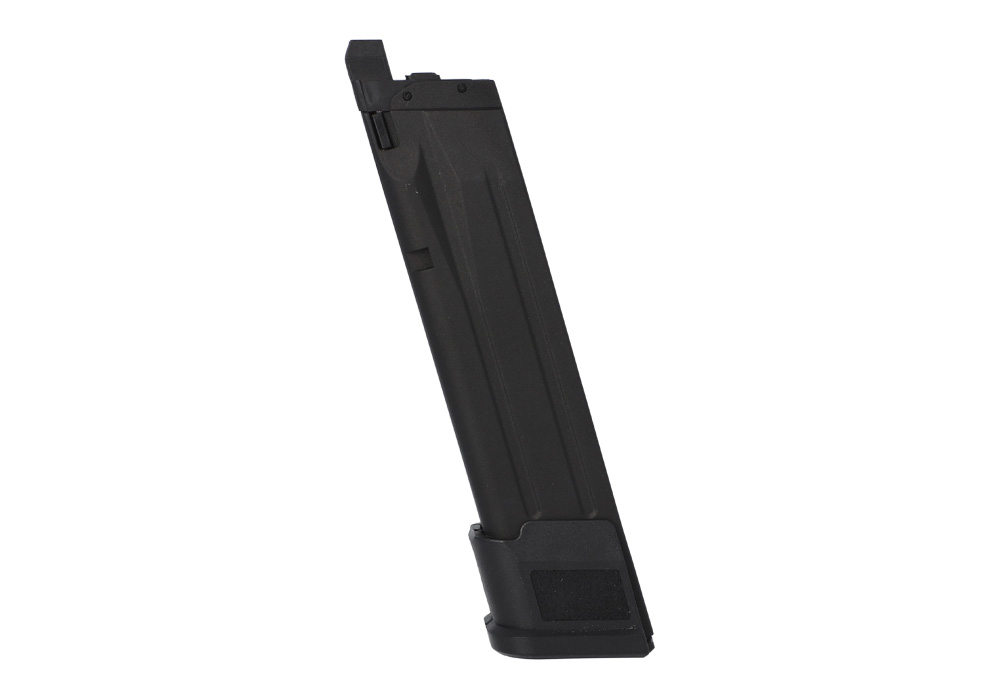
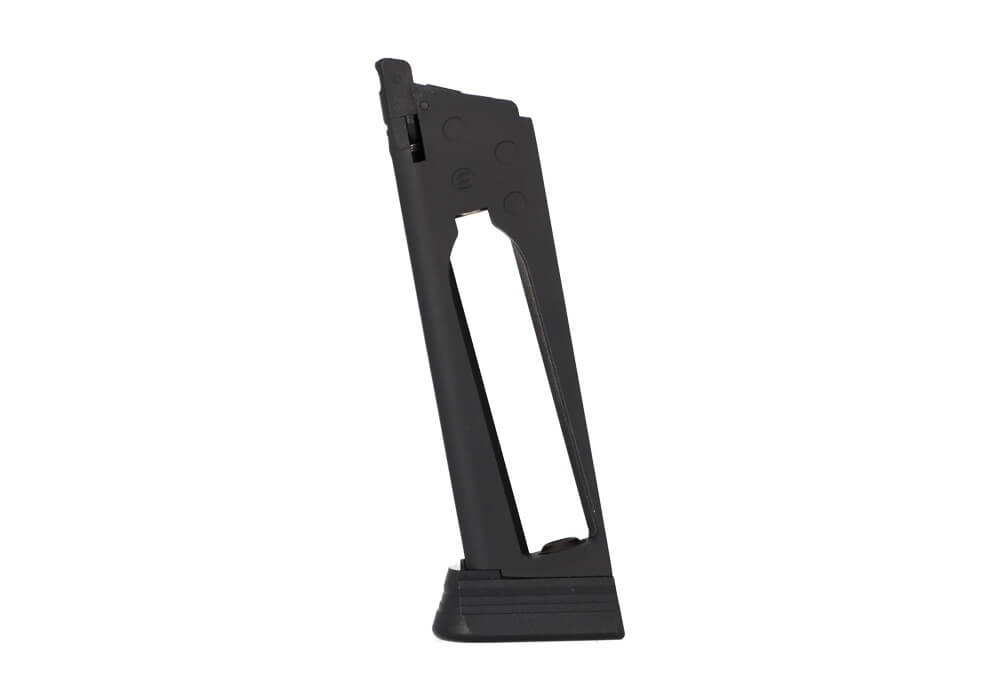
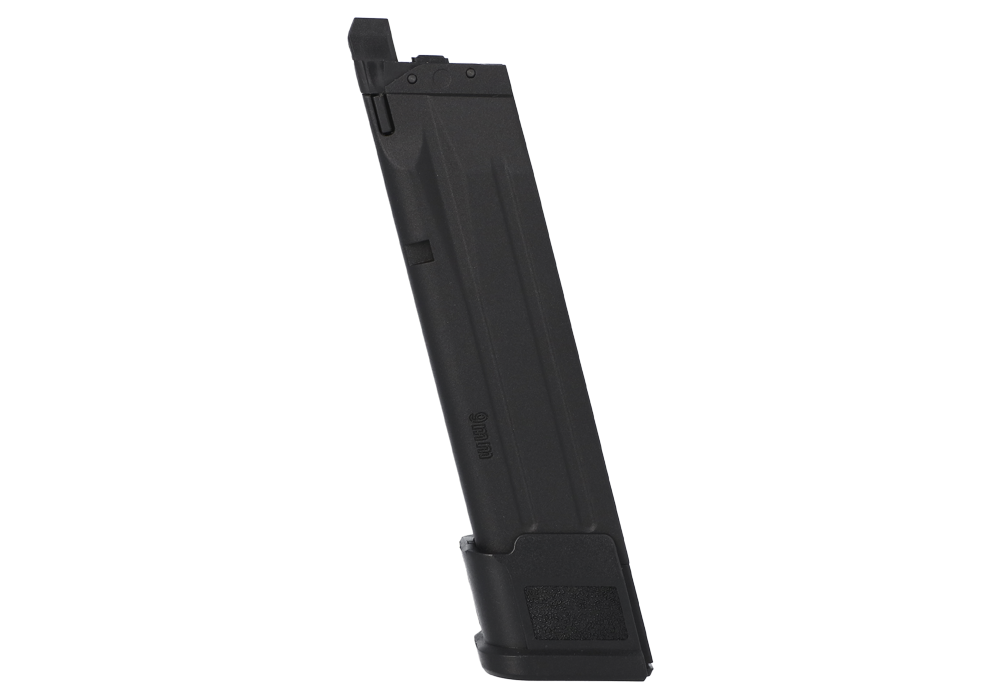
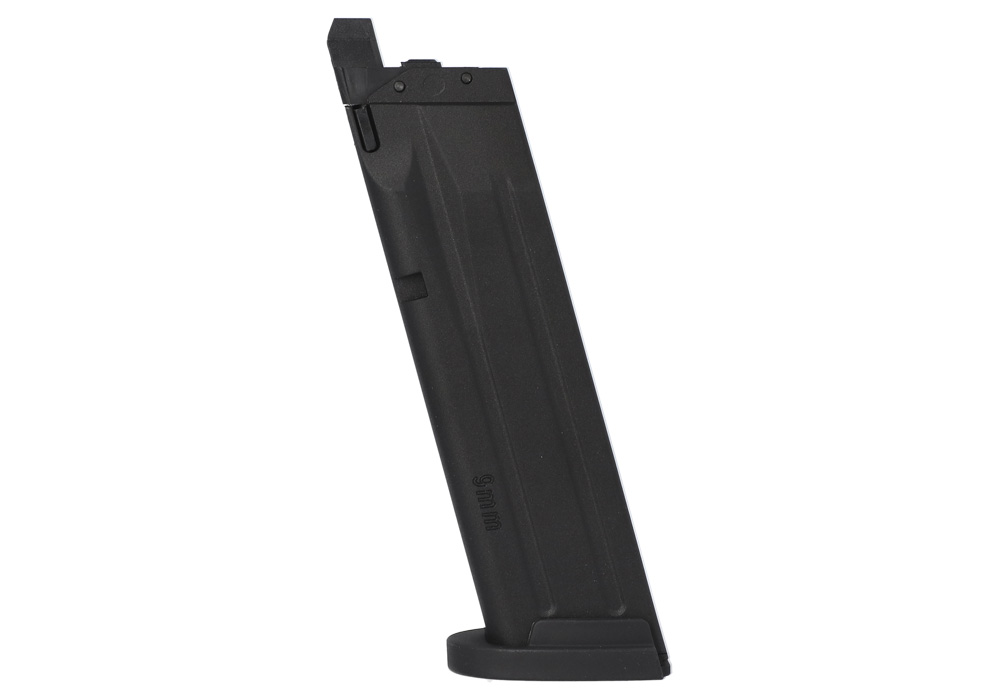
Pellet and BB air pistol magazines hold projectiles and present them to the pistol’s feeding mechanism, but their designs vary considerably. Some BB pistols use a narrow stick magazine with a spring and follower that move BBs toward the feed opening. Others use a larger magazine assembly that carries both the BBs and a CO2 cartridge, with seals and valves forming part of the pistol’s gas system. Pellet pistols often use rotary clips, indexed chambers, or belt-style magazines that position individual pellets for firing. These differences matter because a magazine is part of a particular operating system, not simply a container that fits inside a grip. A rotary pellet clip and a spring-fed BB magazine perform similar jobs through different mechanisms, and neither should be assumed to work in a pistol designed for the other. Even air pistols with similar exterior shapes may require different magazine bodies, retention notches, or feed arrangements. The correct match depends on the exact pistol model, its specified caliber, and its approved ammunition type. A shared caliber marking does not establish compatibility between pellets and BBs: pellets have a shaped head and skirt, while BBs are spherical, and each requires suitable support and alignment. Dual-ammunition designs are an exception only when the pistol and magazine explicitly support both projectile types. Pellet length and profile can also affect fit, particularly in enclosed rotary chambers where an overly long projectile may interfere with movement. For anyone comparing pellet and BB air pistol magazines, the most useful details are the supported pistol model, ammunition requirements, magazine style, number of projectiles it holds, and whether it includes any part of the CO2 system. Those details explain how the accessory will function far more clearly than appearance alone. They also distinguish a simple replacement clip from a more complex magazine assembly with additional components to maintain. Terms such as magazine and clip sometimes overlap in airgun descriptions, so the stated compatibility and mechanism are more dependable than the name by itself.
Materials and construction influence how a magazine feels in the hand and how it stands up to repeated loading, insertion, and removal. Polymer bodies and components can keep weight manageable and resist corrosion, while metal bodies can provide rigidity and a substantial feel. Many designs combine these materials, using each where its properties suit the mechanism. The important details are often less visible than the exterior finish: feed openings, chamber edges, follower movement, springs, locking surfaces, and seals all contribute to dependable operation. A smooth follower helps BBs advance without unnecessary resistance, while accurately formed pellet chambers help keep each projectile positioned as the mechanism indexes. On magazines that incorporate CO2 components, seal condition and the correct seating of the cartridge are especially relevant. Materials alone do not establish quality or compatibility, and a metal magazine is not automatically a better choice than the polymer design specified for a particular pistol. Fit should allow the magazine to seat and release as intended without forcing the latch or pressing against the feed mechanism. Small differences in body dimensions or locking geometry can be enough to prevent reliable operation, even when two magazines look nearly identical on a bench. The distinction also matters when comparing pellet magazines with BB Gun Replacement Magazines, since the projectile shape and feeding system determine which design belongs in the pistol. For target shooters, an additional compatible magazine can reduce the time spent reloading between short practice strings. A rotary clip can keep pellets separated in individual chambers, while a BB magazine organizes spherical projectiles within its feed channel. Someone practicing a consistent grip and sight picture may appreciate fewer interruptions, and an experienced hobbyist may value a replacement for a worn magazine that no longer feeds smoothly. The practical benefit comes from correct fit and consistent function, rather than simply choosing the magazine that holds the greatest number of projectiles.
Care and storage help protect the small working surfaces that make air pistol magazines useful over time. Loose grit, damaged projectiles, and residue around a feed opening can interfere with movement, so cleanliness matters even when the exterior still looks tidy. A soft brush or clean cloth is often suitable for accessible surfaces when permitted by the manufacturer’s instructions; aggressive solvents, excessive oil, and improvised adjustments can harm polymer parts or seals. Lubrication requirements vary, particularly for assemblies with CO2 components, and the specified lubricant belongs only where the manufacturer directs. Pellet skirts deserve attention during loading because deformation can prevent a pellet from sitting correctly in its chamber. A pellet protruding beyond the face of a rotary clip may obstruct indexing, while a damaged BB or debris in a feed channel can interrupt spring-driven movement. Repeated resistance is a reason to check compatibility and condition, not to force the mechanism. Storage is similarly design-dependent: magazines should be unloaded and kept clean and dry, with CO2 handling and removal following the pistol’s instructions. A protective compartment keeps feed openings and chamber edges away from loose tools, and separating magazines by compatible pistol helps prevent mix-ups among similar-looking accessories. These products suit recreational target shooters, airgun enthusiasts, and adults supporting supervised shooting instruction where the equipment and setting are appropriate. They can also be thoughtful accessories for an airgun owner when the giver knows the exact pistol model and ammunition requirements; a general resemblance is not enough to ensure a useful gift. At a suitable target range, dependable magazines support focused practice with sight alignment, trigger control, and consistent handling, without implying that an air pistol duplicates every characteristic of a firearm. Proper eye protection, a backstop rated for the projectile, and attention to range rules remain essential, especially because steel BBs can rebound from unsuitable surfaces. Whether the purpose is replacing a worn component or keeping a compatible spare alongside the pistol, the lasting priorities are straightforward: accurate fit, suitable ammunition, sound construction, and care that respects the magazine’s particular design.