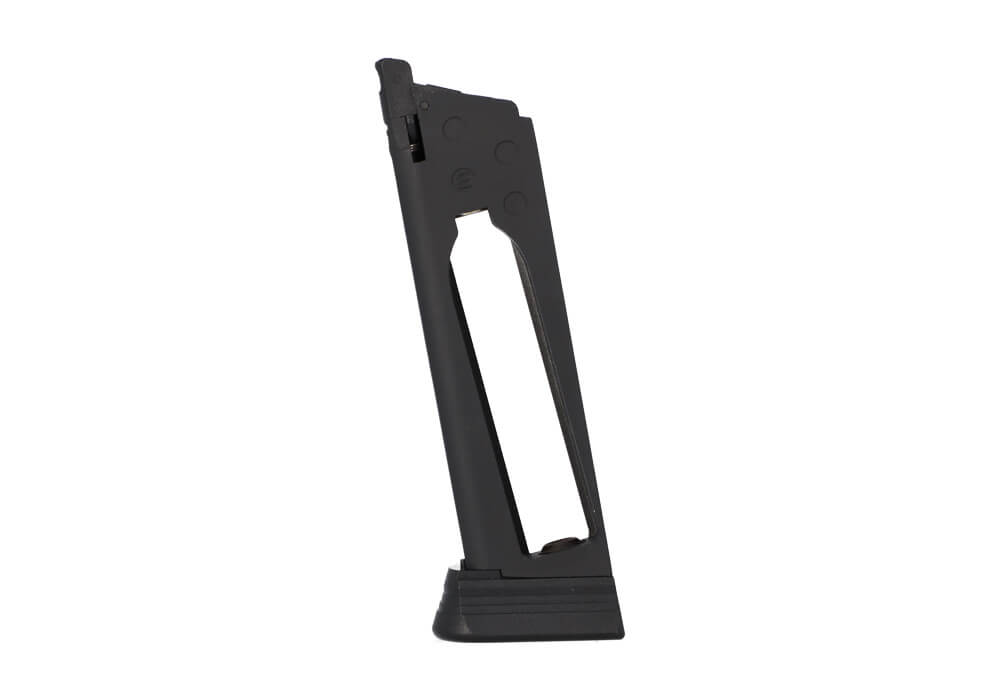
Airgun magazines for autumn shooting help keep a session organized when cooler air, changing light, and damp ground make every reload feel more deliberate. A spare magazine can be loaded before heading outside, allowing the shooter to spend more time on the range, in a backyard practice area, or in the field rather than handling individual pellets with cold or gloved fingers. This is especially useful during the cooler months, when a breeze can scatter loose ammunition across a shooting bench and numb hands can make small components difficult to manage. Recommended magazines may include standard-capacity options for a compact setup, as well as extended-capacity designs for longer practice sessions with fewer interruptions. Multipacks are also practical for shooters who prefer to prepare several magazines in advance, separate ammunition by pellet type, or keep a clean spare available while another magazine is being inspected. For those who enjoy warm-weather practice as well, the same organized approach carries naturally into Airgun Magazines For Summer Plinking. Whether the goal is informal target shooting, skill-building, or responsible airgun use where permitted, the right magazine supports a smoother routine from the first shot to the last.
Compatibility should be the first consideration when selecting airgun magazines for autumn shooting. Airgun magazines are not universal, and a precise fit matters for reliable feeding, correct indexing, and safe operation. Check the airgun’s exact model, caliber, magazine style, and action type before ordering, paying close attention to whether it uses a rotary, linear, clip-style, or proprietary magazine. A magazine intended for one platform may appear similar to another while differing in dimensions, indexing points, pellet orientation, or retention features. The ammunition itself also deserves attention: pellet shape, head size, and skirt profile can affect how smoothly each round seats in the magazine. When temperatures fall, pellets and magazine components should be handled carefully, and magazines should be kept clean and dry to help prevent grit, moisture, or residue from affecting performance. Durable polymer, reinforced nylon, and anodized aluminum construction can each offer useful advantages, depending on the platform and shooting conditions. Polymer designs are often light and easy to carry, while metal components may provide a more substantial feel and resistance to repeated handling. The best choice is the one engineered for the specific airgun and suited to the shooter’s normal routine. Keeping magazines in a protective pouch or compartment also helps prevent damage when gear is placed on a damp bench, carried through leaves, or packed alongside other range equipment.
Airgun magazines can be a practical addition for new shooters, experienced enthusiasts, and anyone assembling a thoughtful gift for a target shooter. A beginner may appreciate having a spare magazine available while learning safe loading and handling habits, while an experienced user may value a multipack for structured practice, field carry, or different pellet selections. They can also make a useful gift for someone who already owns an airgun, provided the purchaser confirms the exact model and caliber rather than relying on appearance alone. During autumn, shooting sessions often take place against a backdrop of crisp air, muted foliage, and shorter daylight, making efficient equipment especially welcome. A preloaded spare can reduce time spent reaching for loose pellets and help maintain a steady rhythm as the temperature drops. Shooters should still follow the airgun manufacturer’s loading instructions, inspect magazines for wear, and observe all applicable laws, range rules, and safe backstop requirements. Store magazines unloaded when recommended, keep them away from moisture and extreme heat, and replace any component that shows cracking, deformation, or unreliable indexing. With the correct fit and sensible care, airgun magazines provide a dependable way to prepare for cooler-weather practice, carry organized ammunition, and make each shooting session more comfortable from late summer through the fall season.