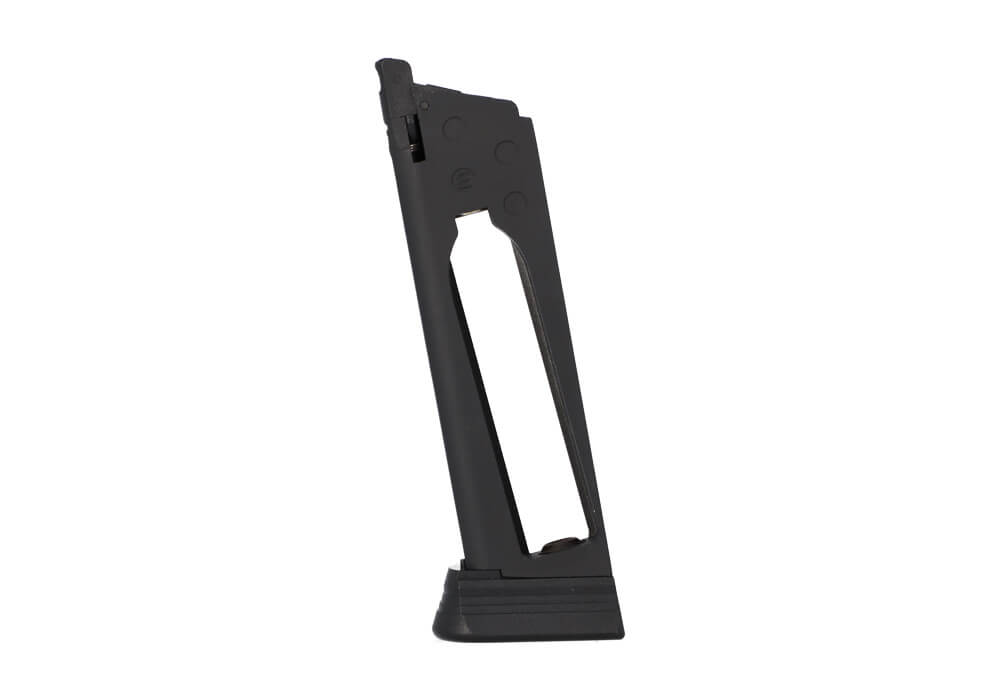
Airgun magazines for summer plinking make casual target practice more enjoyable by keeping a session moving from one shot to the next. Instead of stopping after every magazine to refill, shooters can prepare several spares before heading outside and spend more time focusing on steady aim, trigger control, and the satisfying rhythm of hitting a paper target, steel spinner, or approved backyard plinking target. Spare magazines are useful for many types of airguns, including CO2 pistols, multi-shot rifles, and PCP platforms, but compatibility is essential. Before choosing an extra magazine, confirm the exact airgun model, magazine style, ammunition type, and feeding system. Some airguns use rotary magazines that hold pellets in individual chambers, while others accept stick-style or drop-out magazines designed for BBs or pellets. A magazine intended for one platform may look similar to another and still fail to index, lock into place, or feed correctly. Checking the owner’s manual and the manufacturer’s specifications helps ensure the replacement matches the airgun’s dimensions and operating system. It is also important to distinguish between a BB magazine and a pellet magazine. Steel BBs and lead pellets are not interchangeable, and placing the wrong ammunition in a magazine can deform pellets, interrupt feeding, or create a safety issue. For smooth summer target sessions, keep ammunition sorted in clearly marked containers and load only the type recommended for the airgun. Standard-capacity magazines can be a practical choice for relaxed practice, while extended-capacity options may reduce interruptions during longer sessions when the platform is designed to accept them. A small collection of compatible magazines can be especially helpful when several people are taking turns, since each person can begin with a loaded magazine rather than waiting beside the shooting bench.
The best setup for summer plinking is usually simple, organized, and easy to maintain. Preloading two, three, or more spare magazines indoors can limit downtime once the shooting session begins, particularly when the air is warm and everyone is eager to get started. Load carefully over a table or tray so dropped pellets are easy to find, and avoid forcing ammunition into a chamber that does not align naturally. Rotary magazines should be filled in the correct direction, with each pellet seated consistently and the skirt protected from damage. Stick magazines and drop-out magazines should be checked for smooth follower movement and a secure lockup before use. When shooting a CO2 air pistol, remember that repeated firing can cool the cartridge and affect velocity, so allowing the airgun to rest between magazines may help maintain more consistent performance. PCP airguns should be monitored according to the operating instructions, with attention to the recommended fill pressure and safe handling procedures. Magazines deserve the same care as any other airgun accessory. Look for cracked housing, bent feed lips, loose retaining parts, or pellets that sit unevenly. Examine O-rings and other seals for wear, and use only the lubricant specified for the airgun or magazine. Silicone-based products are commonly recommended for certain seals, but petroleum-based oils can damage some components and should not be used unless the manufacturer specifically allows them. A light application is generally preferable to excess lubricant, which can attract dust and interfere with reliable operation. During warmer weather, keep loaded magazines and spare CO2 cartridges out of direct sunlight, and avoid leaving them in a hot vehicle. A shaded range bag or small case keeps ammunition, magazines, eye protection, and targets together while helping prevent dirt from entering the feed mechanism. As temperatures become cooler, storing magazines clean and dry remains just as important; condensation, damp grass, and autumn debris can cause corrosion or make small moving parts sluggish.
Airgun magazines can also be a thoughtful gift for someone who already enjoys recreational shooting, especially when the recipient has a favorite air pistol or rifle and spends afternoons practicing in a backyard, at an indoor range, or on private property where airgun use is permitted. A spare magazine is practical without requiring the guesswork involved in choosing a new airgun, and it can make a familiar setup feel more complete. For a new shooter, an extra magazine may encourage good range habits by making it easier to prepare ammunition before stepping up to the firing line, though all shooting should take place under appropriate supervision and in a safe area with a reliable backstop. When selecting a gift, identify the exact model rather than relying on appearance alone. Details such as generation, caliber, magazine orientation, and CO2 or PCP operation can determine whether an accessory is suitable. For personal use, consider the kind of plinking session you enjoy most. A few standard magazines may be ideal for slow, deliberate practice, while additional or extended-capacity magazines can be convenient for informal target games, group outings, or sessions where walking back and forth to the loading table would interrupt the fun. Keep magazines separate from loose ammunition during transport, and store them unloaded unless the airgun’s instructions specifically state otherwise. Before every outing, verify that the magazine is seated correctly, the airgun is in safe working order, and the shooting area is clear of people, pets, roads, and property that could be damaged. With compatible magazines, properly sorted ammunition, a maintained airgun, and a little preparation, summer plinking can remain relaxed and rewarding through warm afternoons and into the cooler months. For shooters using CO2-powered pistols, explore CO2 Air Pistol Magazines for Summer when organizing a dependable setup for recreational practice.