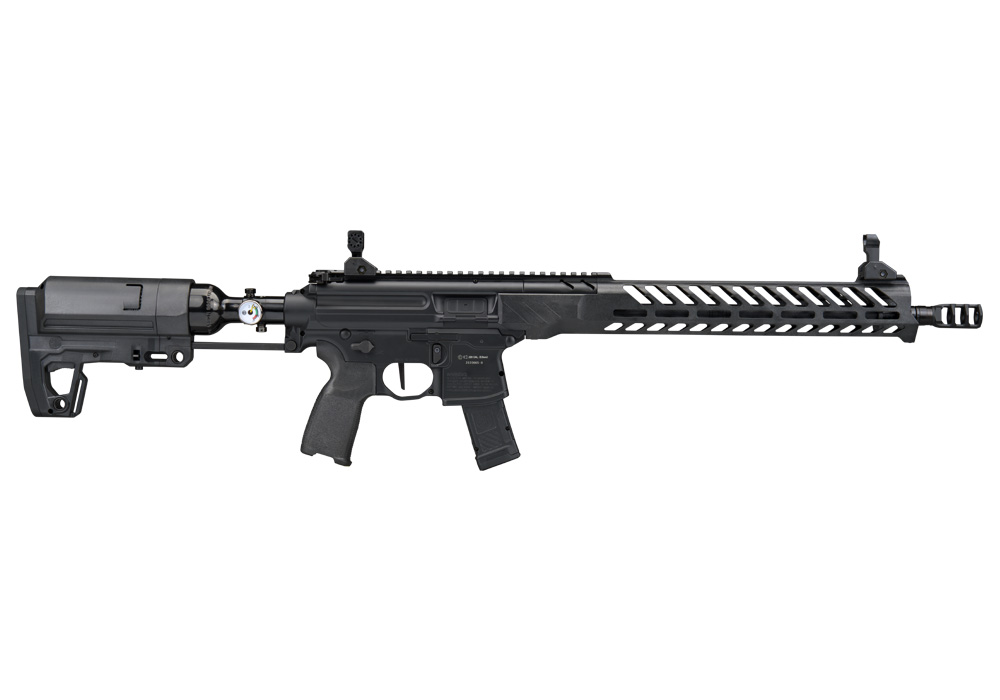
Air rifles for adult shooters span casual target rifles, precision-oriented platforms, and familiar sporting configurations with full-size stocks and controls. Their appeal often comes from the experience itself: settling into a comfortable position, bringing the sights onto a paper bullseye, and watching a consistent group take shape. Adult air rifles can support recreational plinking, dedicated airgun competition, and practice with fundamentals such as sight alignment, breathing, and trigger control. The power system shapes much of that experience. Spring-piston rifles use a compressed spring to drive a piston, while gas-piston designs use a sealed gas strut for a similar purpose. Both are generally self-contained, although the effort needed to cock them varies considerably. Some use a break-barrel action; others use a separate cocking lever. Precharged pneumatic, or PCP, air rifles store compressed air in an onboard reservoir and require compatible filling equipment. These systems typically produce little felt recoil, and some incorporate regulators to help maintain consistent operating pressure across a series of shots. CO2-powered air rifles use compatible cartridges or cylinders and often appeal to shooters who enjoy convenient operation and familiar handling. Power source alone does not establish accuracy, sound level, or suitability for a particular setting. Barrel quality, ammunition compatibility, trigger characteristics, and the shooter’s consistency all contribute to the result. Published velocity figures also need context because projectile weight and testing conditions affect them; the highest advertised speed is not automatically the best match for deliberate paper-target work. For many adults, a comfortable rifle with predictable behavior is more rewarding than one selected primarily for a headline number. A relaxed session at an approved range may favor easy handling and simple loading, while structured target practice may place greater emphasis on stock adjustment, sight quality, and consistency from one shot to the next. Understanding those differences gives the category useful context without treating every air rifle as interchangeable.
Fit becomes especially noticeable when a rifle stays on target for more than a few seconds. Stock length, grip shape, cheek support, and overall balance influence whether an adult shooter can hold a natural position without stretching toward the trigger or craning the neck behind the sights. A rifle that feels comfortable at a bench may feel quite different when held standing, particularly if much of its weight sits toward the muzzle. Adjustable cheekpieces and buttstocks can accommodate different builds and sight heights, while a fixed stock can offer straightforward, repeatable positioning when its dimensions suit the shooter. Materials bring their own practical distinctions. Synthetic stocks generally resist routine scuffs and are easy to wipe clean, while wood stocks offer a traditional feel and benefit from care appropriate to their finish. Metal construction can add a substantial feel, although weight alone does not establish durability. Secure fasteners, well-fitted components, protected metal surfaces, and suitable seals all matter over the life of an air rifle. Sighting arrangements deserve the same attention as the stock. Open sights provide a direct, uncomplicated sight picture, while compatible optics can make smaller targets easier to see. Spring-piston and gas-piston actions have a distinctive recoil cycle, so any mounted optic and its hardware need an appropriate airgun rating rather than an assumption that equipment intended for another platform will be suitable. Ammunition compatibility is equally important: pellets and steel BBs are not interchangeable unless the rifle manufacturer explicitly permits both, and the correct caliber is essential. Routine care is usually less about frequent intervention than about following the owner’s manual. Appropriate exterior cleaning, inspection of accessible seals and fasteners, and manufacturer-approved lubrication help protect function without unnecessary disassembly. Compressed-air systems also bring specific filling, inspection, and storage requirements. Correctly rated equipment and adherence to the stated pressure limit are essential parts of ownership, not optional accessories to the shooting experience.
Intended use gives these details a practical purpose. Someone enjoying measured shots at paper targets may value a clear sight picture and an easy-to-manage shooting cycle, while a recreational shooter moving between approved target stations may prefer lighter weight and uncomplicated controls. An experienced firearm owner may appreciate an air rifle with a familiar stock layout, but the similarities do not make its operation identical; loading procedures, safety mechanisms, and maintenance requirements remain specific to the platform. For shared sessions, comfort and ease of operation matter more than an imposing appearance or a demanding cocking stroke. Households comparing options for supervised recreation can also explore Air Rifles For Family Shooting Practice for a related perspective on shared shooting activities. An air rifle can be a thoughtful gift for an adult who already enjoys target sports, provided the recipient’s experience, physical fit, lawful access to a suitable shooting location, and willingness to maintain the equipment are understood beforehand. Ownership involves more than the rifle itself. Appropriate eye protection, compatible ammunition, secure storage, and a backstop rated for the rifle and projectile are part of a responsible setup. Neither a quieter report nor lower recoil makes an air rifle harmless, and residential property is not automatically a suitable place to shoot. Local rules, range requirements, surrounding property, and the possibility of a projectile passing through or rebounding from a target all affect where shooting is appropriate. Any pest-control or hunting use requires separate attention to applicable regulations and the suitability of the equipment for that lawful purpose. For most recreational buyers, the lasting satisfaction comes from a well-matched combination of fit, manageable operation, dependable construction, and a safe place to practice. Those qualities support the familiar rhythm of checking the target, settling behind the sights, and concentrating on the next deliberate shot.