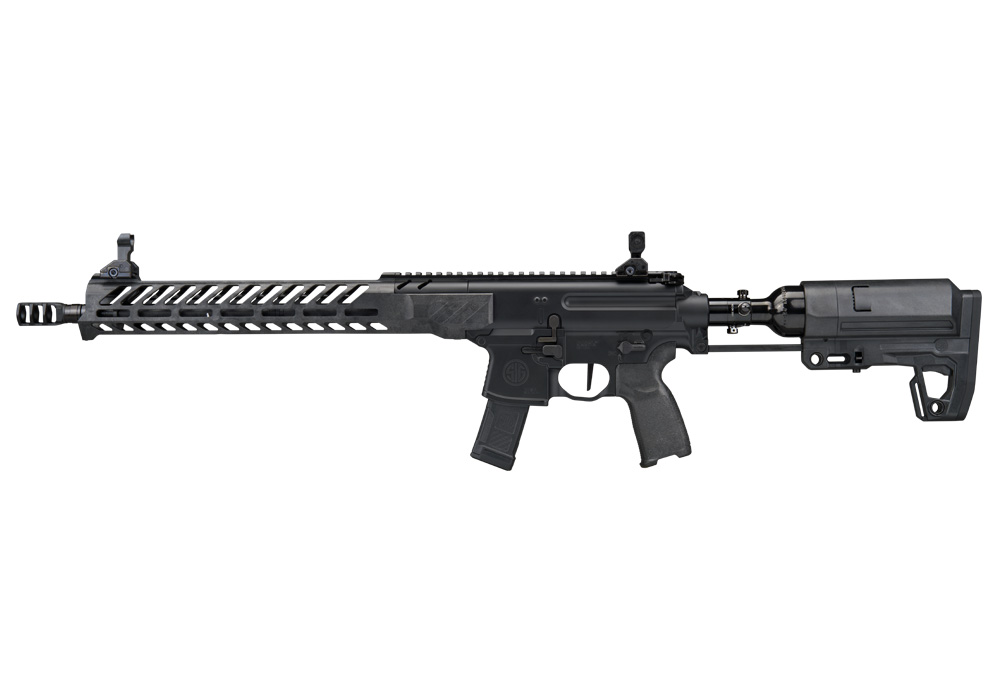
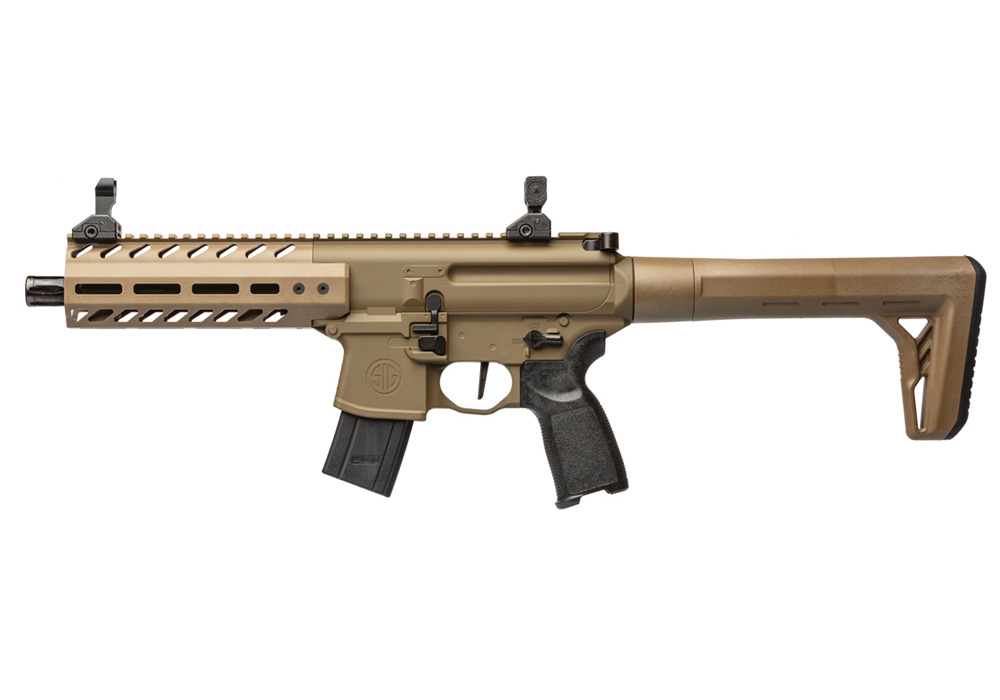
Air rifles for shooting enthusiasts offer a satisfying blend of precision, mechanical character, and approachable operation. Whether the goal is careful target practice, informal plinking, organized competition, or lawful small-game use, the right platform can turn an ordinary afternoon into a focused, rewarding session. During the warmer seasons, an air rifle can accompany a compact target setup in a suitable outdoor area, while cooler months often make an indoor range or covered bench a comfortable place to keep skills sharp. Many shooters appreciate the quiet rhythm of loading, settling behind the stock, and watching a pellet arc cleanly into the center of a paper target. For enthusiasts shopping this selection, start by considering the intended use, available shooting space, preferred level of maintenance, and local laws. A .177 caliber air rifle is a familiar choice for target work because its lighter pellets and relatively flat trajectory make it well suited to paper targets, plinking, and formal 10-meter-style practice. Shooters interested in more energy for outdoor applications may prefer .22 or .25 caliber, which generally offer heavier projectiles and greater impact while requiring more attention to range, trajectory, and backstop design. Larger calibers, including .30 caliber and beyond, are specialized options for experienced users who understand their increased energy, air consumption, projectile selection, and legal limitations. Every caliber deserves the same disciplined handling: treat the air rifle as loaded, keep the muzzle pointed in a safe direction, use an appropriate backstop, wear eye protection, and confirm that everyone nearby understands the firing line rules.
The action and power system also shape the shooting experience. Pre-charged pneumatic, or PCP, air rifles use a reservoir filled with compressed air and are valued for consistent shots, minimal felt recoil, and smooth operation. They can be an excellent fit for enthusiasts who enjoy tuning a setup, shooting multiple groups from a bench, or refining accuracy with optics and carefully selected pellets. PCP systems do require an appropriate air source, such as a hand pump, compressor, or refill cylinder, so buyers should account for the complete equipment package rather than focusing on the rifle alone. Spring-piston models offer a more self-contained experience: cock the action, load the pellet, and the powerplant is ready without a separate air reservoir. Their characteristic movement rewards a consistent, relaxed hold, and many shooters enjoy the hands-on connection that comes from mastering that technique. Gas-piston designs use a gas-filled strut in place of a traditional metal spring and may provide smooth cocking, reduced vibration, and dependable performance across changing temperatures. Multi-shot mechanisms can make informal target sessions more fluid, while single-shot actions often appeal to shooters who enjoy a deliberate pace and careful shot preparation. Stock shape, length of pull, overall weight, cocking effort, safety design, and the location of the controls all matter in actual use. A rifle that feels natural against the shoulder and balances comfortably at the bench is easier to handle consistently than one selected by specifications alone. For optics, choose equipment rated for the air rifle’s action and recoil characteristics, then confirm that the mount, eye relief, and reticle suit the distances involved. Pellets vary in weight, shape, and fit, and testing a few appropriate options can reveal which combination produces the most consistent groups in a particular barrel.
Air rifles for shooting enthusiasts can also make thoughtful gifts for responsible adult shooters, new hobbyists, and families introducing supervised target practice in a safe, structured setting. The best gift is one that matches the recipient’s experience and intended use, with a secure storage solution, eye protection, targets, and a suitable backstop considered alongside the air rifle. A beginner may value a manageable spring-piston or gas-piston platform that keeps the setup straightforward, while an experienced enthusiast may appreciate the adjustability and refined consistency of a PCP system. Before purchasing for another person, verify age requirements, local regulations, transport rules, and whether the recipient has a lawful, appropriate place to shoot. An air rifle should never be treated as a toy or used in a neighborhood, public space, or other area without a clearly defined safe range and reliable backstop. For pest control or hunting, confirm that the species, season, projectile, minimum caliber, and method are legal in the applicable jurisdiction, and use only a platform with suitable performance for a clean, ethical result. On a quiet afternoon, the appeal may be as simple as a row of reactive targets, the soft movement of grass beyond the firing line, and the satisfaction of a tight group appearing one careful shot at a time. On a more technical range day, the focus may shift to chronograph readings, wind calls, pellet sorting, and repeatable bench technique. Enthusiasts looking to keep outdoor sessions comfortable as temperatures change can also explore Air Rifles For Summer Shooting while considering shade, hydration, changing light, and a stable shooting surface. Across every season, responsible storage, routine inspection, safe handling, and respect for surrounding people and property remain central to enjoying an air rifle for years to come.