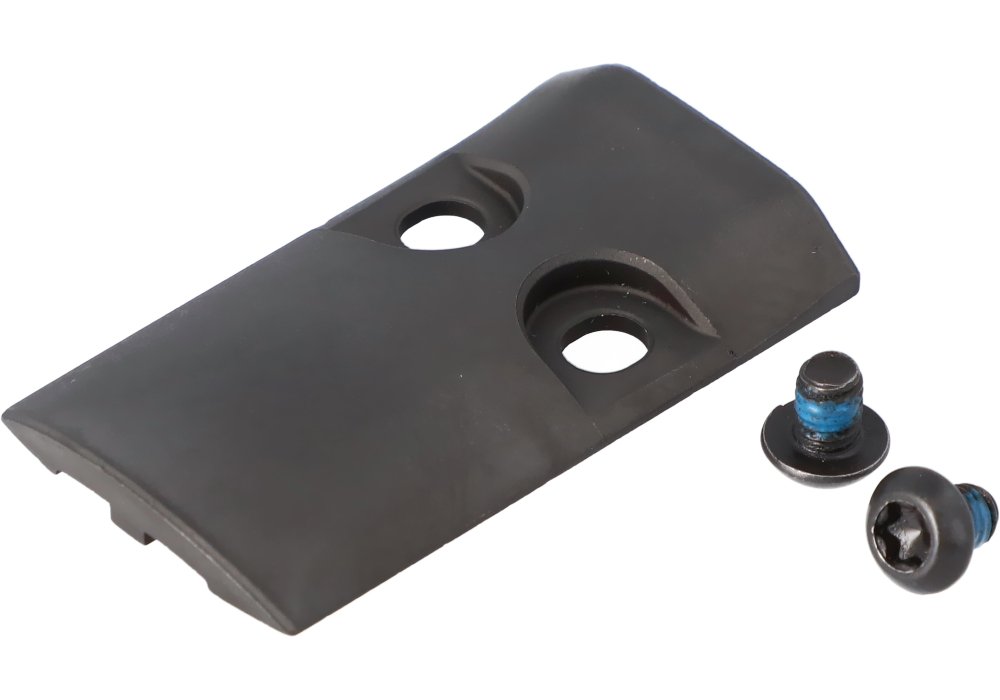
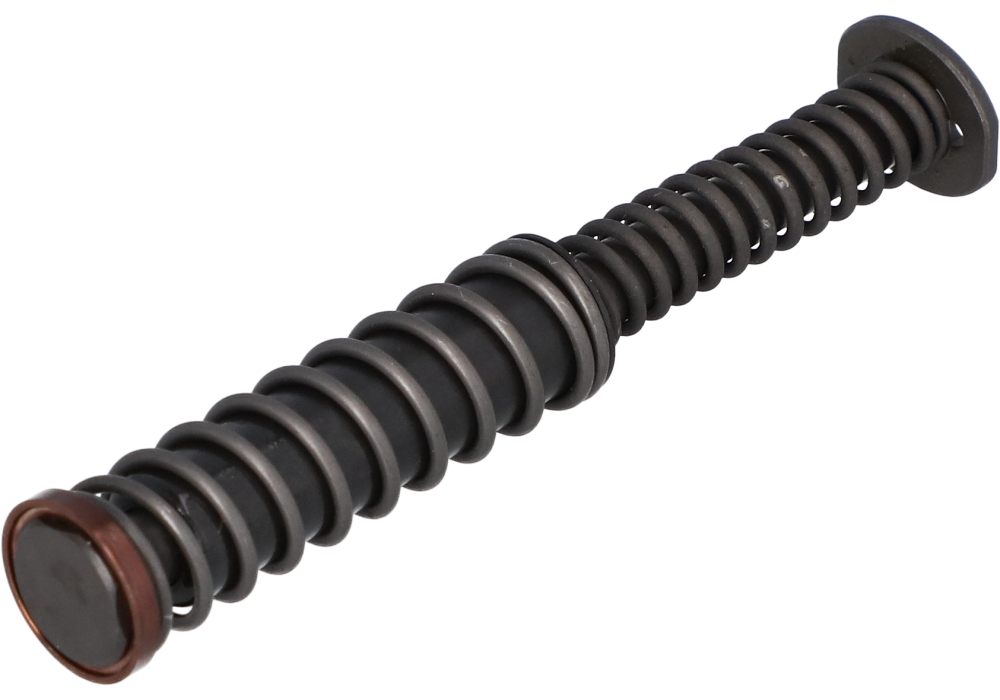
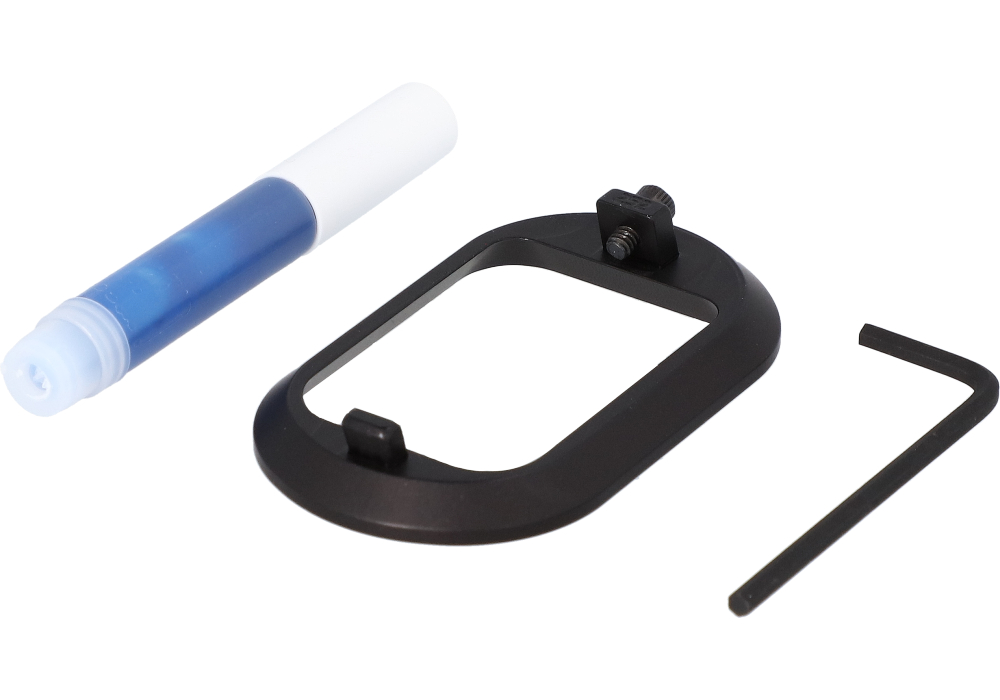
Fall shooting competitions reward preparation that begins well before the first stage timer sounds. As warmer range days give way to cooler mornings, competitors in USPSA, IDPA, 3-Gun, and other practical shooting disciplines often review the parts that influence control, reliability, and efficient manipulation. Firearm parts selected for competition should match the platform, division rules, ammunition, and individual shooting style rather than being chosen solely for appearance. A crisp trigger can provide a more predictable break and a shorter, cleaner reset, while a properly fitted muzzle compensator or brake may help manage muzzle rise and keep sights or an optic closer to the target during rapid strings. Replacement recoil, striker, hammer, and magazine springs are also worth considering when an older firearm has seen substantial use. Springs gradually lose consistency, and fresh components can help support reliable ignition, feeding, and cycling when temperatures drop or a match places repeated demands on the action. Before purchasing, confirm compatibility by firearm model and generation, review the competition rulebook, and consider whether installation requires fitting or professional gunsmith service. A part that performs well on one pistol, rifle, or shotgun may not deliver the same result on another, particularly when changes affect timing, trigger pull, slide velocity, or ammunition function.
Ergonomics become especially noticeable during a long match, when gloves, damp weather, and fatigue can make small controls feel less accessible. Extended or oversized magazine releases, ambidextrous safeties, charging handles, bolt catches, and similar controls may make reloads and firearm manipulation more deliberate, but they should remain easy to operate without shifting the firing grip unnecessarily. Grip panels, backstraps, stippled modules, and other texture-enhancing components can provide a more secure hold when hands are cold or wet, while still allowing the shooter to move between positions without snagging on clothing or equipment. Magazine base pads and extensions can add protection to the magazine body, simplify handling during reloads, or provide standard or extended capacity where permitted by the match rules and local law. They should lock securely, drop free when intended, and function reliably with the magazine, ammunition, and magazine well in use. Sights and optics deserve the same careful attention. Fiber-optic front sights can remain visible in changing daylight, while a properly mounted reflex sight can support fast target acquisition when the firearm and division allow it. Check mounting hardware, witness marks, battery condition, and zero before traveling to a match, then confirm that the finished setup still fits the holster, magazine pouch, case, and other equipment used on the range. These parts can be practical gifts for a competitive shooter, a new participant building a dependable setup, or an experienced family member who spends cooler weekends practicing transitions and reloads. A gift certificate or carefully matched component is often more useful than a part selected without knowing the recipient’s firearm platform, preferred division, or fit requirements.
A thoughtful competition setup is built around dependable interaction between the shooter, firearm, ammunition, and replacement parts. Begin by inspecting the firearm for unusual wear, loose fasteners, damaged pins, cracked grip components, or magazines that no longer feed consistently. After any part is installed, test it in a safe and controlled setting with the ammunition intended for competition, checking feeding, extraction, reset, lockback, sight retention, and magazine function before relying on it during a match. Keep the original components until the new configuration has proved itself, and record changes so adjustments can be traced if performance shifts. Shooters moving into competition may want to start with simple improvements that address a clear need, such as a more visible sight, a better-fitting grip module, or replacement springs, while experienced competitors may focus on fine control over recoil, trigger characteristics, and reload speed. Those choosing a handgun for a seasonal match can review the broader selection of Handguns for Fall Shooting Competitions alongside compatible parts and accessories. During the cooler months, a well-prepared firearm should feel familiar rather than experimental: the grip should remain secure, controls should fall naturally beneath the hands, magazines should seat and release cleanly, and the trigger should behave consistently from the first stage to the last. Following the manufacturer’s instructions, observing all applicable laws and match requirements, and using a qualified professional for complex fitting helps keep preparation focused on safe, reliable performance.