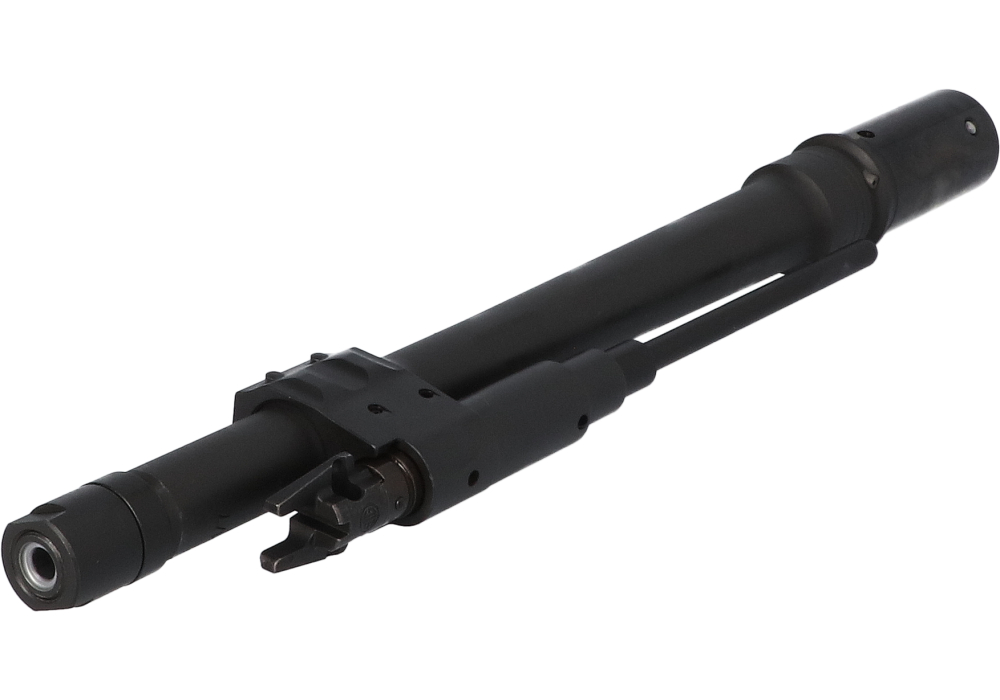
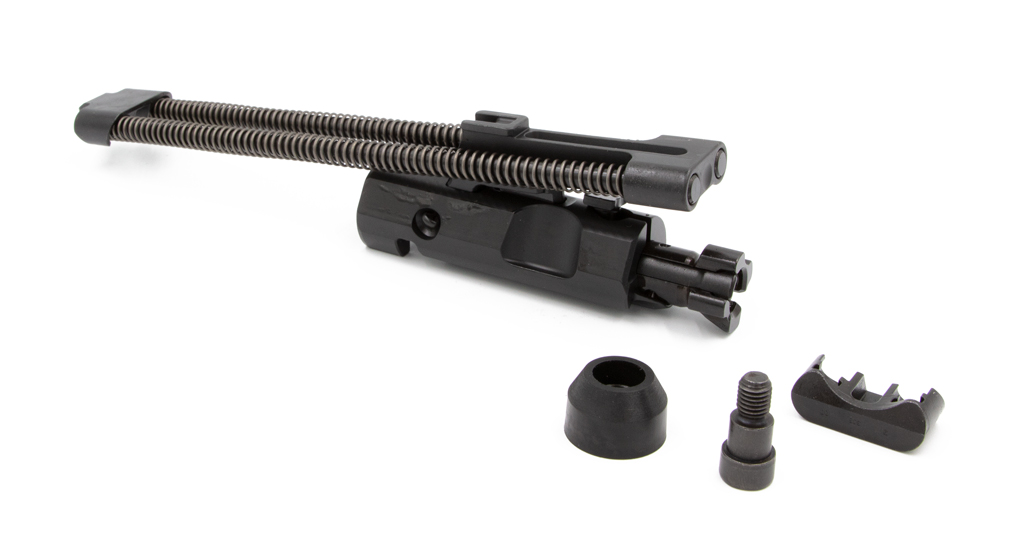
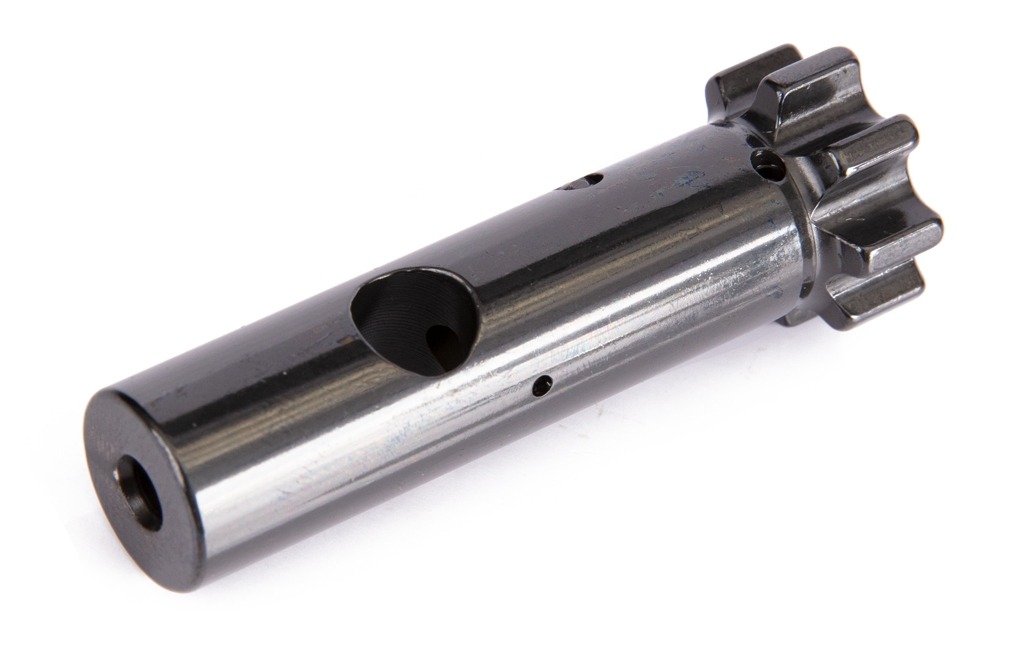
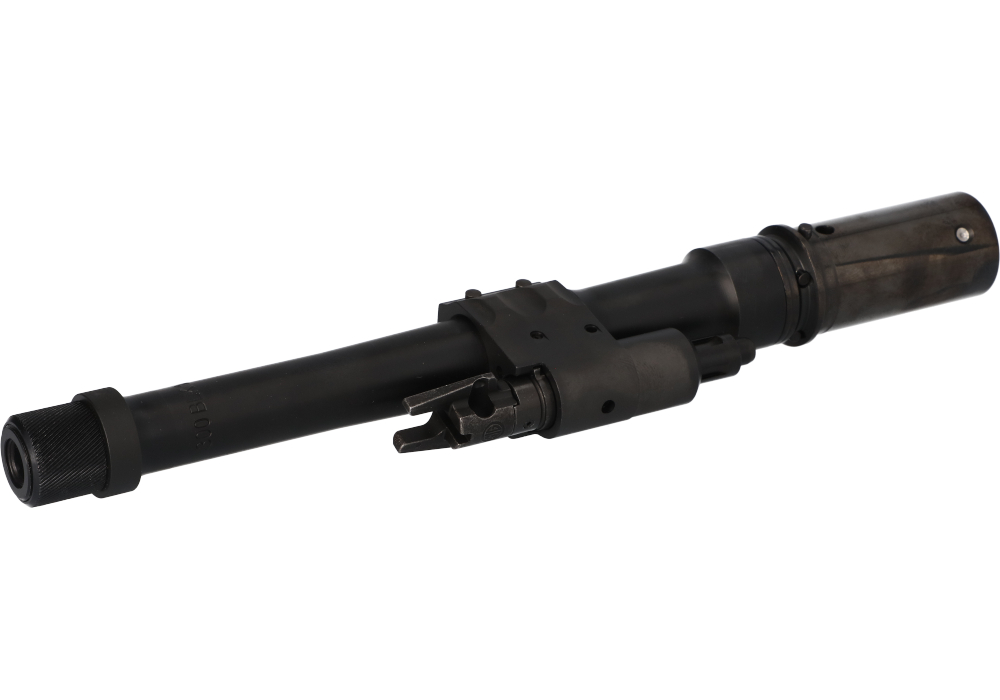
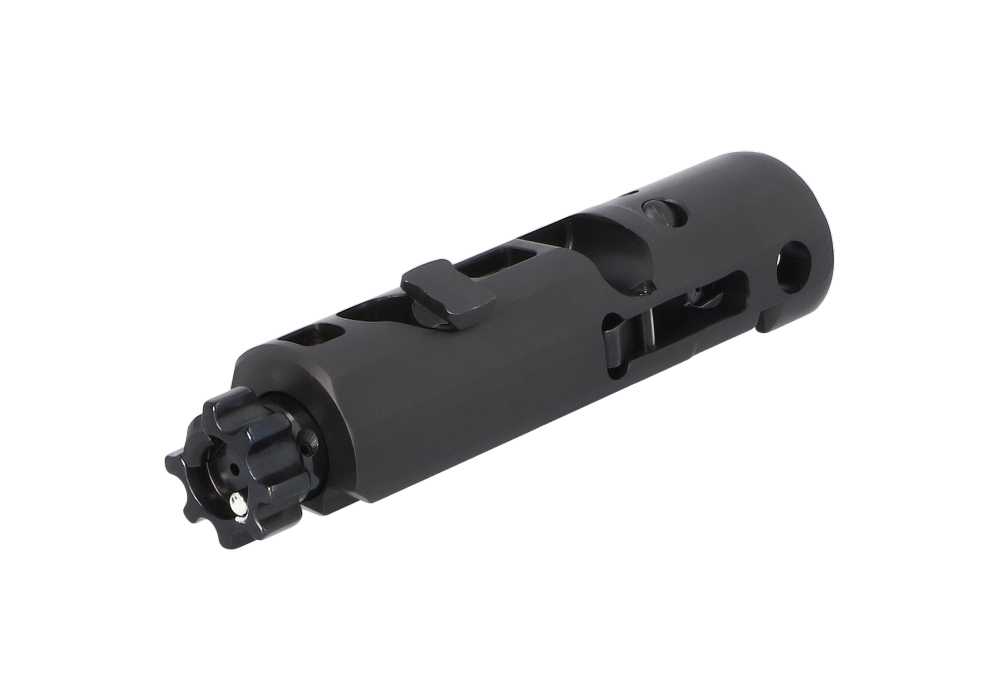
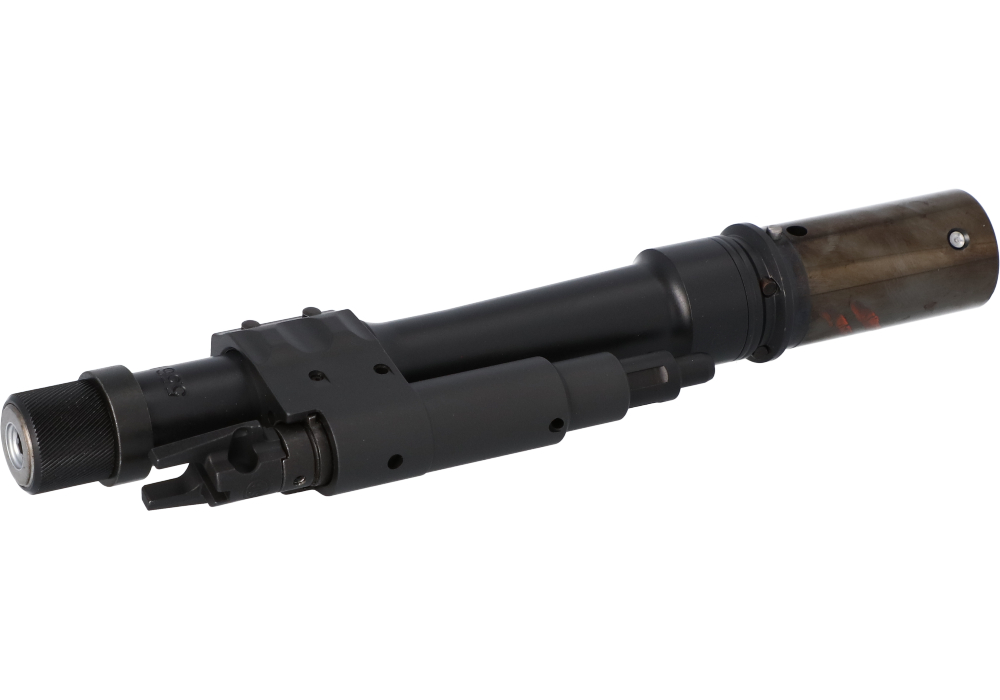
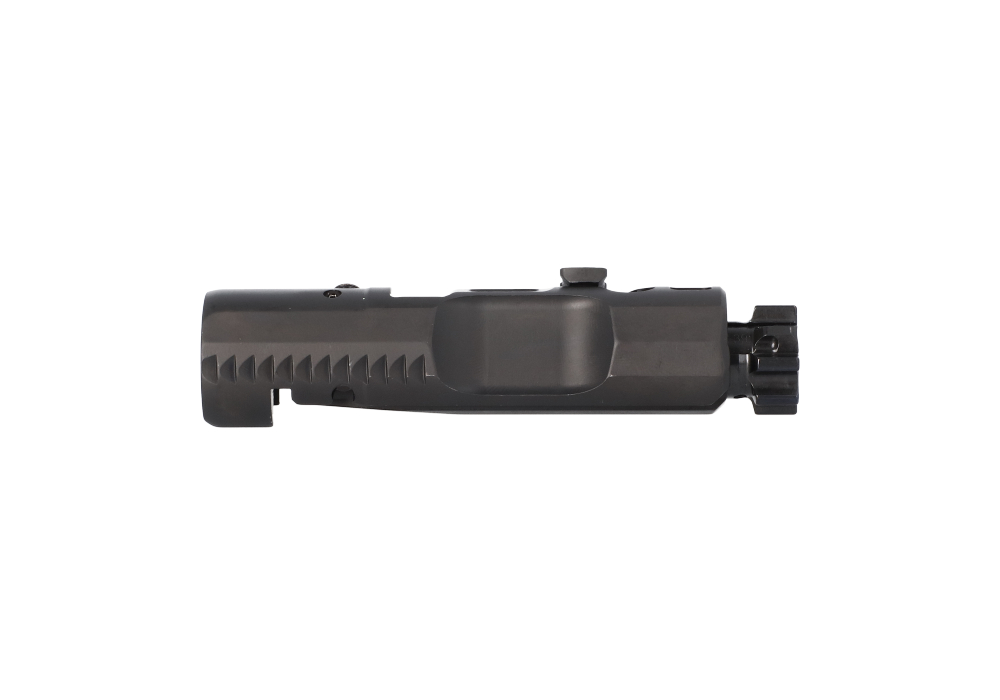
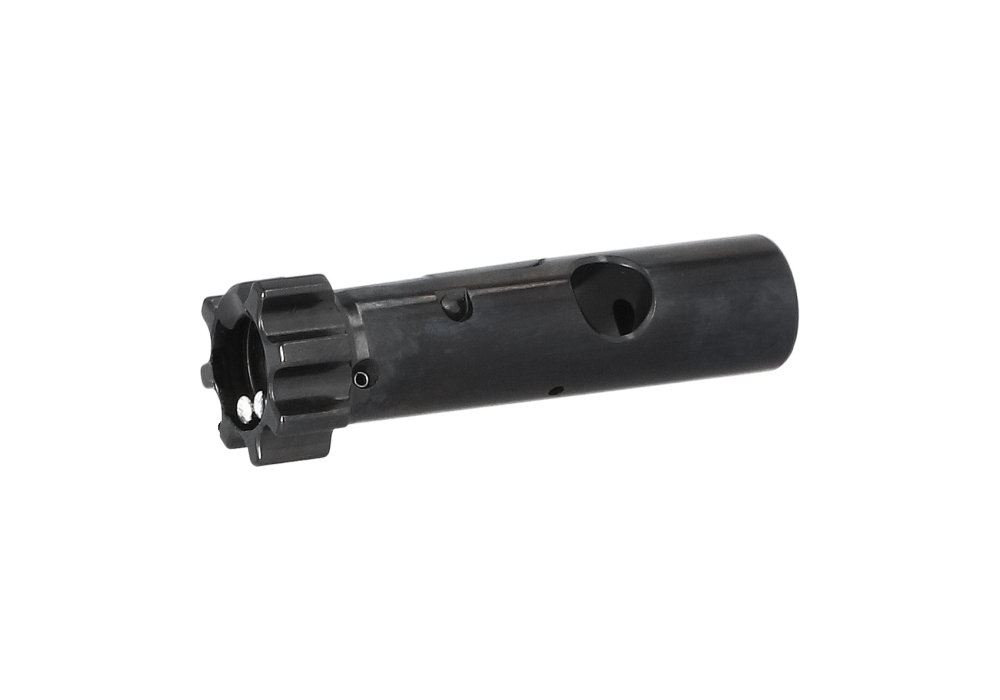
Bolt assemblies are a practical way to support reliable operation and consistent performance during fall shooting competitions, whether the match involves rimfire stages, precision rifle positions, practical rifle bays, or fast-paced multi-gun courses. The bolt is central to the firing cycle: it locks the cartridge into battery, supports extraction, ejects the fired case, and chambers the next round. A properly matched assembly can contribute to smooth cycling, dependable ignition, and predictable follow-up shots when the pace increases. Competitors often choose upgraded assemblies when preparing a rifle for repeated strings of fire, especially when a standard component has seen substantial use or when the rifle is being tuned for a particular competition format. Rimfire shooters may look for match-oriented bolts designed to cycle reliably with a broad range of .22 LR ammunition, while centerfire competitors may prioritize a robust bolt or complete carrier assembly suited to the pressures and operating demands of cartridges such as 5.56 NATO, .308 Winchester, or other compatible chamberings. Material, machining quality, heat treatment, and finish all deserve attention. High-strength steel alloys can help resist wear and micro-cracking, while smooth surface treatments such as Diamond-Like Carbon or Nickel Boron may reduce friction, limit fouling adhesion, and simplify maintenance in dusty outdoor conditions. These details matter during the cooler months, when a rifle may move between a warm vehicle, an outdoor firing line, and damp or leaf-covered ground before the final stage is complete.
Compatibility should be the first consideration before comparing coatings, weight, or appearance. Bolt assemblies are not universal, even when two rifles appear similar from the outside. Confirm the exact firearm platform, caliber, receiver pattern, barrel extension, bolt face, extractor arrangement, gas system requirements, and manufacturer specifications before placing an order. A rimfire bolt intended for one action may not function safely or correctly in another, and a centerfire assembly must match the cartridge dimensions and locking system of the rifle. For modular rifles, verify whether the selected part is intended for the complete upper assembly, a specific receiver configuration, or a particular generation of the platform. Competitors who shoot several divisions may keep separate, clearly labeled assemblies for each rifle, reducing the chance of mixing components during a busy trip to the range. It is also wise to inspect the firing pin, extractor, ejector, locking lugs, cam path, and contact surfaces before a major match. Look for clean engagement, even wear, and movement that feels controlled rather than gritty or unusually tight. Lubrication requirements vary by design and finish, so follow the applicable owner’s manual instead of assuming that more oil is always better. Excess lubricant can collect powder residue and dust, while too little can increase friction during long strings of fire. Any installation, headspace check, or fitting work that requires specialized tools should be handled by a qualified gunsmith. Before function testing, confirm that the firearm is unloaded, follow all safety procedures, and use only ammunition that is correct for the rifle and approved by the firearm manufacturer.
Bolt assemblies can suit a wide range of shooters, from a first-time competitor building confidence through local rimfire matches to an experienced precision or practical rifle competitor refining a familiar setup. A dependable assembly may be especially useful for someone who practices frequently and wants a serviceable replacement ready before a worn component interrupts a training session. It can also make a thoughtful gift for a serious shooter when the giver knows the recipient’s exact platform and caliber; in this category, accurate compatibility information is more valuable than guesswork. A match participant may use one assembly as a dedicated competition component and keep the original as a backup, while another shooter may select a replacement to restore reliable extraction and ignition after years of regular use. Pairing the assembly with a careful inspection routine and appropriate maintenance supplies can help keep preparation organized during the transition from warmer range days to cooler match conditions. Shooters who are evaluating the entire operating system may also compare related components, including Recoil Assemblies for Fall Shooting Competitions, since bolt movement, spring tension, buffer configuration, and ammunition choice work together rather than in isolation. The best selection is the one that matches the rifle’s specifications, supports the intended pace of fire, and fits the shooter’s maintenance habits. With the correct assembly installed and tested well before match day, competitors can spend more attention on stage planning, natural point of aim, smooth trigger control, and making each shot count.