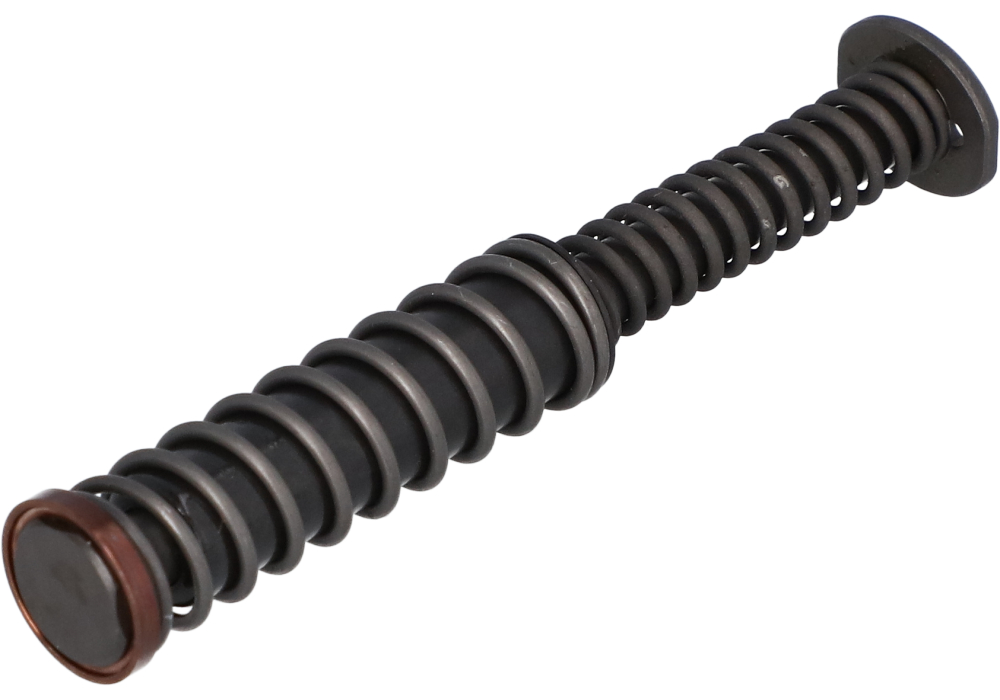
Recoil assemblies for fall shooting competitions typically combine a recoil spring with a guide rod or other supporting components to help control slide movement and support normal cycling in a compatible firearm. In many semiautomatic pistols, the spring compresses as the slide travels rearward, then supplies the force that returns it forward. That function makes the assembly an important maintenance component, whether the firearm accompanies a competitor to local matches, organized practice sessions, or a full weekend of range events. An appropriate replacement supports the firearm’s intended operation; it does not eliminate recoil or substitute for sound handling and regular maintenance. Fall competitions can involve long days outdoors, with equipment traveling between a range bag, a covered staging area, and an exposed shooting bay. Dust, windblown grit, and damp conditions make condition and care worth considering alongside fit. Materials vary by design, but spring steel is common because it can withstand repeated compression within its intended operating range. Guide rods may use metal or engineered polymer, with the choice reflecting the requirements of the firearm rather than a universal ranking of quality. A metal component is not automatically the correct replacement for a polymer one, and a heavier assembly is not automatically more durable or more suitable for competition. Dimensions, construction, surface condition, and manufacturer specifications all matter. Finishes can help protect certain components against corrosion, although no finish replaces appropriate cleaning and storage. For competitors preparing a familiar pistol for an autumn match schedule, the most useful starting point is its documented maintenance history: how much it has been used, whether service is due, and whether the existing assembly shows a condition that warrants professional inspection. For a newcomer, a correctly specified replacement can be a practical part of routine ownership without turning maintenance into a search for unverified performance claims. The goal is a component that belongs in the firearm and meets its established requirements.
Fit deserves particular attention because recoil assemblies that look similar can serve different firearm configurations. Model designation, size variant, production generation, and the manufacturer’s compatibility information are more dependable references than appearance alone. A spring and guide rod intended for one slide length may not suit another, even within the same firearm family. Product descriptions should clearly identify the intended application, while the firearm’s manual provides the baseline for acceptable replacement components and service procedures. Some assemblies retain the spring on the guide rod as a single unit; other designs use separate components. That distinction affects how the replacement is supplied and serviced, but it does not establish that one design is better for every competitor. Likewise, a listed spring rating is a specification, not a simple quality score. Choosing an alternative solely because it is described as stronger, lighter, or competition-oriented can overlook the needs of the complete operating system. Manufacturer-approved specifications and qualified professional advice are the appropriate basis for replacement decisions, particularly when a firearm has a configuration that differs from its original setup. The ammunition must also meet the firearm manufacturer’s requirements; an assembly should not be treated as a remedy for ammunition outside those requirements. The related Fall Shooting Recoil Spring Assemblies page offers another place to review this component category, with compatibility remaining the deciding consideration for any selection. Competition rules can also affect whether a replacement component is permitted in a particular division. Checking the applicable equipment rules before a purchase helps prevent the frustration of arriving at registration with a configuration that does not qualify. For someone who uses the same firearm for practice and sanctioned events, a replacement that follows the original specifications can keep maintenance straightforward. Clear application details, readable documentation, and a known service history are more useful than broad promises about speed or recoil reduction. Questions about fit, unusual wear, or operation belong with the manufacturer or a qualified gunsmith rather than being resolved through trial-and-error substitutions.
Care and durability matter well beyond a single match. A recoil assembly experiences repeated mechanical stress, and its service life depends on the design, use, operating conditions, and maintenance requirements of the firearm. There is no single replacement interval that applies to every assembly. The manufacturer’s schedule, together with professional evaluation when needed, is a better reference than a calendar reminder borrowed from another model. Outdoor fall events introduce familiar maintenance concerns: fine dust along a range bench, moisture on equipment after a misty morning, or debris carried into a bag from the ground. Cleaning and lubrication should follow the firearm’s instructions, including any guidance specific to the recoil assembly. Extra lubricant is not inherently extra protection, and inappropriate cleaners or tools can affect components or finishes. Maintenance should take place with the firearm unloaded and ammunition kept separate, following the prescribed safety procedures. Visible corrosion, deformation, damage, or an unexplained change in operation calls for attention before further use. A qualified gunsmith can assess whether the assembly is the source of a problem or whether another part of the firearm requires service. Between events, clean, dry storage helps protect both installed components and properly packaged replacements. Keeping an assembly identified with its intended firearm prevents confusion when several similar-looking components share a storage case. Retaining the packaging or compatibility documentation can be especially helpful when maintenance occurs well after the purchase. For frequent competitors, organized records of inspections and service make preparation less dependent on memory. For occasional participants, the same habits keep a practice pistol from sitting unnoticed through long stretches between range visits. Recoil assemblies can also be useful gifts for an established shooting-sports enthusiast when the exact firearm configuration and approved replacement specification are known. Without that information, appearance alone is not enough to select a suitable component. Across experience levels, the lasting value lies in correct fit, sound materials, appropriate care, and a clear understanding of intended use—practical qualities that remain relevant from fall competition weekends through later practice sessions and routine maintenance.