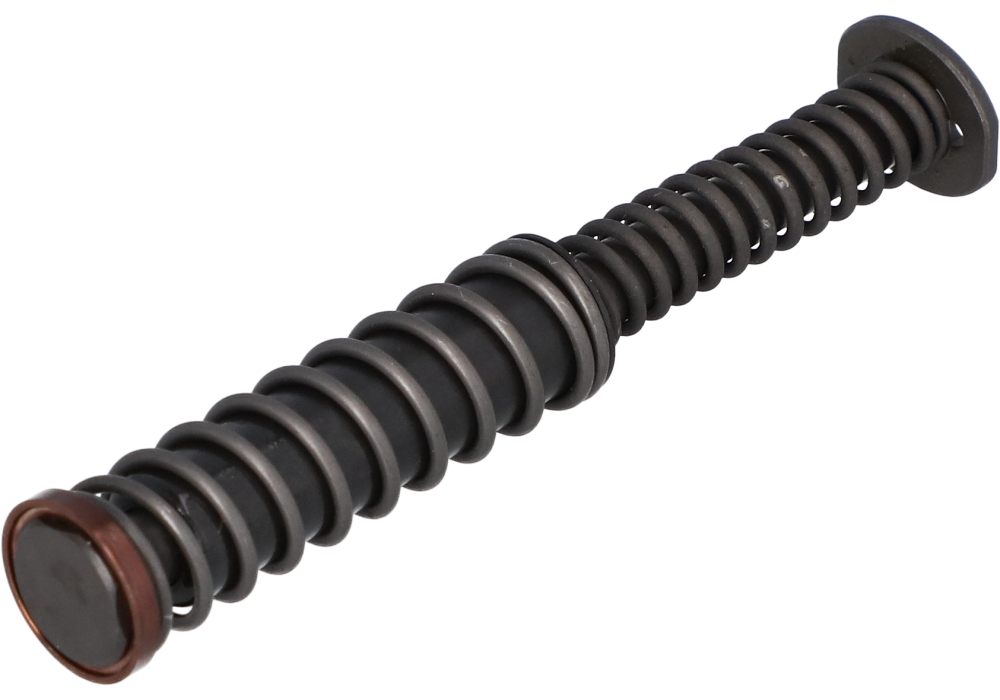
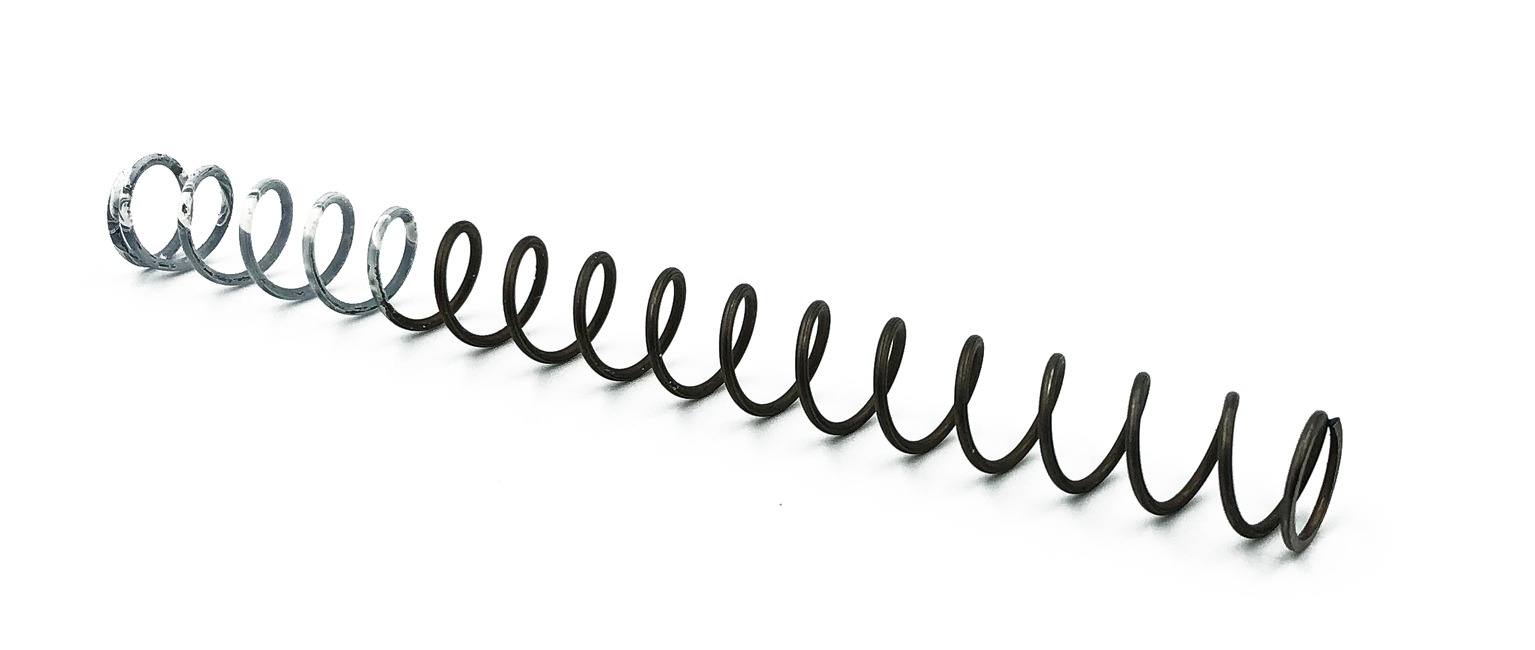
Fall shooting recoil spring assemblies are a practical consideration for anyone preparing a handgun for regular range use, training, competition, or seasonal field carry. A recoil spring assembly works behind the scenes each time a firearm is fired, absorbing and managing rearward energy as the slide or bolt moves back, then storing enough energy to return the action forward and into battery. That controlled movement helps support reliable cycling, consistent feeding, predictable brass ejection, and reduced impact on the frame and other working parts. As the weather warms and later gives way to cooler months, many shooters revisit the equipment they use most often, especially before extended range sessions or a change in ammunition. A replacement or spare assembly can be a sensible addition to a maintenance kit, whether it is intended for a dedicated practice firearm, a carry setup, or a range bag kept ready for weekend training. The Autumn Firearm Recoil Spring Assemblies collection offers a convenient starting point for comparing compatible options by firearm configuration and intended use. Compatibility should always come first: verify the exact firearm model, caliber, generation, guide rod arrangement, and manufacturer specifications before ordering. Some assemblies are captured, keeping the spring secured on the guide rod for straightforward handling and installation, while other systems are non-captured and may allow more flexibility for users who tune spring weight for a particular load or shooting application. A captured design can be especially convenient for routine replacement, travel, or keeping a ready spare, while a tunable setup may appeal to experienced shooters who carefully match their equipment to ammunition and training goals.
Spring weight is an important part of that decision. A heavier spring can help manage the sharper impulse of higher-pressure loads and slow rearward slide movement, potentially reducing harsh frame impact when the combination is properly matched. A spring that is too heavy, however, may prevent reliable cycling with lighter practice ammunition, cause short-stroking, or keep the slide from locking back after the last round. A lighter spring may make a firearm feel softer with reduced-power or competition-oriented loads, but an unsuitable light spring can allow excessive slide velocity, increase battering, or create feeding and reliability concerns. The most dependable approach is to use the weight and assembly specified for the firearm and ammunition combination, then make changes only with a clear understanding of the manufacturer’s guidance and the results observed during controlled testing. Ammunition, bullet weight, grip technique, temperature, lubrication, and the condition of the firearm can all influence how a recoil system behaves. When inspecting a replacement assembly, look for a spring that is kinked, crushed, unevenly worn, or noticeably shorter than expected, along with a guide rod showing burrs, peening, or unusual contact marks. Many shooters replace factory pistol recoil springs as part of a regular maintenance schedule, often around a few thousand rounds, though the correct interval varies with the firearm, ammunition, use, and manufacturer recommendations. A spring should also receive attention when ejection becomes inconsistent, the slide fails to return fully forward, the firearm develops unusual felt recoil, or the action begins cycling differently from its established pattern. Keep the firearm unloaded while inspecting or installing the assembly, remove the magazine, check the chamber visually and physically, and follow the owner’s manual for field-stripping and reassembly procedures.
These assemblies can be useful for a broad range of shooters. A new firearm owner may appreciate having a properly matched replacement on hand while learning a maintenance routine; an experienced range regular may want a spare in a tool kit before a long training day; and a competitive shooter may select an assembly as part of a carefully documented setup for a particular load. They can also make a thoughtful gift for a responsible shooter who already has the essential equipment but values dependable upkeep, although the giver should confirm compatibility rather than guessing from appearance. After installation, function checks should be performed exactly as directed by the firearm’s manual, followed by live-fire testing in a safe, controlled environment using the ammunition for which the assembly was selected. Pay attention to complete return to battery, consistent feeding, reliable last-round slide lock, and a repeatable ejection pattern. Brass that dribbles weakly nearby or ejects with unusual force can indicate that the spring, ammunition, or another part of the system deserves inspection; ejection distance is only one observation and should not replace professional evaluation when reliability is in doubt. A simple unloaded check can also reveal whether the slide moves smoothly and returns fully forward without hesitation, but any resistance, binding, or failure to close should be treated seriously. During cooler months, a clean, lightly lubricated firearm and a recoil spring assembly in good condition can help maintain familiar handling as range conditions change, while proper storage away from moisture, grit, and unnecessary compression helps protect spare components between uses. Choosing the right assembly is less about adding a performance part for its own sake and more about preserving the balanced relationship between recoil energy, slide velocity, ammunition, and the firearm’s operating design.