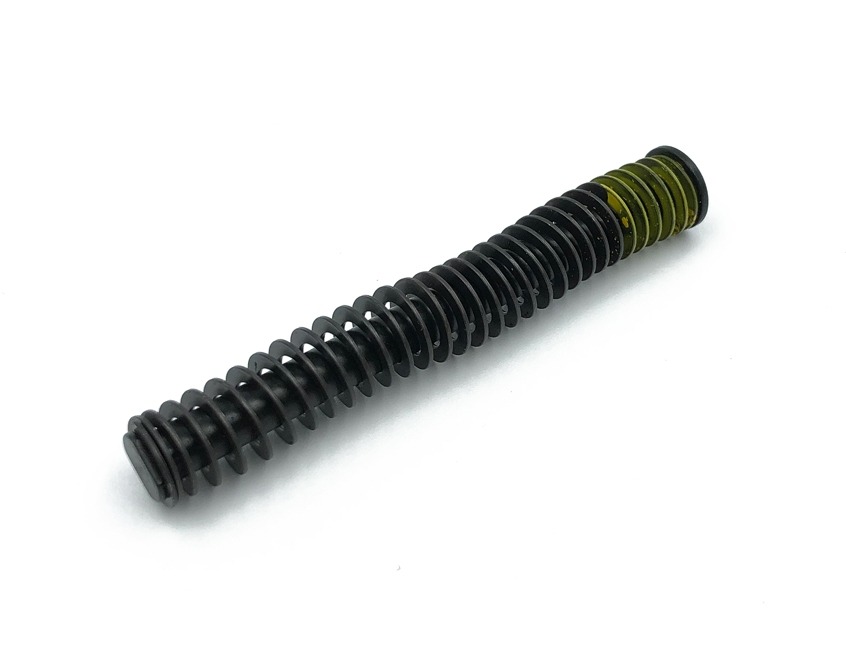
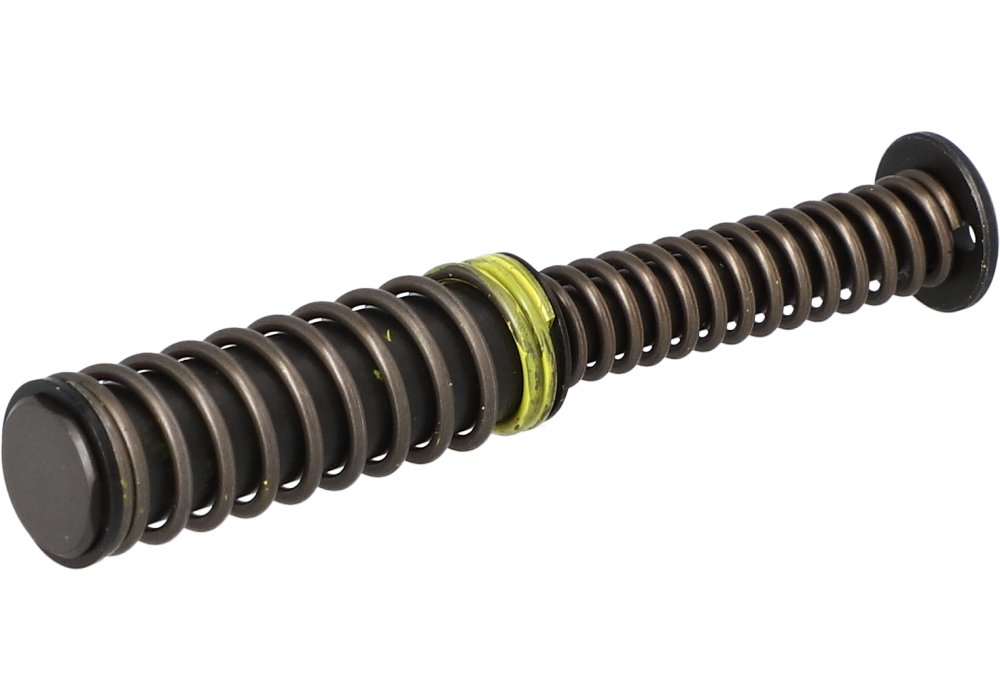
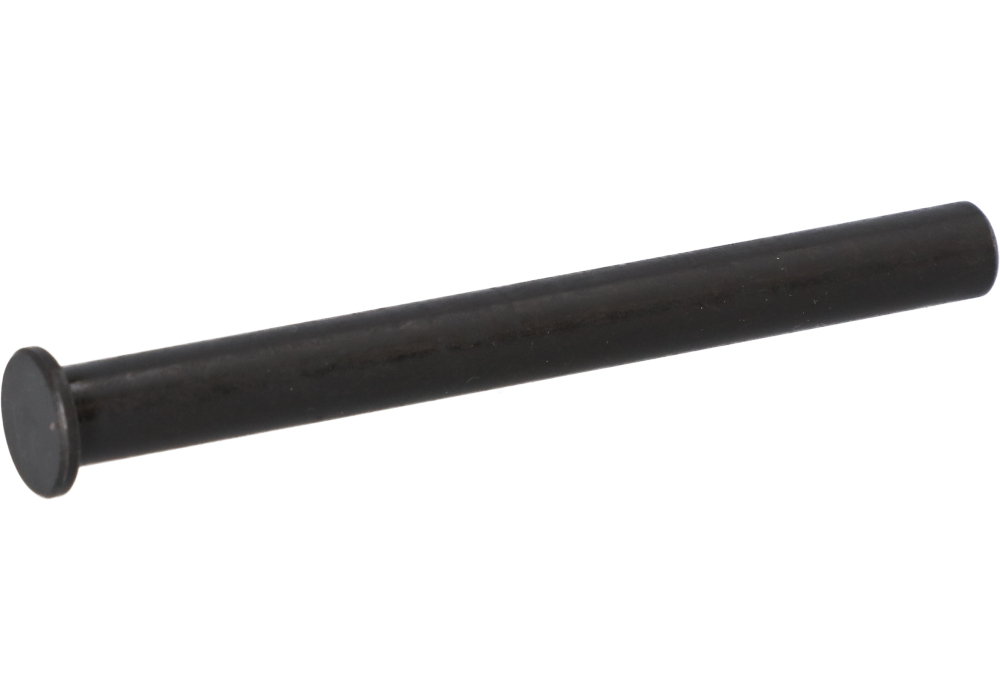
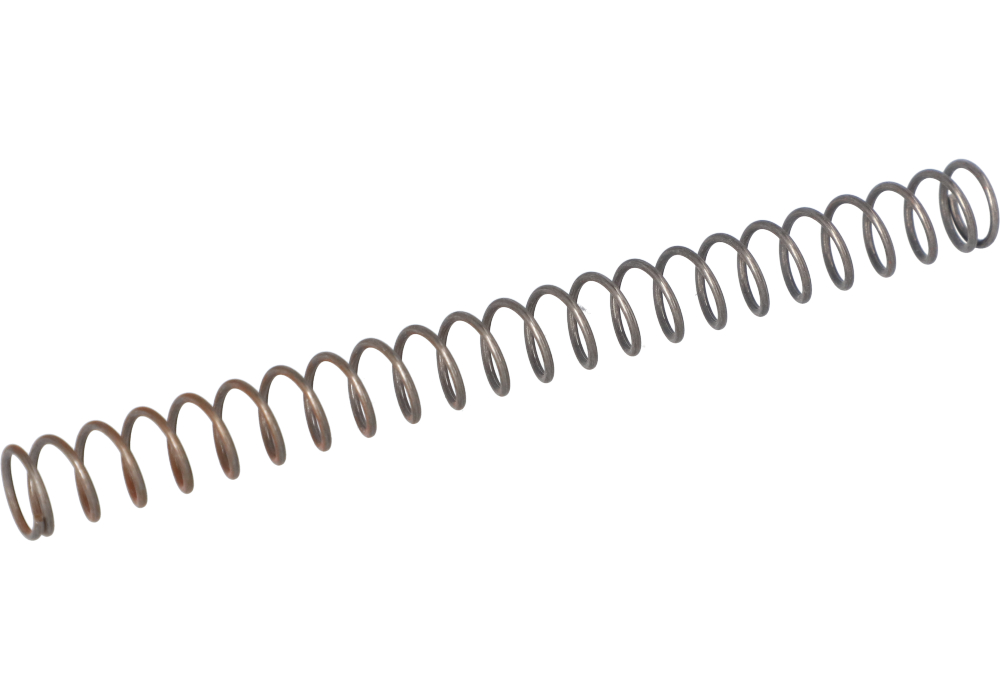
Factory recoil assemblies are replacement components designed to restore the original recoil system of a compatible firearm. In most configurations, the assembly includes a recoil spring and guide rod, with the spring controlling how the slide or bolt moves after a cartridge is fired. When ignition drives the slide rearward, the recoil spring absorbs and manages part of that energy before returning the slide forward to the battery position. That sequence helps the firearm extract and eject the spent casing, feed the next round, and lock up consistently for the following shot. Because the spring rate and guide rod dimensions are selected for the firearm’s operating specifications, a factory recoil assembly is often a practical choice for owners who value dependable function and straightforward compatibility. A worn spring can allow the slide to move with excessive speed, increase felt impact at the rear of its travel, or contribute to inconsistent feeding and ejection. A spring that has weakened over time may also change the way the firearm feels in the hand, especially during extended practice sessions when small changes in cycling become easier to notice. Replacing the complete assembly rather than mixing individual components can simplify maintenance and help preserve the balance intended by the original design. These parts are commonly selected by range shooters, instructors, competitors, personal-defense users, and anyone who keeps a firearm in regular service. They may also be a thoughtful gift for an experienced firearm owner, particularly when the recipient has identified the exact model and configuration that requires service. Since recoil components are not universal, fitment should always be confirmed by firearm model, caliber, generation, barrel length, and other specifications listed by the manufacturer or in the owner’s manual.
The service life of a recoil spring depends on the firearm, ammunition, firing schedule, storage conditions, and the way the firearm is maintained. Many factory springs are commonly evaluated for replacement in the range of approximately 3,000 to 5,000 rounds, although the correct interval can vary and the manufacturer’s recommendations should take priority. A firearm used for frequent training may reach that round count sooner than one used only occasionally, while a defensive firearm may warrant a conservative inspection schedule even when it has seen relatively few rounds. Keeping a simple round-count record can make replacement planning easier, and a visual inspection during routine cleaning can reveal signs of concern such as a bent guide rod, damaged spring coils, unusual wear, or a spring that no longer maintains its expected tension. Changes in ejection distance, sluggish return to battery, failures to feed, or a sharper-than-usual impact during cycling can also indicate that the recoil system deserves attention, though those symptoms may have other causes and should not be treated as a diagnosis by themselves. Before handling or installing any recoil assembly, unload the firearm completely, remove all ammunition from the work area, and verify the chamber, magazine well, and action according to the owner’s manual. Installation procedures differ by platform, and spring tension can make disassembly or reassembly hazardous when handled carelessly. Anyone who is uncertain about the correct procedure should use a qualified gunsmith or other properly trained professional. After installation, function checks should be performed exactly as directed by the manufacturer, followed by controlled live-fire testing at a suitable range. This approach provides an opportunity to confirm reliable cycling before the firearm is returned to regular training, competition, or defensive use.
Selecting the right factory recoil assembly begins with precise identification rather than appearance alone. Two assemblies can look similar while using different spring weights, guide rod lengths, end caps, or mounting arrangements, and even small differences may affect safe and reliable operation. Check the complete firearm designation, caliber, generation or production variation, and any configuration details that influence the recoil system. If the firearm has been modified with a different slide, barrel, compensator, or other operating component, factory specifications may no longer provide a complete picture of the correct setup; professional guidance is especially valuable in that situation. Factory recoil assemblies are generally chosen when the goal is to return a well-used firearm to its established operating characteristics, maintain a spare for scheduled service, or keep essential replacement parts available before a spring becomes visibly worn. A spare can be useful in a range bag or maintenance kit, provided it is stored in a clean, dry place and clearly identified for the correct firearm. Owners who are exploring different configurations may also review Aftermarket Recoil Assemblies For Carbines, while recognizing that adjustable or platform-specific components should never be substituted without confirming compatibility and operating requirements. During warmer outdoor sessions or the cooler months when range time moves indoors, a properly matched recoil assembly supports consistent handling and predictable cycling. It is a small component with an important role: managing slide energy, helping the action return to battery, and reducing unnecessary stress on related parts. Choosing a genuine factory-specification replacement, maintaining it on a sensible schedule, and confirming fitment before purchase can help keep routine practice smooth and the firearm ready for its intended use.