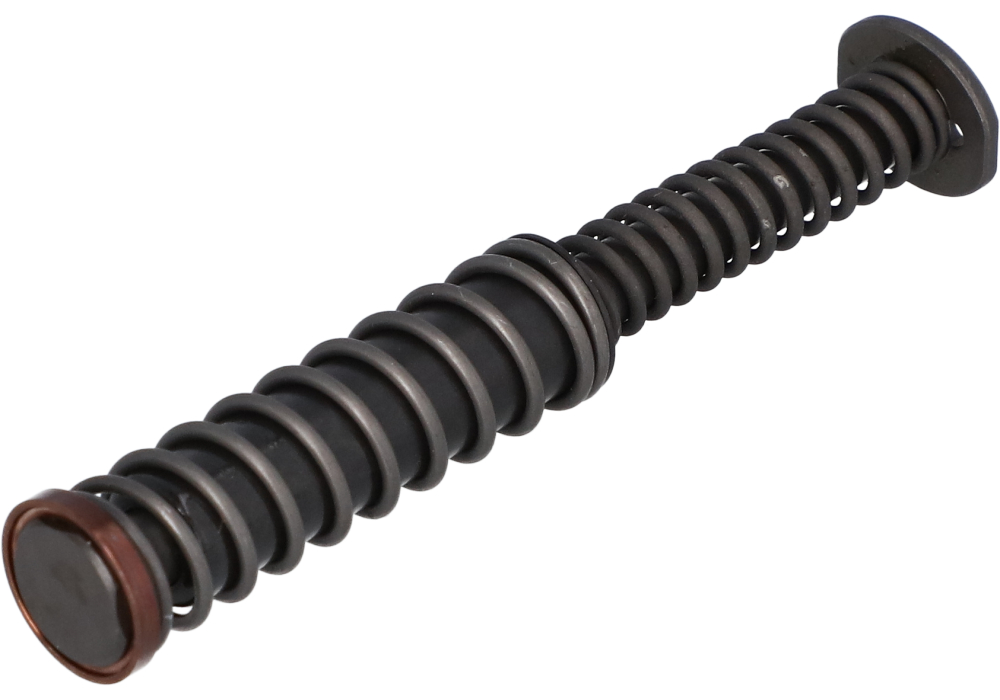
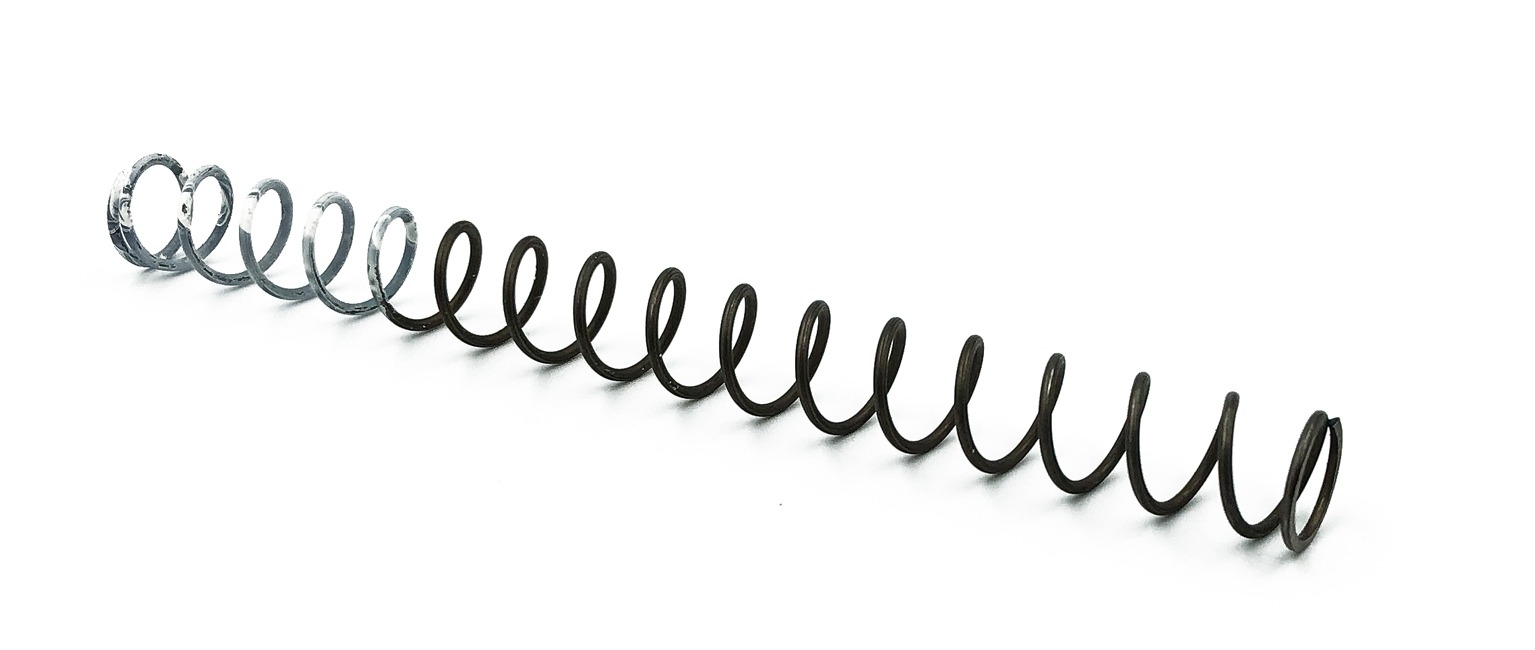
A recoil spring assembly is a firearm component that stores energy as the slide or bolt moves rearward and supplies force for its return to the forward operating position. On many semiautomatic pistols, the assembly includes a spring, a guide rod, and retaining components that keep those elements together. Autumn firearm recoil spring assemblies belong in the broader picture of routine maintenance, particularly for owners whose fall range calendar includes regular practice sessions or a return to shooting after time away. Their purpose is mechanical rather than seasonal: the correct assembly supports the operating cycle specified for the firearm. Compatibility therefore matters more than appearance. Two assemblies can look nearly identical on a workbench yet differ in overall length, guide rod dimensions, spring characteristics, or the shape of their contact surfaces. Model family, frame size, slide configuration, chambering, and production revision can all affect fit. A familiar model name alone may not provide enough information to establish compatibility, especially when a firearm has undergone design changes over its production life. Captive assemblies retain their spring components as a unit, while other designs use separate components; neither arrangement should be assumed interchangeable with the other. Some platforms also use multiple springs rather than a single coil spring. These differences explain why clear fit information and the firearm manufacturer’s specifications deserve close attention when comparing replacements. A longer or heavier-looking assembly is not inherently more durable or more appropriate, and physical resemblance does not confirm that a component meets the intended operating requirements. For an owner preparing a compact pistol for another season of range practice, the useful starting point is an accurately identified firearm and a replacement intended for that exact configuration. Autumn maintenance is an opportunity to review component condition and service records, not a reason to substitute a different mechanical specification simply because outdoor conditions have changed. The assembly should match the firearm’s requirements throughout its service life, whether practice takes place at an indoor lane or an outdoor range beneath turning leaves.
Materials and construction influence how a recoil spring assembly holds up to repeated movement, friction, and environmental exposure. Springs commonly use steel alloys selected for elastic behavior and resistance to fatigue, while guide rods may use steel or a suitable polymer, depending on the original design. Surface treatments and finishes can help protect metal components, but no finish eliminates the need for appropriate care. Material choice should be evaluated in the context of the complete assembly rather than treated as a shortcut to judging quality. A polymer guide rod specified for a particular firearm is not automatically inferior to a metal alternative, and a metal replacement is not automatically the correct fit. Consistent dimensions, sound retaining features, and conformity with the firearm’s requirements are more meaningful considerations. Autumn range visits can bring damp benches, windblown grit, wet range bags, and longer stretches of outdoor exposure. A cold firearm brought into a warmer room may also collect condensation, making moisture control relevant even after the range session ends. Care should follow the manufacturer’s cleaning and lubrication recommendations; more lubricant is not necessarily better, particularly where residue can accumulate. Storage in a clean, dry environment helps protect springs and surrounding components between outings. Durability also depends on round count, ammunition permitted by the manufacturer, operating conditions, and the firearm’s maintenance history. There is no single replacement interval that applies reliably to every recoil spring assembly. A published service interval for one platform should not be carried over to another without confirmation. Visible corrosion, distortion, damaged retaining components, or a change in cycling behavior deserves attention, but symptoms alone do not establish that the spring assembly is the cause. Several parts of a firearm can produce similar operating concerns. Inspection by a qualified gunsmith is appropriate when condition, fit, or function is uncertain. Keeping a simple record of maintenance and component replacement can make those conversations more useful, especially when a firearm sees uneven use across the year rather than a predictable number of rounds each week.
These assemblies are relevant to a wide range of firearm owners, from newer shooters building a consistent maintenance routine to experienced range regulars keeping track of scheduled service. Someone who practices frequently may reach a recommended inspection point sooner than an occasional shooter, while a firearm that spends extended periods in storage still benefits from attention to moisture and visible condition. For autumn outings, practical preparation often means knowing the firearm’s maintenance status before packing a range bag, rather than discovering an unresolved concern at the shooting bench. A replacement assembly can also be a sensible maintenance-related gift when the recipient has confirmed the exact fit requirements; guessing from a photograph or a general model description leaves too much room for error. Original configuration matters, particularly when a firearm has previously received replacement components or professional service. The assembly’s role should remain distinct from the roles of other internal parts. It is not a universal remedy for cycling concerns, a substitute for proper cleaning, or a guarantee of a different shooting feel. Owners considering maintenance across more than one component group can also browse Autumn Firearm Trigger Replacement Kits, with compatibility evaluated separately for each category. Trigger components and recoil spring assemblies serve different mechanical functions and should not be treated as interchangeable solutions to the same concern. For recoil spring replacements, the most useful selection criteria remain straightforward: documented fit, appropriate materials, construction consistent with the intended design, and clear care requirements. Those details matter after a short practice session just as much as they do after a full afternoon on an outdoor range. A well-maintained firearm depends on the condition and interaction of its components, not on any single part in isolation. Choosing an assembly that matches the specified configuration, following the applicable service recommendations, and seeking professional evaluation when needed keeps the focus on responsible ownership and dependable routine maintenance throughout autumn range activities and beyond.