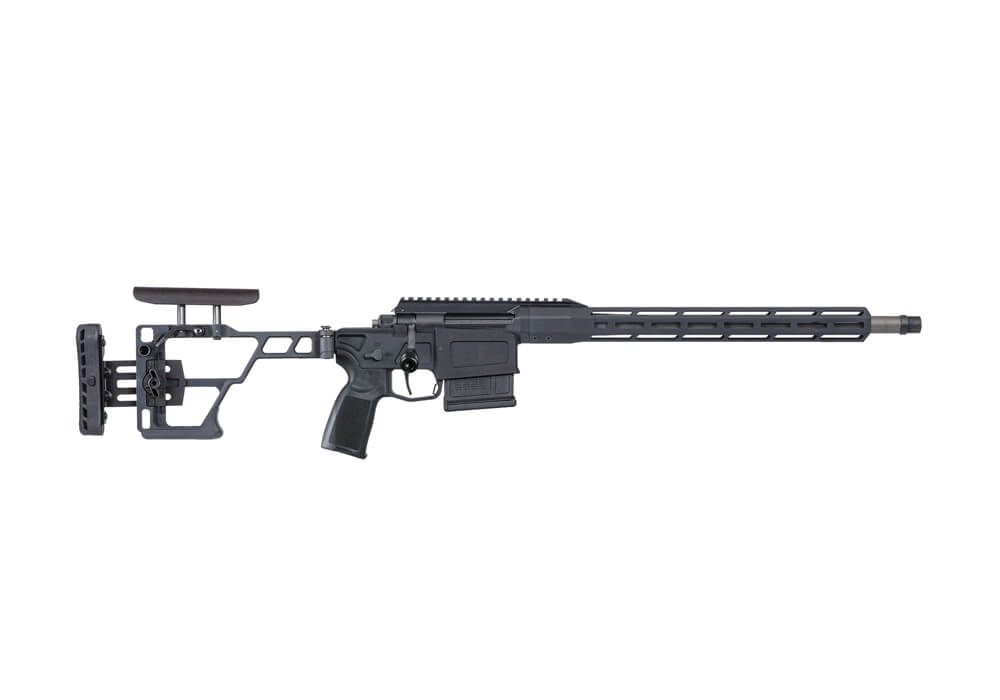
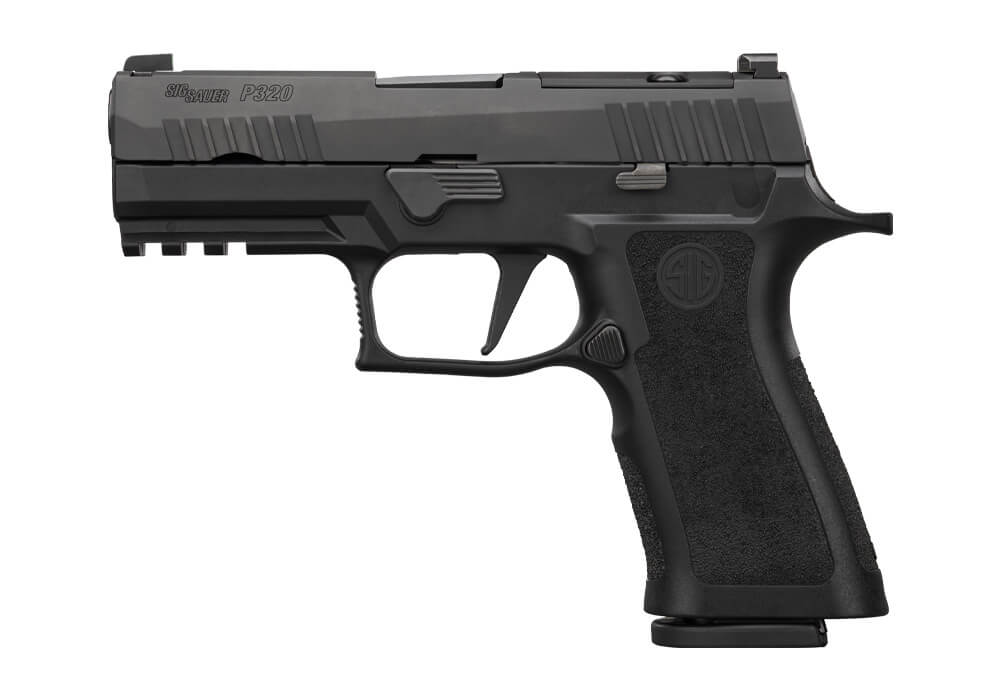
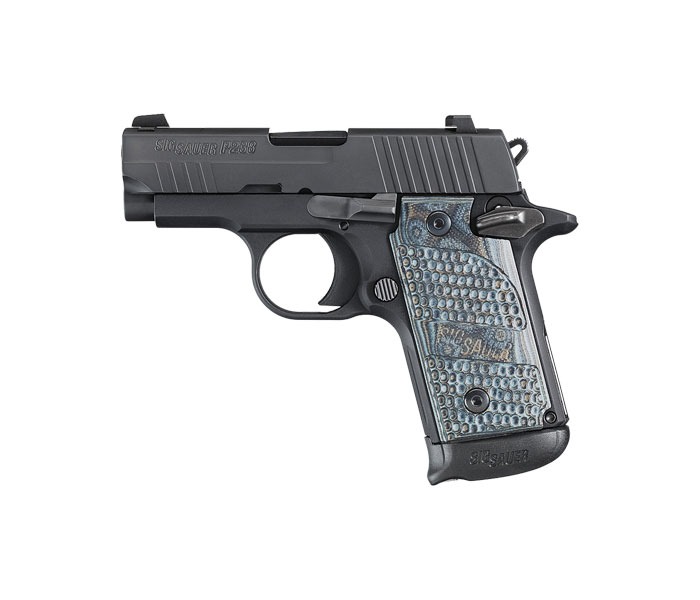
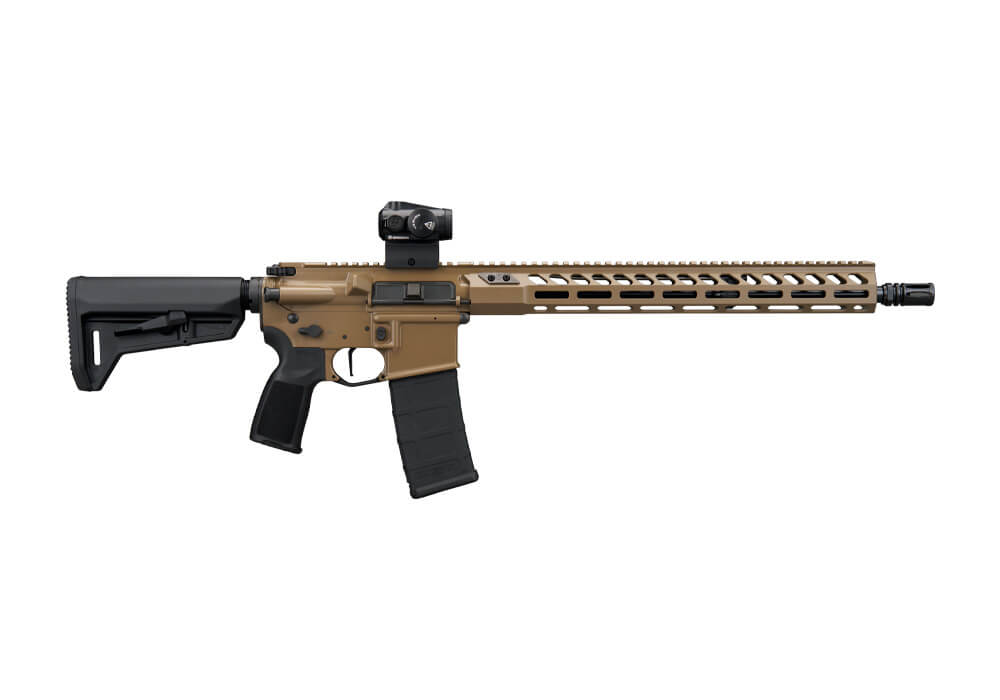
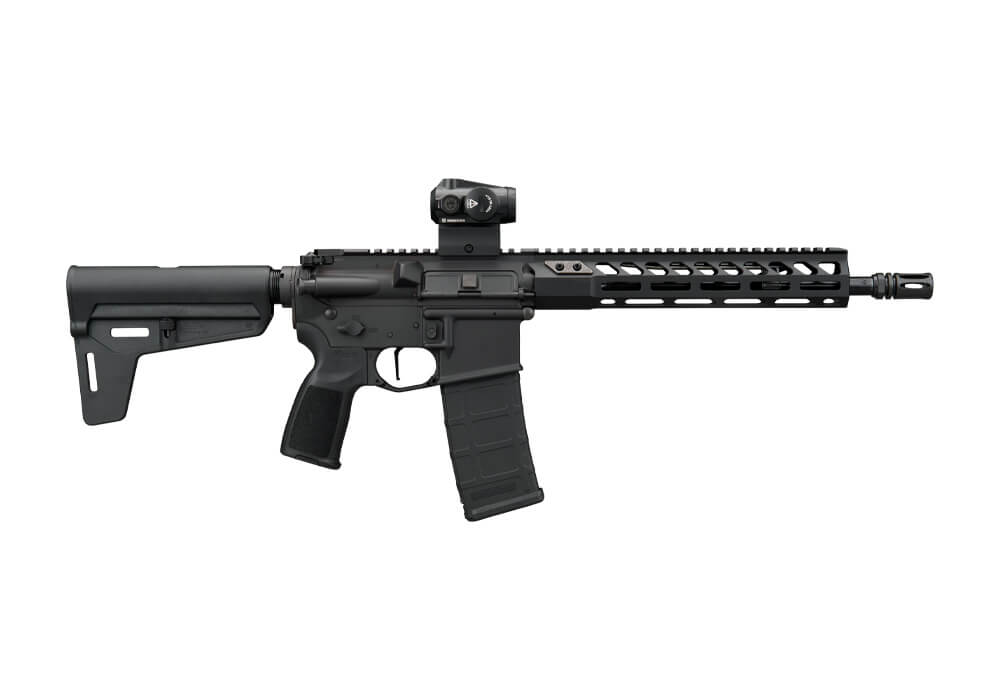
Firearms for firearm hobbyists can support a wide range of interests, from relaxed target practice and skill-building at the range to collecting historically significant designs and exploring the mechanical features that make each platform distinctive. The best choice depends on how the firearm will be used, where it will be stored, and what feels comfortable and manageable in the shooter’s hands. Handguns are often selected for their compact size, straightforward handling, and convenient use at indoor or outdoor ranges, while rifles can offer a stable platform for deliberate marksmanship and longer-distance practice. Shotguns bring their own appeal, with a broad selection of sporting, target, and recreational applications. For many new hobbyists, a rimfire firearm or a 9mm firearm can be a practical starting point because ammunition is widely available and recoil is generally easier to manage than with more powerful calibers. A .22 LR platform is especially popular for fundamentals practice, informal plinking, and introducing a new shooter to sight alignment, trigger control, and safe range habits. A 9mm platform can provide a familiar step into centerfire shooting, with manageable recoil and a broad range of training and defensive applications. Before purchasing, consider the intended distance, the type of targets, the available range facilities, ammunition cost, cleaning requirements, and the firearm’s overall size and weight. A product that looks appealing online may feel very different when held, shouldered, or presented from a holster, so handling comparable firearms at a licensed retailer or trying rental options at a reputable range can help clarify preferences. Grip shape, reach to the controls, sight picture, stock dimensions, and the ease of operating the action all influence comfort and confidence. New owners should also plan for quality eye and ear protection, appropriate ammunition, a secure case, cleaning supplies, and a locking device or safe before bringing a firearm home.
Firearm hobbyists often appreciate thoughtful accessories and equipment as much as the firearm itself. A well-fitted range bag can keep ammunition, magazines, targets, hearing protection, and basic tools organized, while a durable case protects the firearm during transportation and helps maintain a consistent routine. Optics may be useful for improving target visibility or supporting more precise rifle practice, but the correct choice depends on the platform, distance, lighting, mounting system, and shooting position. Magazine selection should match the firearm and comply with all applicable laws, with standard or extended capacity options considered only where lawful and appropriate for the intended use. Ammunition should always match the exact caliber and cartridge designation specified by the firearm manufacturer; similar-looking cartridges are not interchangeable simply because they share a bullet diameter. Hobbyists who enjoy the technical side of shooting may value platforms with accessible controls, interchangeable components, or configurations that allow careful customization, while others may prefer a simple setup that can be taken to the range with minimal preparation. These products can also make meaningful gifts for an experienced shooter, particularly when the recipient’s preferences are known. A gift certificate, secure storage solution, quality protection, range equipment, or maintenance accessory may be easier to choose than a firearm itself. If giving a firearm as a gift, confirm that the recipient is legally eligible to possess it and that every transfer follows federal, state, and local requirements, including any required involvement by a licensed dealer. Never surprise someone with a firearm when their interests, experience, storage arrangements, or legal eligibility are unknown. Collectors may look for different qualities, such as condition, design history, limited configurations, or a connection to a particular era of firearms development. Those exploring that side of the hobby can browse Firearm Collectors for additional context and product inspiration, while remembering that collectability does not replace the need for secure storage, responsible ownership, and compliance with applicable regulations.
Safe ownership is the foundation of every firearm hobby. Treat every firearm as though it is loaded, keep the muzzle pointed in a safe direction, keep your finger outside the trigger guard until ready to fire, and be certain of the target and what lies beyond it. Read the owner’s manual before operating a new firearm, complete a reputable safety course, and seek hands-on instruction from a qualified professional when learning an unfamiliar action or platform. Children and unauthorized users should never have access to firearms, ammunition should be stored separately when appropriate, and a locked safe or approved locking device should be used whenever the firearm is not under the owner’s direct control. During the cooler months, changing outdoor conditions can make range preparation especially important: check the forecast, protect equipment from moisture, and allow a firearm to acclimate before removing it from its case if condensation may form. Regular inspection and cleaning help identify wear, corrosion, or damaged components before the next session, but owners should follow the manufacturer’s maintenance guidance and avoid modifications they do not fully understand. At the range, begin with a deliberate pace, use an appropriate target distance, and focus on consistent fundamentals rather than speed. Keeping a simple record of ammunition, practice conditions, and adjustments can make progress easier to recognize and can help identify which setup feels most natural over time. Whether the goal is casual plinking, structured training, sporting use, or building a carefully considered collection, choosing a firearm that fits the owner’s purpose and experience level makes each session more comfortable, responsible, and rewarding.