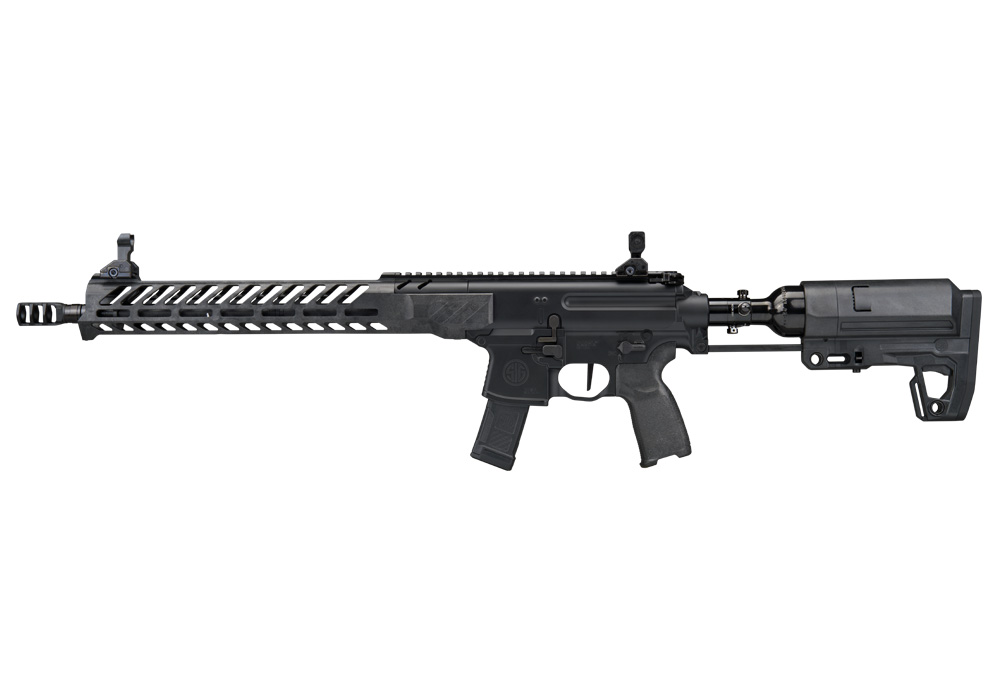
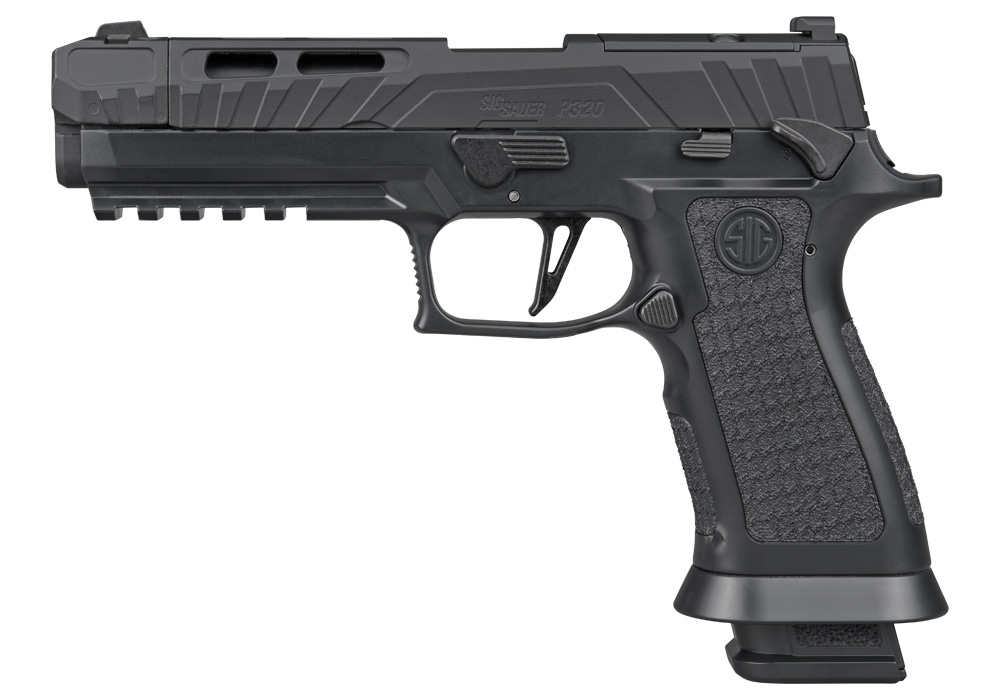
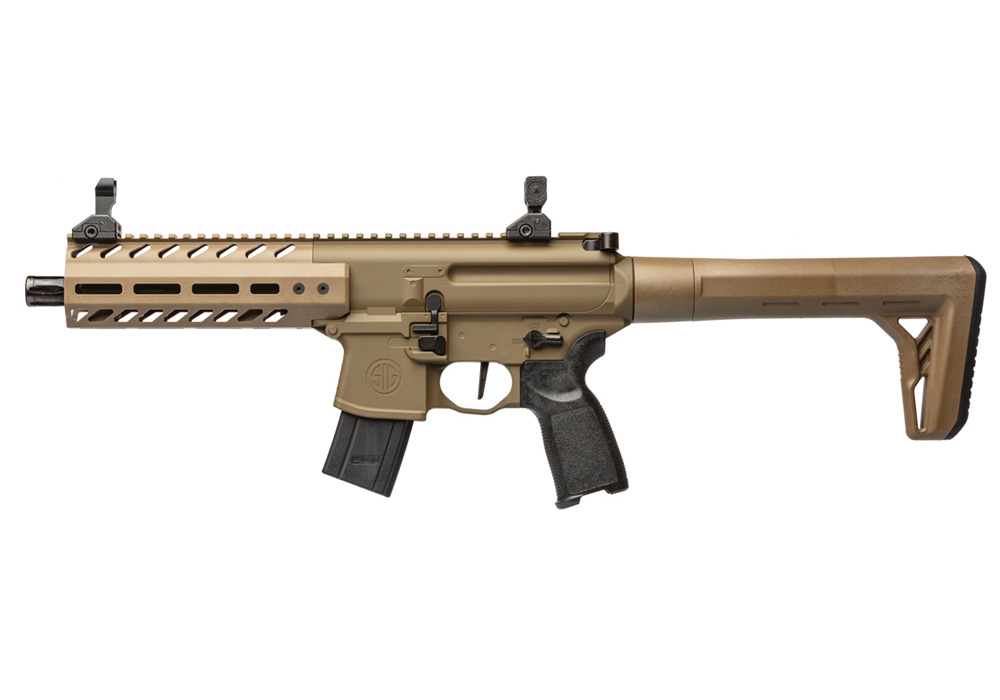
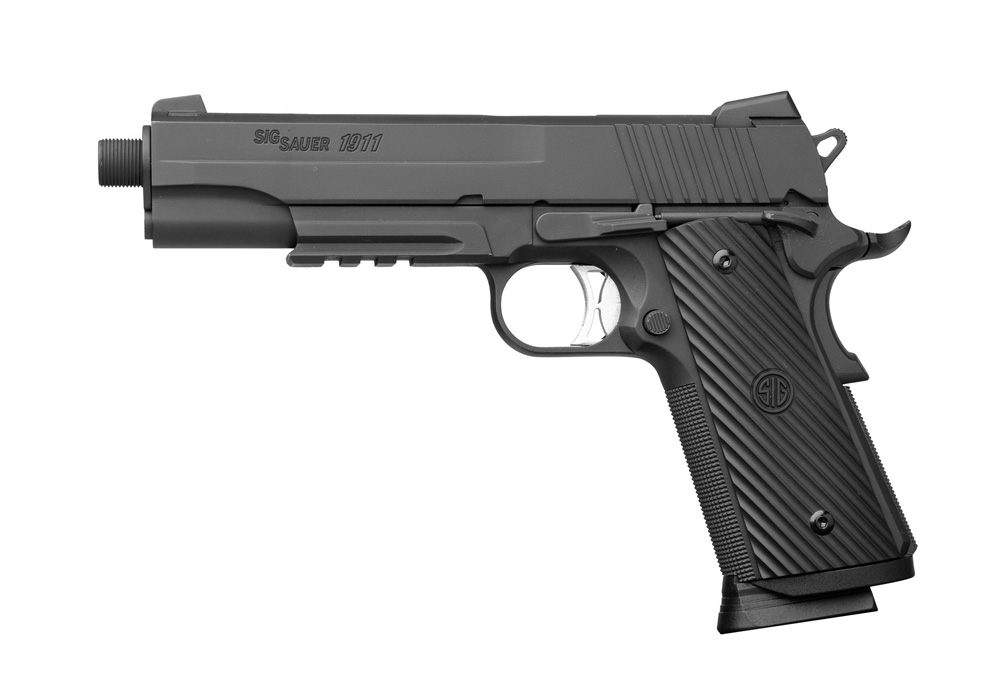
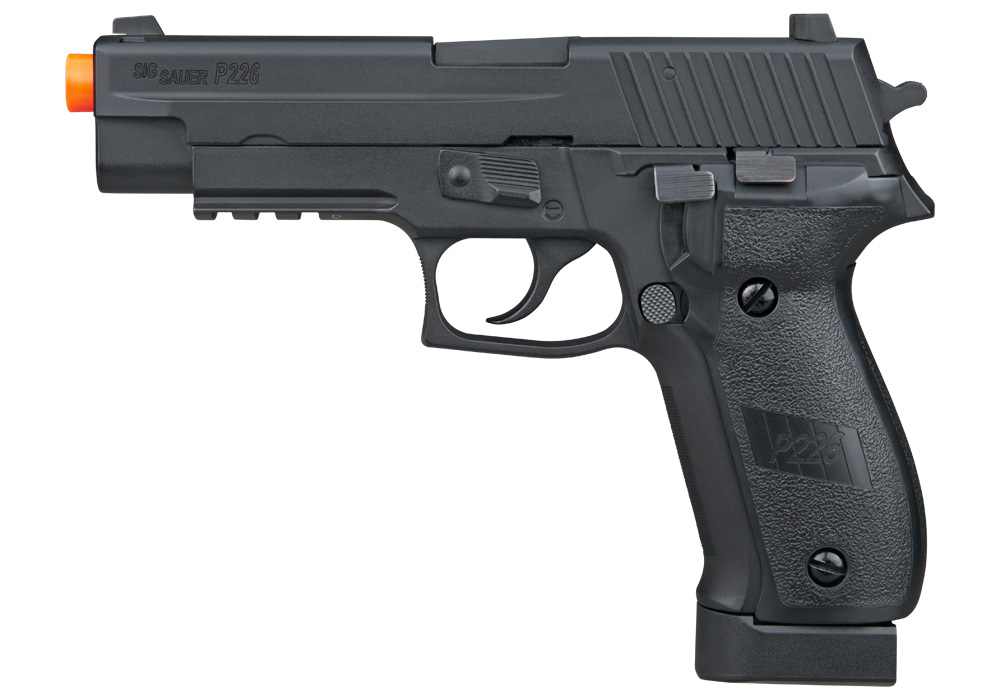
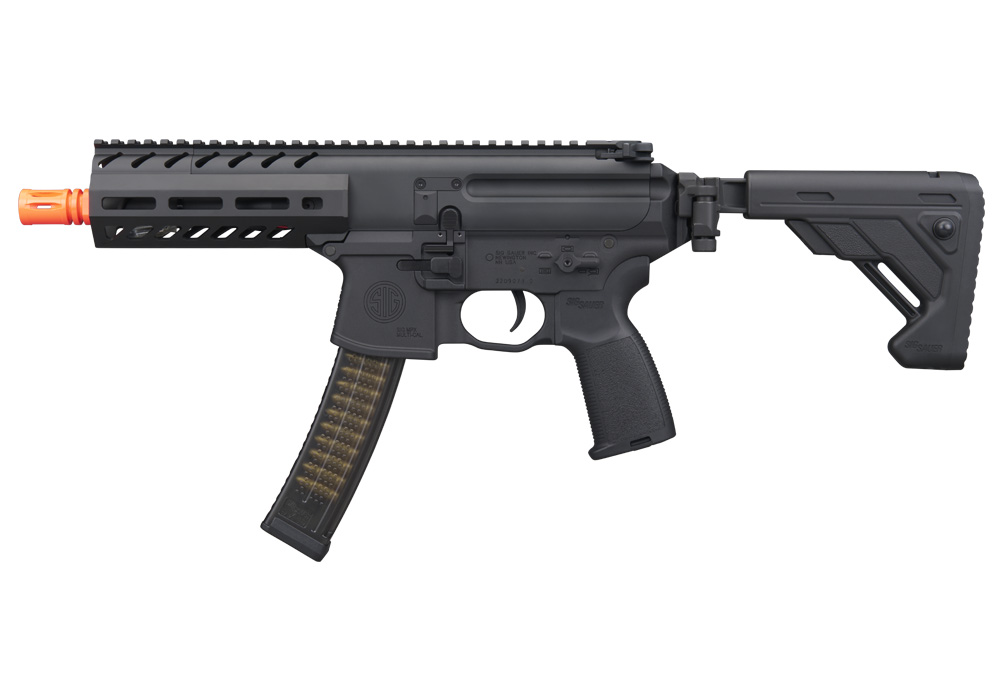
Hobbyist airguns offer an approachable way to enjoy target shooting, backyard plinking, collecting, and skill-building with less noise and equipment than many traditional shooting platforms. They are used by beginners learning the fundamentals of sight alignment and trigger control, experienced shooters refining their technique, and families looking for a structured outdoor activity during the warmer part of the year or cooler months. The right choice depends on how the airgun will be used, where it will be used, and how much time the shooter wants to spend on setup and maintenance. Spring-piston air rifles are self-contained and do not require a separate air source, making them practical for casual use and travel to an appropriate shooting area. Their spring-driven piston produces a distinct firing cycle, and consistent results often come from learning a steady hold that allows the rifle to settle naturally rather than gripping it too tightly. Multi-pump pneumatic airguns use a built-in lever to compress air over several strokes, allowing the shooter to adjust power and conserve ammunition for closer targets. CO2-powered airguns are popular for relaxed plinking and realistic-style target practice, using replaceable cartridges for convenient operation and a smooth shooting experience. Pre-charged pneumatic, or PCP, airguns draw from a pressurized onboard reservoir and are valued for low recoil, repeatable performance, and excellent accuracy. PCP setups also require planning for air supply, with options that may include a hand pump, a portable high-pressure compressor, or a filled air tank. Each power system has its own rhythm: a spring-piston rifle rewards deliberate technique, a multi-pump model makes every shot an intentional part of the process, a CO2 platform keeps casual sessions moving, and a PCP platform can support extended practice with the right accessories and air source. Shooters exploring a broader selection of current designs can also browse Modern Airguns for additional context when comparing platforms and features.
Ammunition is another important consideration, and the barrel type should determine whether the airgun is designed for pellets, BBs, or both. Lead pellets are commonly available in .177, .22, .25, and larger calibers, with each size offering a different balance of trajectory, energy, and target performance. Smaller .177-caliber pellets are often selected for economical target practice and a flatter trajectory at typical backyard distances, while larger pellets may appeal to shooters looking for added impact on suitable targets where local rules and the airgun’s specifications allow. Pellet shape matters as well. Flat-head wadcutters cut clean holes in paper targets, rounded or domed pellets are versatile for general shooting, and pointed designs may be chosen for certain target applications. Steel BBs are generally associated with smoothbore platforms and recreational plinking, particularly when a shooter enjoys the feel of a traditional-style air pistol or rifle. Always match ammunition to the manufacturer’s specifications, and avoid assuming that a pellet that fits will provide the best accuracy. A simple paper target can reveal a great deal: a tight cluster may show that the ammunition and sights are working well together, while scattered impacts can signal a need to check the hold, pellet fit, optics, or shooting position. Optics should also be selected with care. Airgun-rated scopes are designed for the distinctive vibration produced by many spring-piston rifles, including reverse-recoil forces that can loosen or damage equipment intended only for firearms. Red dot sights can provide a fast, uncluttered aiming reference for short-range plinking, while a traditional scope may help with careful target work at longer distances. Mounting hardware, eye relief, reticle style, and adjustment range all contribute to a comfortable setup. For PCP shooters, air-source accessories, fill equipment, pressure gauges, seals, and storage solutions are equally important parts of the overall purchase.
Hobbyist airguns can make thoughtful gifts for adults, new shooters, collectors, and anyone who enjoys hands-on outdoor hobbies, provided the recipient has a safe and appropriate place to use one and understands the responsibility that comes with it. A first airgun may become part of a quiet afternoon routine: paper targets clipped to a sturdy stand, a few cans or approved reactive targets arranged in front of a reliable backstop, and a notebook used to track pellet choice, distance, and group size. That kind of simple setup encourages patience and turns each session into a practical lesson in consistency. Safety remains essential even when an airgun is quieter or lower powered than a firearm. Wear suitable eye protection, keep the muzzle pointed in a safe direction, treat every airgun as loaded until it has been checked, and use a backstop that can safely contain pellets or BBs without allowing ricochets. Never shoot toward roads, buildings, neighboring property, livestock, or areas where people may unexpectedly pass. Backyard use is not automatically permitted, so check local laws, community rules, and property requirements before setting up a target. Secure airguns and ammunition from unauthorized access, especially around children, and provide direct adult supervision whenever minors are involved. Storage conditions matter too; keep equipment dry, protect optics from unnecessary impact, and follow the care instructions for seals, moving parts, CO2 cartridges, and compressed-air systems. During cooler or wetter weather, a covered range area and careful equipment storage can help keep the hobby enjoyable, while warmer days may invite longer practice sessions and informal family competitions. Whether the goal is relaxed plinking, precise paper punching, learning the fundamentals of marksmanship, or building a collection around distinctive airgun designs, choosing the appropriate power system, caliber, ammunition, optics, and support equipment makes the experience more rewarding from the first session onward.