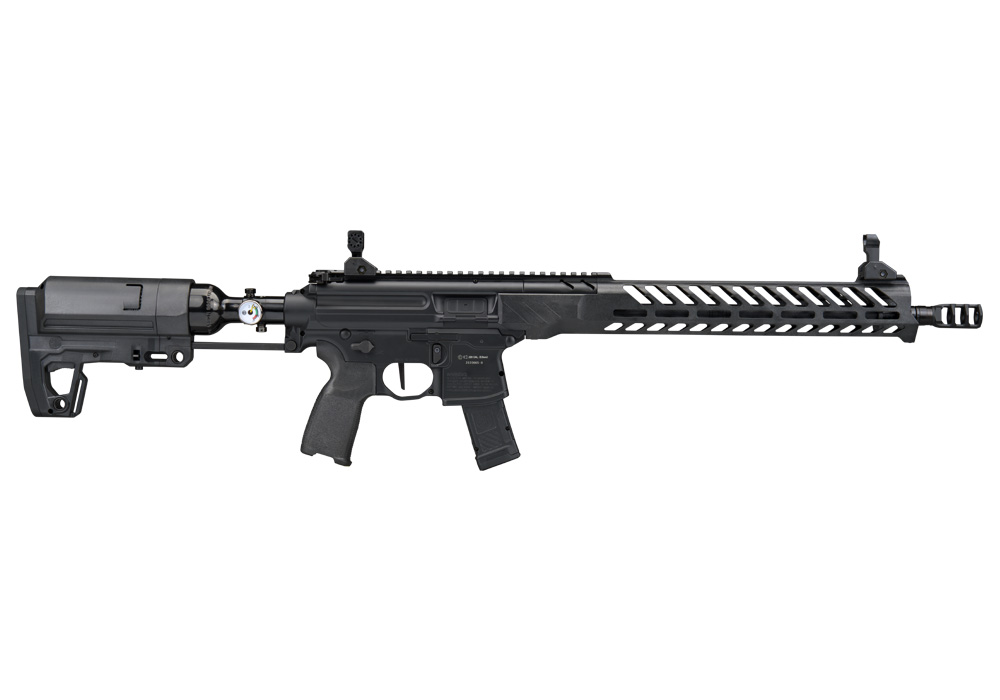
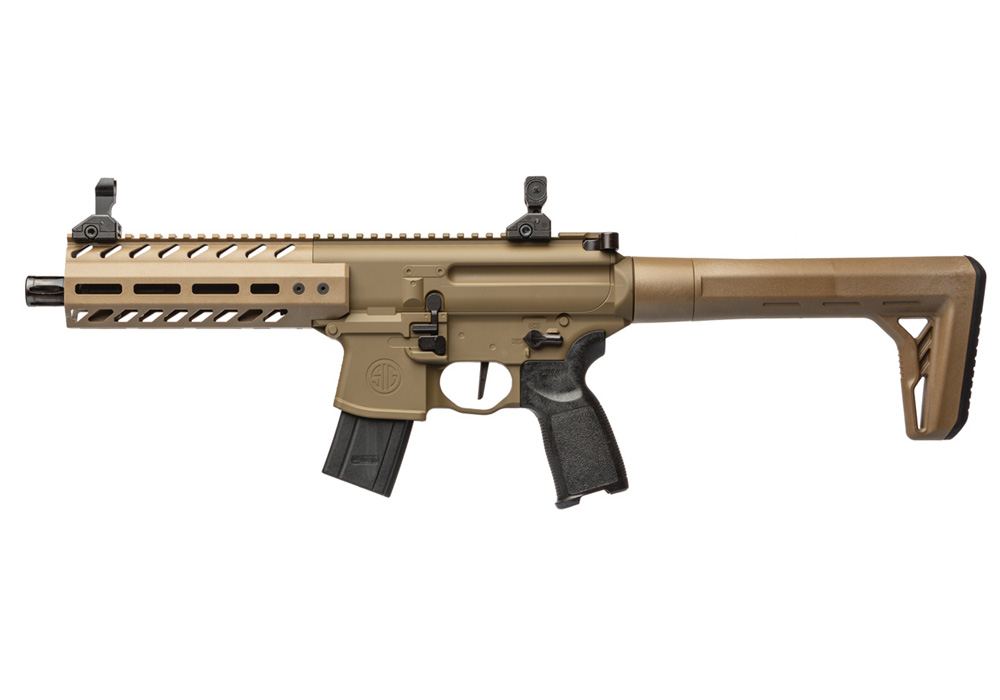
Compact airguns offer a convenient way to enjoy target shooting, practice fundamental marksmanship, and spend time outdoors without the size and weight associated with many traditional long guns. This category includes compact air pistols, short air rifles, folding platforms, and bullpup-style airguns that place the action behind the trigger to reduce overall length while preserving useful barrel length. Their smaller profiles make them easier to transport, store, and handle in appropriate shooting areas, whether you are working on basic sight alignment at an approved range or setting up a carefully controlled backyard plinking session where local regulations permit. A compact airgun can also be a thoughtful gift for a responsible adult or experienced shooter who appreciates practical equipment that does not take up much room in a vehicle, gear cabinet, or range bag. New shooters may value the approachable format and modest report of many airguns, while seasoned enthusiasts often choose compact designs for their maneuverability and easy carry during outdoor recreation. As with any projectile-firing product, an airgun should be treated with the same seriousness as any other firearm: read the owner’s manual, wear appropriate eye protection, keep the muzzle pointed in a safe direction, keep the action open and unloaded until ready to use, and make certain every person in the area understands the safety rules. A solid backstop is essential, and a paper target alone is never sufficient. Before purchasing or using a compact airgun, review local laws, rules governing discharge, age requirements, transportation restrictions, and any regulations that may apply to hunting or pest control. Responsible storage in a locked location, with ammunition or airgun projectiles secured separately when appropriate, helps prevent unauthorized access and supports safe ownership through every season.
The operating system is one of the most important choices when comparing compact airguns. CO2 airguns use small, replaceable gas cartridges and are often selected for straightforward operation, quick follow-up shots, and convenient recreational shooting. Temperature can affect CO2 performance, so users should keep cartridges and airguns within the conditions recommended by the manufacturer and avoid leaving them exposed to excessive heat or cold. Pre-charged pneumatic, or PCP, airguns use a built-in reservoir filled with compressed air and are known for consistent performance, low recoil, and strong accuracy potential when paired with suitable sights or an optic. PCP systems require access to the correct fill equipment, such as a compatible hand pump, compressor, or refill source, and buyers should consider the complete setup rather than focusing only on the airgun itself. Spring-piston and gas-piston designs use a self-contained powerplant and can appeal to shooters who prefer not to carry cartridges or manage an external air supply, though their cocking effort and firing characteristics differ from CO2 and PCP models. Compact air pistols are easy to carry and can be well suited to close-range target work, while compact air rifles generally offer a longer sighting plane, a steadier hold, and a more comfortable platform for extended sessions. Bullpup air rifles shorten the overall package by positioning the action and air reservoir behind the trigger, which can preserve useful barrel length in a maneuverable format. When comparing options, pay attention to caliber, projectile compatibility, velocity and energy ratings, cocking or charging method, trigger feel, safety controls, grip and stock dimensions, sighting system, noise level, and the availability of replacement seals, magazines, cartridges, and other maintenance parts. Standard or extended capacity magazines may be available depending on the design, but capacity should always be balanced with local rules, intended use, and the need to maintain careful control over every shot. A compact design is most useful when it fits the shooter naturally; a model that is easy to shoulder, grip, load, and operate correctly will generally encourage better habits than one chosen solely for its smallest dimensions.
During the cooler months, compact airguns can be especially appealing for short practice sessions, indoor range use where permitted, and organized outdoor shooting on calm days with a dependable backstop. Their convenient proportions also make them practical for transporting to a sanctioned range, although they should always be unloaded, secured, and carried according to applicable law and range policy. Shooters who spend time maintaining rural property may consider an airgun for lawful pest-management tasks when the caliber, energy, accuracy, and local regulations are appropriate; any such use should be handled with a clear understanding of humane practices, safe shot angles, and the potential for projectiles to travel beyond the intended area. For general practice, start with a stable target setup, confirm the backstop from the shooting position, and use targets designed for the projectile type rather than improvised materials that could cause ricochets. Pellets and BBs are not interchangeable in every airgun, and using the wrong ammunition can affect accuracy, function, or safety. Basic upkeep may include inspecting seals, wiping down exterior surfaces, checking fasteners, protecting metal components from corrosion, and following the manufacturer’s instructions for lubrication and storage. Those details matter when an airgun is used intermittently, as often happens with recreational equipment brought out for a quiet afternoon of practice. Buyers who want a broader comparison can also explore Full Size Airguns to consider how a larger platform may differ in stability, handling, sight radius, and overall fit. Whether selected for a first supervised introduction to airgunning, a portable training companion, or a useful addition to an established collection, the best compact airgun is one that matches the user’s experience, intended setting, maintenance preferences, and commitment to safe, lawful handling.