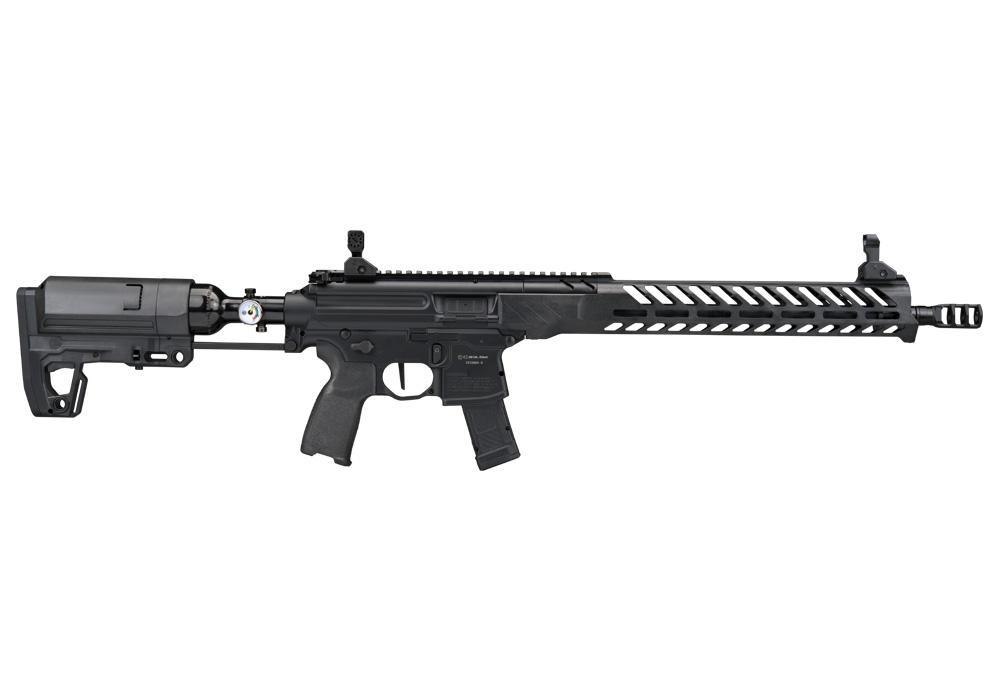
Full-size airguns bring the proportions, balance, and handling of a traditional rifle to target practice, small-game applications, pest control where lawful, and recreational shooting. Their longer stocks, standard-length barrels, and full-size controls can feel familiar to anyone accustomed to a centerfire or rimfire rifle, while the air-powered operating systems offer a distinct shooting experience. Depending on the design, a full-size airgun may use a spring piston, CO2, or a pre-charged pneumatic system commonly known as PCP. Spring-piston models are self-contained and practical for shooters who prefer a straightforward setup, while CO2 models provide convenient operation for casual range sessions in suitable temperatures. PCP airguns use compressed air stored in a removable or onboard reservoir and are often selected for their consistent shot-to-shot performance, adjustable power, and ability to support multiple shots before refilling. Full-size airguns are available in several calibers, including .177, .22, .25, and larger bore sizes intended for heavier pellets or slugs. Smaller calibers are often favored for economical target practice and pest control, while larger calibers can deliver greater projectile weight and energy for specialized applications. Advertised velocity is only one part of the selection process; pellet or slug weight, barrel design, air pressure, and the intended distance all affect real-world performance. Reviewing the manufacturer’s specifications and local regulations helps ensure the airgun is appropriate for the purpose, property, and experience level of the person using it.
When comparing full-size airguns, start with the kind of shooting you expect to do most often. A backyard target shooter may value manageable cocking effort, a comfortable stock, an adjustable trigger, and a rifled barrel that supports precise pellet placement. A shooter choosing a PCP system may also need to plan for a compatible hand pump, compressor, or refill tank, along with the fittings and pressure range specified for that airgun. Spring-piston systems generally require fewer accessories, though their firing cycle and hold sensitivity can reward a steady, consistent technique. For longer practice sessions, consider the airgun’s shot count per fill, magazine or loading design, overall weight, and whether the stock allows a natural cheek weld and length of pull. Standard and extended capacity options may be useful depending on whether you prefer deliberate single-shot loading or less frequent reloading during a range session. Optic compatibility, open sights, rail type, and sling attachment points can also influence the experience. Noise level matters in residential areas and shared outdoor spaces, but a quiet report does not remove the need to follow safe handling practices or local discharge ordinances. Larger-bore airguns and models designed to launch heavier projectiles require especially careful attention to backstop construction, safe shooting lanes, and the limits of the property where they will be used. A solid earthen backstop, a clear view of what lies beyond the target, and a controlled shooting position are essential parts of responsible use.
Full-size airguns can appeal to a broad range of shooters, from adults building confidence with a rifle platform to experienced enthusiasts refining breathing, trigger control, and follow-through. They can be a thoughtful gift for a responsible adult who enjoys outdoor recreation, organized target shooting, or learning the mechanics of different air-powered systems. For a new shooter, the most useful choice is usually one that fits comfortably, has controls that are easy to understand, and matches the intended shooting distance rather than simply offering the greatest advertised power. A full-size airgun can also become a shared family activity when an experienced adult provides direct supervision, establishes a safe direction and loading procedure, and confirms that every participant understands the rules before shooting begins. During the warmer part of the year, a portable target setup can turn a quiet corner of private property into a regular practice space; during cooler months, indoor ranges or covered benches may make it easier to maintain a consistent routine. Store every airgun unloaded and secured from unauthorized access, treat it as though it is loaded, keep the muzzle pointed in a safe direction, and use projectiles suited to the barrel and powerplant. Eye protection is recommended, and hearing protection is sensible for louder systems or enclosed ranges. Anyone exploring different configurations can browse Modern Airguns to compare contemporary air-powered designs and identify features that align with their shooting habits, equipment, and goals.