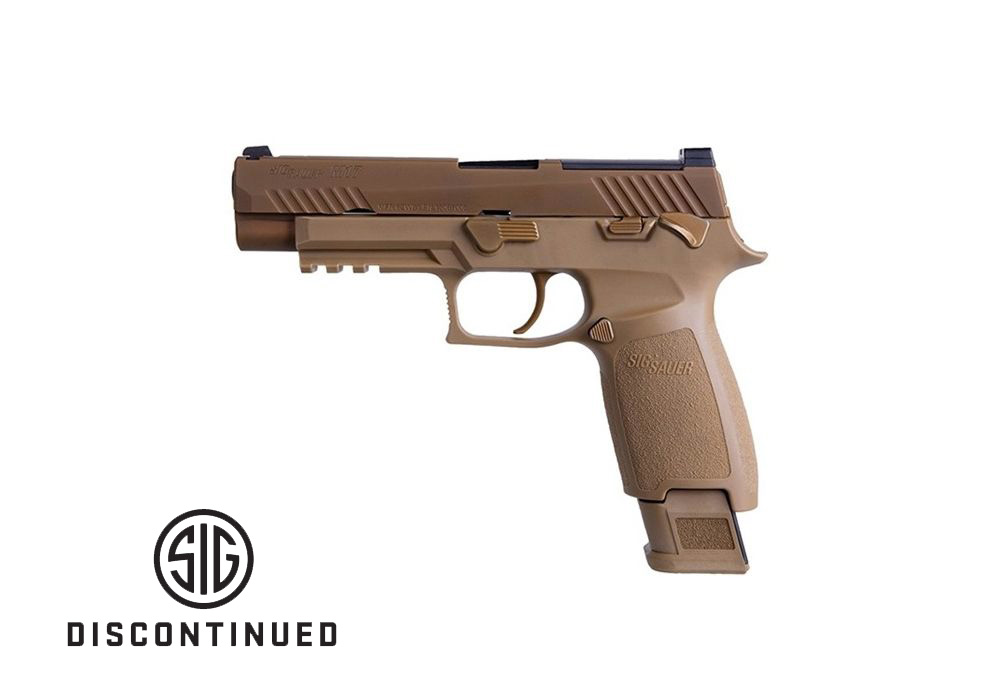
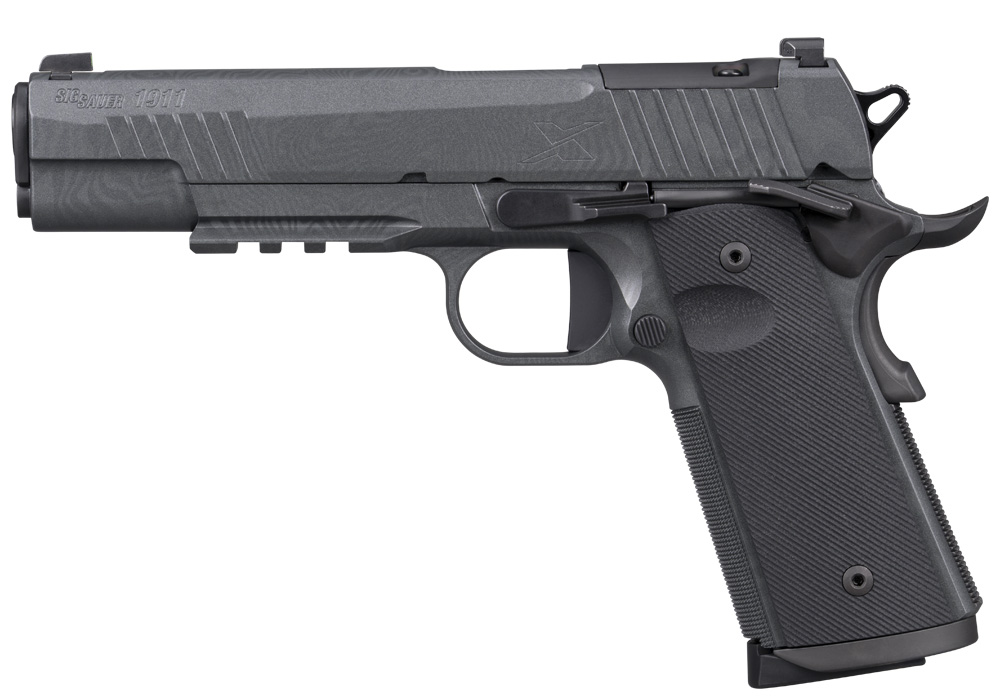
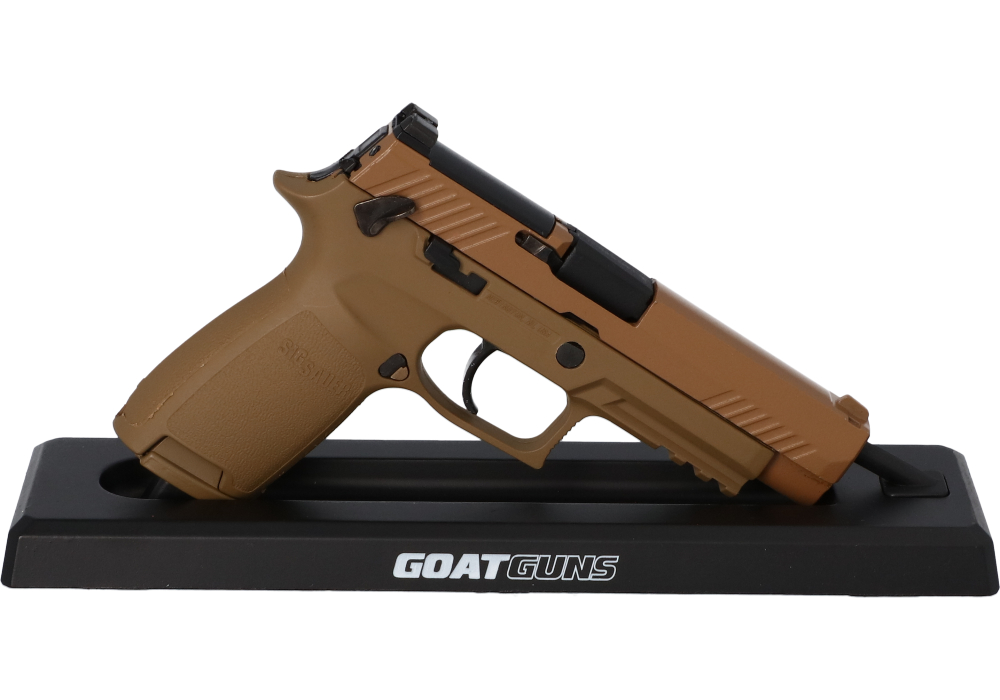
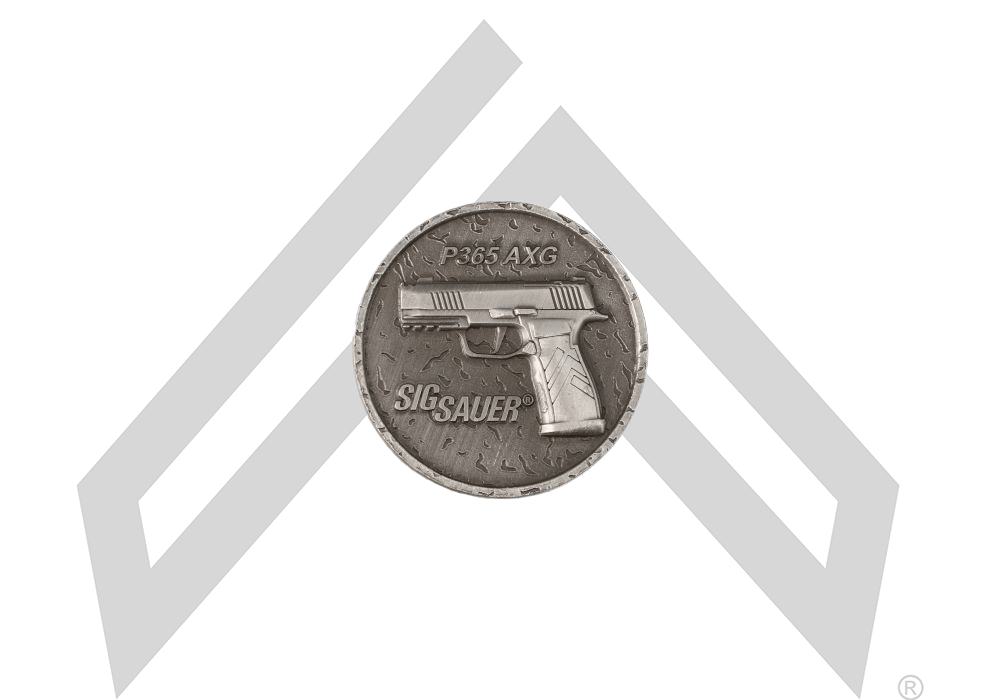
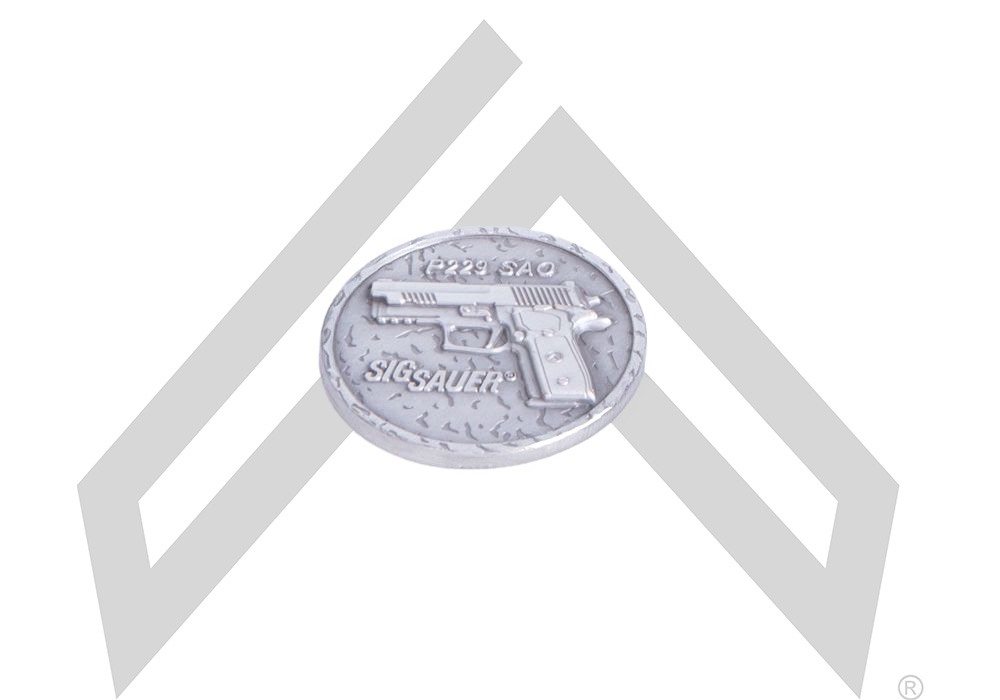
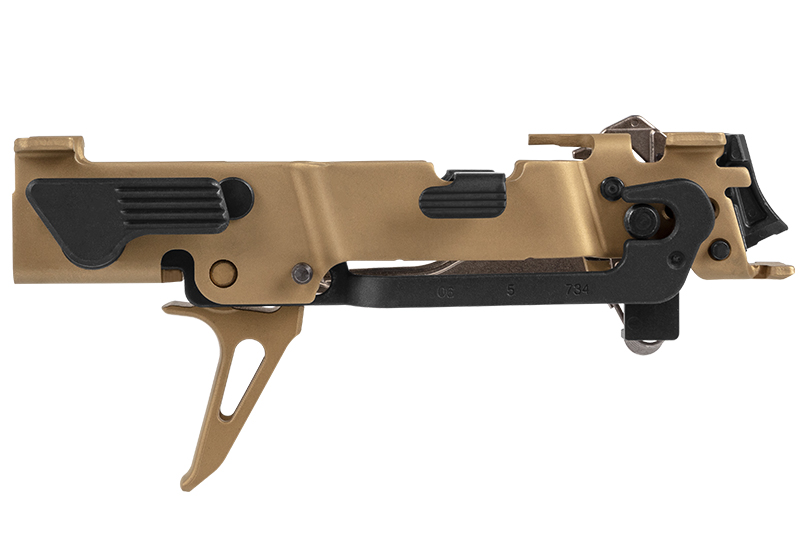
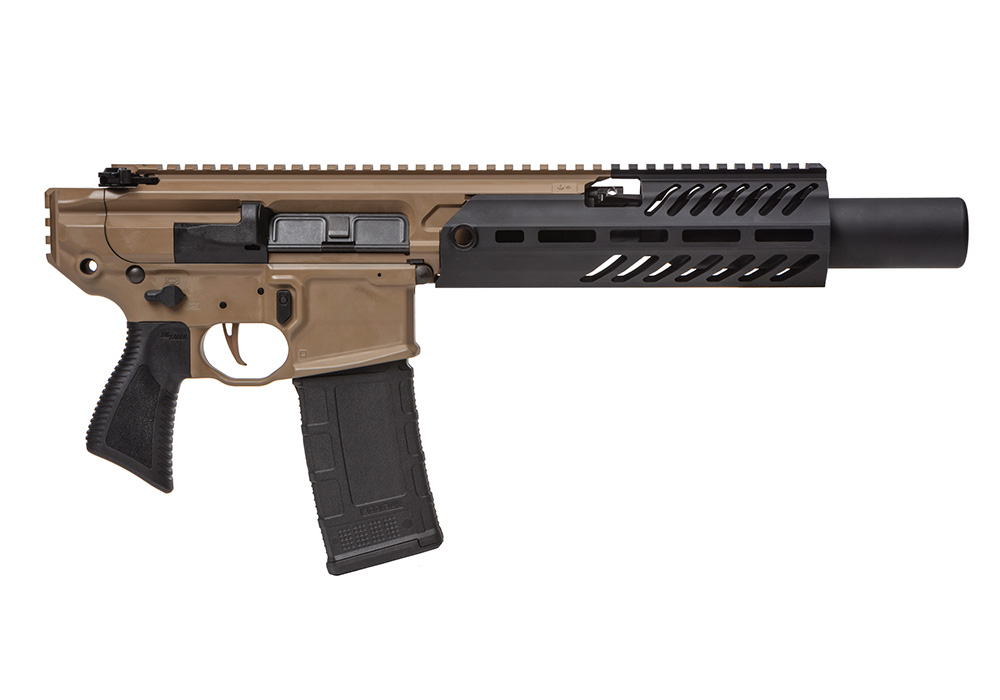
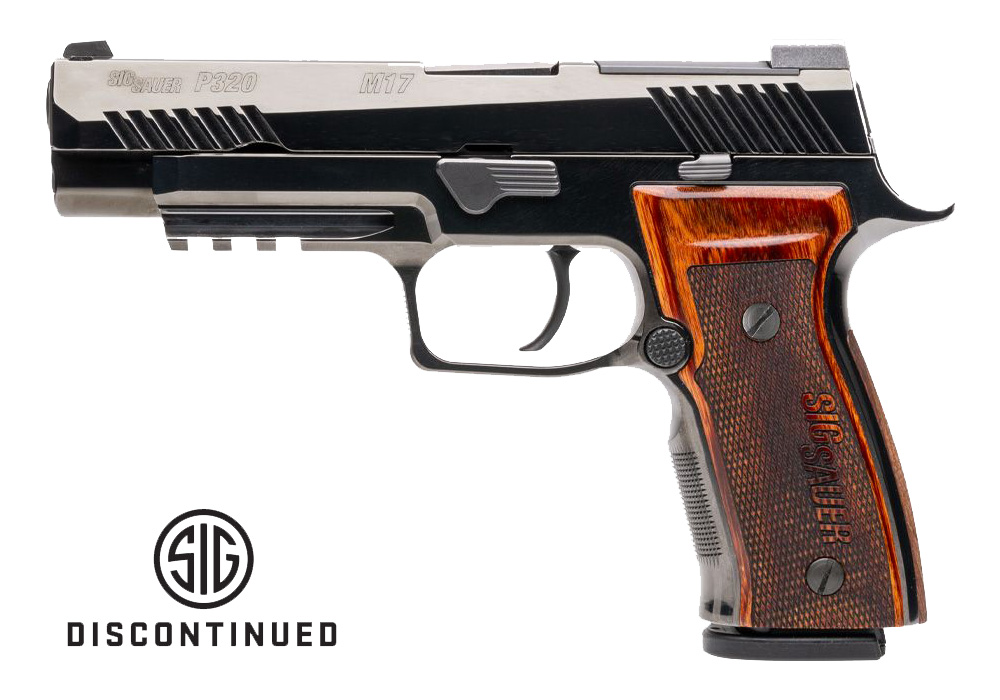
Firearm collecting brings together an interest in mechanical design, a respect for history, and the patience to notice details that others might overlook. A distinctive profile, a carefully finished metal surface, or a well-preserved set of markings can give a firearm significance beyond its practical role. For some enthusiasts, collecting centers on a particular era or design lineage; for others, the appeal lies in comparing how materials, ergonomics, and manufacturing techniques evolved over time. The appeal of Gun Collector Items extends to the objects that help preserve and document that interest, from protective storage to supporting records and keepsakes. A thoughtful collection does not need to be extensive to feel cohesive. A few pieces connected by a clear theme can tell a compelling story, especially when their history and condition are well understood. Original finishes, consistent markings, accompanying paperwork, and documented ownership can all contribute to that understanding, although no single detail establishes authenticity on its own. Honest wear also deserves a measured perspective. A softened edge or a worn grip surface may reflect years of ordinary handling, while an unusually fresh appearance can warrant closer examination of whether a piece retains its original configuration. Collectors who appreciate mechanical craftsmanship often look beyond surface appearance to the relationship between design, function, and historical context. Others prefer pieces associated with personal milestones, family interests, or a longstanding fascination with a particular style of firearm. These motivations can coexist within the same collection. The common thread is careful selection rather than accumulation for its own sake. Intended use matters as well: a firearm retained primarily for preservation presents different considerations from one expected to accompany its owner to a supervised range. A collectible appearance is not evidence of mechanical fitness, and a qualified professional’s assessment is appropriate before an unfamiliar firearm is considered for firing. That distinction helps protect both the owner and the integrity of a collection.
Materials, fit, and care play a practical role in keeping collector pieces in good condition. Steel, aluminum, polymer, and wood each have different characteristics, and the finish applied to a surface can be just as important as the material beneath it. Polished metal highlights fine detail but also shows fingerprints readily; textured surfaces can conceal everyday handling marks while retaining dust in their recesses. Wood may contribute warmth and visual character, while polymer components can reflect a different period of design and engineering. None of these materials should be treated as interchangeable when selecting cleaning products or storage accessories. Compatibility with the firearm’s finish matters more than a broad promise of intensive cleaning, particularly when original surfaces are central to its character. Aggressive polishing or an unsuitable chemical can alter the very details a collector wants to preserve. Protective cases and storage supports call for the same attention. Fit involves more than overall length: the shape of a grip, the height of sights, and any attached accessories can affect how securely a firearm rests without pressure on vulnerable areas. A fitted interior should support the piece rather than force it into position, and contact materials should be suitable for the intended storage period. A case useful for transport may not be the best environment for extended storage, especially if moisture remains trapped inside. Durable construction is valuable, but hinges, closures, interior lining, and the way weight is distributed deserve consideration alongside the exterior shell. For a collector moving a piece between secure storage and a professional inspection, dependable protection reduces unnecessary handling and keeps loose paperwork from rubbing against finished surfaces. For someone preserving an inherited firearm, restrained care may be more appropriate than attempting to restore a like-new appearance. Routine attention to cleanliness, dry storage, and material-compatible protection supports longevity without obscuring evidence of age. Any treatment that could change a finish, marking, or component is best considered carefully with a qualified professional familiar with collectible firearms.
Documentation and organization give a collection depth that appearance alone cannot provide. A clear record of identifying information, known history, condition, and accompanying accessories helps distinguish verified facts from family recollections or assumptions. Photographs of markings and overall condition can supplement written records, while original paperwork benefits from separate protection against abrasion and repeated handling. Records are especially useful when several pieces share similar dimensions or outward features but differ in details that matter to the collector. Keeping related information organized also makes professional evaluations, lawful transfers, and estate planning easier to approach. The experience of collecting often includes these quiet moments of attention: studying an old document at a desk, comparing photographs with the object in hand, or noticing a small design change that places a piece within a broader history. Accessories and keepsakes connected to that experience can be thoughtful gifts for an eligible adult enthusiast, particularly when they support an established interest without requiring assumptions about firearm compatibility. A protective storage accessory, a way to organize collection records, or an object with a meaningful connection to the recipient’s interests may be more personal than something chosen solely for visual impact. Fit and intended use still matter, and any firearm transfer requires compliance with applicable laws. Responsible ownership remains central regardless of whether a collection is assembled for historical study, mechanical appreciation, or occasional lawful range use. Firearms require secure storage that prevents unauthorized access, and ammunition should be stored securely and separately. An attractive presentation is not a substitute for an appropriate security arrangement. Collectors also benefit from thinking beyond their own familiarity with each piece: clear records and secure storage help family members understand what is present without relying on memory or informal explanations. Ultimately, collector-oriented products serve their purpose best when they reinforce preservation, organization, and responsible ownership. The result is a collection whose individual pieces retain their character and whose shared story remains understandable over time.