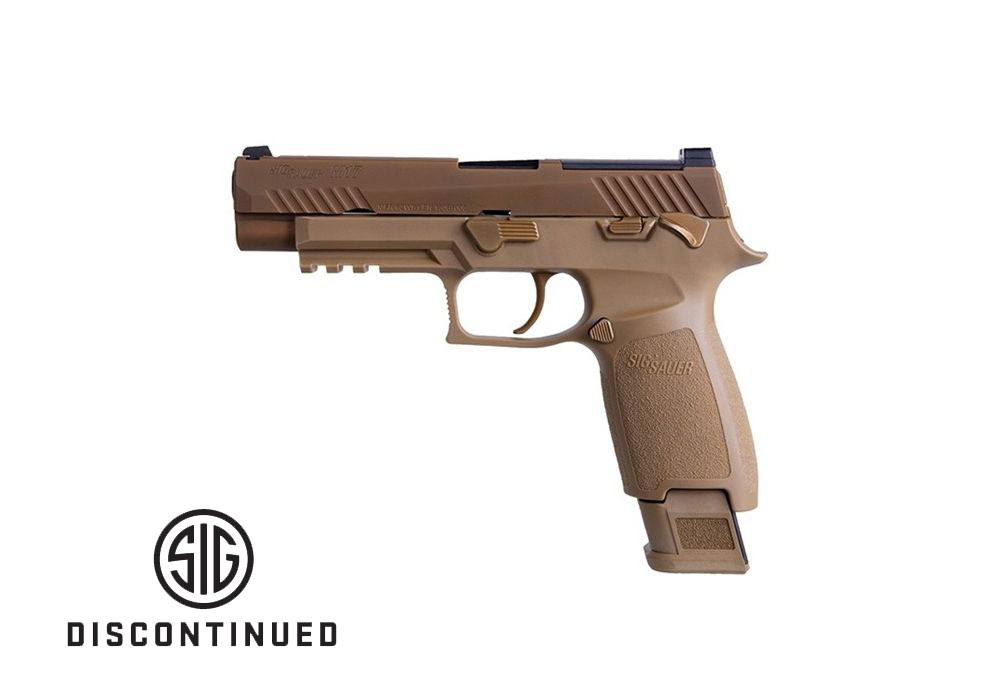
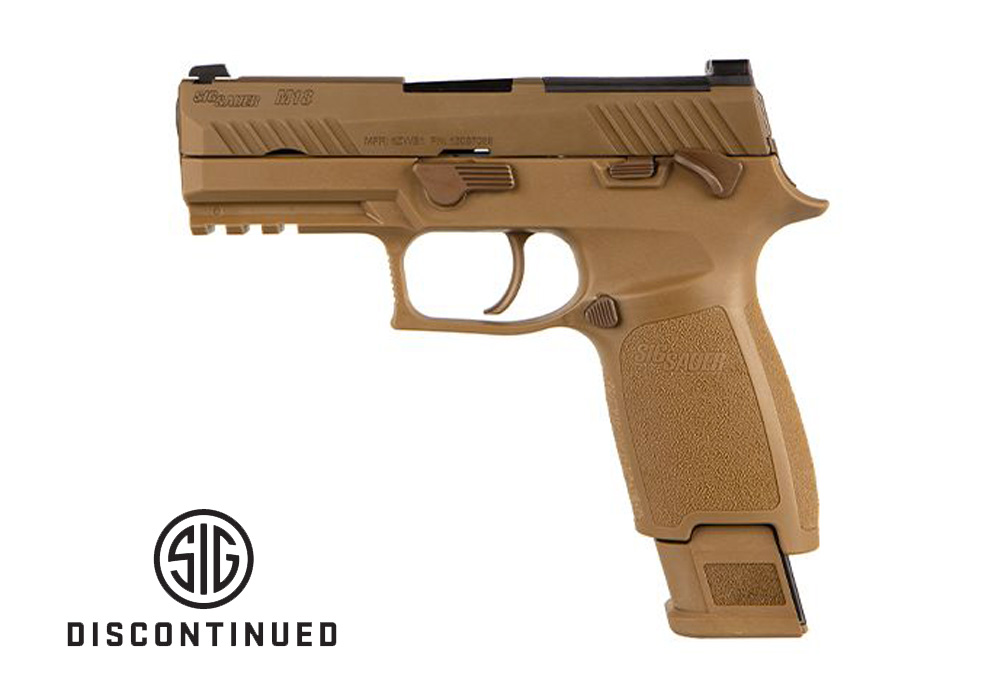
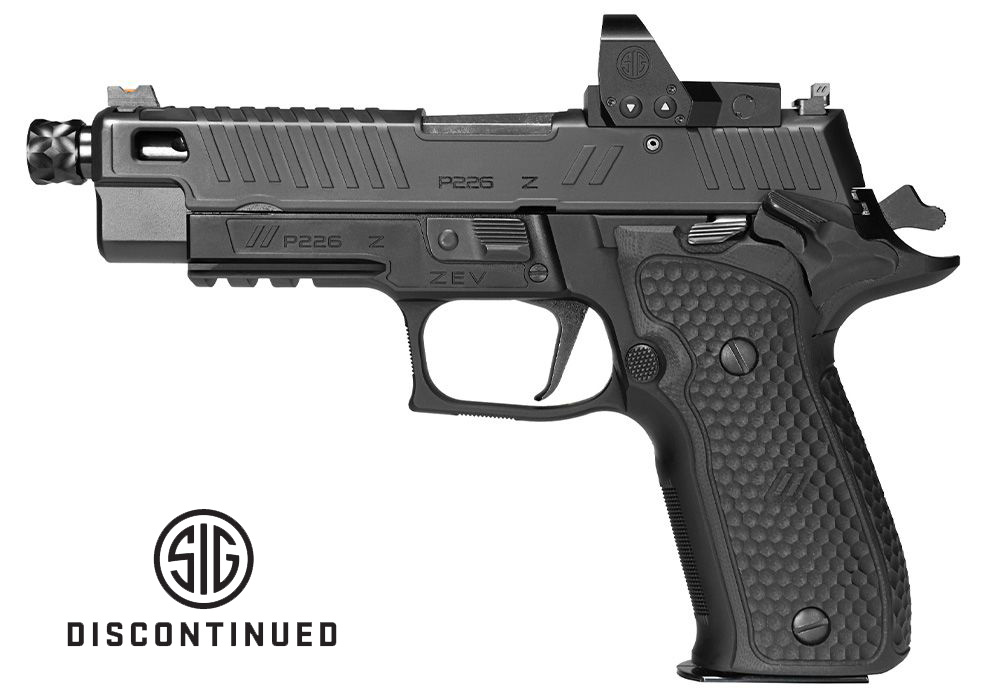
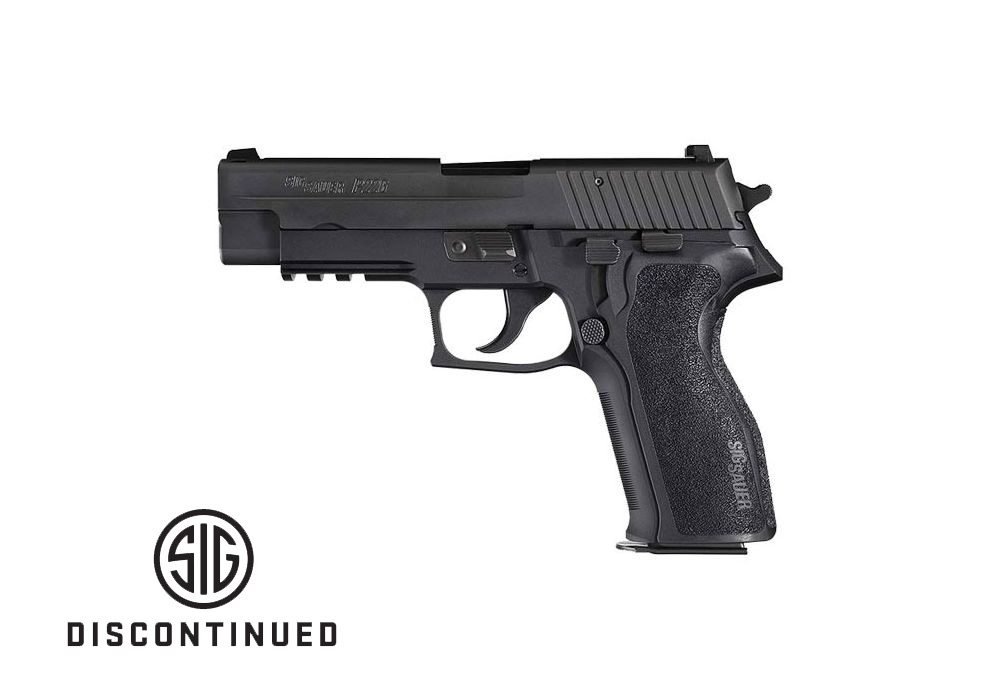
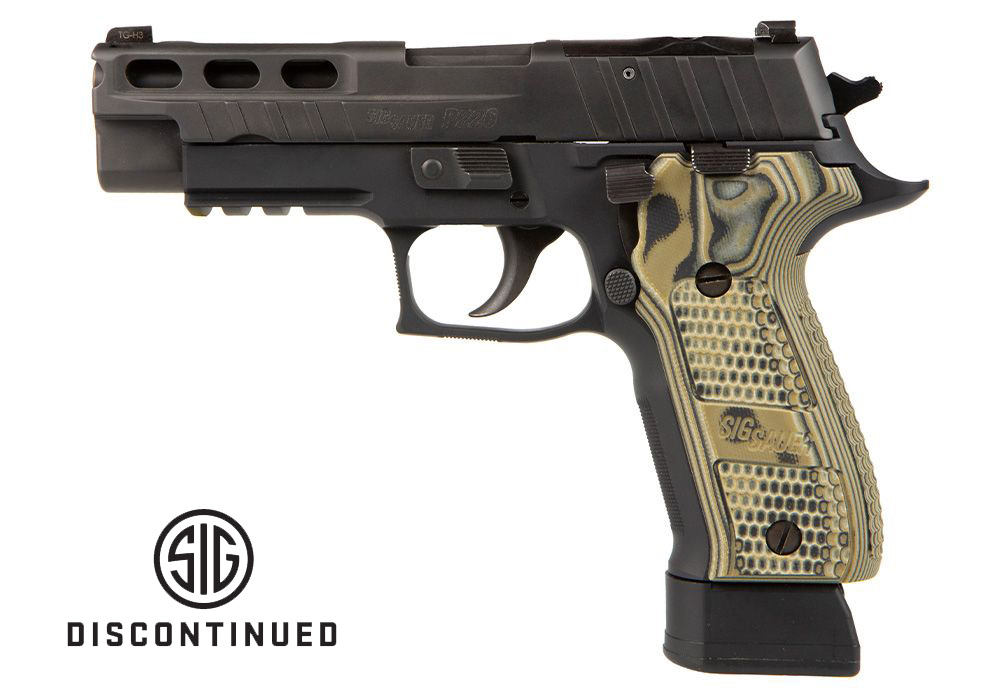
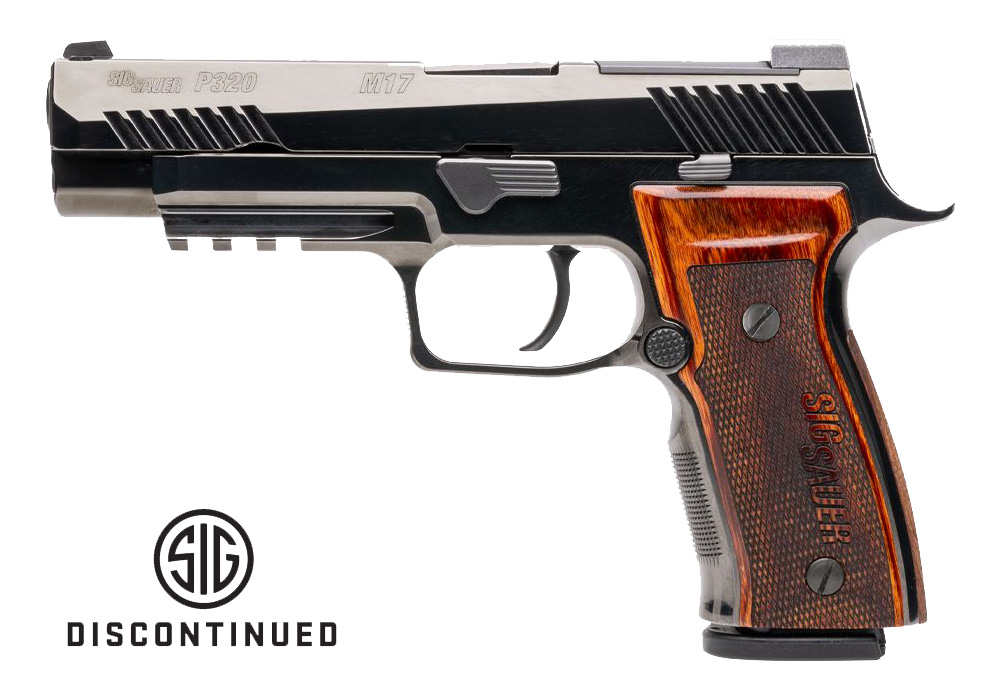
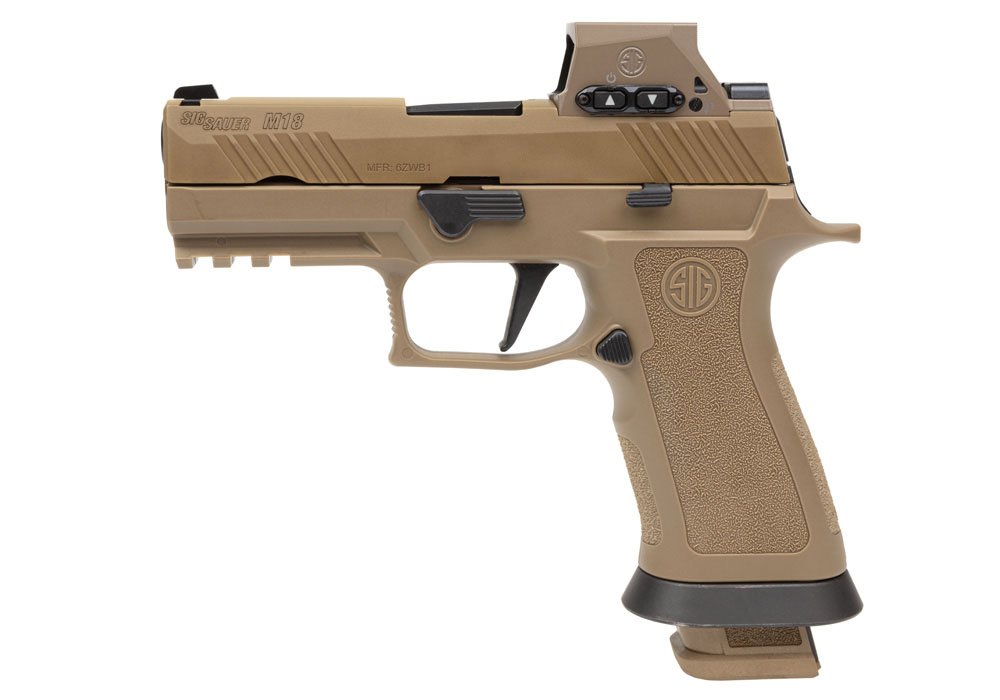
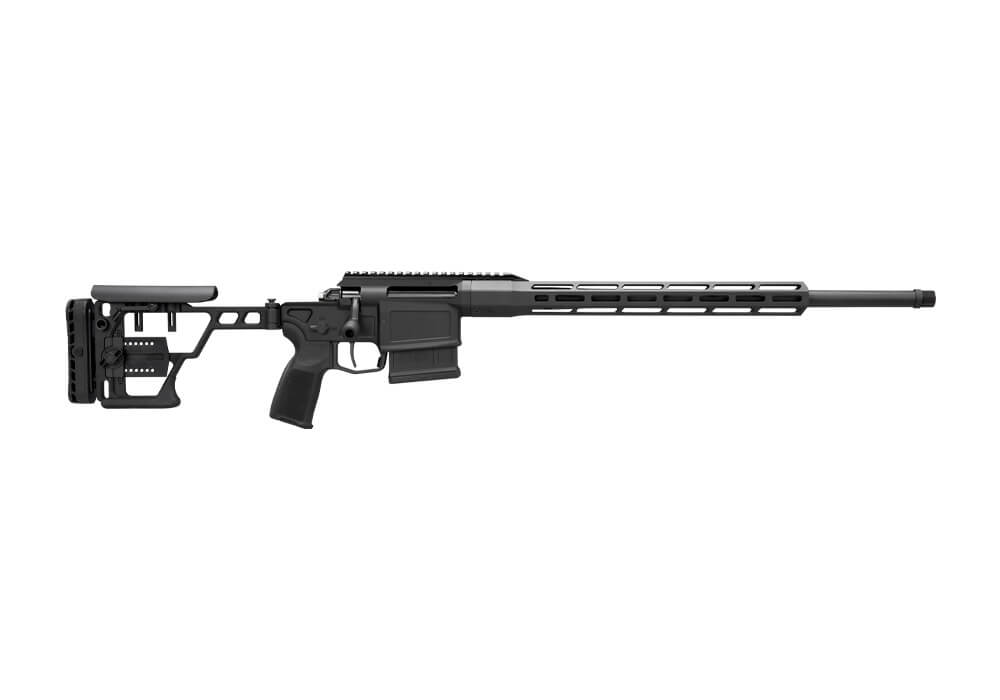
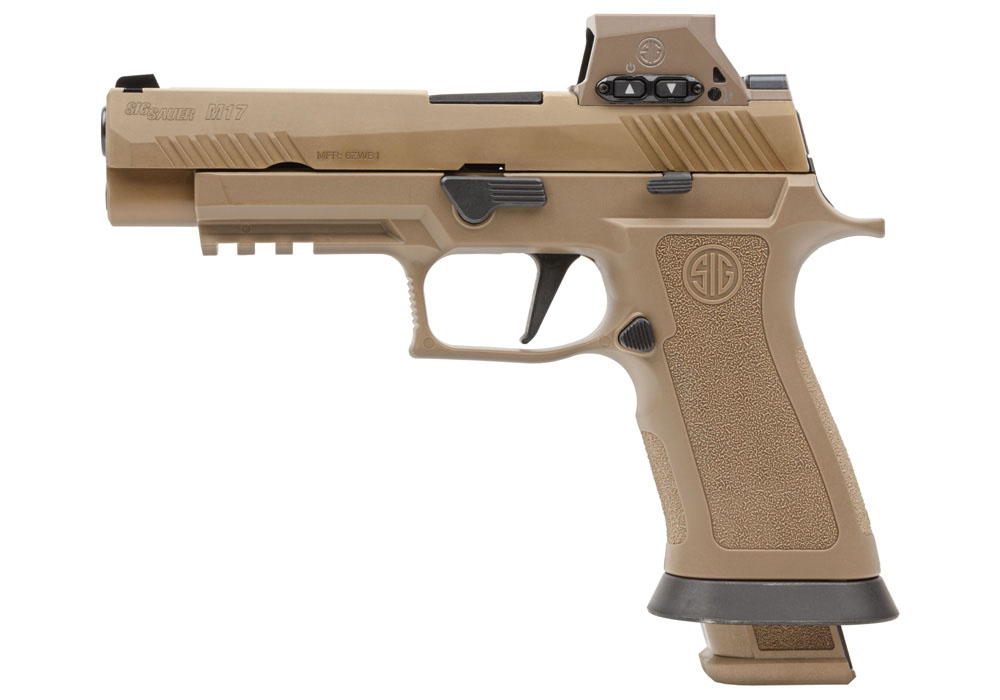
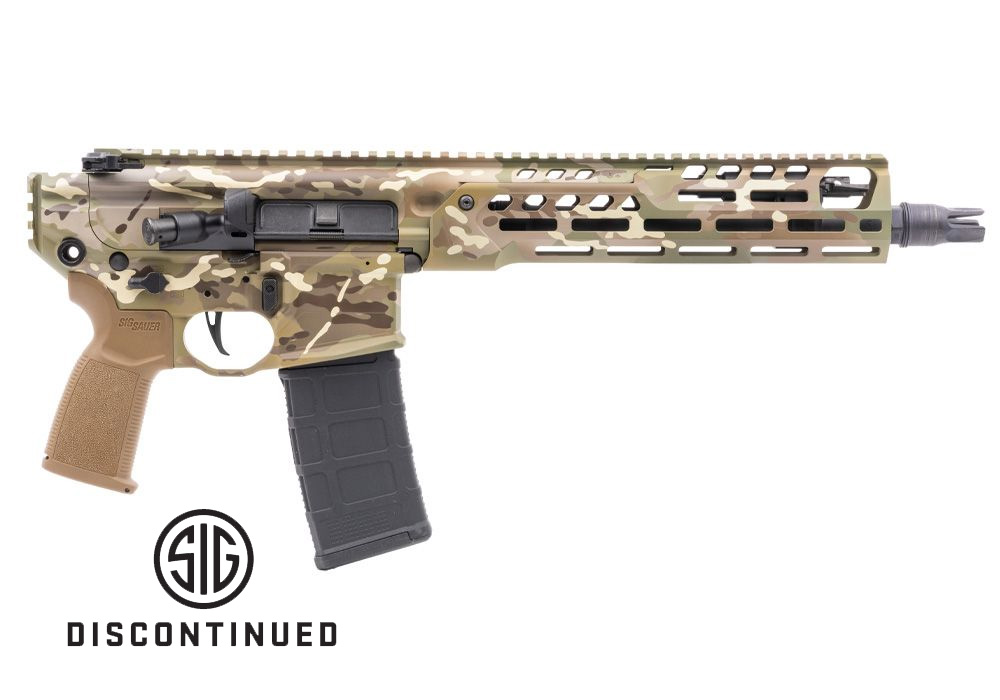
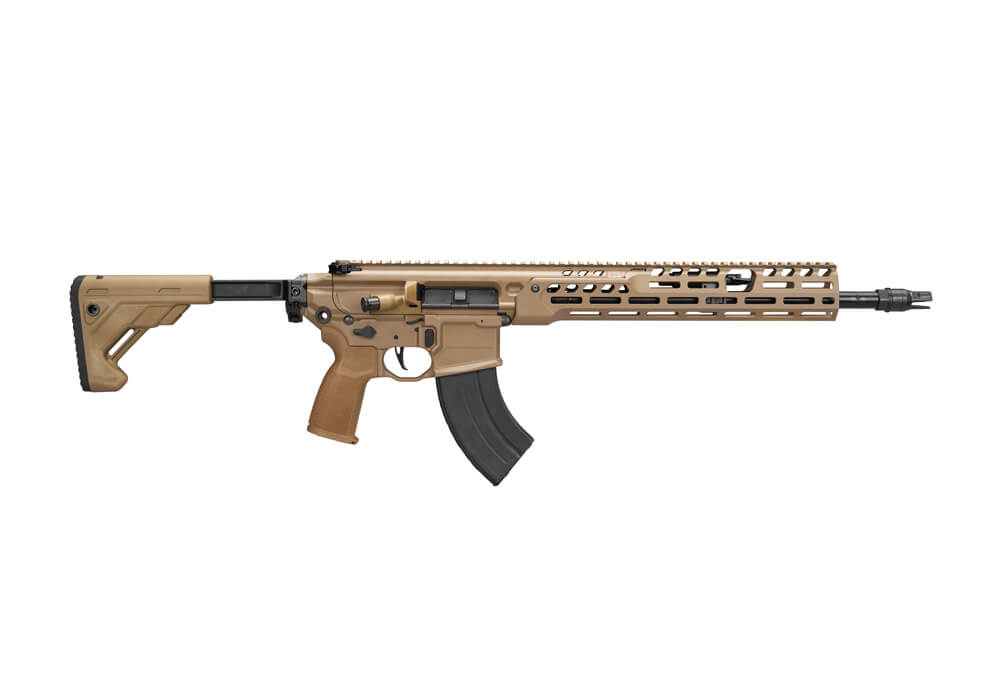
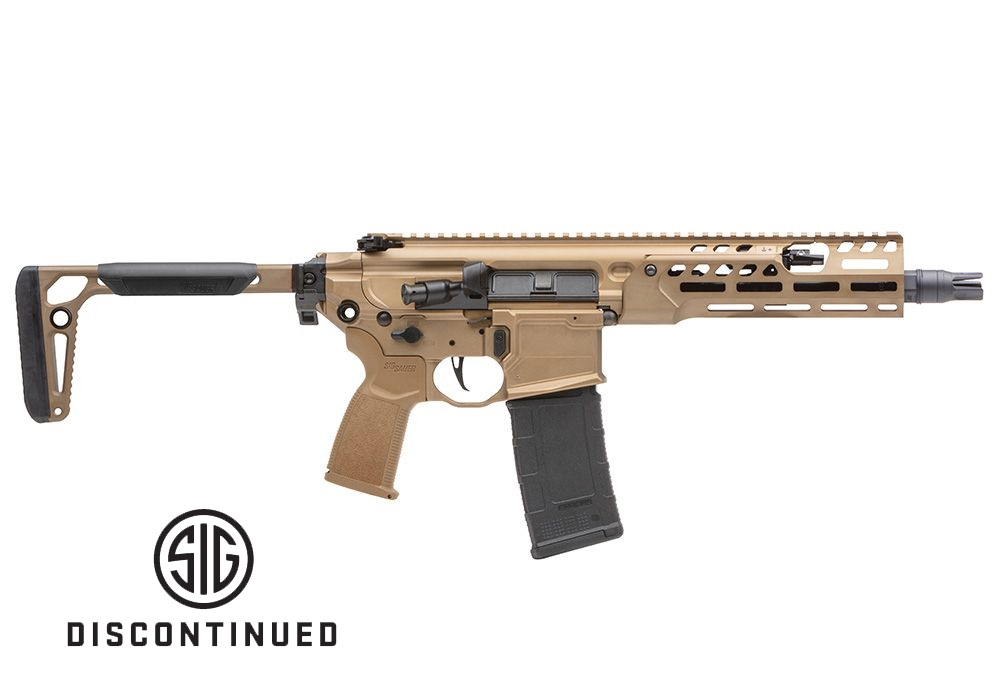
Military style firearms for collectors bring together mechanical design, service history, and the enduring appeal of objects that reflect important chapters in the past. This category may include historic surplus battle rifles, service pistols, bolt-action rifles, carbines, and modern commercial firearms styled after issued military arms. Some collectors are drawn to the practical engineering of a semi-automatic action, while others appreciate the deliberate rhythm of a bolt-action rifle or the compact proportions of a service pistol. Each type offers a different way to explore firearms history: the shape of a stock can reflect the equipment standards of its era, a sighting system can reveal the priorities of military planners, and a durable finish may show how a firearm was expected to perform in demanding field conditions. Collectors often choose pieces connected to a particular conflict, service branch, design period, or mechanical milestone, building a collection that feels personal rather than simply accumulated. A first purchase may mark an interest in military history, while a later addition can fill a gap in a carefully organized collection of service arms. These firearms may also appeal as gifts for an experienced collector, reenactor, competitive shooter, or family member who values historical design, provided the recipient is legally eligible and the buyer understands applicable transfer requirements. For anyone new to the category, it helps to define the purpose before comparing options. A firearm intended primarily for display may be evaluated differently from one that will be used at a supervised range, and a historically significant original may require more careful handling than a modern commercial variant designed for regular shooting.
Condition and authenticity are central considerations when comparing military style firearms for collectors. Originality can influence both historical interest and collector value, so examine whether major components appear consistent with the firearm’s period and configuration. Matching serial numbers on the receiver, barrel, bolt, or other numbered parts may be especially desirable, while mixed or replacement components can indicate an arsenal rebuild, field refurbishment, or later repair. That does not automatically make a firearm a poor choice; many refurbished examples have fascinating service histories and may offer a more accessible entry into collecting. The important point is to understand what you are reviewing and to compare like with like. Inspect photographs closely for alterations, replaced furniture, refinished metal, drilled receivers, non-original sights, and other modifications that may affect authenticity. The bore deserves careful attention as well. Clear, well-defined rifling and a sound crown are meaningful indicators for a firearm that will be fired, while heavy wear, corrosion, pitting, or damage may require professional evaluation before use. Original bluing, parkerizing, or other period-correct finishes can matter to collectors, but an honest worn finish may tell a more compelling story than a recent restoration. Import marks, arsenal stamps, proof marks, and discreet cartouches can provide valuable clues about a firearm’s route through service and civilian ownership. Because markings can be difficult to interpret and reproductions exist, reputable documentation, a qualified gunsmith, and an experienced collector’s reference library are worthwhile resources. When maintenance or replacement is appropriate, explore dedicated resources such as Parts For Gun Collectors while confirming compatibility and relying on a qualified professional for any work that affects safety or function.
Purchasing a collectible firearm also calls for practical planning beyond historical appeal. Confirm that the firearm is legal to own in your jurisdiction, review transfer rules before completing a purchase, and account for any required background checks, permits, waiting periods, or dealer procedures. Regulations may vary by firearm type, configuration, and location, and a compliant purchase is always the foundation of responsible collecting. Consider the total cost as well: secure storage, transportation, cleaning supplies, professional inspection, ammunition, and possible restoration can all shape the long-term value of an acquisition. A locking safe or other appropriate storage solution protects the collection from unauthorized access, while a simple record of serial numbers, photographs, purchase documents, condition notes, and provenance can make future insurance or estate planning easier. Collectors who intend to visit a range should look for a facility familiar with older firearms and military-style configurations, then use suitable ammunition and follow the manufacturer’s guidance and range rules. During warmer weather, a careful inspection for moisture and corrosion is worthwhile after transport or outdoor use; during cooler months, allow a firearm brought indoors from the cold to reach room temperature before opening its case, helping reduce condensation. Whether displayed in a dedicated safe, handled during a history-focused discussion, or used on a supervised range, these firearms reward patience and respect. The most satisfying collections are often the ones with a clear story behind them—pieces selected for their design, documented history, condition, and place within a broader understanding of military small arms.