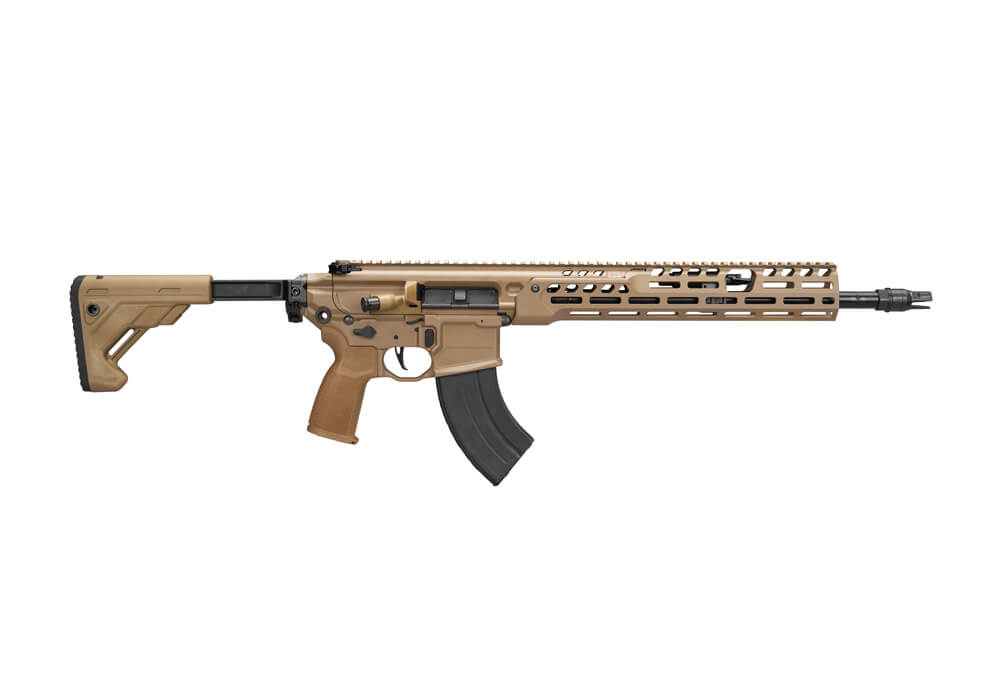
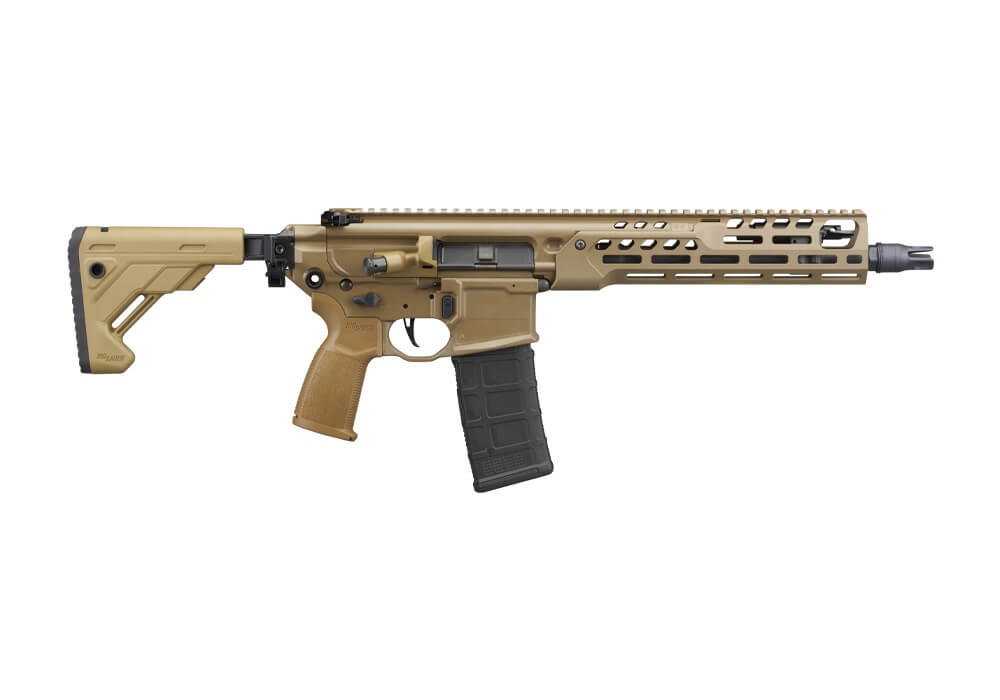
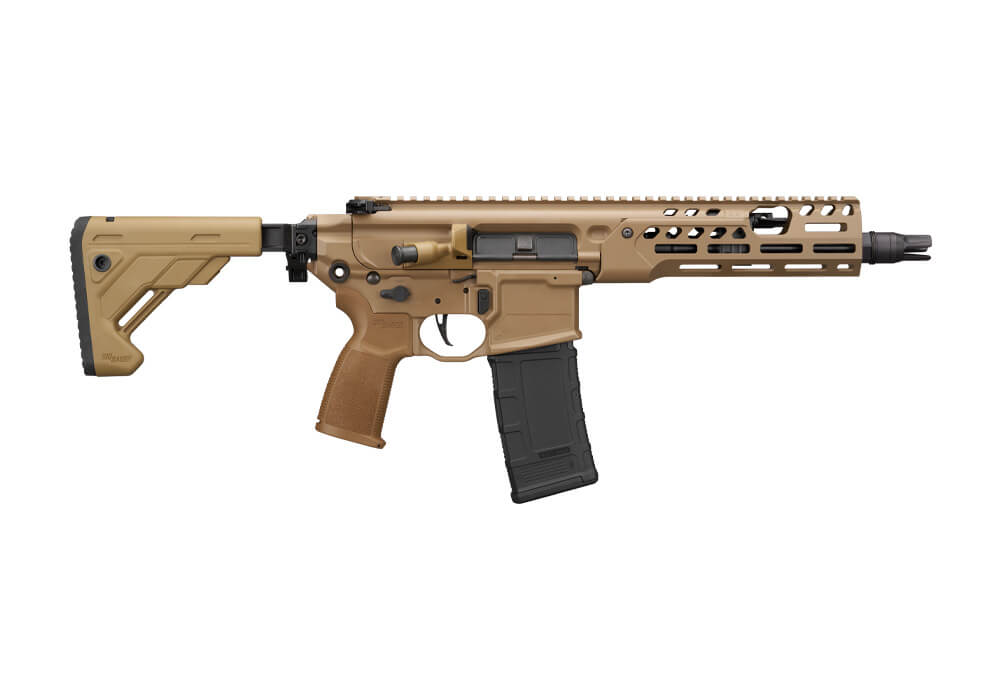
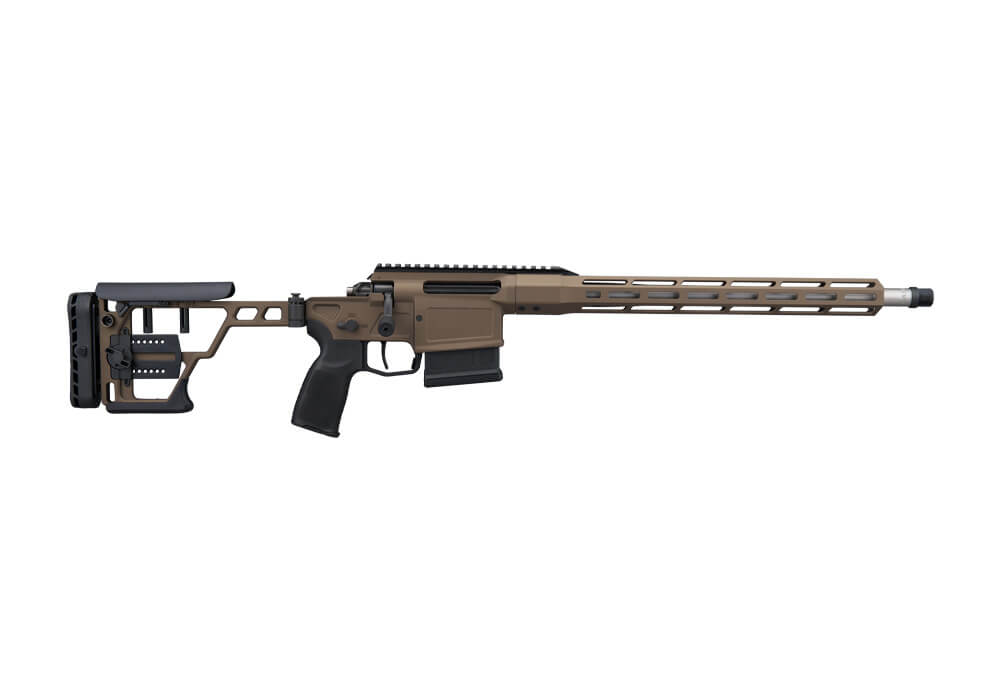
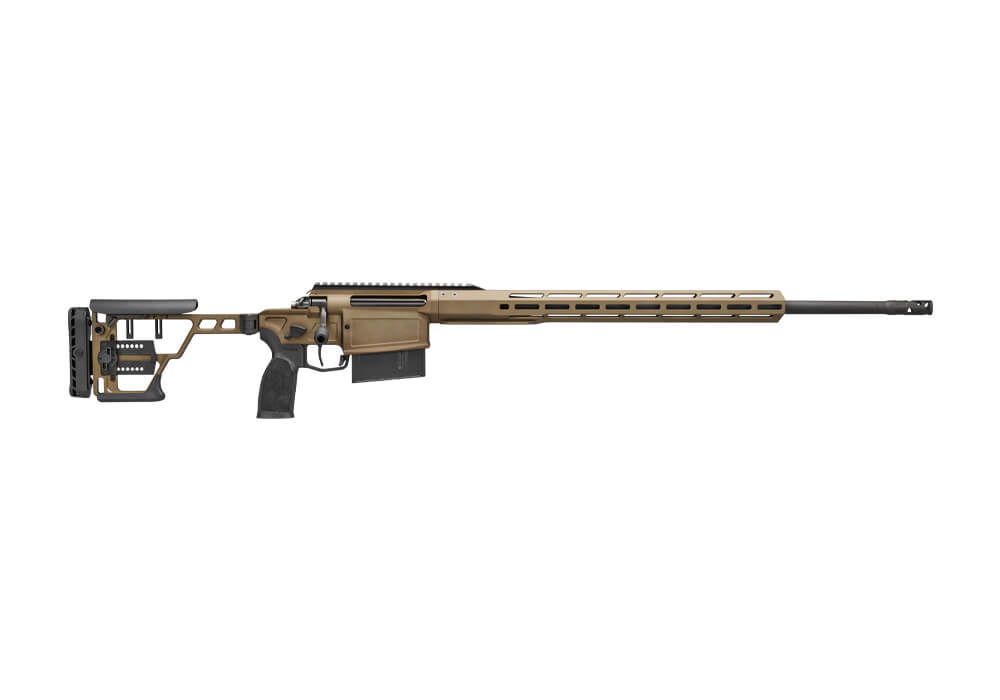
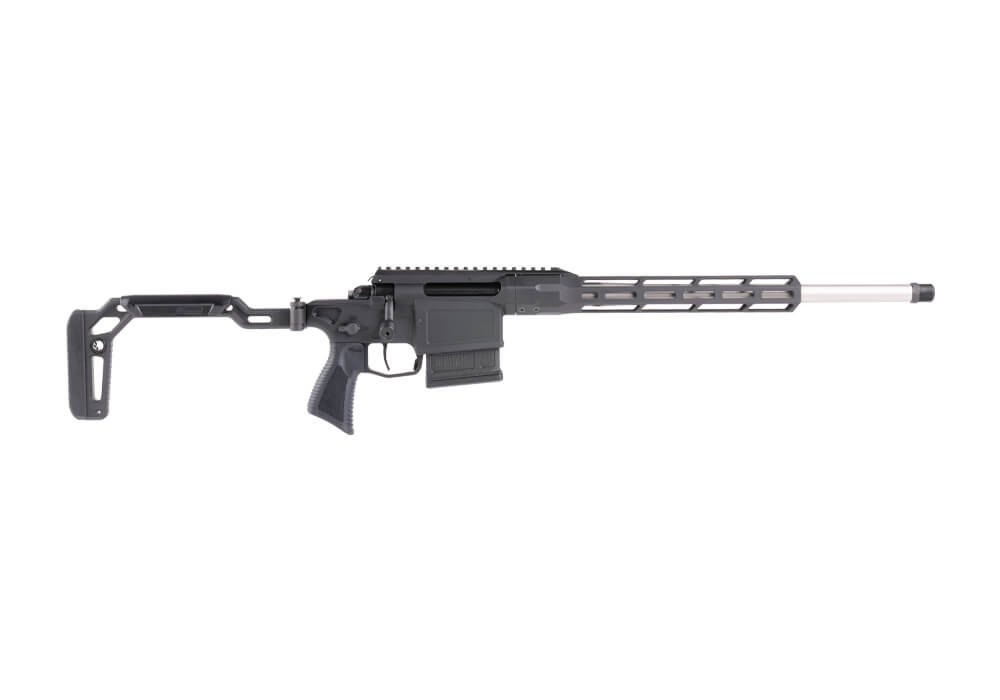
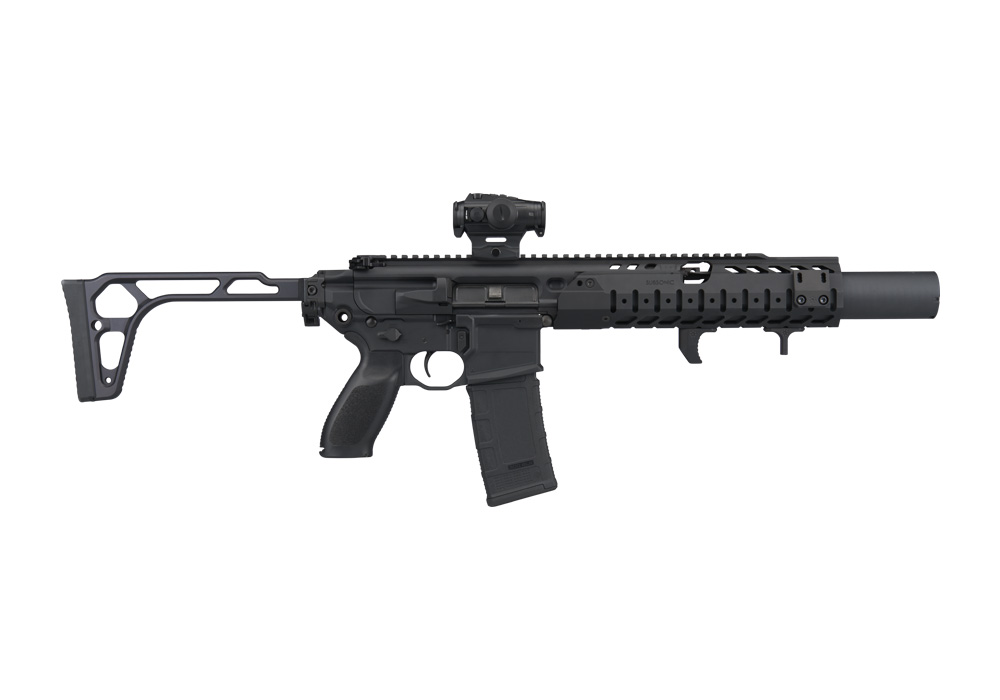
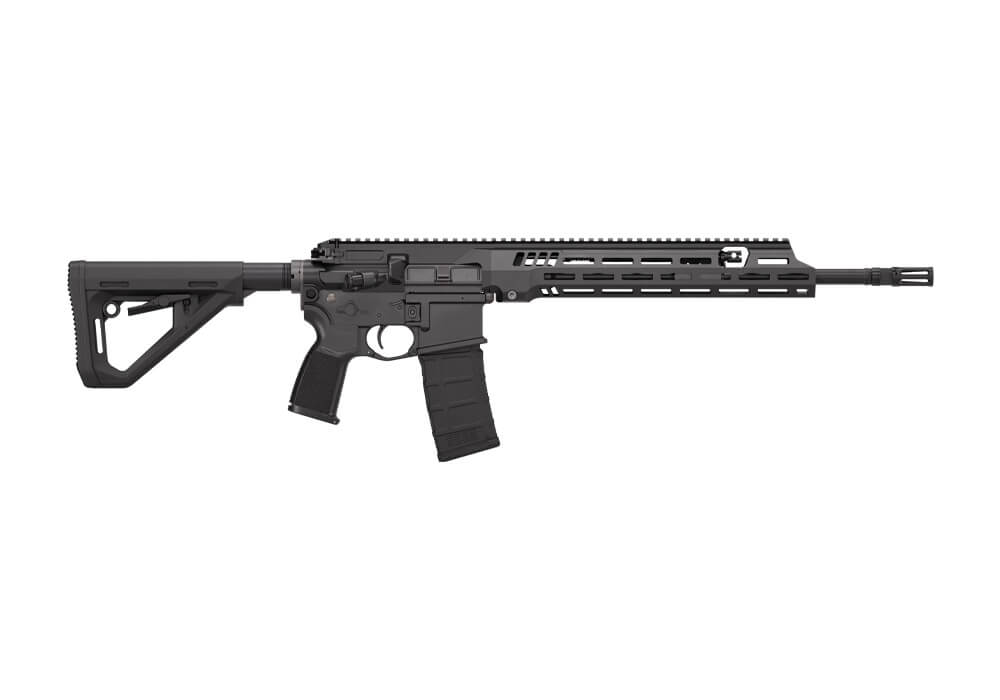
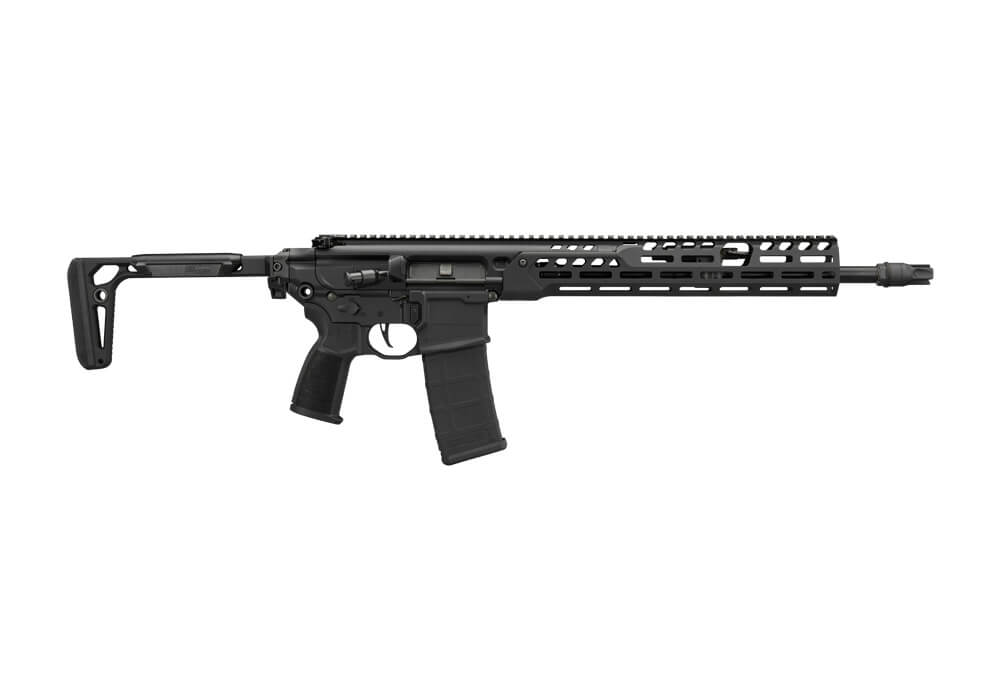
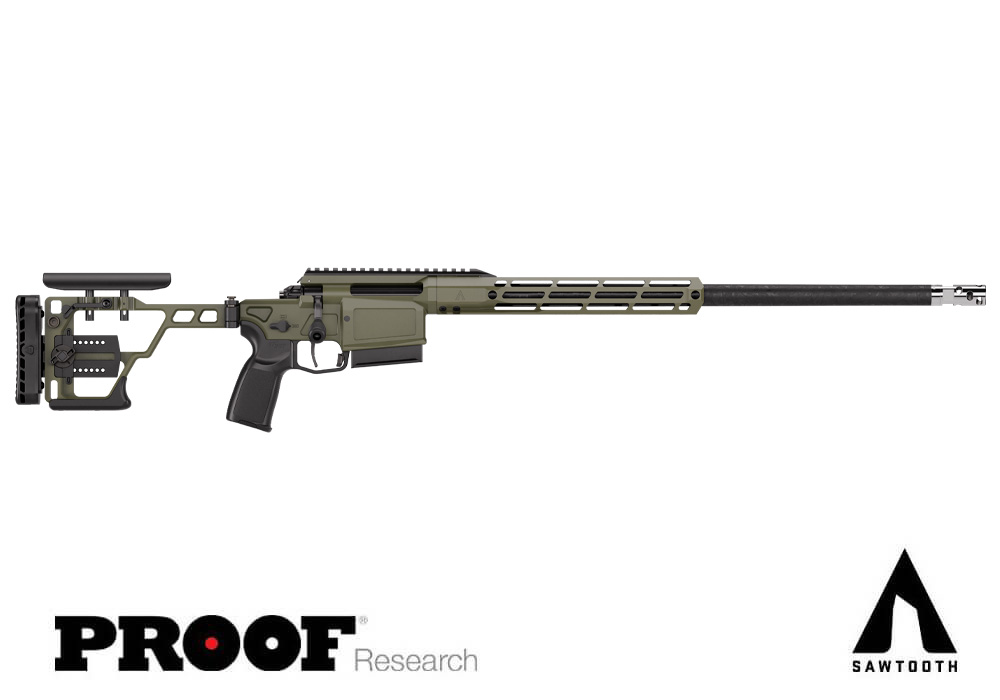
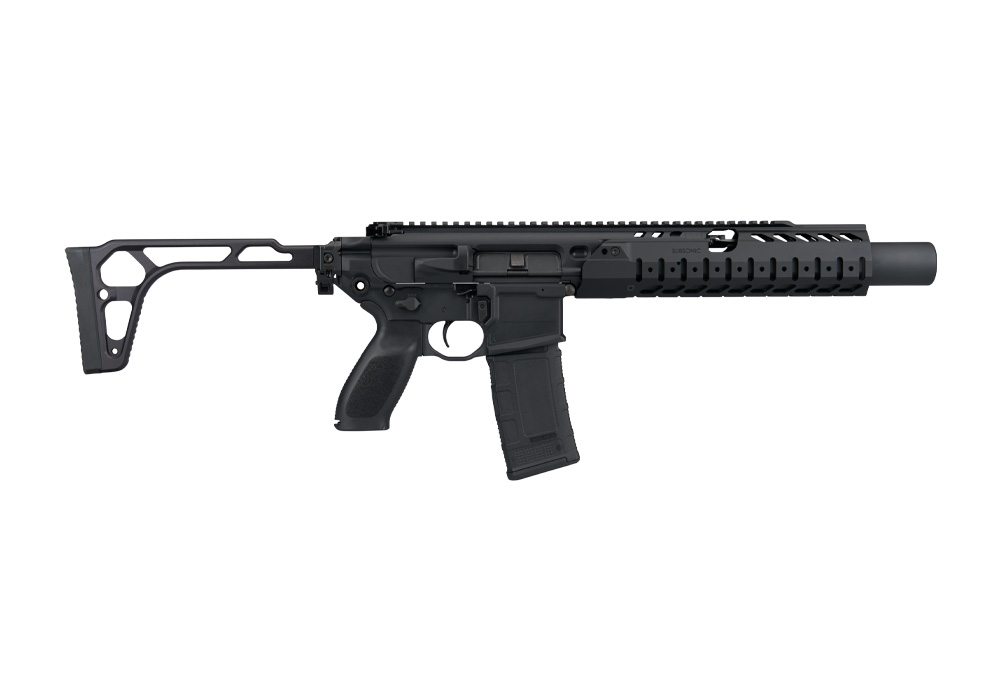
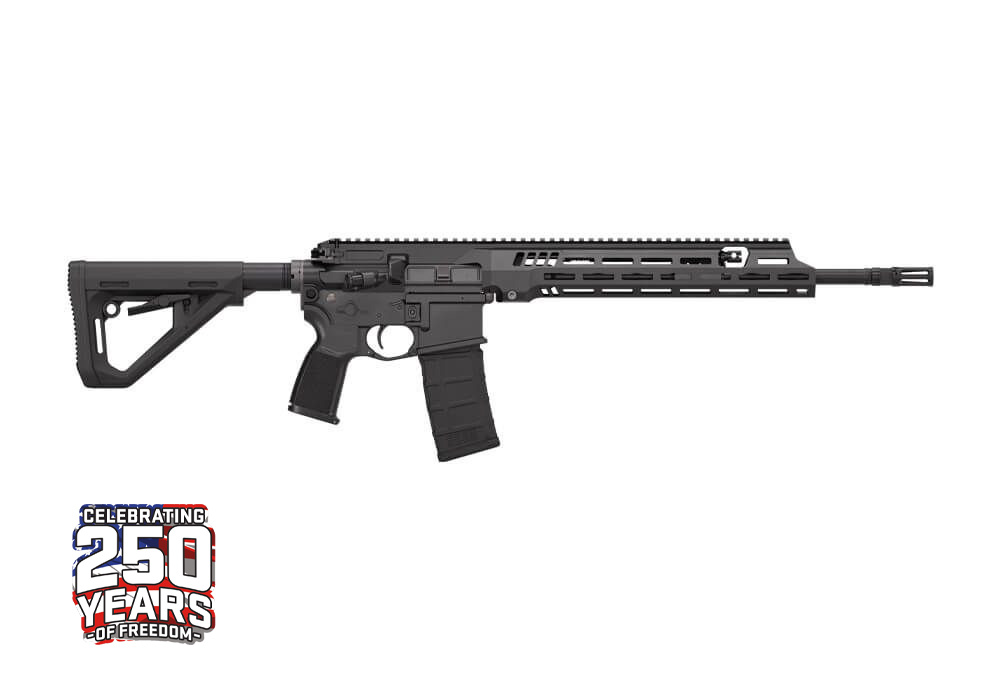
Compact tactical rifles appeal to collectors who appreciate the meeting point of military design, sporting utility, and modern engineering. These firearms typically emphasize a reduced overall footprint without giving up the handling characteristics, controls, or modular architecture associated with a full-size rifle. The category can include folding-stock carbines, bullpup configurations, short-barreled rifles (SBRs), compact semi-automatic platforms, and precision bolt-action designs with folding stocks. Some collectors are drawn to the visual language of a particular era, while others focus on mechanical innovation, unusual operating systems, or the way a compact platform solves practical transport and storage challenges. A rifle with a folding stock may offer a distinctive configuration and a compact storage profile, while a bullpup layout can retain a longer barrel within a shorter overall length. Precision-oriented models may attract collectors who value a smooth action, a rigid chassis, and a field-ready design that bridges the gap between a traditional hunting rifle and a modern tactical platform. Chambering is another important part of the category’s appeal. Common rifle cartridges, intermediate rounds, pistol-caliber formats, and specialized options such as .300 BLK or 6.8x51 can each add a different point of interest to a collection, whether the focus is ballistic development, military history, platform compatibility, or simply the distinctive character of the firearm. As with any firearm purchase, intended use, safe storage, and familiarity with the platform should guide the selection. Compact dimensions can make a rifle easier to transport to an approved range or store in a secure safe, but they do not reduce the need for responsible handling, a proper case, eye and ear protection, and consistent training.
Collectors often evaluate compact tactical rifles through the same careful lens used for other historically or technically significant firearms: configuration, condition, originality, documentation, and long-term serviceability. Factory-original examples, matching serial numbers, unaltered markings, original finishes, and included manuals or transport cases may be especially meaningful to someone building a focused collection. Limited production runs, uncommon configurations, distinctive factory finishes, and models associated with notable design milestones can also add interest, although rarity alone should never replace a careful review of condition and authenticity. Examine the receiver and controls for wear, inspect the bore and muzzle for signs of damage, and look closely at folding mechanisms, stock interfaces, rails, and other moving or high-contact components. For a used firearm, a qualified gunsmith can provide an objective inspection and help identify modifications that may affect value, reliability, or compliance. Buyers should also consider parts availability, magazine compatibility, optic and accessory mounting standards, and whether the chosen configuration can be maintained without compromising its original character. A collector who enjoys range time may prefer a platform with an intuitive manual of arms and readily available ammunition, while someone assembling a display centered on design history may place greater value on unusual configuration details and preserved packaging. Compact tactical rifles can be meaningful gifts for a spouse, parent, or experienced shooting-sports enthusiast, but they should only be transferred to an eligible adult in accordance with all applicable federal, state, and local requirements. The recipient’s preferences, storage arrangements, training background, and ability to lawfully possess the firearm deserve consideration before any gift is selected, and a secure storage solution can be an equally thoughtful part of the presentation.
Legal classification is particularly important when reviewing compact rifles. A short-barreled rifle may be subject to additional federal registration, transfer, and documentation requirements, while state and local laws can impose separate restrictions on barrel length, overall length, folding or adjustable stocks, magazine configuration, or other features. Regulations can change, and the same configuration may be treated differently depending on the jurisdiction, so buyers should confirm the current rules with the appropriate authorities and complete every required step before taking possession. Retailer policies, transfer procedures, identification requirements, and waiting periods may also apply. For collectors who prefer a simpler ownership path, a compact carbine or rifle configuration that remains outside SBR classification may provide many of the same practical and aesthetic qualities while reducing administrative complexity, subject to local law. Safe handling remains central regardless of configuration: keep the firearm pointed in a safe direction, treat every firearm as loaded, keep the action open when appropriate, store firearms unloaded and secured from unauthorized access, and separate ammunition when required by the household’s storage plan. A well-chosen compact tactical rifle can serve as a distinctive addition to a collection, a platform for supervised range practice, or an example of how contemporary firearms engineering balances portability, modularity, and performance. Browse this selection alongside related Gun Collector Items to compare compact forms, precision features, historical character, and collector-focused details that remain appealing through the cooler months and beyond.