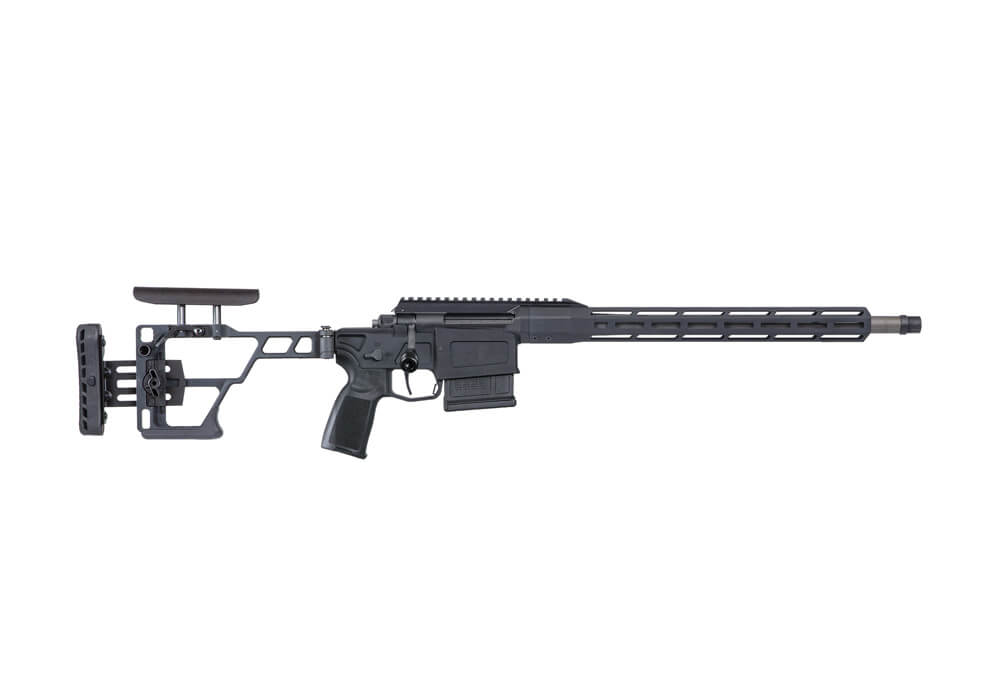
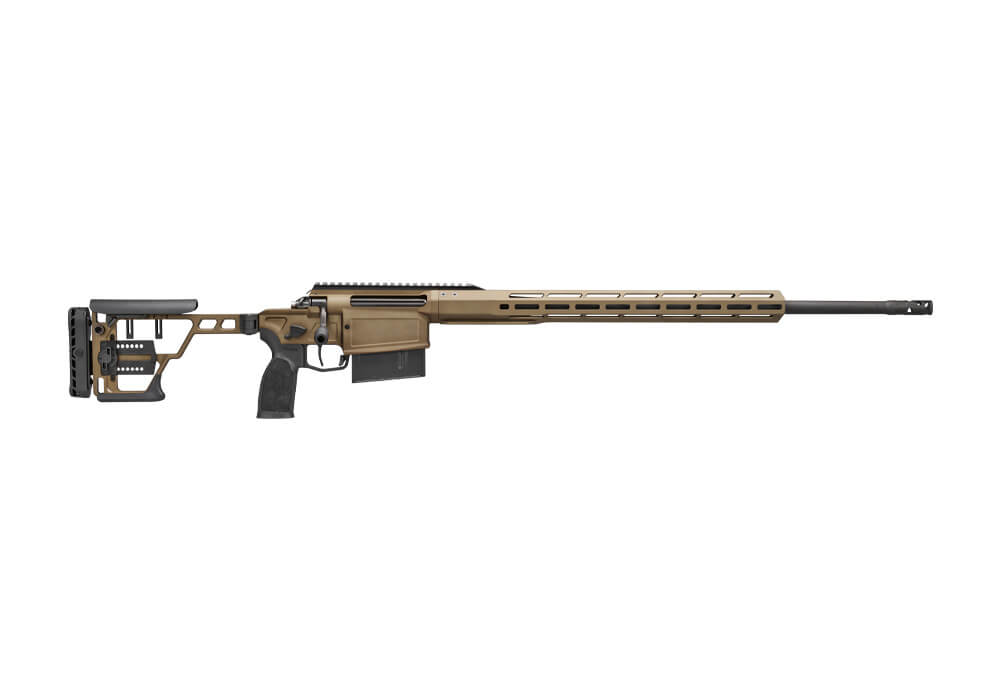
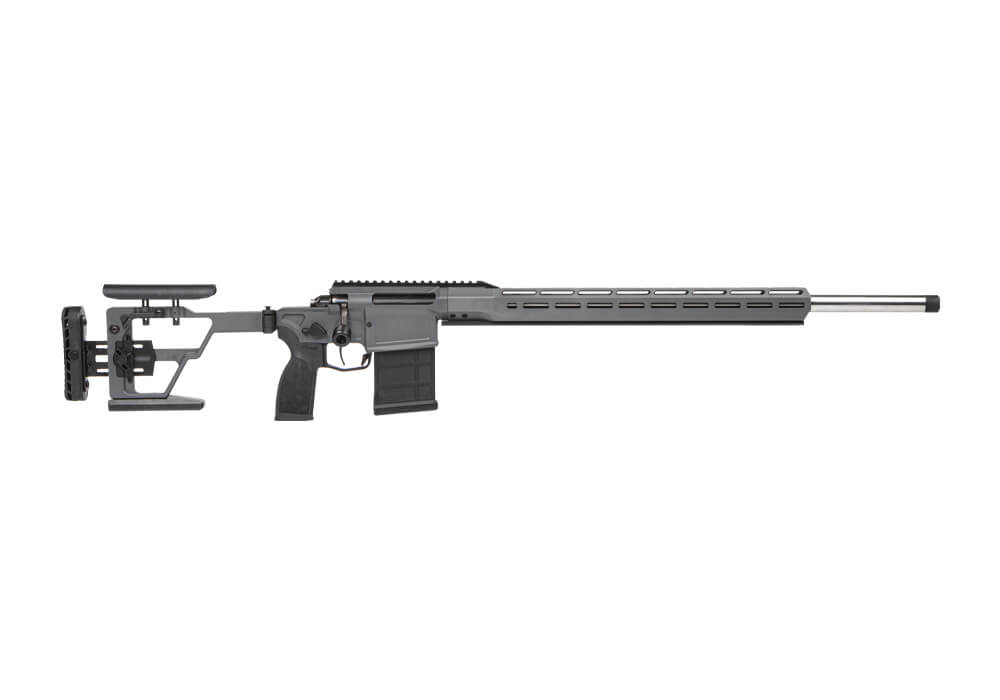
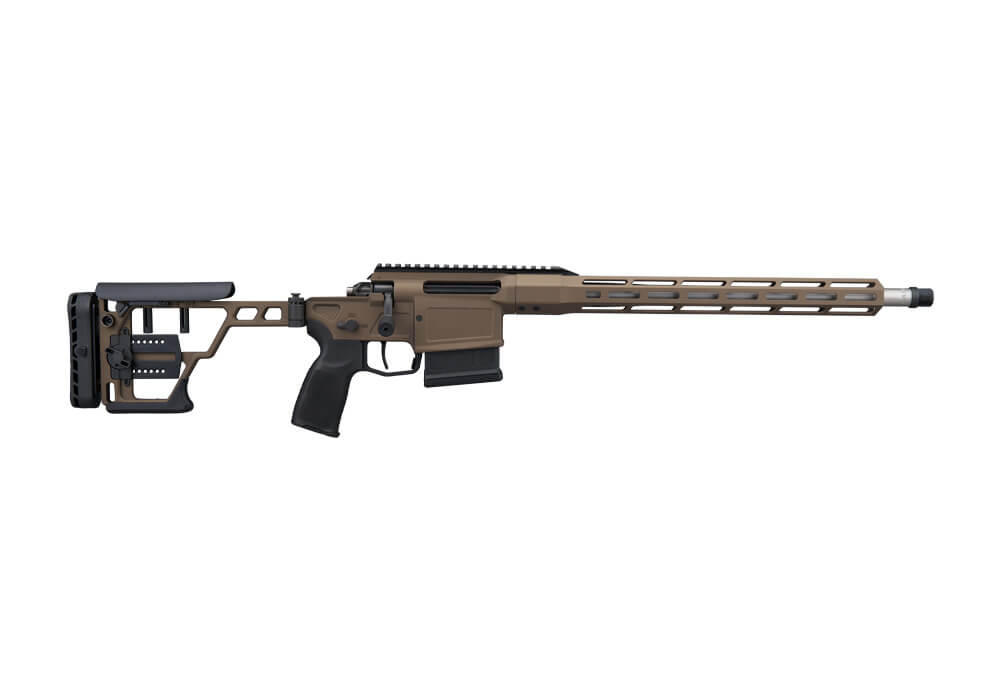
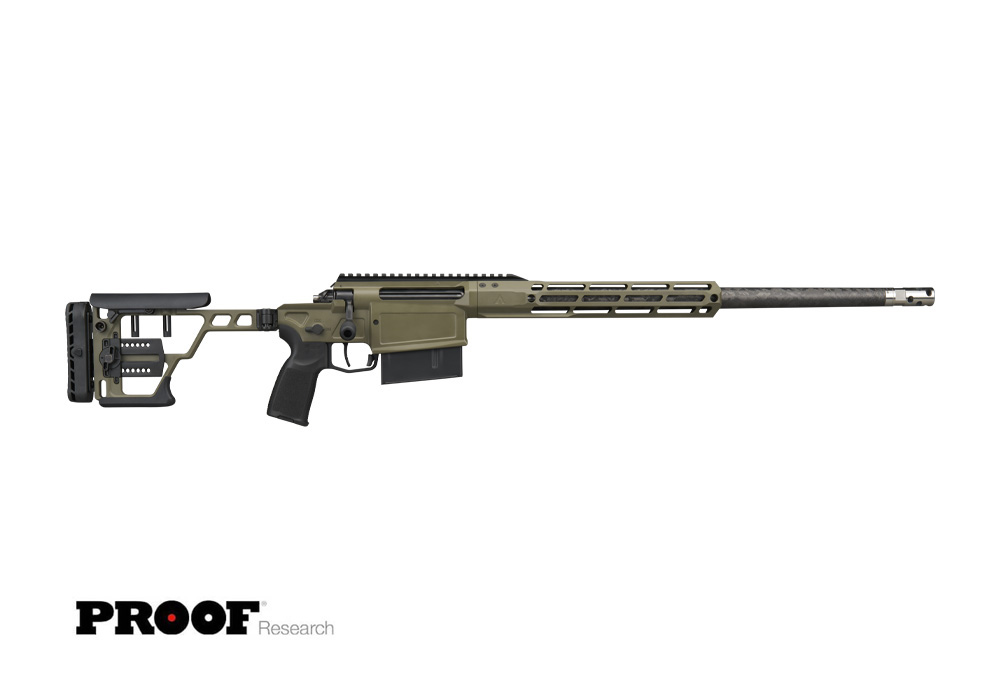
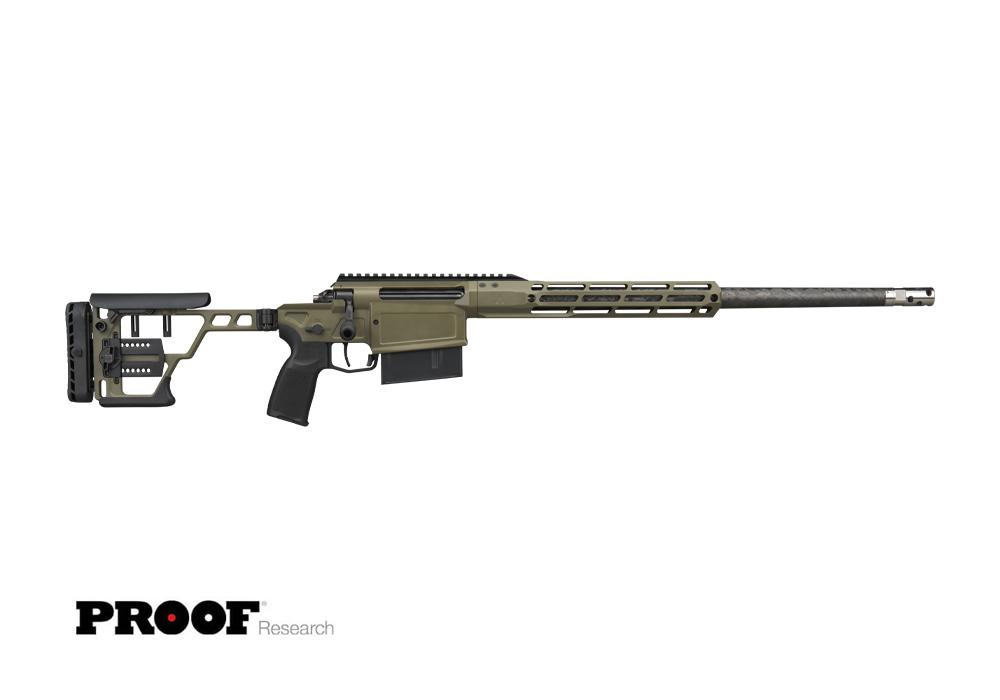
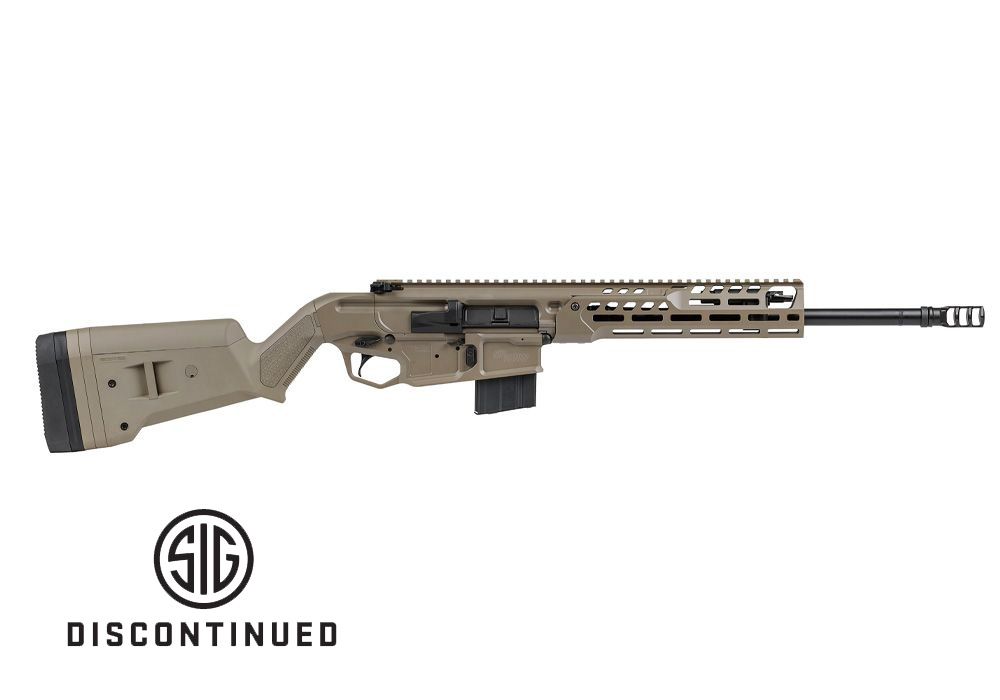
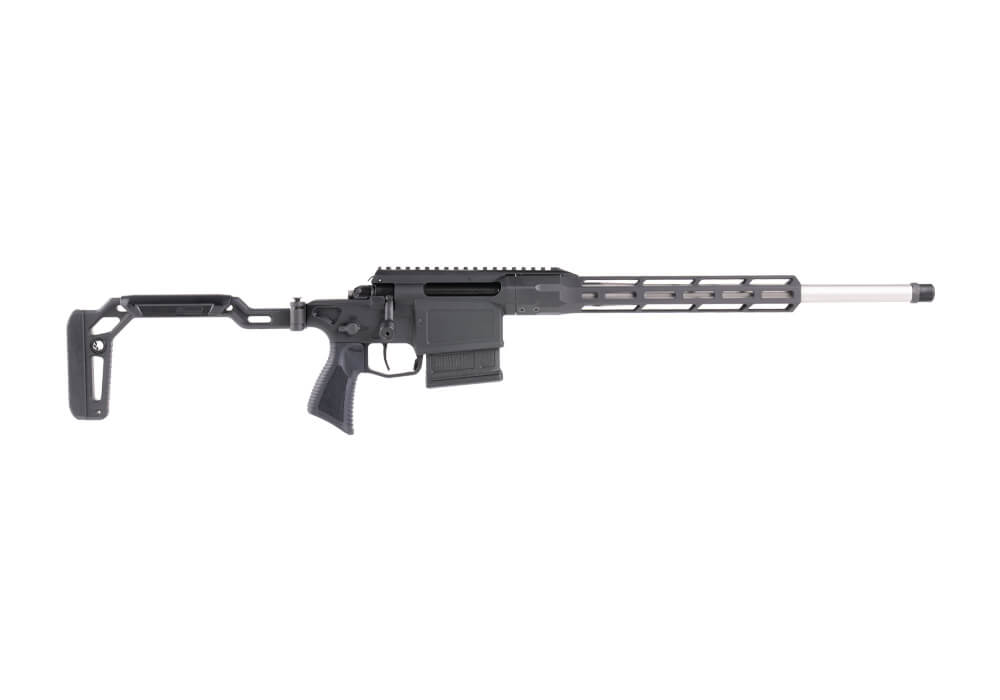
Hunting rifles for collectors represent more than practical sporting equipment; they preserve the design language, craftsmanship, and field traditions of the rifles that shaped generations of hunters. A well-chosen collectible may reflect the transition from early single-shot innovations to refined bolt-action systems, classic lever-actions, and elegant falling-block designs. Many enthusiasts begin with rifles associated with the pre-1964 era, when hand-fitting, deep bluing, finely checkered stocks, and distinctive mechanical details were central to a rifle’s identity. Others focus on later examples that introduced important developments while retaining the proportions and handling qualities associated with traditional sporting arms. Controlled-round-feed actions remain especially appealing to collectors because of their mechanical character and historical significance, while single-shot rifles attract those who value simplicity, precision, and the deliberate pace of a one-shot field rifle. European sporting rifles, double rifles, drillings, and other specialized configurations offer another avenue for a collection, bringing distinctive lines and specialized design traditions to the display. The products gathered in this category can appeal to experienced collectors, hunters who appreciate heritage-inspired firearms, and those building a focused collection around action type, era, chambering, stock design, or intended game. They may also make meaningful gifts for a family member or close friend who enjoys hunting history, traditional rifle craftsmanship, or the careful study of firearms. A collectible rifle is best selected with the recipient’s interests, experience level, and applicable laws in mind, and any transfer should be completed through the required legal channels.
Condition and originality often play a central role in evaluating hunting rifles for collectors. Factory finishes that remain crisp, original wood stocks without extensive alterations, clear barrel markings, and intact sights can all contribute to a rifle’s appeal. Matching serial numbers and consistent markings across the receiver, bolt, stock, and other major components may help establish whether a rifle has remained together throughout its service life. Small details can tell a vivid story: honest wear along the comb where a hunter repeatedly brought the rifle to the shoulder, softened checkering from years in the field, or a faint sling impression that suggests seasons spent moving through timber and open country. At the same time, heavy refinishing, replacement stocks, drilled receivers, modified sights, or non-original parts may affect collector interest, even when the rifle remains fully functional. Provenance can add another layer of meaning, particularly when documentation records a previous owner, a family history, a hunting trip, or a connection to a notable period in sporting history. Buyers should examine photographs and descriptions carefully, compare serial-number information where available, and seek qualified appraisal or gunsmith input when condition, originality, or mechanical status is uncertain. Market value can vary substantially according to scarcity, configuration, condition, documentation, and current demand, so a thoughtful purchase is usually preferable to an impulsive one. For collectors who appreciate a more contemporary profile alongside traditional sporting arms, the related selection of Compact Tactical Rifles for Collectors offers a different perspective on how rifle design has evolved.
Use is another important consideration when choosing from a collection of hunting rifles. Some owners preserve their most historically significant pieces as display rifles, while others select sturdy examples that can be taken afield under appropriate conditions and with careful attention to preservation. A rifle intended for occasional hunting should be evaluated for fit, weight, balance, sighting equipment, chambering, and the availability of suitable ammunition. Stock dimensions can influence comfort during a long walk through thick cover, while a heavier barrel or full-length stock may feel steady from a blind or supported position. Optics, mounts, and other accessories should be selected in a way that respects the rifle’s purpose and, in the case of a vintage firearm, avoids unnecessary permanent alteration. Before firing any older rifle, have it inspected by a qualified gunsmith who can assess the bore, chamber, action, headspace, stock integrity, and overall serviceability; never assume that age alone indicates a rifle is safe to shoot. Ammunition must match the exact chambering and firearm specifications, and local regulations should be reviewed before purchase, transport, possession, or use. During the cooler months, collectors may spend more time organizing display cases, researching markings, documenting serial numbers, and preparing a rifle for a carefully planned range session or lawful hunt. Secure storage, locked containers, appropriate humidity control, and separation from unauthorized users help protect both the collection and the people around it. Whether the goal is to preserve a tangible piece of hunting heritage, build a focused study of classic actions, or give a lasting gift to someone who values fine sporting arms, the right collectible hunting rifle combines mechanical interest, visual character, and a story that can remain meaningful for years.