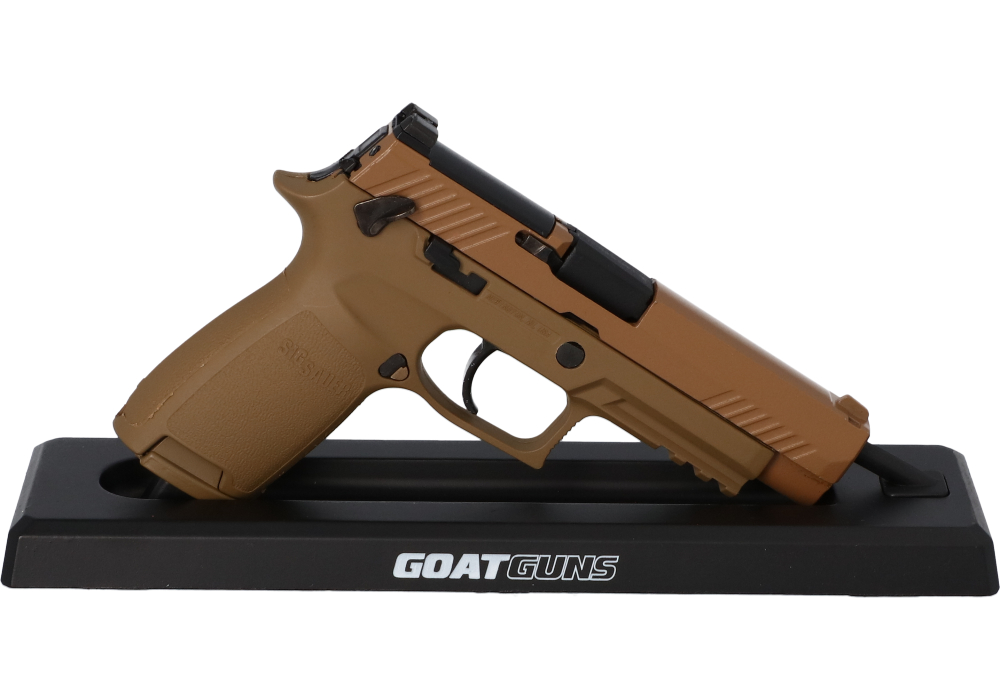
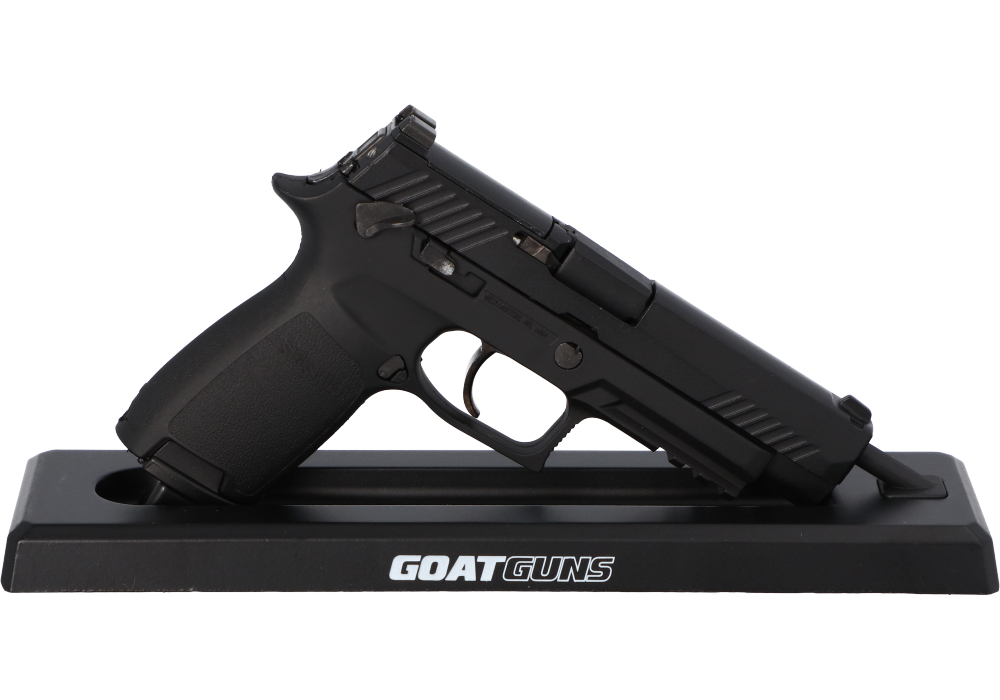
Gun collector items encompass collectible firearms, historical accessories, and related pieces valued for their design, condition, provenance, or connection to a particular period. Collecting interests can range from military-surplus firearms and traditional lever-action rifles to distinctive handguns, commemorative editions, and examples that illustrate an important change in firearm engineering. Some collections follow a single action type or mechanical feature; others bring together several generations of a design to show how controls, materials, and ergonomics evolved. The Firearm Collectors category at Firearm Collectors connects with this interest in craftsmanship, history, and thoughtful ownership. A collector firearm is not necessarily old, and age alone does not establish rarity or historical significance. Original configuration, documented production details, distinctive markings, and a clear ownership history can all contribute to its appeal. Provenance is the supporting record behind an object, such as dated correspondence, authenticated service records, or documentation connecting a firearm to a known collection. An interesting story is more meaningful when the accompanying evidence supports it. Original packaging, manuals, and matching accessories can also help preserve the context in which a firearm first reached its owner. For someone building a collection around mechanical development, an unusual operating system may matter more than decorative engraving. For someone interested in historical presentation, correct sights, period-appropriate furniture, and consistent markings may be central to the experience. These different priorities explain why gun collecting spans both carefully preserved display pieces and firearms intended for occasional use at an appropriate range. A coherent collection does not need to follow a single formula. It can reflect an interest in sporting traditions, service history, precision machining, or the evolution of everyday handling. The strongest connection often comes from understanding what distinguishes a piece and how it fits the larger story the collection tells. That context gives individual objects meaning beyond their appearance in a cabinet.
Materials and condition shape both the character of collectible firearms and the care they require. Steel components may carry polished bluing, brushed surfaces, protective coatings, or other finishes, while stocks and grips can feature hardwood, laminated wood, polymer, or metal. Each material ages differently. Walnut can develop a rich patina and small handling marks, while metal edges may show finish wear where a firearm contacted a holster or case. Such signs are not automatically defects, but they deserve a different assessment from active corrosion, structural damage, or unexplained alterations. Original finish and later refinishing are distinct characteristics, just as factory configuration differs from subsequent customization. A highly polished surface may look striking without accurately representing the firearm’s earlier appearance. Clear descriptions and detailed photographs are especially useful when evaluating markings, screw heads, grip panels, sight profiles, and the relationship between visible components. Consistency matters, although matching numbers or familiar markings alone do not authenticate an entire firearm. Fit is equally important when related accessories are part of the collecting interest. Similar-looking models can differ in dimensions, attachment points, control placement, and component compatibility, so visual resemblance is not a reliable substitute for documented fitment. Accessories intended for display also serve a different purpose from equipment expected to withstand repeated handling or range use. Durable construction should suit that purpose without placing unnecessary pressure on delicate finishes or older materials. A firearm selected for shooting requires a separate assessment of mechanical condition and ammunition compatibility; collectible status does not establish that it is safe to fire. Qualified inspection is particularly important when age, modifications, or maintenance history leave uncertainties. For a display-focused collection, preservation may take priority over restoring a like-new appearance. Restrained care can retain surface details, markings, and wear patterns that aggressive polishing or inappropriate refinishing could erase. The result is a collection that remains readable as a record of design and use, rather than merely looking uniform from across the room.
The supporting side of a gun collection deserves the same attention as the firearms themselves. Secure storage, suitable protective materials, accurate records, and careful handling help preserve both physical condition and historical context. Long-term storage differs from transport: a padded case that cushions a firearm during a trip may retain moisture or place sustained pressure on a finish when left closed for extended periods. Leather, foam, adhesives, and cleaning chemicals can interact differently with wood, coatings, and metal, making material compatibility an important consideration. Care products should match the surface and the manufacturer’s recommendations, especially where decorative finishes, older stock treatments, or unfamiliar coatings are involved. More cleaning is not always better. Repeated abrasion can soften markings, alter edges, and remove evidence that helps distinguish an original surface from later work. A collection record can be as useful as a display arrangement, bringing together photographs, identifying details, condition notes, maintenance history, and supporting documents in one organized reference. Sensitive records benefit from protected storage separate from the firearms, with copies retained where appropriate. Display should balance visibility with security, supporting each piece without stressing fragile furniture or obscuring important details. Firearms should remain secured against unauthorized access, and ammunition should be stored separately. Collecting can also be a thoughtful gift theme for an enthusiast who enjoys history, craftsmanship, or documenting a family collection. Gifts connected to preservation, secure organization, or reference research can acknowledge that interest without requiring assumptions about firearm fit or personal handling preferences. When a firearm itself is involved, the recipient’s eligibility, applicable laws, and transfer requirements remain essential considerations. Whether the collection centers on historical significance, distinctive engineering, or a personal connection to shooting sports, its supporting pieces should serve a clear purpose. Careful documentation and compatible storage preserve more than appearance: they help keep the object, its history, and the reasons it matters together for the next chapter of ownership.