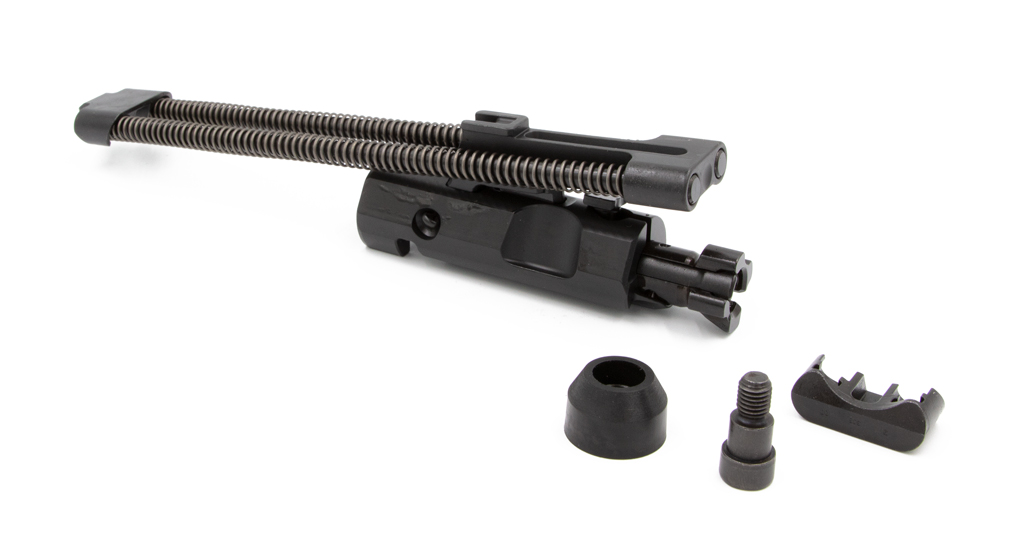
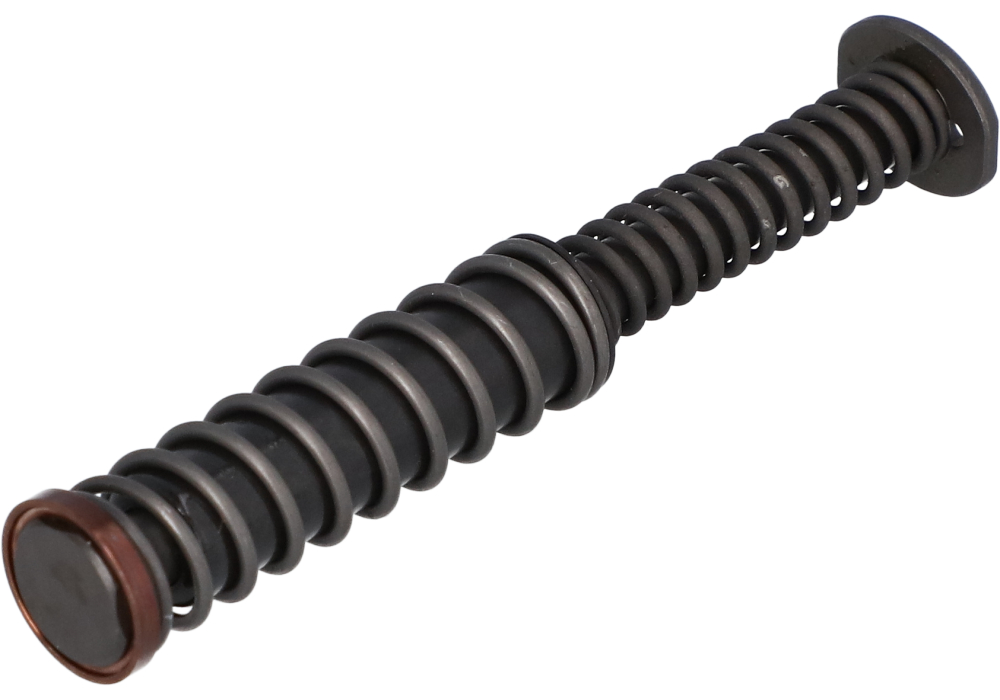
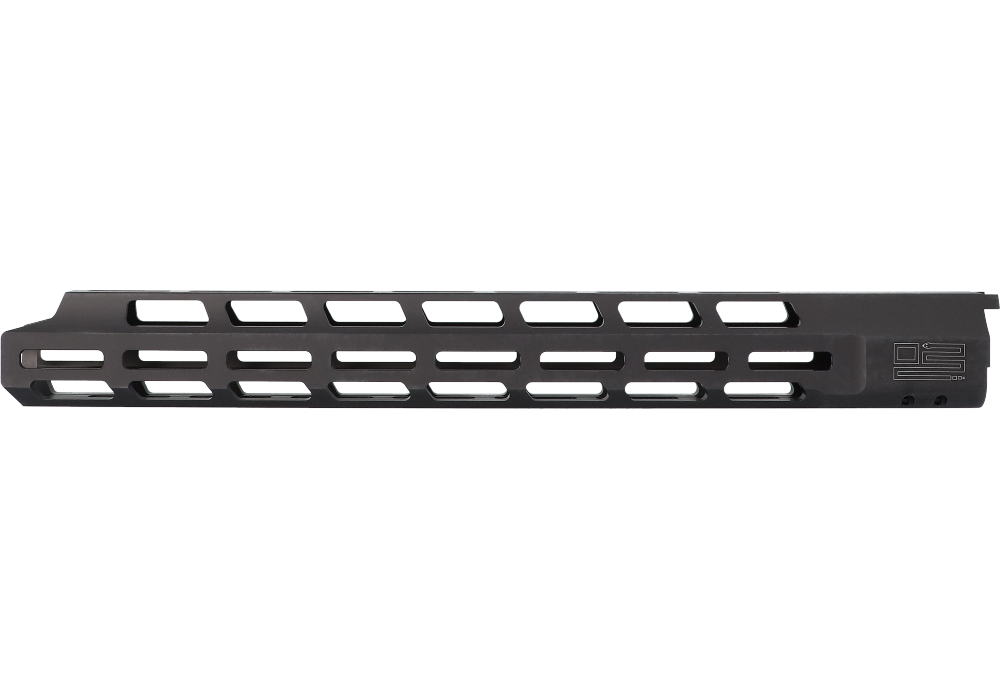
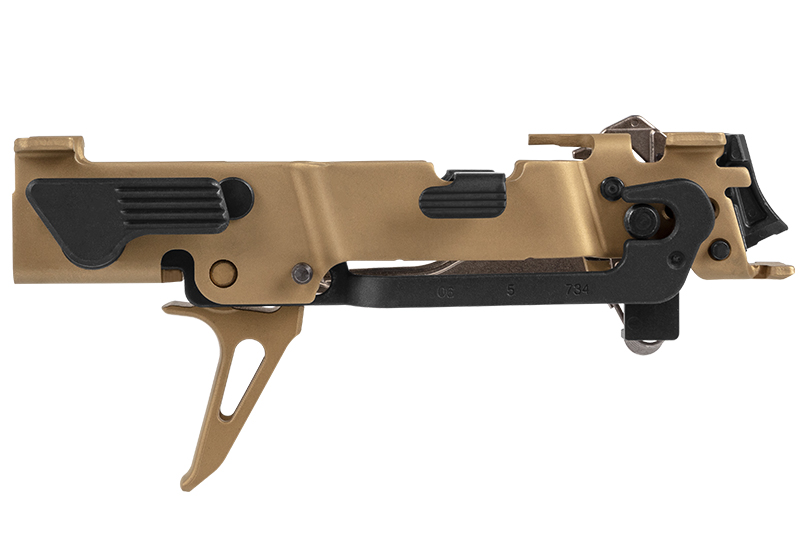
Parts for gun collectors help preserve the character, completeness, and practical value of a firearm collection. A component can matter because it restores a familiar silhouette, replaces a worn element, or helps a collector maintain a firearm without altering the original piece kept alongside it. The right choice depends on the firearm’s identity and the collection’s purpose: historical preservation, a visually consistent display, responsible range use, or a combination of these interests. Original vintage components, surplus components, and modern reproductions serve different roles. An original part may offer period-correct details and a traceable connection to a particular design, while a reproduction can provide a replacement when preserving an original component is the priority. Neither description alone establishes condition, compatibility, or suitability for use. Those qualities depend on the individual component, its documented specifications, and the firearm it is intended to fit. Collectors often look beyond a general model name to production variations, dimensions, markings, finish, and configuration. Two firearms that appear nearly identical in a display case can have important differences beneath the surface, and a familiar outline is not proof of a proper match. For an older firearm, small details such as the profile of an exterior fitting, the texture of a gripping surface, or the appearance of visible hardware can influence how faithfully a replacement complements the rest of the collection. A bright new finish beside evenly worn metal may be appropriate for a working firearm but distracting on a historically focused display. Conversely, matching visible wear does not establish that a component is mechanically sound. Clear descriptions and reliable compatibility information are therefore more useful than broad claims about universal fit. Documentation also gives collectible firearm parts context. Packaging, reference information, and a record of why a component was selected can help distinguish a preservation decision from an undocumented alteration, especially when a collection eventually passes to another owner.
Materials and construction influence both the appearance of firearm components and the way they hold up over time. Steel, aluminum, wood, and engineered polymers have different characteristics, and the appropriate material depends on the component’s role rather than a simple preference for heavier or lighter construction. A collector concerned with historical presentation may value a wood surface with the correct contours and a finish that complements the firearm. Someone maintaining a collection for regular range use may place greater emphasis on resistance to wear, consistent fit, and straightforward care. Surface treatments also matter: color, texture, and sheen contribute to visual consistency, while protective finishes can help limit corrosion when cared for according to the manufacturer’s recommendations. An attractive surface is only one part of the assessment, however. Cracks, deformation, significant corrosion, or uncertain service history can outweigh cosmetic appeal, particularly where a component has a functional role. Fit is equally important. Model designation, variant, production revision, and the manufacturer’s compatibility guidance are better reference points than resemblance alone. A component that appears suitable in a photograph may differ in dimensions or attachment geometry, and forcing a mismatch can damage both the replacement and the firearm. For projects focused on maintaining an existing firearm rather than historical presentation alone, Gun Repair Parts provides a related category to explore. Care considerations belong in the selection process as well. Aggressive polishing can erase markings or change the appearance that gives an older component its character, while an unsuitable cleaning product may affect a coating, wood finish, or polymer surface. Gentle care consistent with manufacturer guidance helps preserve both the material and its identifying details. Separate, clearly labeled storage can keep retained originals from being confused with replacements and help protect finishes from abrasion. A small component stored loose against other metal pieces can acquire fresh scratches that have nothing to do with its historical use. Collectors who keep related documentation with each component have a clearer record of condition, compatibility, and the choices behind a restoration or maintenance project.
Collectible firearm parts appeal to several kinds of enthusiasts, from the owner preserving a single inherited firearm to the collector developing a carefully documented group around a design family or historical period. Their priorities can differ considerably. An heirloom owner may want the firearm to retain the appearance remembered from family photographs, while a detail-focused collector may be interested in subtle changes in markings, contours, or finish across production revisions. A range enthusiast with a collection may prefer to retain original components separately while having a qualified professional evaluate suitable replacements for continued use. These are distinct goals, and a thoughtful selection respects the difference between preserving an object’s story and preparing it for a functional role. A replacement should not be represented as original simply because it looks convincing, and a restored appearance should not be confused with verified operating condition. Records of substitutions, retained originals, and professional work help keep the collection’s history understandable. Parts can also be meaningful gifts for an enthusiast when the recipient’s interests and the firearm’s exact specifications are known. The appeal lies in the connection to a particular collection or preservation project, not in choosing something that merely looks impressive. For a collector who enjoys documenting details, accompanying reference information can be as useful as the component itself. Compatibility uncertainty makes surprise purchases more complicated, especially for older firearms with multiple variants. Whether selected for personal use or as a gift, components deserve secure storage that protects them from damage and keeps them away from unauthorized handling. Any firearm intended for use needs an appropriate assessment of its overall condition; a replacement component cannot, by itself, establish that the complete firearm is safe to operate. Qualified inspection is particularly important when service history is unclear or age-related wear is evident. The enduring appeal of parts for gun collectors is their relationship to the larger collection: preserving recognizable details, supporting responsible maintenance, and giving each firearm a more complete and accurately documented story.