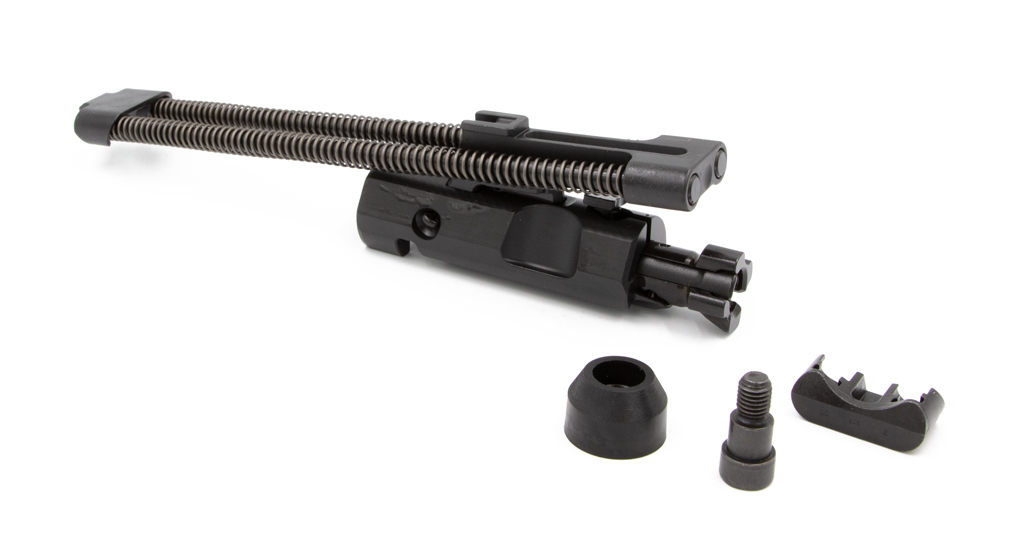
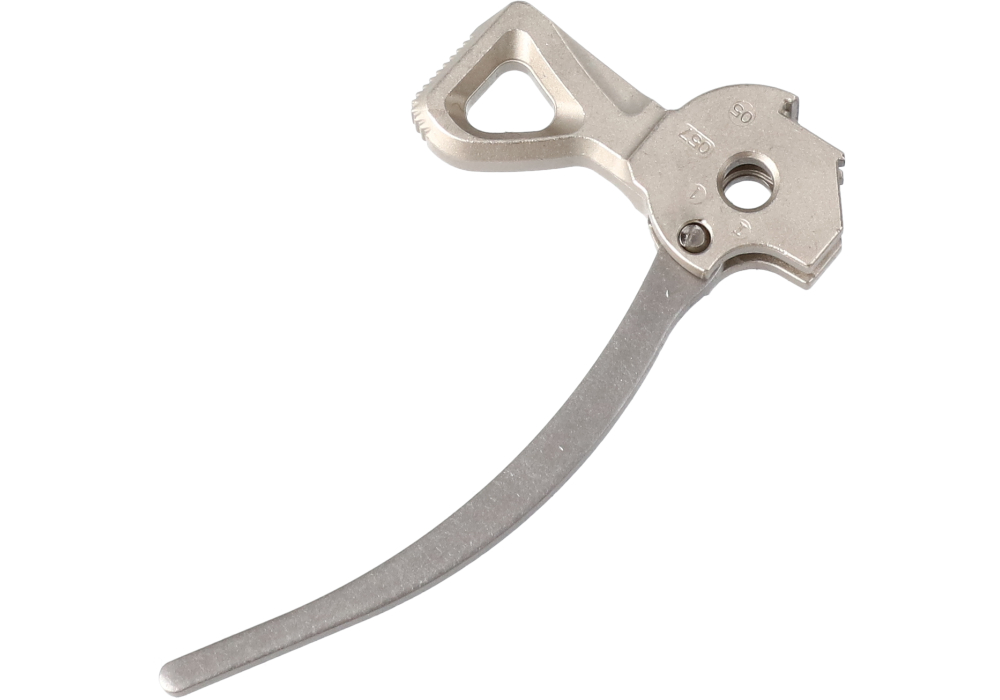
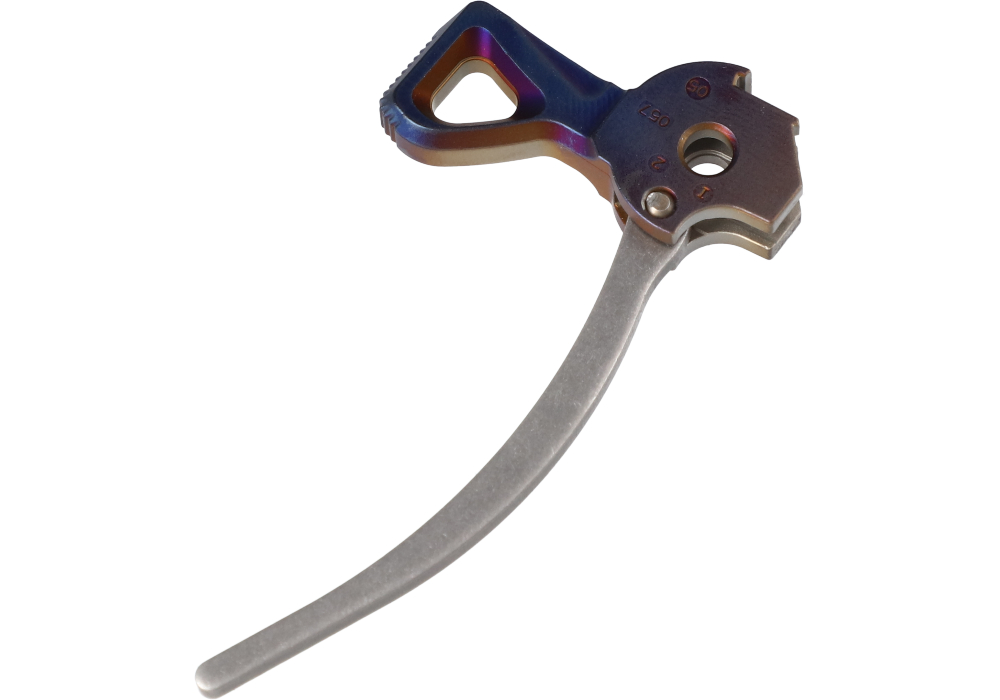
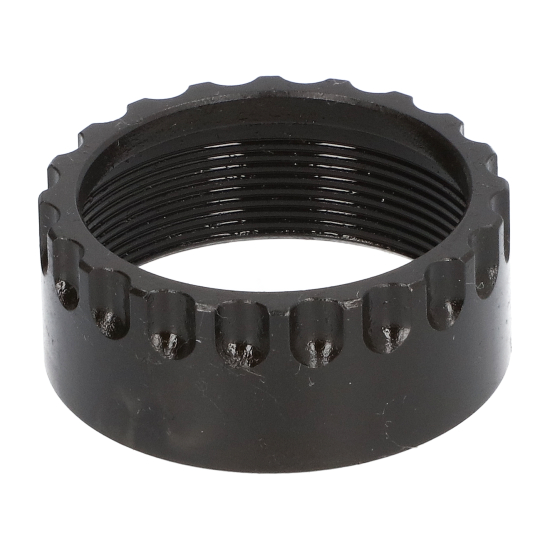
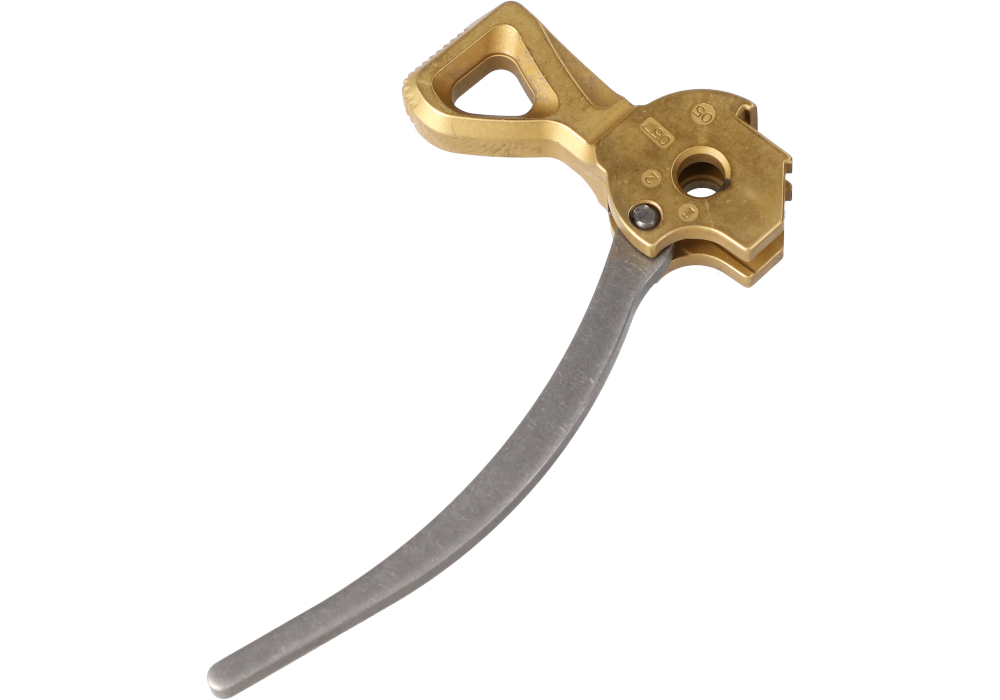
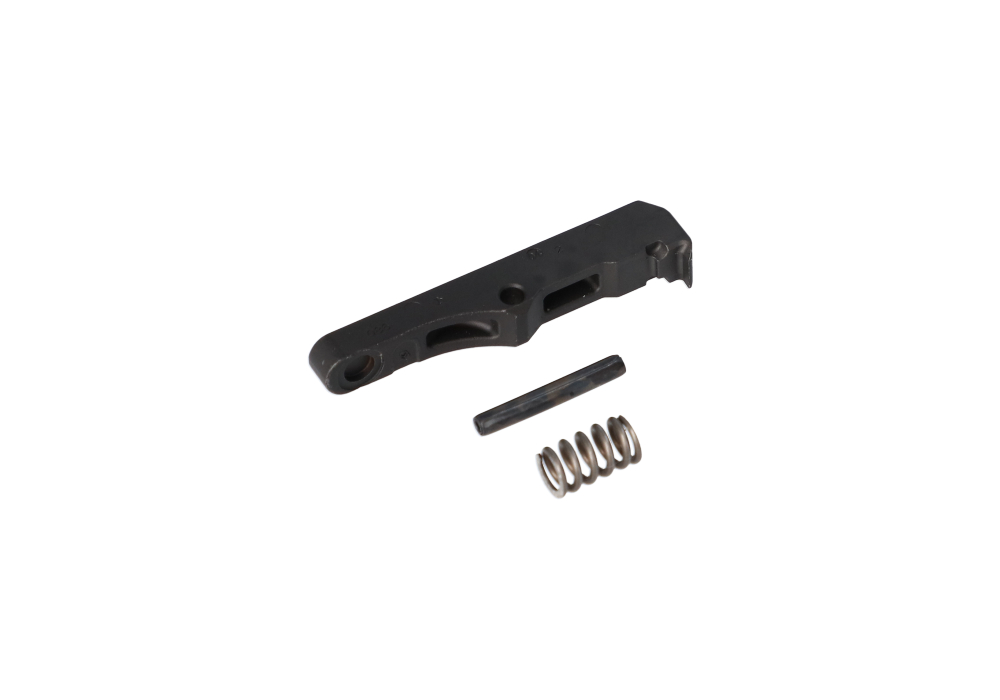
Gun repair parts support the maintenance, restoration, and responsible care of firearms across a wide range of platforms and configurations. Owners may turn to replacement components when a small part shows wear, becomes damaged during normal use, or needs to be renewed as part of a larger inspection. Common categories include springs, pins, screws, safeties, extractors, firing components, grips, stocks, sights, and other internal or external hardware designed for a specific firearm pattern. The right part can help preserve proper fit, function, and handling characteristics, but compatibility should always be the first consideration. Firearms that appear similar may use different dimensions, materials, finishes, or component designs, and even a part described as “universal” may not be appropriate for every application. Before purchasing, compare the firearm’s exact make, model, generation, caliber, configuration, and production details with the information provided by the manufacturer or a qualified gunsmith. Factory-original and manufacturer-approved replacement parts are often the safest starting point for routine service, while carefully selected aftermarket components may suit restoration projects or specialized preferences when their fit and intended use are clearly established. A complete inspection of the surrounding components is also worthwhile; replacing one worn spring or pin may reveal additional wear in adjacent parts that should be evaluated before the firearm returns to service. For shoppers comparing related categories, our selection of Gunsmithing Parts can provide a useful starting point for maintenance-focused equipment and replacement needs.
Gun repair parts may be used by experienced firearm owners, collectors restoring older platforms, competitive shooters who maintain their equipment between events, hunters preparing gear for the field, and professional gunsmiths managing customer work. They can also make thoughtful gifts for a knowledgeable firearm owner when the recipient’s exact platform and maintenance preferences are known. A small selection of quality maintenance components can be especially practical for someone who spends time at the range, keeps a firearm in regular rotation, or enjoys preserving a classic piece with care. Alongside replacement parts, a properly chosen repair setup may include hollow-ground screwdrivers for specialty screw slots, punch sets for controlled pin work, a stable bench block for supporting components, and an armorer’s hammer with protective brass, nylon, or rubber faces. These tools are intended to help reduce marring and unnecessary damage during professional or experienced maintenance, but they do not replace training or a clear understanding of the firearm’s design. Owners should consult the official owner’s manual, follow all applicable laws, and verify that the firearm is unloaded before any inspection or service begins. Ammunition should be stored separately from the work area, and a repair should stop immediately if a component does not fit as expected, requires unusual force, or raises uncertainty about safe function. When a repair involves critical operating, firing, locking, or safety components, evaluation and installation by a qualified gunsmith is the responsible choice.
Choosing repair parts is less about finding the lowest price and more about matching the component to the firearm, the intended use, and the level of service required. Check measurements, finish, material, handedness, generation, and configuration details whenever they are available, and look for clear manufacturer specifications rather than relying only on photographs or general descriptions. For older, discontinued, or inherited firearms, identification can take extra care because parts may vary between production runs, and a visually similar component may not provide the correct fit. Collectors working on vintage firearms should consider preserving original finishes and consulting a specialist before replacing uncommon or historically significant pieces. For regularly used firearms, springs and other wear-prone components deserve particular attention during routine inspections, especially when the firearm has seen extensive range use, harsh weather, or long periods of storage. Seasonal changes can also be a useful reminder to review equipment: as the weather warms, owners may prepare for more range time and outdoor activity, while the cooler months often bring opportunities for cleaning, inspection, and careful storage. Every replacement part should be examined for defects before installation, and the firearm should receive a thorough function and safety check by a qualified professional whenever critical components have been changed. With accurate identification, dependable sourcing, and a patient approach to maintenance, gun repair parts can help owners keep their equipment organized, serviceable, and ready for responsible use without overlooking the importance of training, safe handling, and professional oversight.