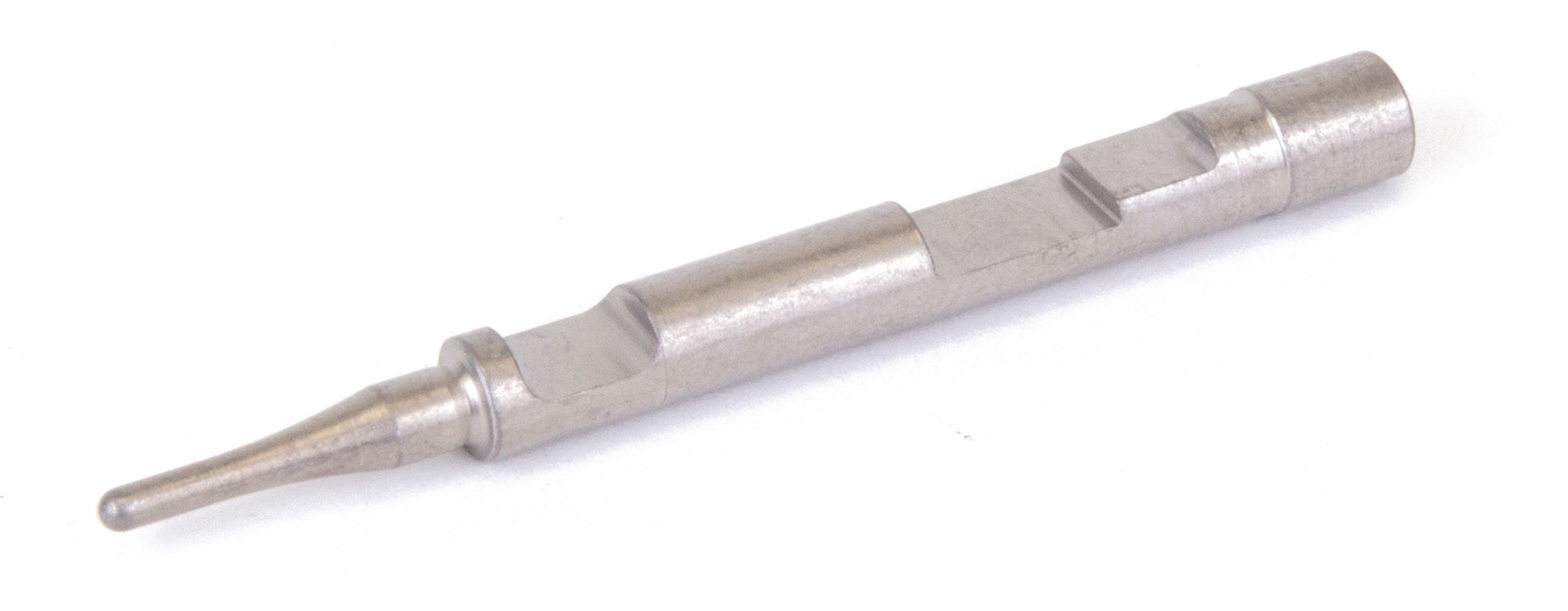
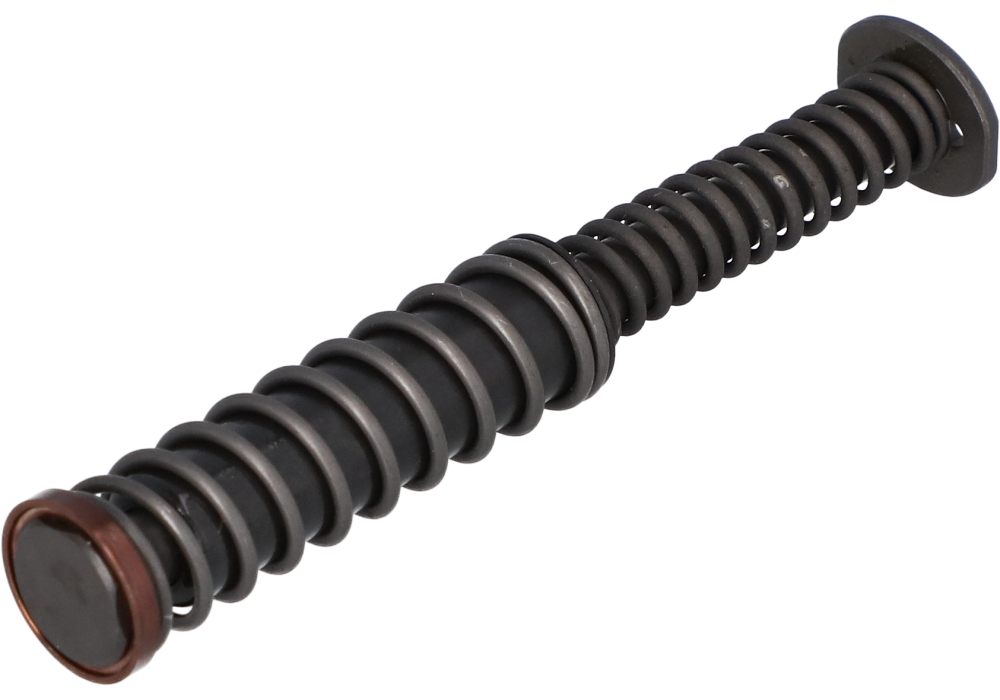
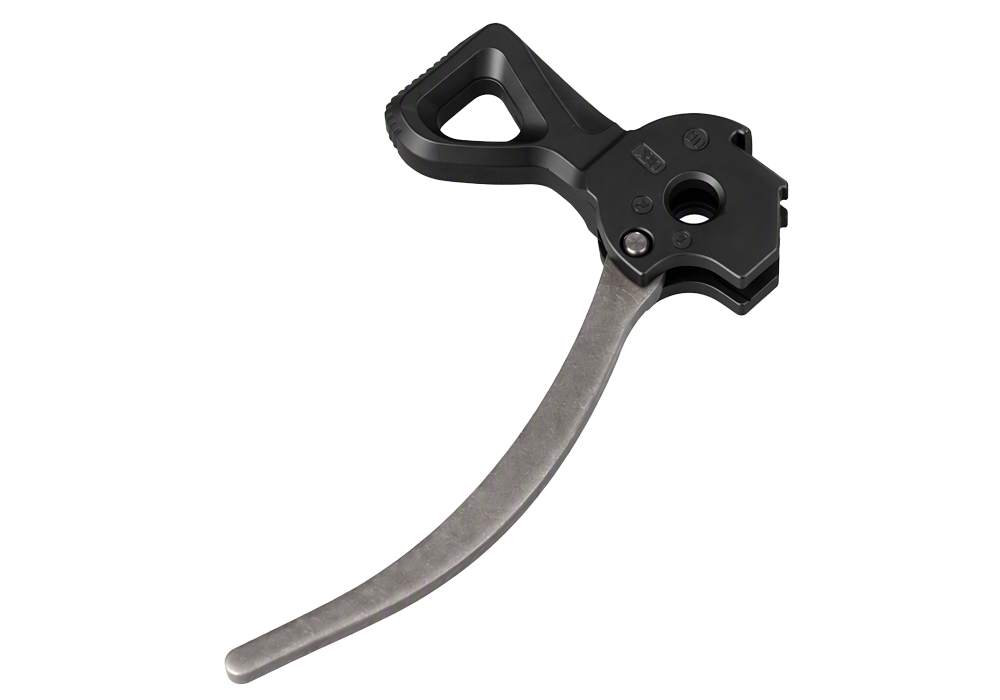
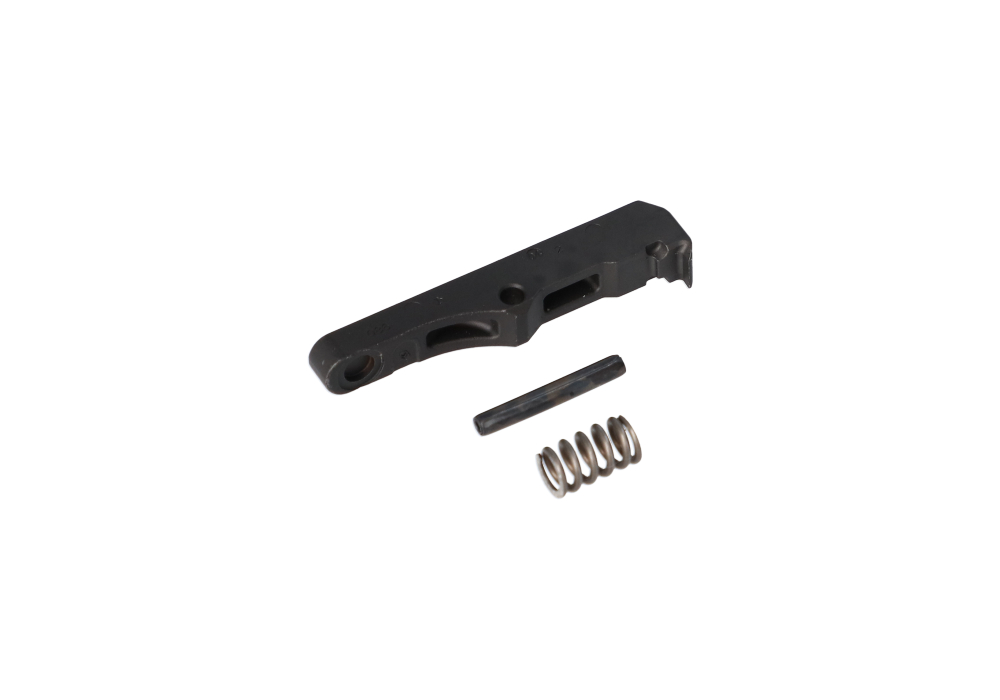
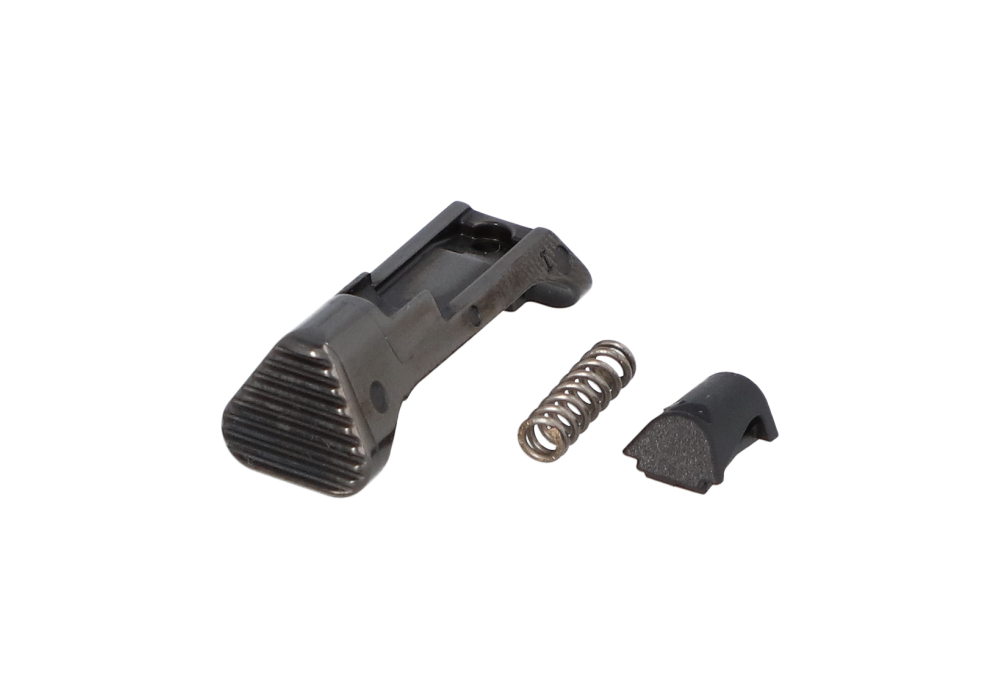
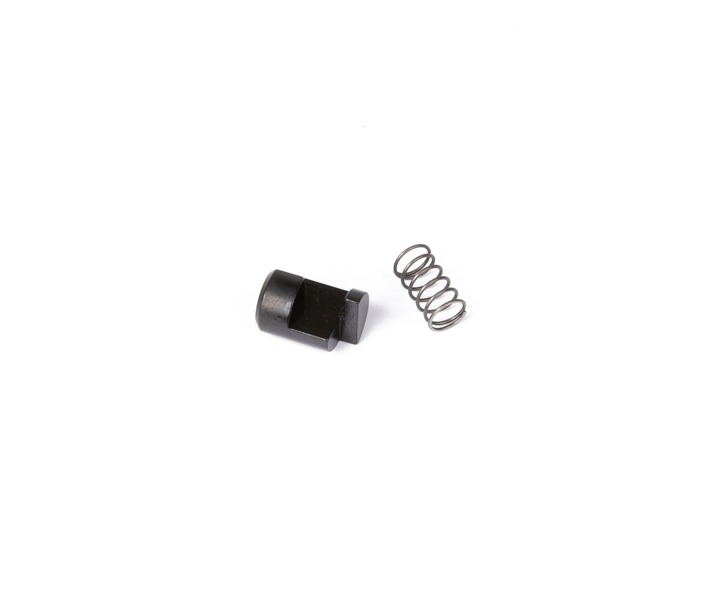
Pistol repair parts help maintain the dependable operation, fit, and service life of a handgun used for range practice, training, competition, duty, or lawful personal protection. The right replacement component begins with an exact match to the pistol’s manufacturer, model, generation, caliber, and configuration. Even parts that appear nearly identical may differ in dimensions, materials, finish, or compatibility, so compare the firearm’s markings and owner’s manual with the part description before ordering. Factory-original components are typically the most straightforward choice for restoring a pistol to its intended specifications, while carefully selected aftermarket parts may be useful for qualified armorers or experienced users working within the firearm’s design limits. Common repair and maintenance categories include recoil springs, striker or firing pin springs, trigger springs, extractors, firing pins, slide stops, slide cover plates, magazine releases, safety levers, triggers, disconnectors, pins, and other small internal components. Springs are wear items that gradually lose tension through repeated cycling, storage under compression, or demanding round counts, while small pins and controls can become damaged, misplaced, or worn during service. A replacement barrel or slide component requires especially careful attention to model, caliber, locking system, and fit. Parts should never be selected by appearance alone; a correct-looking component that is not designed for a particular pistol can affect reliability, safety, or function. Before beginning any inspection or repair, remove all ammunition from the work area, unload the pistol according to its owner’s manual, and confirm the chamber, magazine well, and any other ammunition-holding area are clear. Keep the muzzle pointed in a safe direction, wear appropriate eye protection, and stop if a part does not fit naturally or if the firearm’s condition is uncertain. For repairs involving firing, locking, safety, or trigger components, the most responsible choice is consultation with a qualified gunsmith or manufacturer-authorized service professional.
A thoughtful repair-parts selection can make routine maintenance more organized and help keep a familiar pistol ready for its intended use. A recreational shooter may replace a worn recoil spring after extensive range sessions, while a competitive shooter may keep correctly matched springs, pins, and controls on hand before a training weekend or match. A hunter, armed professional, or preparedness-minded owner may value dependable spare components for service performed by a qualified professional, especially when a particular pistol is used regularly and downtime is inconvenient. Repair parts can also be a practical gift for an experienced firearm owner, but only when the recipient’s exact make, model, generation, caliber, and preferred configuration are known. When those details are uncertain, a gift card or a selection of maintenance tools is usually more useful than guessing at a small internal part. Replacement components should be inspected for burrs, cracks, deformation, corrosion, or finish irregularities before installation, and old parts should be retained until the new component has been verified as correct. Keep parts in labeled containers rather than allowing springs, pins, and levers to collect together on a crowded bench; a bright tray, clean cloth, and strong overhead light can make a dropped pin much easier to find. Documentation matters as well. Record the firearm’s model and serial information where appropriate, note the part number, and follow the manufacturer’s service guidance for inspection, lubrication, installation, and function checks. Avoid modifying, filing, bending, polishing, or combining components unless that work is specifically authorized and performed by someone with the required training. An apparently minor alteration can change engagement surfaces or tolerances in ways that are difficult to see but important to safe operation. After any repair, a qualified person should complete the appropriate function and safety checks, and the pistol should be tested in a controlled setting before being relied upon for serious use.
The broader maintenance setup is just as important as the replacement part itself. A stable bench, non-marring support, appropriately sized punches, a light hammer, a bench block, cleaning supplies, and a precision torque driver can help prevent scratches, misplaced pins, and fasteners tightened beyond their intended specification. Those seeking a more complete setup can browse Pistol Repair Tools for equipment suited to careful pistol maintenance and inspection. Use tools designed for the task rather than improvised household substitutes, which may slip, damage a finish, or turn a simple service job into a larger repair. Precision drivers are particularly useful when securing optics, grips, or other components that call for measured torque, while a bench block can provide stable support and help protect the frame during pin removal. During cooler months, indoor work areas often become the preferred place for cleaning and inspection, but ventilation, lighting, and a clear separation between ammunition and the repair bench remain essential in any season. Store spare parts dry, protected from excessive humidity, and clearly labeled by firearm and function. Lightly protect suitable metal surfaces against corrosion without applying excess lubricant to areas where it could collect dust or migrate into ammunition. Pistol repair parts are not universal accessories; their value comes from being properly matched, correctly installed, and used as part of a disciplined maintenance routine. Careful identification, sensible storage, appropriate tools, and professional help for complex work give firearm owners a practical way to preserve familiar equipment while keeping safety at the center of every repair.