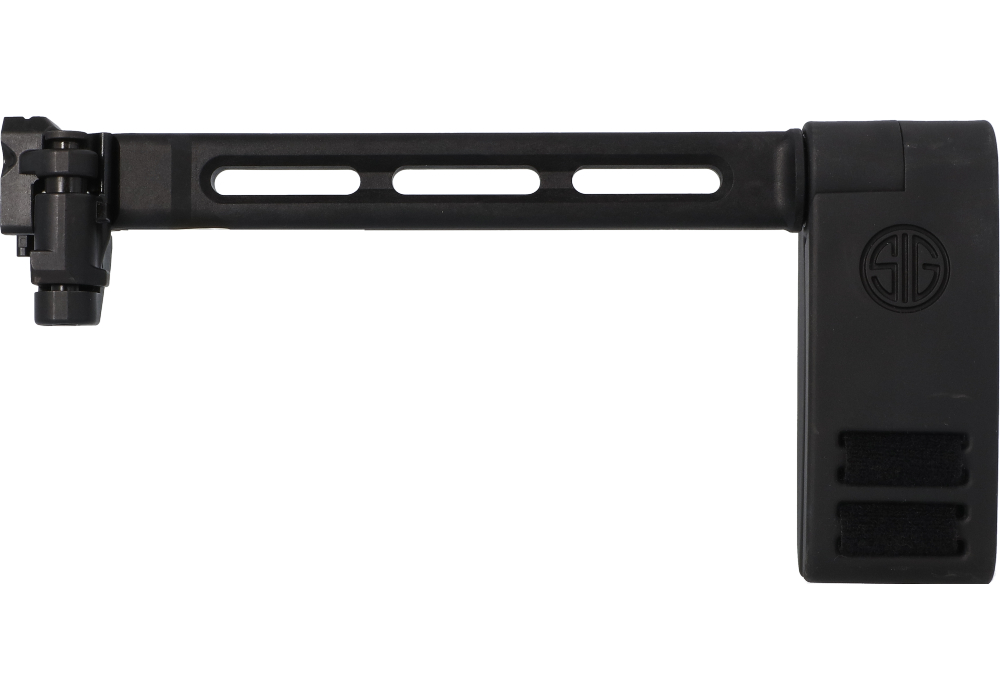
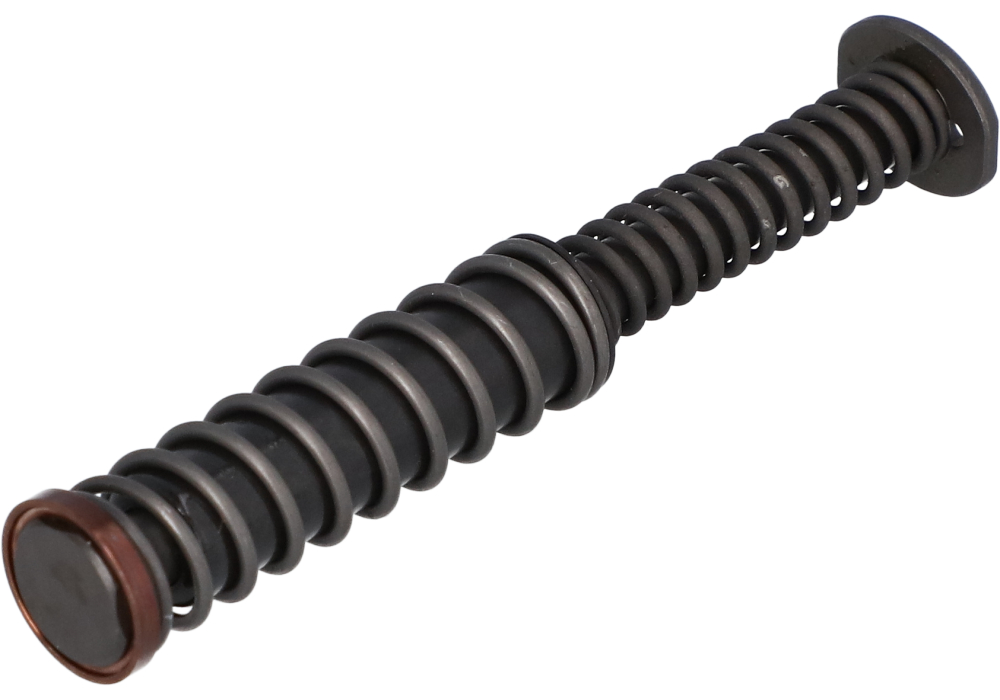
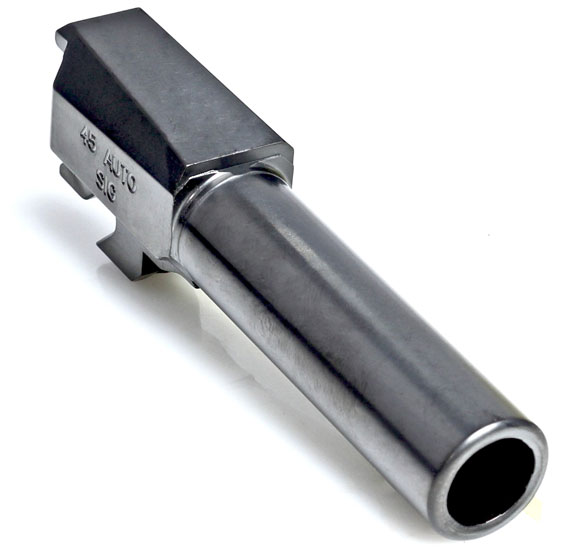
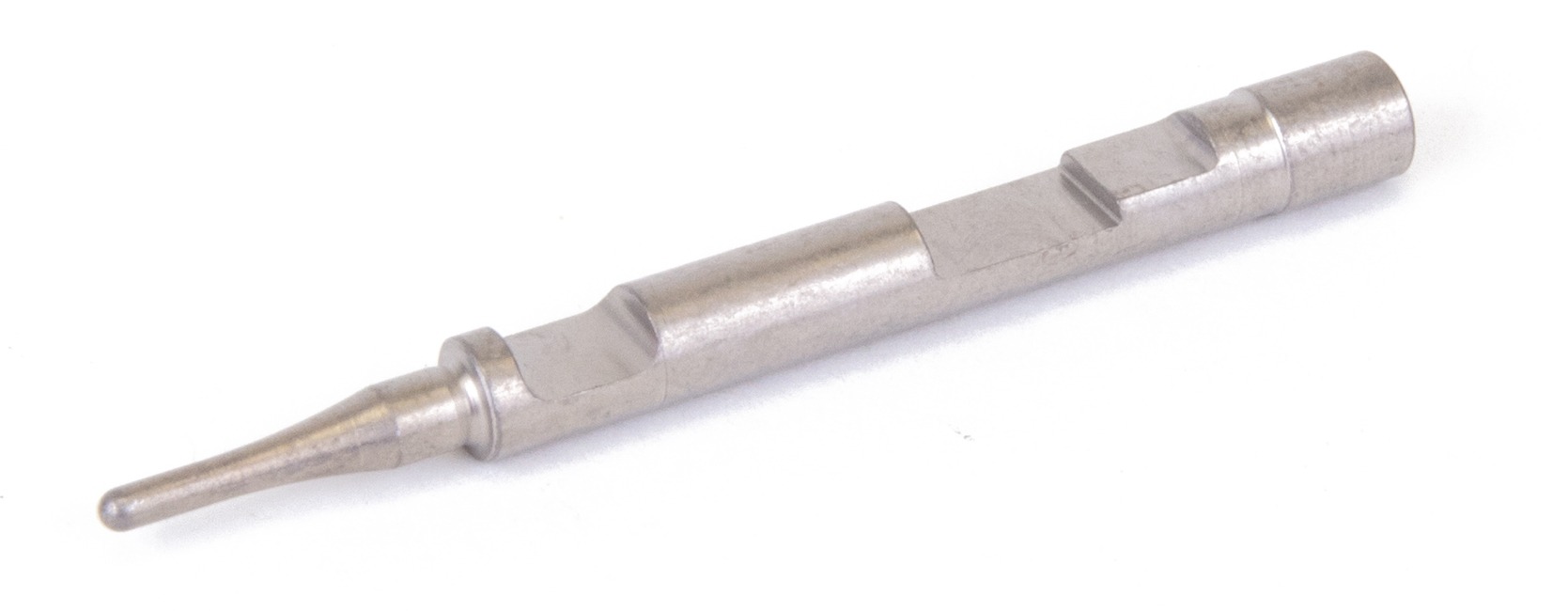
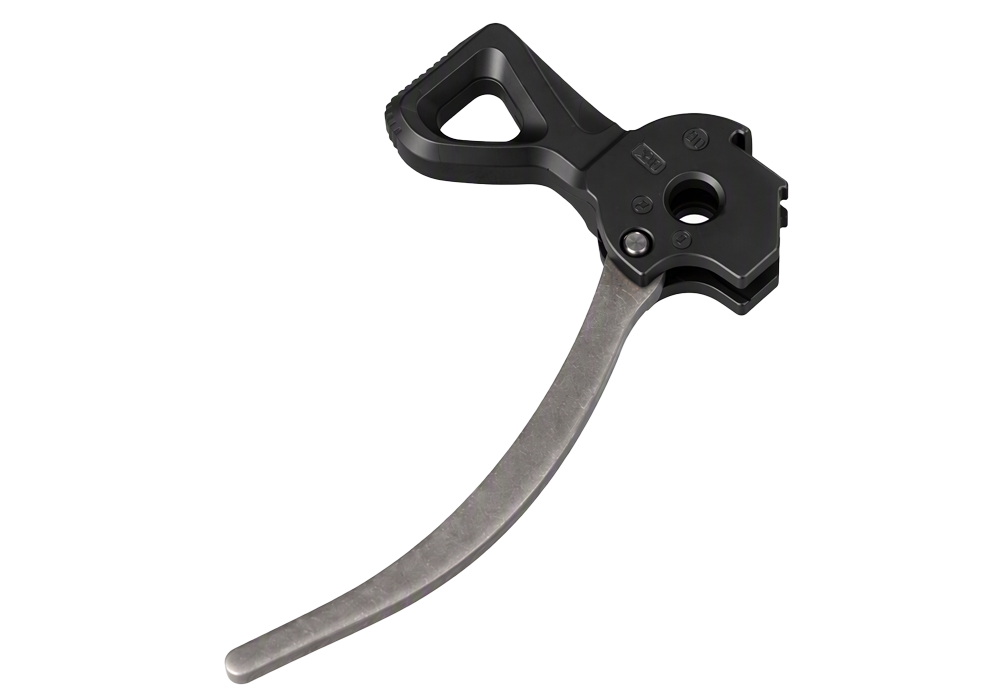
Pistol shooting parts can help owners maintain a dependable handgun, refine its fit, or replace a worn component after regular range use. A semi-automatic pistol is built around several primary systems: the upper slide, lower frame, barrel, recoil assembly, trigger group, sights, grip surfaces, and magazine components. The slide is the moving upper portion of the pistol and typically houses the barrel, recoil spring, guide rod, extractor, and sights. The frame forms the lower portion, supporting the grip, trigger mechanism, magazine well, and other controls. The barrel is the precision-machined tube through which the projectile travels, while the trigger group transfers finger movement into the release of the pistol’s internal hammer or striker. Understanding these basic pistol parts makes it easier to identify what needs attention and to select compatible replacements. Some components are intended for routine maintenance, while others are chosen to improve handling, visibility, or control. A recoil spring and guide rod, for example, support the slide’s cycling motion and may require inspection as round counts increase. Guide rods are available in different materials and configurations, but the correct choice depends on the pistol model, barrel length, ammunition, and manufacturer specifications. Grip panels, grip sleeves, and interchangeable backstraps can alter the reach to the trigger, the shape of the palm swell, and the way the pistol stays planted during recoil. A secure grip should feel natural without forcing the hand into an awkward position. Sights also make a meaningful difference at the range: traditional front and rear sights provide a familiar aiming reference, while fiber-optic sights can stand out against a bright target and low-light sights can provide a visible reference when ambient conditions change. Replacement parts should always be matched to the exact make, model, generation, and configuration of the firearm, since parts that appear similar may differ in dimensions, interface points, or operating requirements. Before ordering, compare the manufacturer’s specifications, confirm whether the part is intended for a full-size, compact, or subcompact pistol, and check applicable federal, state, and local laws. When a component affects the firing cycle, lockup, trigger operation, or other safety-critical function, installation and inspection by a qualified gunsmith is a prudent step.
The right pistol shooting parts depend on how the handgun is used and what the shooter is trying to accomplish. A recreational range user may focus on comfortable grip surfaces, clear sights, spare magazine components, or replacement wear items that help keep practice sessions consistent. A competitive shooter may pay closer attention to trigger feel, control placement, sight picture, and the ability to identify magazines quickly during organized practice or matches, always within the rules of the applicable discipline. A concealed-carry owner may prioritize a secure, snag-resistant setup, reliable magazines, durable sights, and a configuration that remains comfortable during extended daily wear. In each case, the goal is a balanced system rather than a collection of parts selected in isolation. Magazine base plates, for instance, can make magazines easier to grasp, identify, or remove from a pouch, and some designs provide standard or extended capacity where lawful and appropriate for the firearm. Magazine fit should be checked carefully, because a magazine must seat, lock, feed, and drop free as intended. Small components can also make a useful gift for an experienced shooter, particularly when the recipient already has a preferred pistol and knows its exact configuration. A set of replacement grip panels, a sight upgrade, a guide rod assembly, or compatible magazine accessories may be practical gifts for someone who spends cooler months indoors at a range or maintains equipment during seasonal changes. Gift buyers should avoid guessing at fit; a model number, generation, hand size, and intended use are more valuable than appearance alone. For shooters who train regularly, a simple maintenance plan helps reveal when parts need attention. Unload the pistol completely before inspection, remove all ammunition from the work area, follow the owner’s manual, and use a safe direction and appropriate eye protection. Look for unusual wear, damaged springs, loose fasteners, burrs, cracks, or inconsistent magazine engagement, and stop using the firearm if its operation or safety is uncertain. A clean, well-lit workbench and a careful habit of documenting compatible parts can prevent costly mistakes and make future replacements easier. For a broader selection of components and shooting accessories, browse Gun Shooting Parts.
Quality pistol parts should support safe handling, predictable function, and a comfortable relationship between the shooter and the firearm. Fit and finish matter, but compatibility and intended purpose matter more. A part that looks appealing may not be appropriate for a particular slide profile, frame size, barrel length, recoil system, or magazine design. The same consideration applies to ammunition: use only ammunition recommended for the pistol and confirm that any changes remain within the firearm’s operating specifications. Replacing a damaged or worn component is different from modifying a functioning system, and both tasks deserve a deliberate approach. After installation, a qualified professional can verify fit, controls, safety features, and function before the firearm returns to regular use. Any testing should take place at a lawful range with proper eye and ear protection, a stable target area, and attention to the range’s procedures. Shooters often notice the benefits of a well-chosen part in small, tangible ways: a grip that fills the hand without creating pressure points, a sight picture that remains visible as light changes, a magazine base that is easier to index, or a recoil assembly that feels consistent through a long practice session. These improvements are most valuable when they reinforce sound fundamentals rather than replace them. Whether parts are being selected for routine upkeep, a more comfortable fit, organized range practice, or a thoughtful gift for an experienced firearm owner, careful selection helps preserve reliability and confidence. Store spare components securely, keep them with their documentation, and maintain the same disciplined safety habits used with the firearm itself.