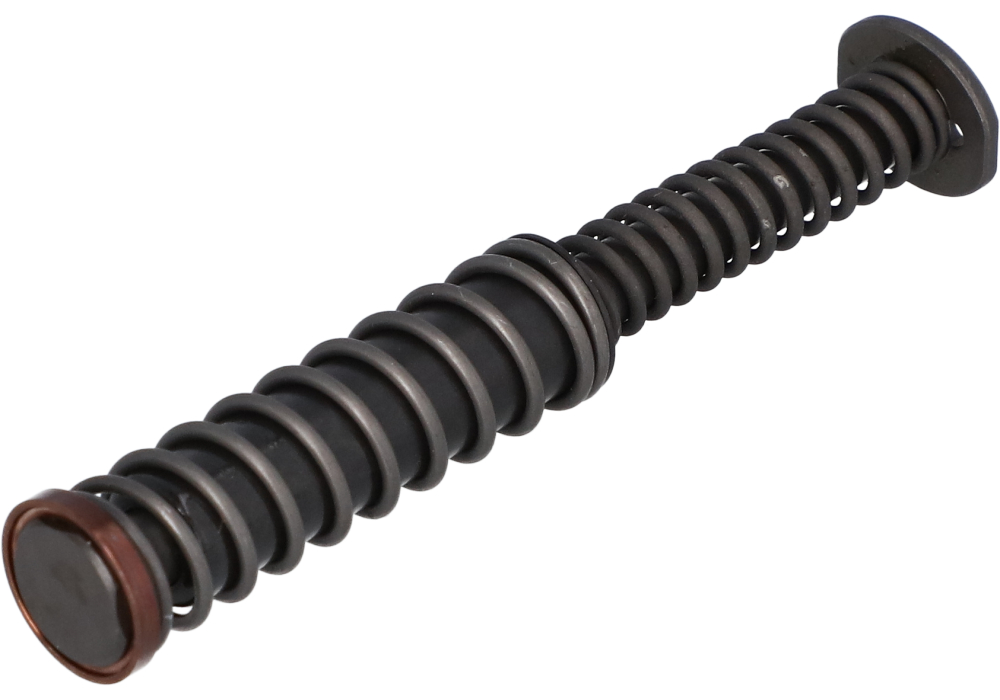
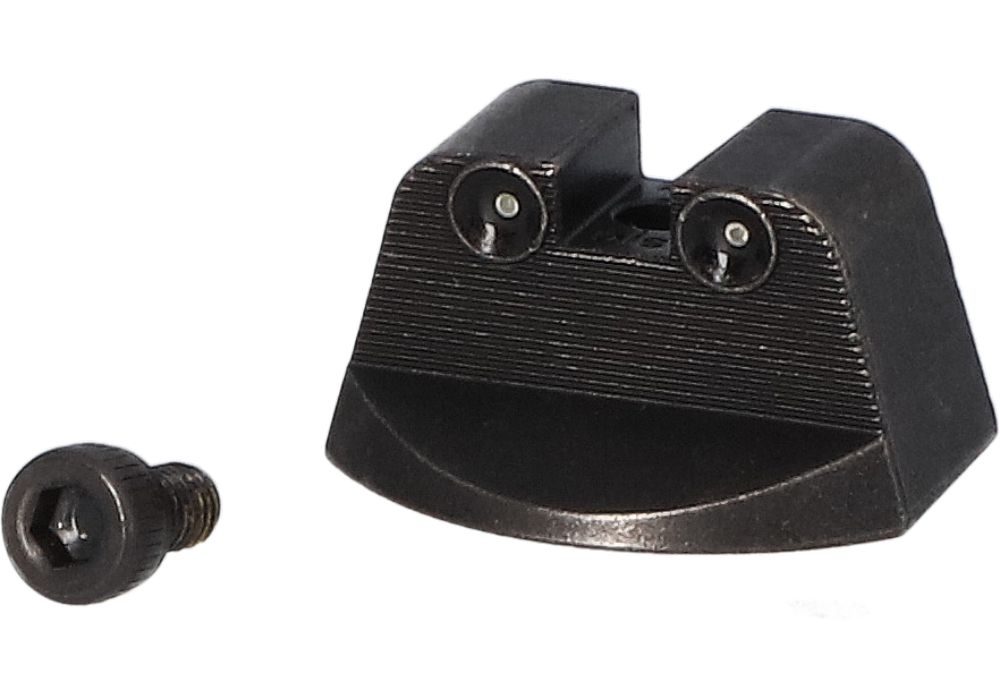
Gun shooting parts are replacement components and compatible accessories that support a firearm’s intended function, fit, and handling. They range from internal mechanical components to the surfaces a shooter holds and the sights used to align a shot. Understanding the main groups helps distinguish parts that serve different purposes. The action includes the mechanisms involved in loading, firing, extracting, and ejecting; depending on the firearm, related components can include bolts, slides, firing pins, extractors, and springs. The barrel guides the projectile, while the stock or grip provides support and contact points for the shooter. Sights, handguards, and other exterior components serve their own roles in aiming, positioning, and protecting the hands from contact with working surfaces. Although many parts share familiar names, compatibility depends on more than their appearance. The firearm’s exact make, model, caliber, size, and production generation can all matter, and two components that look nearly identical may have different dimensions or attachment requirements. A replacement intended to restore an original configuration also serves a different purpose from an accessory intended to change the way a firearm fits the shooter. Clear specifications help establish that distinction before any installation is considered. For example, a handgun owner replacing a worn spring needs a component specified for that particular configuration, while a rifle owner considering a different stock needs to account for the firearm’s attachment system and the shooter’s preferred position. Compatibility with neighboring components matters as well: a part must work within the complete assembly, not simply occupy the same space as the original. Manufacturer documentation and evaluation by a qualified gunsmith are especially important for components associated with firing, locking, or safety functions. The best foundation for selecting gun parts is a clearly identified firearm, a defined purpose, and an understanding of which specifications must remain consistent. That approach keeps the focus on suitable components rather than assuming that a familiar category name guarantees a proper fit.
Materials and construction influence how shooting parts feel, wear, and respond to regular use. Steel is common where strength, surface hardness, and resistance to repeated mechanical contact are important. Aluminum can provide a useful balance of rigidity and weight for certain exterior components, while reinforced polymers are often used for grips, stocks, and other contact surfaces. These materials are not interchangeable measures of quality; each has applications in which its properties are useful. A steel component intended for repeated contact has different demands from a lightweight handguard or a textured grip. Finishes also have practical roles, including helping resist corrosion and limiting wear on exposed surfaces, but a finish does not eliminate the need for appropriate care. Machining consistency, smooth edges, secure attachment points, and alignment with the firearm’s specifications can matter more than an elaborate appearance. Fit is particularly noticeable during an ordinary range session. A grip that feels comfortable at the counter may feel different after repeated strings of fire, especially if its texture presses sharply against the palm or its shape changes the shooter’s reach to the controls. A stock’s dimensions can affect the position of the shoulder and cheek, while sight shape and visibility can influence how easily the shooter recognizes a consistent sight picture. Intended use provides context for these details. Recreational target shooters may value familiar handling and uncomplicated maintenance, while participants in organized shooting sports may need components that meet equipment rules as well as the firearm’s compatibility requirements. Someone maintaining a regularly used firearm may be more concerned with preserving its established feel than changing its configuration. Durability is therefore best understood as suitability for the job: materials, dimensions, surface treatment, and installation all contribute to how a component performs over time. Reliable fit and predictable handling are more meaningful than appearance alone, particularly when a firearm already has a configuration its owner knows well.
Care and condition remain important even when a component is constructed from durable materials. Repeated use can leave residue on working surfaces, loosen certain exterior attachments, or reveal wear that was not obvious during an earlier inspection. The practical value of replacement gun parts often becomes clear in these ordinary situations: a familiar grip has become slick from use, a sight has sustained damage, or a service evaluation identifies a spring that no longer meets the manufacturer’s requirements. These are reasons to assess the affected component rather than assume that the entire firearm needs a different configuration. Appropriate cleaning products, lubrication specified by the manufacturer, and storage that limits moisture exposure help protect components without subjecting finishes or polymers to unnecessary chemical stress. Care requirements can differ across materials, so a solvent suitable for one surface may not be appropriate for another. Inspection and maintenance belong with an unloaded firearm and a workspace separate from ammunition, and uncertain wear patterns or changes in function warrant professional attention. Internal fitting and work involving safety-related mechanisms are matters for qualified professionals rather than trial and error. Handgun owners exploring Pistol Shooting Parts can apply the same priorities to compatibility, grip dimensions, sight interfaces, and manufacturer-specified service components. Across firearm types, useful product information includes the intended platform, relevant measurements, material, finish, and any installation requirements. Those details help experienced shooters maintain familiar equipment and give newer owners a clearer basis for discussing options with a gunsmith or instructor. They also matter when considering shooting-related gifts: even a seemingly straightforward accessory can require knowledge of the recipient’s exact firearm and preferences. For a shooter who spends time practicing deliberate sight alignment, a compatible sight component may be relevant; for someone focused on comfortable handling, grip shape and texture may deserve more attention. The common thread is purpose. Gun shooting parts are most useful when their fit, condition, and intended role support the firearm as a complete system and suit the person using it.