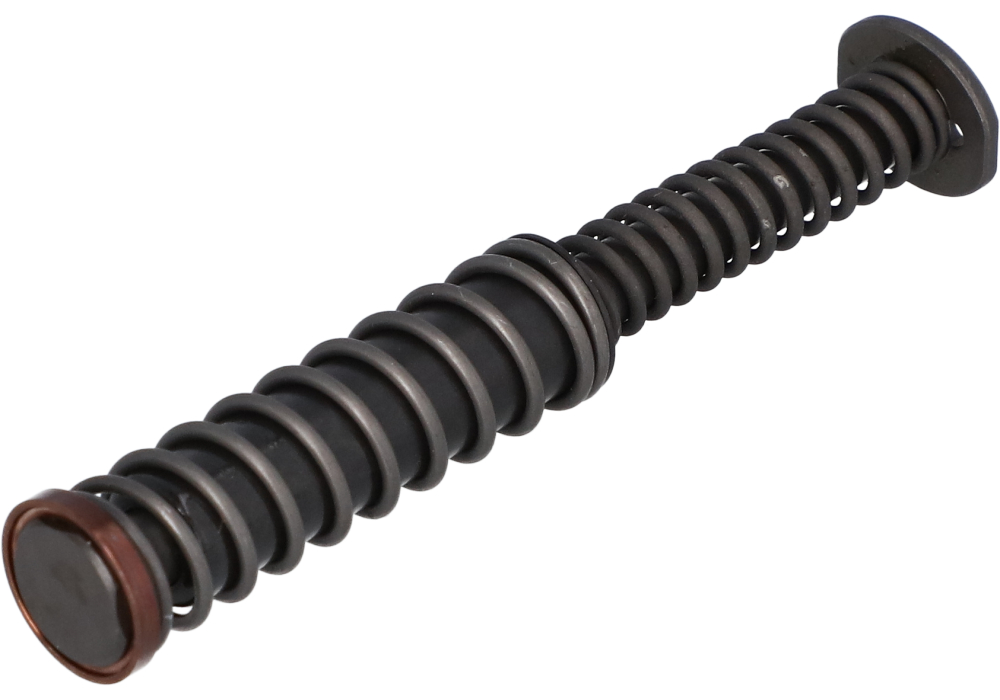
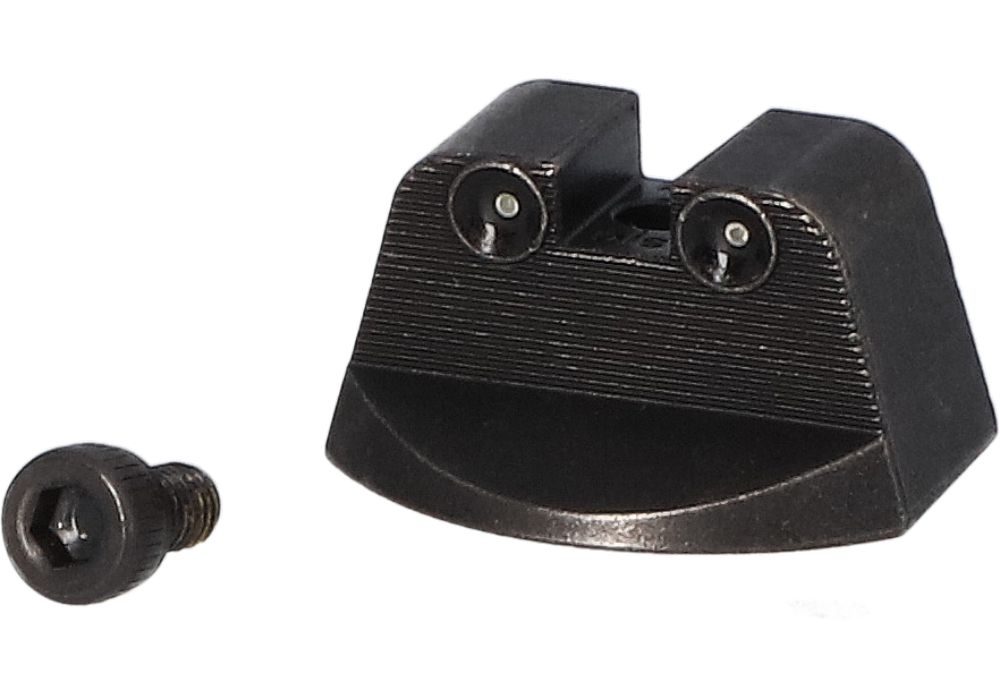
Firearm shooting parts are the components that support a firearm’s structure, operation, handling, and sighting system. The main assemblies generally include the action, barrel, and a stock, frame, or chassis, although their arrangement varies among handguns, rifles, and shotguns. The action contains the operating components associated with loading, firing, extraction, and ejection. The barrel contains the chamber and bore through which the projectile travels; its dimensions and chambering must correspond to the firearm’s specifications and appropriate ammunition. A frame, stock, or chassis provides structural support and establishes important contact points between the firearm and the shooter. Within these broader assemblies, smaller components serve distinct roles. The trigger operates the firing mechanism, while springs and pins support the movement, positioning, or retention of other parts. Magazines hold ammunition and present cartridges for feeding in firearms designed to use them. Bolts and charging handles, where present, are associated with the operating cycle, while sights provide a visual aiming reference. Grips, stocks, and related exterior components influence how the firearm rests in the hands or against the shoulder. These categories help distinguish a replacement needed for routine upkeep from an accessory selected for a particular shooting activity. A handgun owner replacing a worn grip has different considerations from a target shooter evaluating a sighting component or a shotgun owner addressing a damaged exterior part. In each case, the relevant questions concern the component’s role, its verified fit, and the condition of the firearm it will join. When comparing Gun Shooting Parts, intended use and documented compatibility provide a stronger basis for selection than appearance alone. A part that looks similar in a photograph can differ in dimensions, attachment method, or supported configuration. Clear specifications help separate a suitable match from a visually convincing alternative, especially when several versions of a firearm share a similar profile.
Materials and construction influence how firearm parts handle repeated use, friction, cleaning, and ordinary exposure to moisture. Steel is common in components that require strength and resistance to wear, while aluminum alloys can provide structural rigidity with less weight in suitable applications. Reinforced polymers are also used for certain housings, grips, and exterior components, where their properties can suit the intended design. No single material is best for every role. The demands on a spring differ from those on a grip panel, just as a sight body faces different stresses from an internal operating component. Surface treatments and finishes can help protect against corrosion or wear, but they do not eliminate the need for proper care. Edges, attachment points, and areas of repeated contact deserve particular attention because those surfaces often reveal wear before broad, flat surfaces do. Texture is another practical consideration: a pronounced grip pattern may feel secure during a range session yet feel uncomfortable against the hand over extended use. Smooth contours, accessible controls, and suitable dimensions matter more than an aggressive appearance. Fit involves more than the firearm’s general type or model name. Model generation, frame size, chambering, factory configuration, and other manufacturer-defined details can determine whether a component is appropriate. Two firearms with similar names may use different mounting arrangements or internal dimensions, and an accessory intended for one configuration should not be assumed suitable for another. Manufacturer documentation is the appropriate reference for compatibility, care requirements, and installation limitations. Safety-critical components warrant evaluation by a qualified gunsmith when replacement or service is necessary. Parts should not require improvised fitting or alterations to compensate for an uncertain match. For shoppers comparing similar-looking options, the meaningful differences are often found in dimensional information, material specifications, finish descriptions, and explicit compatibility statements rather than broad claims about performance.
Intended use gives those technical details context. Regular range visitors may prioritize comfortable contact surfaces, durable finishes, and components that tolerate frequent handling and cleaning. Competitive shooters may need equipment that complies with the rules of their particular discipline, while hunters may place greater emphasis on secure attachment, practical carrying comfort, and protection from routine field exposure. Owners maintaining a familiar firearm often have a simpler goal: preserving its original function with a correctly matched replacement. These needs can overlap, but a component suitable for one purpose is not automatically the right choice for another. A large control surface, for example, can feel convenient during deliberate range handling yet interfere with a particular case or holster. Changes to an exterior profile can also affect how a firearm fits existing storage equipment, making the surrounding setup part of the compatibility picture. Long-term durability depends on appropriate maintenance as well as material selection. Cleaning products and lubricants should follow the firearm and component manufacturers’ recommendations, since a treatment suitable for one finish may not suit another. Routine inspection can reveal corrosion, cracking, loose attachment points, or unusual wear that calls for professional attention. Cleaning and inspection belong in a safe maintenance setting with the firearm unloaded and ammunition kept separate; uncertain mechanical conditions require a qualified professional rather than continued use. Excess lubricant, abrasive treatment, and incompatible chemicals can create problems instead of preventing them. For a gift recipient who enjoys recreational shooting, firearm parts require more planning than a general outdoor accessory. Exact compatibility, the recipient’s preferences, and any installation requirements should be confirmed before selection. An experienced owner may appreciate a thoughtfully chosen replacement or comfort-focused component, but guessing at fit can leave an otherwise useful gift unsuitable. Across replacement, maintenance, and personal fit, the strongest choices respect the firearm’s original specifications, suit its actual use, and support responsible ownership over time.