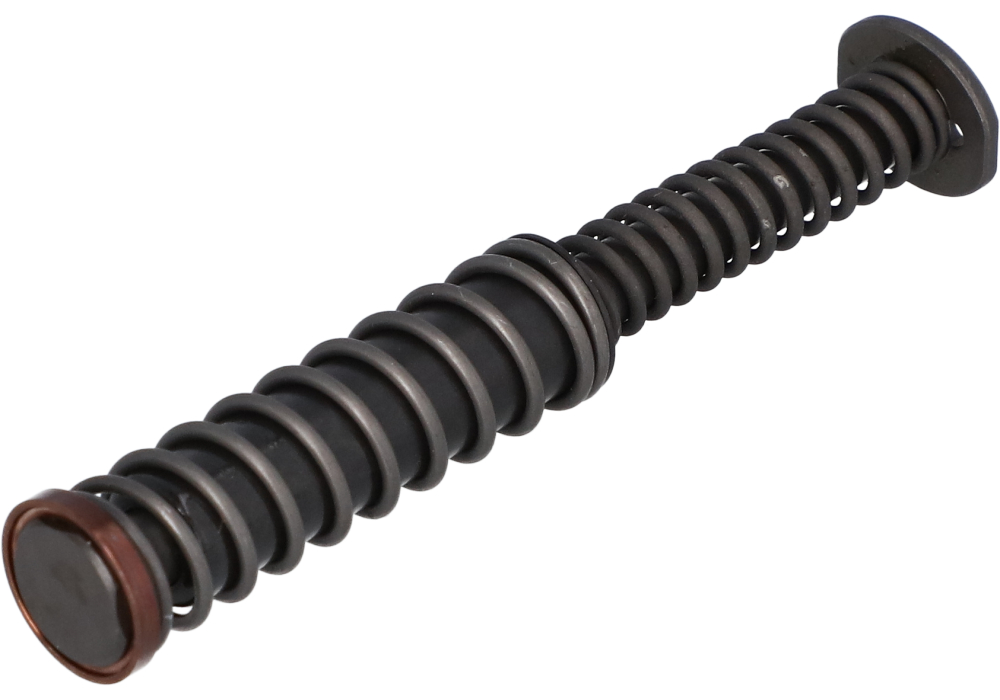
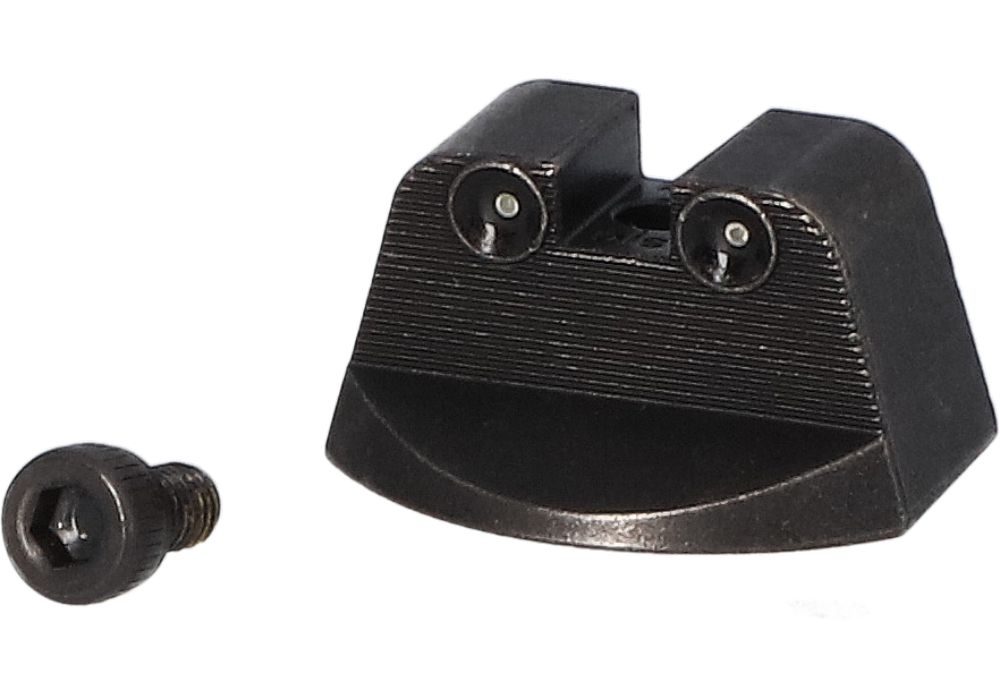
Firearm parts are the individual components that form a firearm’s structure, operating system, and handling surfaces. Replacement parts address wear or damage, while compatible external components can help accommodate a shooter’s fit and intended use. Although designs differ, most firearms have a frame or receiver, a barrel, an action, and a trigger mechanism. The frame or receiver provides the central structure; the barrel guides the projectile; the action manages the loading, firing, and removal of cartridges; and the trigger mechanism initiates the firing sequence. Semiautomatic handguns also typically include a slide, grip, magazine, and recoil spring assembly, while revolvers use a rotating cylinder to hold cartridges. Rifles and shotguns have their own arrangements of receivers, stocks, forends, and operating components, so a familiar part name does not establish compatibility across platforms. For shoppers comparing firearm replacement parts, the exact model, generation, chambering, and configuration are more useful starting points than appearance alone. Two components can look nearly identical in a photograph yet differ in dimensions, attachment points, or the assemblies they work with. Factory-original parts are specified by the firearm manufacturer, while aftermarket parts come from other suppliers; either requires verification against the firearm’s documentation and the component’s stated application. A part described for a broad model family may still have exceptions for certain versions. Clear descriptions, dimensional information, and compatibility notes help distinguish a suitable replacement from a visually similar alternative. Whether the firearm belongs to a recreational target shooter, hunter, competitor, or collector, the central consideration is the same: the component should suit the specific firearm and its documented requirements. A replacement intended to preserve an existing configuration serves a different purpose from an external component selected for personal fit, and recognizing that distinction keeps the selection focused on a real need rather than appearance alone.
Materials and construction influence how firearm components withstand use, resist corrosion, and feel during handling. Steel is common where strength, hardness, and wear resistance are important, while aluminum offers a useful balance of rigidity and lower weight in suitable applications. Reinforced polymers are frequently used for grips and other exterior components because they can provide durable, textured surfaces without unnecessary bulk. These material names tell only part of the story. Alloy selection, heat treatment, surface finish, and dimensional consistency all contribute to a component’s suitability for its intended role. A dark finish is not, by itself, evidence of a particular treatment or level of corrosion resistance, and a heavier part is not automatically more durable than a lighter one. Product specifications provide a more reliable basis for comparison than color or weight alone. Fit deserves the same attention, especially on surfaces that contact the shooter. Grip contours, texture, and stock dimensions can affect comfort and how naturally a firearm rests in a familiar shooting position. Someone who spends a full session practicing from a bench may notice pressure points that are less apparent during a brief handling check. A hunter carrying a firearm over distance may place greater emphasis on manageable weight and comfortable contact surfaces. For long guns, Firearm Stock Parts relate to the supporting assembly and its interfaces, where compatibility with the firearm’s configuration remains essential. External dimensions can also affect the fit of existing cases and other accessories. Collectors may prioritize an original configuration and a finish consistent with the firearm’s existing appearance, while frequent range users may be more concerned with straightforward upkeep and documented replacement specifications. None of these priorities eliminates the need for correct fit. A component should not require improvised alteration simply because it resembles the original, and uncertainty about fit belongs with the manufacturer or a qualified gunsmith before installation or use.
Care and long-term durability are closely connected to selecting the right firearm parts. Repeated movement, friction, handling, and exposure to cleaning products can affect different materials in different ways, so maintenance should follow the firearm manufacturer’s instructions and any component-specific guidance. A cleaner suitable for one surface may not be appropriate for a polymer section, protective coating, or adjacent material. Likewise, lubrication requirements vary by design; more lubricant is not a substitute for the correct maintenance procedure. Readable markings, intact finishes, and accessible surfaces can make routine inspection easier, but cosmetic condition alone cannot confirm that a component remains serviceable. Cracks, deformation, unusual wear, or a change in function warrant evaluation by a qualified professional rather than an assumption that cleaning will resolve the issue. For a firearm used regularly, retaining the owner’s manual and keeping a simple record of service and replacement history can help maintain continuity over years of ownership. Organized storage also matters for spare components. Original packaging and clear identification help prevent similar-looking parts from being confused, particularly when a household includes more than one firearm model. Parts should be protected from moisture and unnecessary contact with substances that could affect their finish or material. Installation requirements deserve consideration before a selection is finalized: some replacements call for professional fitting or inspection, and internal or safety-related components should be evaluated by a qualified gunsmith. Firearms must be unloaded before inspection or maintenance, with ammunition kept away from the work area. Applicable laws may also govern certain components or firearm configurations. As gifts, firearm parts are best suited to situations where the recipient’s exact model and preferences are already known; a broadly described fit or an attractive finish is not enough to establish suitability. The most useful selection is one supported by clear specifications, an understood purpose, and a realistic plan for proper installation and care. Those details give replacement components lasting value as part of responsible firearm ownership, whether the goal is maintaining a familiar range firearm, preserving a collection, or supporting regular sporting use.