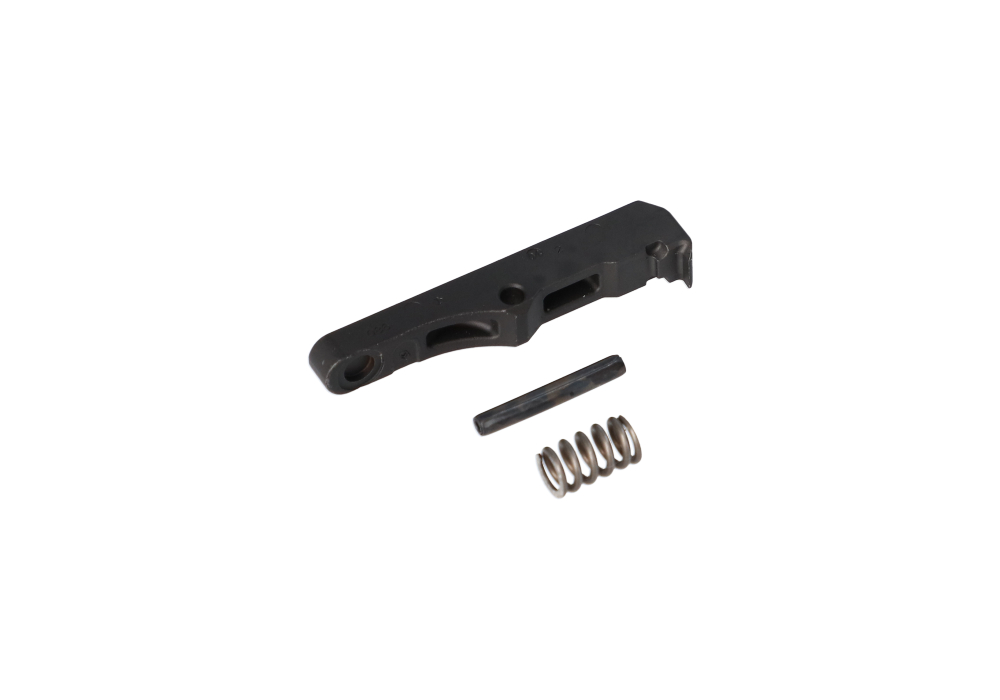
Firearm parts kits bring together the components needed for restoration, repair, collecting, and carefully planned firearm projects, often without including the regulated receiver or frame. Depending on the source and configuration, a kit may contain a barrel, bolt, bolt carrier, trigger components, sights, stock or grip, handguard, pins, springs, and other small parts that can be difficult to locate individually. Some sets come from surplus firearms that have been disassembled, while others consist of components recovered from modern commercial platforms. This variety gives shoppers several useful paths: a restorer may be looking for period-correct parts to return a well-worn firearm to serviceable condition, a hobbyist may want a complete group of compatible components for a receiver project, and an owner may need a replacement assembly after years of use. Before selecting a kit, begin with the exact platform, model family, caliber, and production variation involved. Similar-looking parts can differ in dimensions, mounting points, finish, or compatibility, and a kit intended for one revision may not fit another without additional work. Product descriptions, photographs, included-part lists, and condition notes deserve close attention, particularly when sourcing older surplus components. Wear on finish, surface marks, missing small hardware, altered components, and mismatched assemblies are all details that can affect both the project plan and the total cost. A useful way to organize the search is to compare the listing against a parts diagram or factory manual, then note which components are present, which are absent, and which may require professional inspection. The Firearm Kits collection offers a convenient starting point for reviewing available configurations and identifying the type of parts group that best matches a planned repair, restoration, or build.
A receiver or frame is generally not included in a firearm parts kit, and its legal classification can differ from that of the surrounding components. Buyers should understand which part is regulated in their jurisdiction before ordering, transferring, fabricating, or modifying anything. Local and state requirements may address purchasing, possession, serialization, assembly, storage, transport, and the use of particular configurations. Federal rules can also apply to imported-part assemblies, including requirements associated with 922(r), and those rules may depend on the finished firearm, the source of the components, and the way the project is configured. A licensed dealer, qualified gunsmith, or attorney familiar with firearms law can help clarify questions before work begins. It is also important to review whether a barrel is included. Many surplus kits are supplied without one, so a separate barrel may be needed to complete the project, and the correct chambering, length, profile, threading, and compatibility should be confirmed before purchase. The same care applies to bolt and barrel relationships, magazine fit, sight alignment, fire-control components, and furniture mounting points. Parts with visible wear may be perfectly useful for a display or restoration project, while a component subjected to pressure or repeated cycling should receive a careful inspection from a qualified professional. A gunsmith can check critical dimensions, evaluate corrosion or cracking, confirm headspace where applicable, and verify that the completed firearm functions safely. Hobbyists often keep a written inventory as they work, separating small springs and pins in labeled trays and photographing each assembly before disassembly. That simple habit can prevent confusion later, especially when a kit includes several similar fasteners or components with subtle orientation differences.
Firearm parts kits can appeal to experienced builders, collectors, competitive shooters, instructors, and owners who prefer to keep service parts organized for long-term maintenance. They can also be a thoughtful gift for a responsible adult who already has a clearly defined restoration project, a secure workspace, and the technical knowledge to evaluate components properly. For a gift, it is wise to confirm the recipient’s platform, preferred configuration, and local requirements first; a beautifully presented kit is far more useful when its parts align with an existing project rather than sitting incomplete because of one incompatible component. Seasonal time at the workbench can be especially rewarding during cooler months, when a careful inspection, parts inventory, and cleaning session provide a focused way to prepare equipment for future range use. Still, these kits are not casual novelty items. They should be stored securely away from unauthorized access, kept separated from ammunition during inspection and assembly, and handled only in accordance with established safety practices. Anyone unfamiliar with firearm assembly should seek hands-on instruction from a qualified professional rather than relying solely on videos or informal advice. When comparing listings, consider completeness, component condition, compatibility, included documentation, return terms, and the likely cost of sourcing missing pieces. A lower initial price may not remain economical if it lacks a barrel, bolt, trigger group, furniture, or proprietary hardware. Conversely, a carefully matched kit with honest condition notes can simplify a project and preserve the character of a historic or hard-to-find platform. Thoughtful selection, accurate identification, legal awareness, and professional inspection all contribute to a more reliable experience, whether the goal is a faithful restoration, a practical repair, a collection centerpiece, or a structured long-term workshop project.