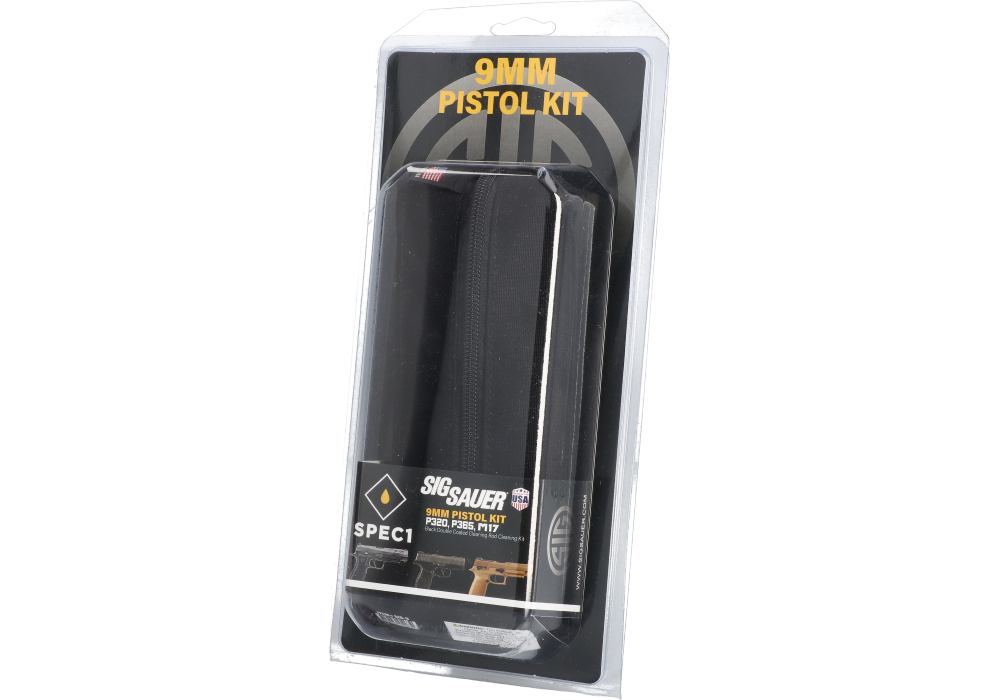
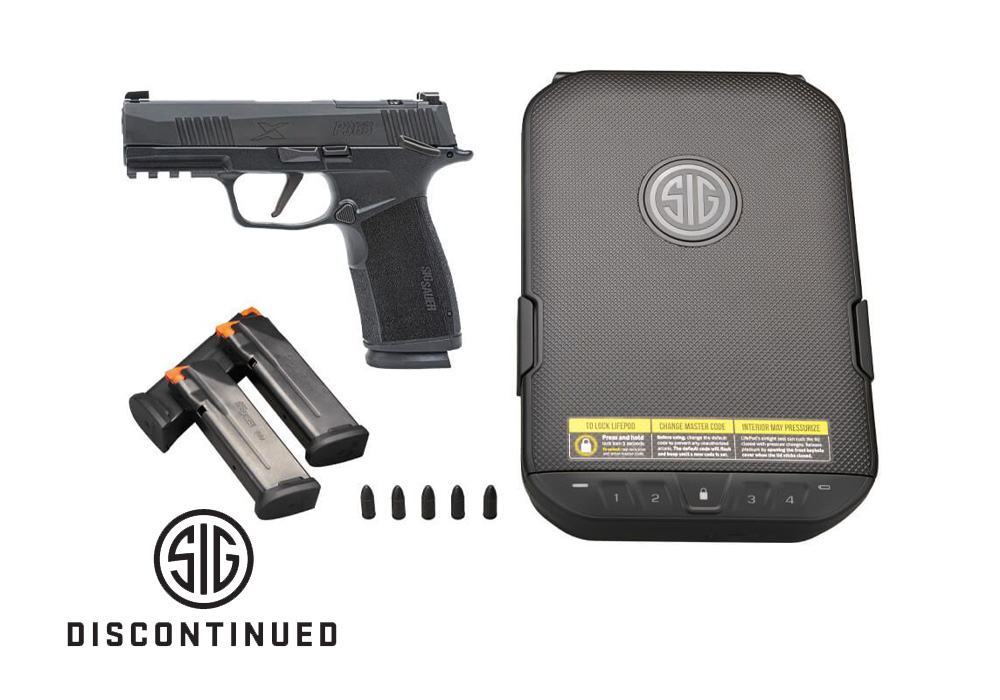
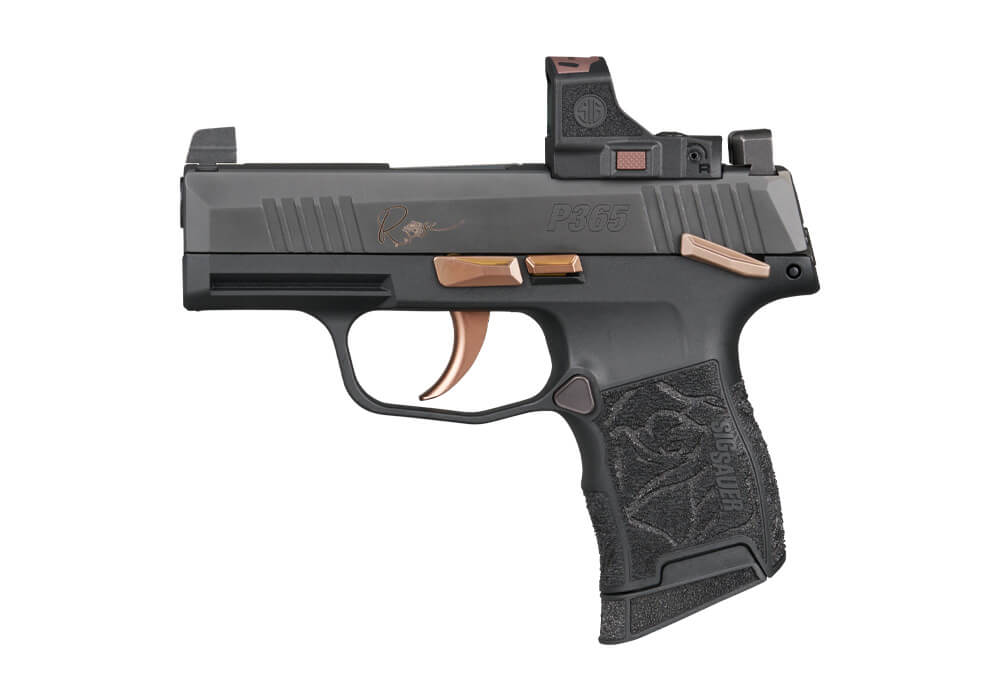
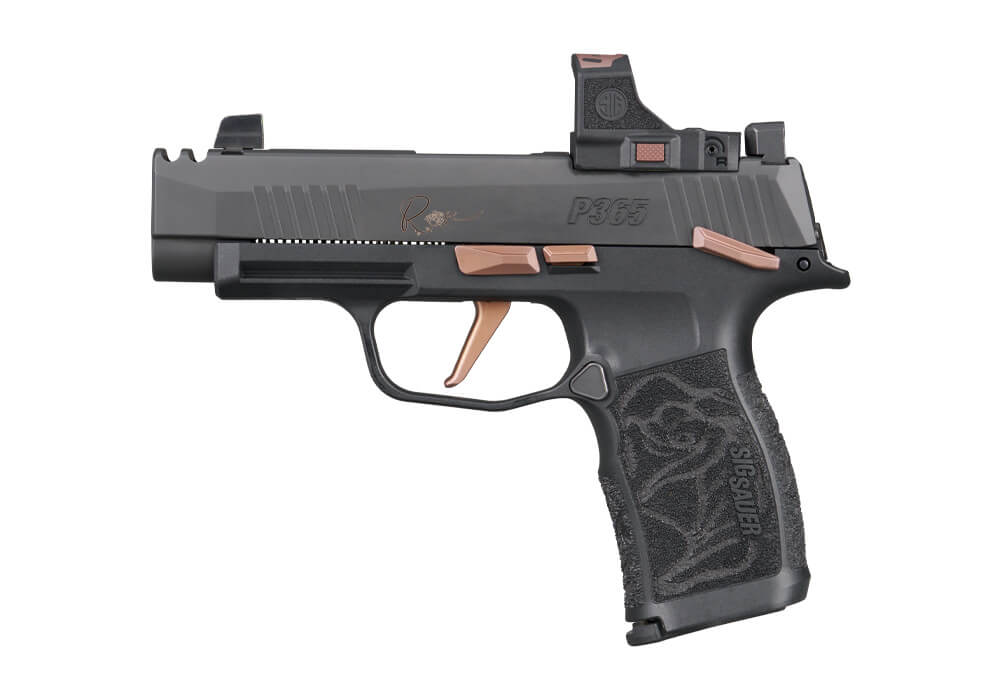
Firearm kits bring together related components, tools, or accessories for a specific purpose, making it easier to organize a purchase around the way a firearm will be used. Because the term covers several product categories, the right kit may be intended for maintenance, range preparation, accessory installation, field care, or a do-it-yourself project involving compatible firearm components. Some packages are designed for owners who want a compact set of cleaning supplies and adjustment tools, while others group parts that support a particular platform or configuration. Before choosing, review the contents carefully and confirm compatibility with the firearm, caliber, operating system, mounting pattern, and intended application. A well-matched kit can reduce the need to track down individual pieces one at a time, but compatibility should always take priority over the number of items included. It is also worth considering how and where the kit will be used. A range bag benefits from a compact selection of essential tools, spare parts, and protective accessories, while a dedicated workbench may accommodate a more comprehensive set with additional bits, drivers, punches, torque-control tools, or storage compartments. During the cooler months, when outdoor range sessions may be shorter and equipment often comes back indoors for inspection, a thoughtfully assembled kit can make it easier to keep firearms clean, protected, and ready for their next lawful use. For owners building out a practical setup, browsing Firearm Accessory Kits can help organize related accessories in one place without losing sight of the details that matter most.
Firearm kits are also useful for people who prefer a hands-on approach to maintaining or personalizing their equipment. A maintenance kit may include purpose-built brushes, cleaning tools, patches, lubricants, picks, cloths, and other supplies intended to help care for a firearm according to its manufacturer’s instructions. An installation-oriented kit may provide the appropriate drivers, bits, or torque-limiting tools for attaching compatible accessories, making careful, repeatable work more manageable than relying on improvised household tools. The familiar image is a well-used range bag opened on a sturdy bench: spent-case residue is brushed away, a loose fastener is checked with the correct bit, and small components are placed in labeled compartments rather than left to roll beneath a work surface. That kind of organization is one of the practical benefits of a kit. Buyers should look for durable construction, clearly identified components, secure storage, and tools sized for the task. They should also confirm whether a package is intended for field maintenance or more involved bench work, since a lightweight travel set may not replace a full armorer’s tool collection. These kits can make thoughtful gifts for a responsible adult who already owns a compatible firearm, enjoys range time, or is gradually assembling a dedicated cleaning and maintenance station. A useful gift is one that supports safe ownership without guessing at personal preferences, so universal care supplies and well-documented tools are often a better choice than parts that depend on a specific configuration. Firearms and related equipment should always be stored securely, and any maintenance or accessory work should begin only after the firearm is unloaded, pointed in a safe direction, and handled in accordance with the manufacturer’s instructions.
For shoppers considering build-oriented or parts-based kits, the contents and legal status require especially close attention. Some packages are sold as collections of components rather than complete firearms and may omit a regulated receiver or frame; other kits may contain replacement or upgrade parts intended for an already-owned firearm. Surplus or historical parts sets can involve additional questions about condition, demilitarization, compatibility, and the need for legally compliant replacement components. The fact that parts are sold together does not by itself guarantee that they will produce a functioning configuration, and professional inspection is appropriate whenever condition, fit, or safety is uncertain. Before purchasing or beginning any assembly, verify federal, state, and local requirements, including rules that may apply to receivers, frames, serialization, transfers, unfinished components, transportation, and possession. Regulations can differ substantially by jurisdiction and may change over time, so buyers should consult current official sources and qualified legal counsel when needed. It is equally important to use only components intended for the selected firearm and to avoid modifications that could interfere with safe operation, reliability, warranty coverage, or applicable law. Whether the goal is to refresh a trusted range firearm, prepare a compact field-care setup, organize a new owner’s essentials, or explore a carefully researched historical project, the best firearm kit is the one with a clear purpose, verified compatibility, durable contents, and instructions that can be followed without guesswork. As the weather warms or turns cooler, that same deliberate approach helps keep preparation, storage, maintenance, and responsible use at the center of every purchase.