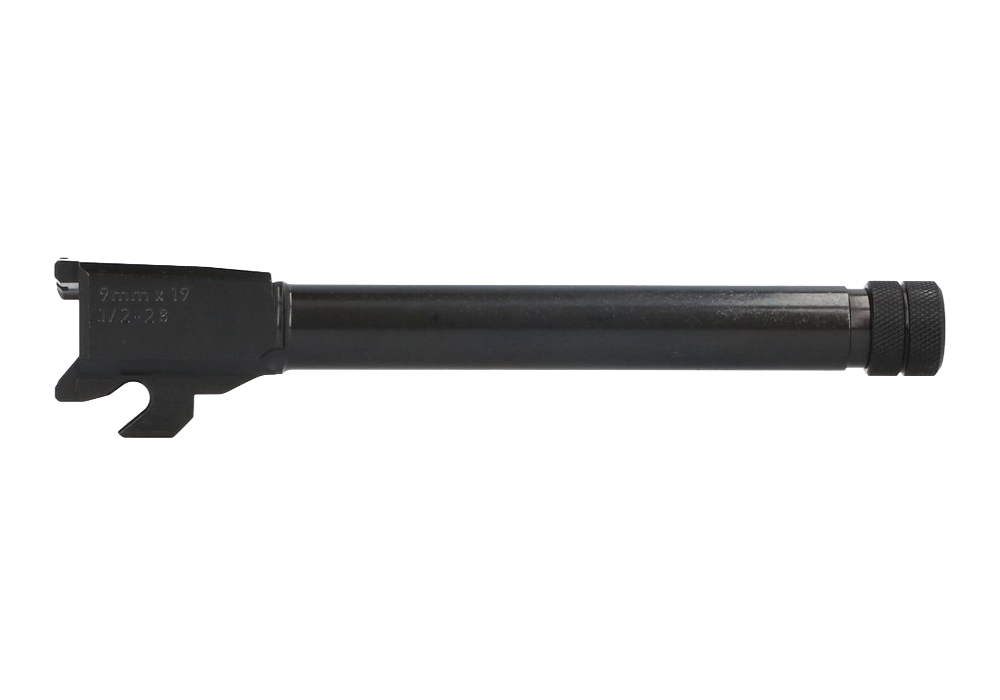
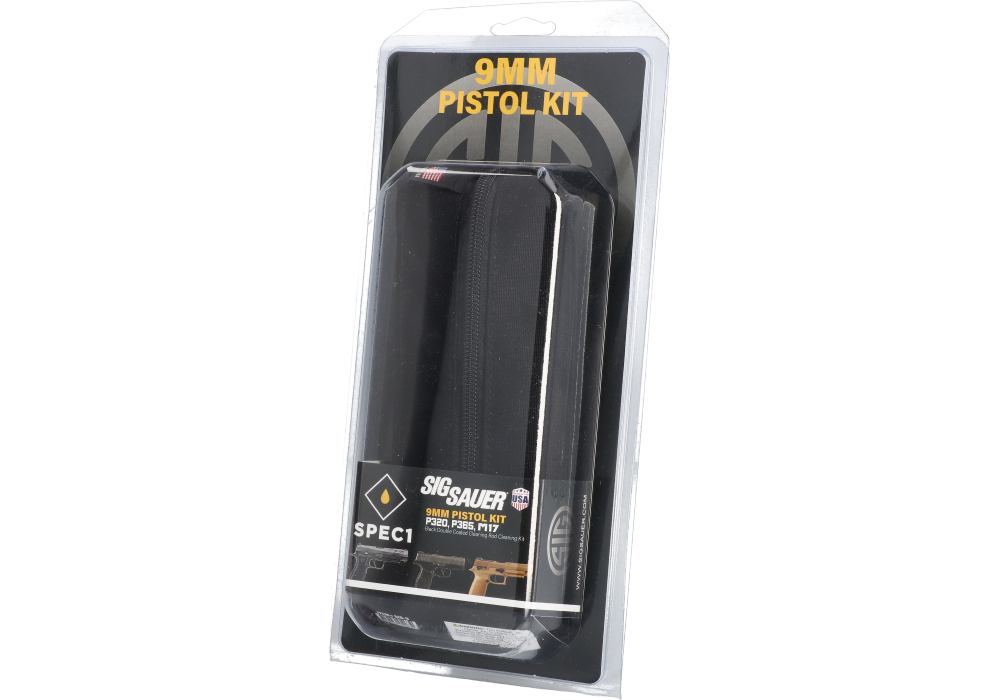
Pistol repair products help firearm owners address routine wear, replace damaged or depleted components, and keep a trusted handgun ready for responsible use. Over time, repeated cycling, recoil, exposure to dust or moisture, and ordinary handling can affect small parts that are easy to overlook. Springs can lose tension, screws and pins may need replacement, grips can become worn, and sights or controls may require attention after years of use. The right repair-related products provide a practical way to support maintenance between professional inspections, whether a pistol is used for range practice, personal protection, competition, training, or collection. They may also be useful for instructors, armorers, gunsmiths, and experienced firearm owners who routinely work with compatible platforms. Before purchasing, identify the pistol’s exact model, caliber, generation, and configuration. Even components that appear nearly identical can differ in dimensions, finish, interface, or intended application. Checking the owner’s manual, manufacturer specifications, and applicable local requirements is an important part of selecting a proper replacement. When uncertainty remains, consult a qualified gunsmith rather than relying on appearance alone. A repair part should fit correctly, function as intended, and complement the pistol’s existing components; a bargain that requires modification or creates uncertainty is rarely a sound choice for a safety-critical tool. This collection can help shoppers compare practical options while keeping compatibility, durability, and intended use at the center of the decision.
Many pistol repair purchases fall into two broad categories: replacement components and the tools or accessories used to inspect, install, adjust, or protect them. Replacement components may be selected when a part has visible damage, unusual wear, corrosion, looseness, or a change in performance. Repair-focused tools can be helpful for an owner who maintains several pistols, a range officer who assists with basic equipment care, or a gunsmith organizing a workbench for careful, repeatable service. Buyers should consider the material, finish, dimensions, and stated application of each item, along with whether it is intended for factory-standard configuration or a specialized setup. It is equally important to distinguish between routine maintenance and work that affects the firing system, locking surfaces, trigger operation, safeties, or other critical functions. Those areas deserve particular caution and are often best handled by a trained professional. Any firearm should be completely unloaded before inspection or maintenance, with ammunition stored separately and the work area arranged so that nothing is mistaken for a live cartridge. A clear bench, adequate lighting, suitable eye protection, and the correct tool for the task can make a meaningful difference. If a pistol has been dropped, exposed to significant moisture, modified, or involved in a malfunction, do not assume that replacing one visible part will resolve the underlying issue. Have it evaluated by a qualified gunsmith and follow all applicable laws and safe-handling practices. For owners who are not looking for repair-specific components, related items in Pistol Shooting Parts may offer another way to find compatible equipment for a broader maintenance or range setup.
Pistol repair products can also make thoughtful gifts for an experienced shooter, competitive participant, firearm instructor, or mechanically inclined collector, particularly when the giver knows the recipient’s exact platform and preferences. A carefully chosen maintenance accessory or compatible replacement item may be more useful than a generic novelty, but fit remains essential. When the model is uncertain, a gift card or a conversation about the recipient’s preferred pistol may be wiser than guessing at a part. For someone building a more organized routine, repair supplies can support the simple habits that prevent small concerns from becoming larger ones: inspecting equipment after use, wiping away residue, checking for signs of wear, storing firearms securely, and recording changes or service dates. During the warmer months, range trips and outdoor carry can expose equipment to sweat, dust, and humidity; as cooler weather arrives, a pistol that has spent time in a case or vehicle may benefit from a careful inspection before its next use. Storage conditions matter throughout the year, and repair products should themselves be kept clean, dry, and protected from damage. Whether the goal is to restore dependable function, replace a worn component, prepare a workbench, or support a loved one’s responsible shooting hobby, thoughtful selection is more important than simply adding parts. Choose items that match the firearm precisely, use them only within the limits of your training and the manufacturer’s guidance, and seek professional service whenever the repair involves critical operation or any uncertainty about safe function.