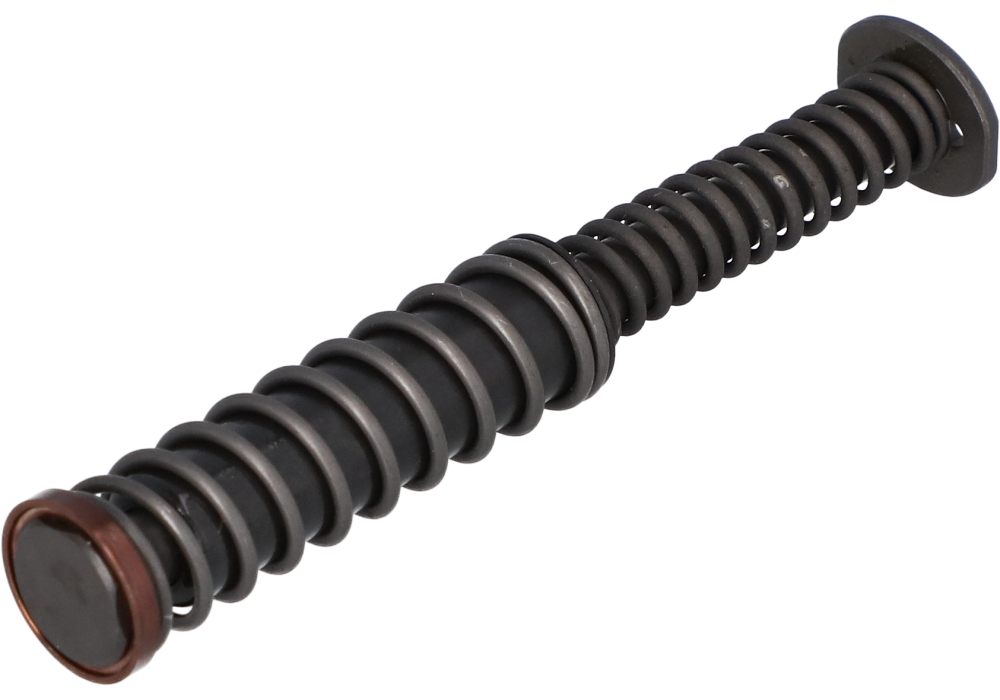
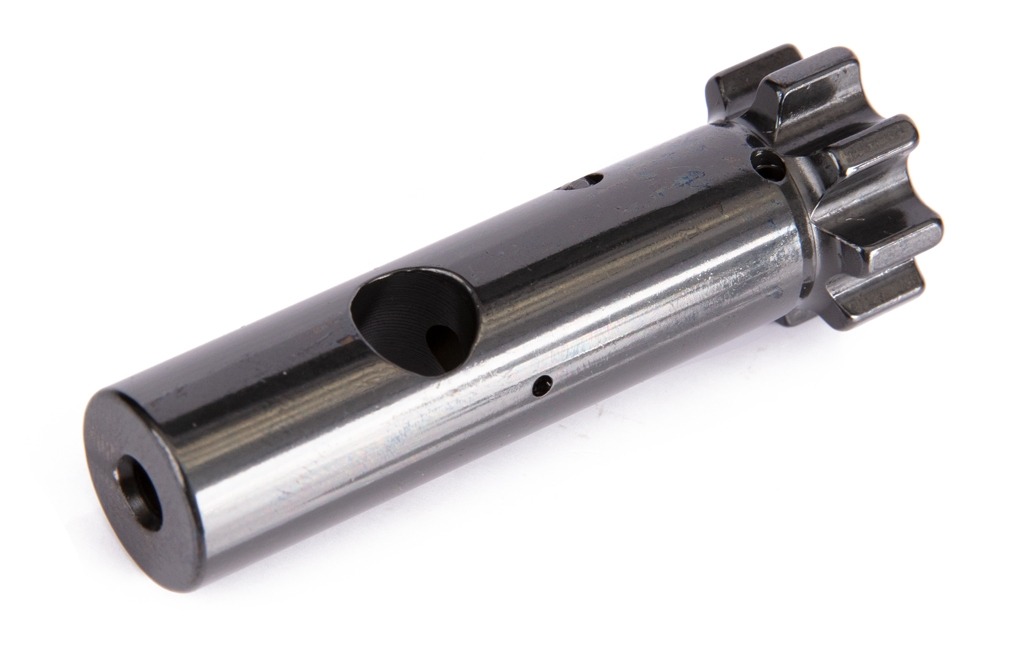
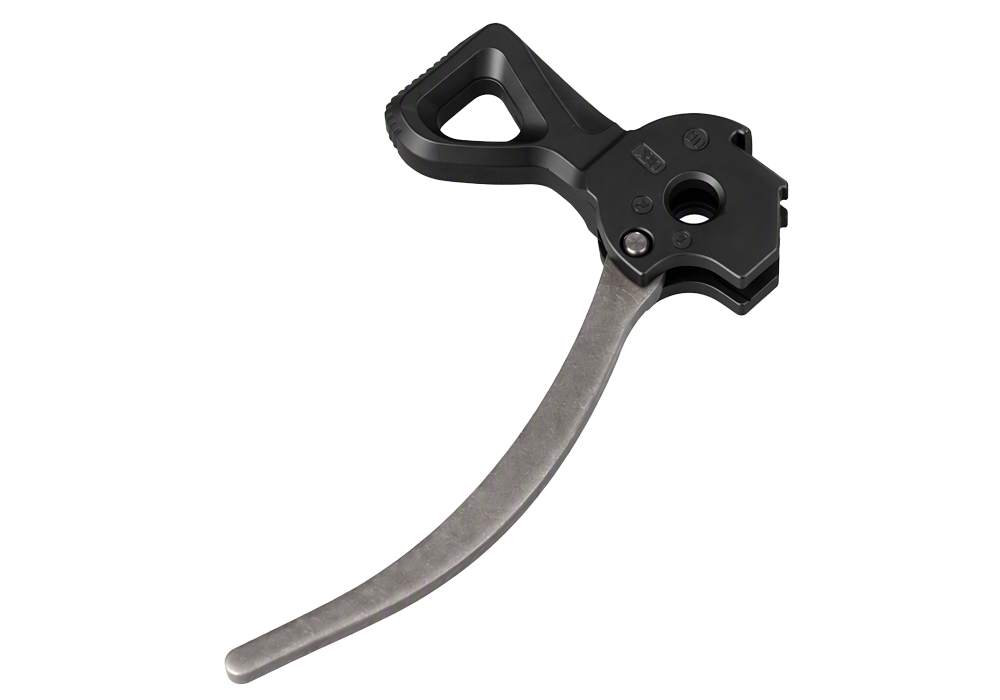
Gunsmithing parts provide a practical way to maintain, restore, or personalize a firearm while keeping the work focused on the correct platform and intended use. This category may include replacement components, factory-original elements, specialty hardware, springs, pins, small internal pieces, and parts kits intended for compatible firearms. Some buyers are replacing a worn or missing component after years of regular range use; others are preserving a family firearm, completing a careful restoration, or preparing a trusted firearm for seasonal practice and maintenance. The right part can help return a properly maintained firearm to its expected function, but compatibility is essential. Before purchasing, confirm the manufacturer, model, generation, caliber, configuration, and any other identifying details listed for the firearm. Even components that appear nearly identical may differ in dimensions, materials, finishes, or fit. Older, discontinued, or surplus firearms can require additional attention because revisions may have been made during production, and replacement availability can vary. Reviewing the firearm’s documentation and comparing the part against the original can help narrow the selection, while a qualified gunsmith can verify fitment when the application is uncertain. For additional replacement-component options, shoppers can also browse Gun Repair Parts. A careful approach is especially important for parts connected to the firing, locking, safeties, or other operating systems. These components should be inspected and installed by a properly qualified professional unless the owner has the training, tools, and experience required for the specific work. After any repair or modification, the firearm should be checked in a safe, controlled setting by a competent gunsmith before it is returned to regular use, with all applicable laws and storage requirements observed.
Shoppers often begin with the exact reason for the purchase. A replacement part may be needed to address normal wear, restore a firearm that has been stored for an extended period, or support routine preventive maintenance. A restoration project may call for vintage, obsolete, or surplus components that match the era and configuration of the firearm, while a practical repair may require a current-production component designed for a particular model variation. Specialty hardware and small replacement pieces are easy to overlook until a cleaning session, inspection, or repair reveals that something is damaged, missing, or no longer serviceable. Taking clear notes before ordering can make the process smoother: record the firearm’s markings, inspect the existing component without forcing it, measure only where appropriate, and compare photographs, descriptions, and compatibility information carefully. Keep in mind that finish and color can vary between production periods, and a part that fits mechanically may not provide the appearance desired for a restoration. Parts kits can be useful for organized repair work or preservation projects when the included components are clearly identified and intended for the same platform, but a kit should not be treated as a substitute for compatibility verification. Buyers should also consider whether the work calls for specialized tools, a controlled work area, or professional inspection. For someone who enjoys learning about firearm maintenance, a carefully selected non-critical replacement component or clearly documented accessory may make a thoughtful gift, particularly when paired with a commitment to safe handling and professional guidance. A gift card or a conversation about the recipient’s exact firearm can be more useful than guessing at a model-specific part. During the cooler months, when many owners spend more time organizing a workshop, reviewing stored equipment, or planning future range sessions, gunsmithing parts can support a methodical maintenance routine without encouraging rushed repairs.
The best gunsmithing parts purchase balances exact compatibility, intended purpose, condition, and the level of work involved. Start with the firearm rather than the part: identify the platform and configuration, determine whether the need is repair, restoration, replacement, or customization, and then look for a component described for that exact application. Factory-original parts may be preferred when maintaining the original configuration or matching established specifications, while compatible replacement components may suit routine service when their materials, dimensions, and intended use are clearly documented. Surplus and vintage components can add value to a restoration, but their condition may range from unused inventory to previously installed parts, so descriptions and inspection standards deserve close attention. Avoid relying on appearance alone, and do not assume that a component designed for one generation will function correctly in another. It is also wise to account for local regulations, transfer requirements where applicable, safe shipping and storage, and the possibility that certain repairs must be completed by a licensed or otherwise qualified professional. Once parts arrive, keep them secured away from unauthorized access, separate from ammunition during inspection, and organized with their documentation. A gunsmith can evaluate wear on related components, identify underlying causes, and confirm safe operation after installation—an important step when a repair involves critical mechanisms. Whether the goal is preserving a well-used firearm with honest wear, preparing for a return to the range as the weather warms, or keeping a long-planned restoration moving through the seasons, carefully selected gunsmithing parts offer a practical foundation for responsible maintenance. The most rewarding projects are often the quiet ones: a clean workbench, the original component set aside for reference, accurate records, and the confidence that every part has been chosen for the firearm it is meant to serve.