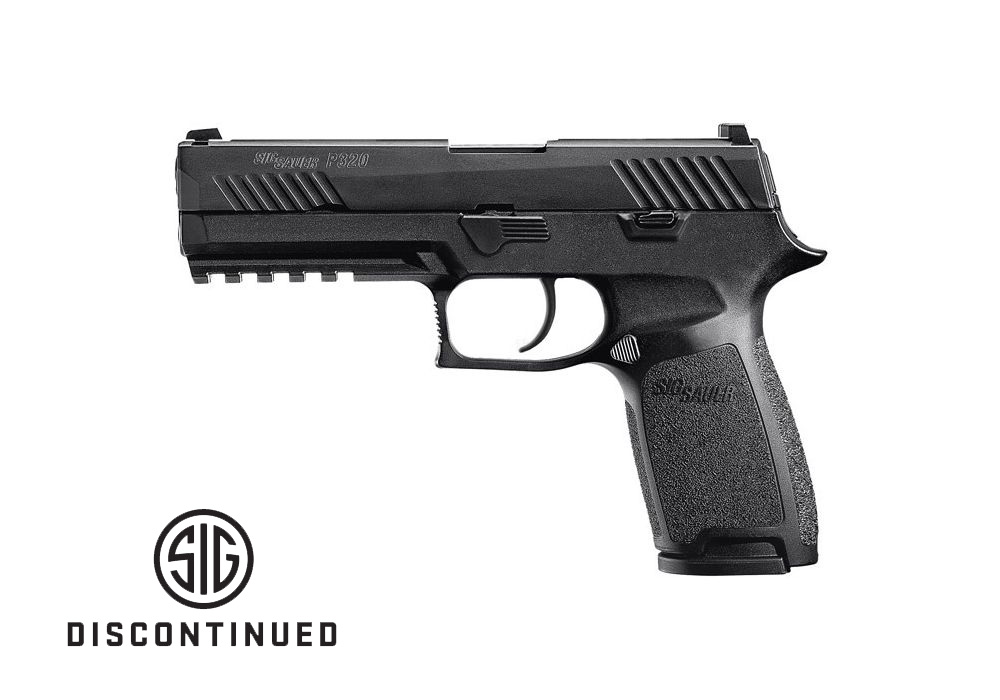
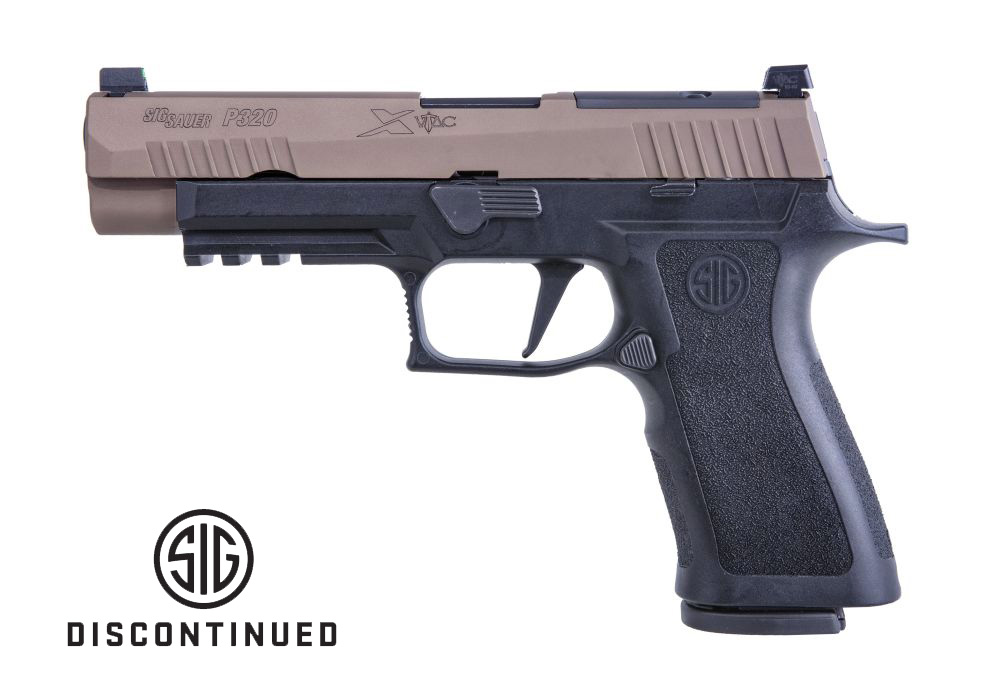
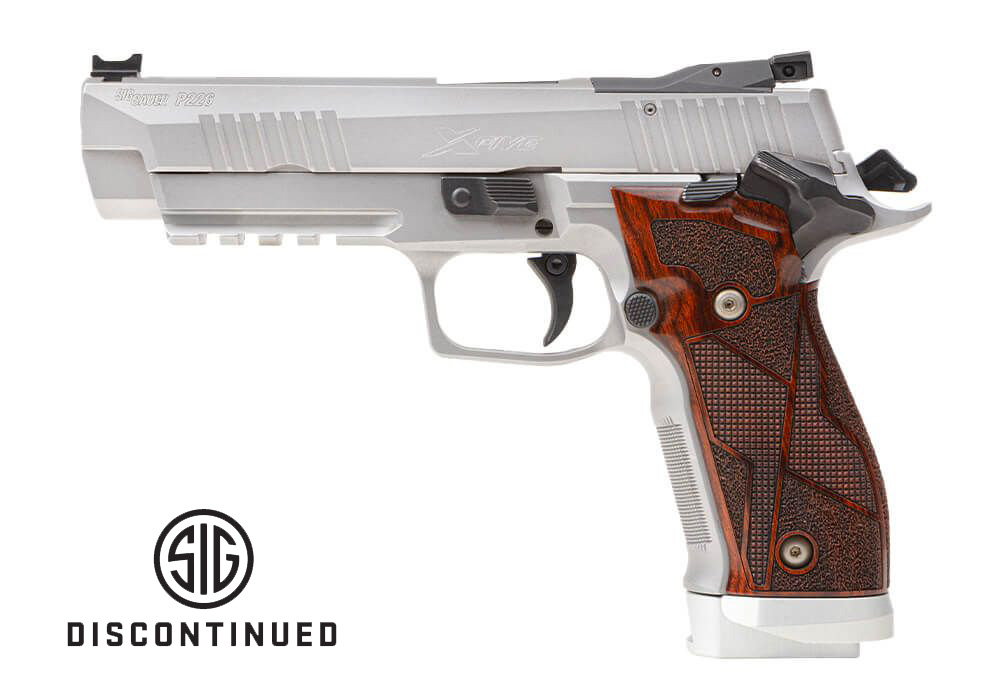
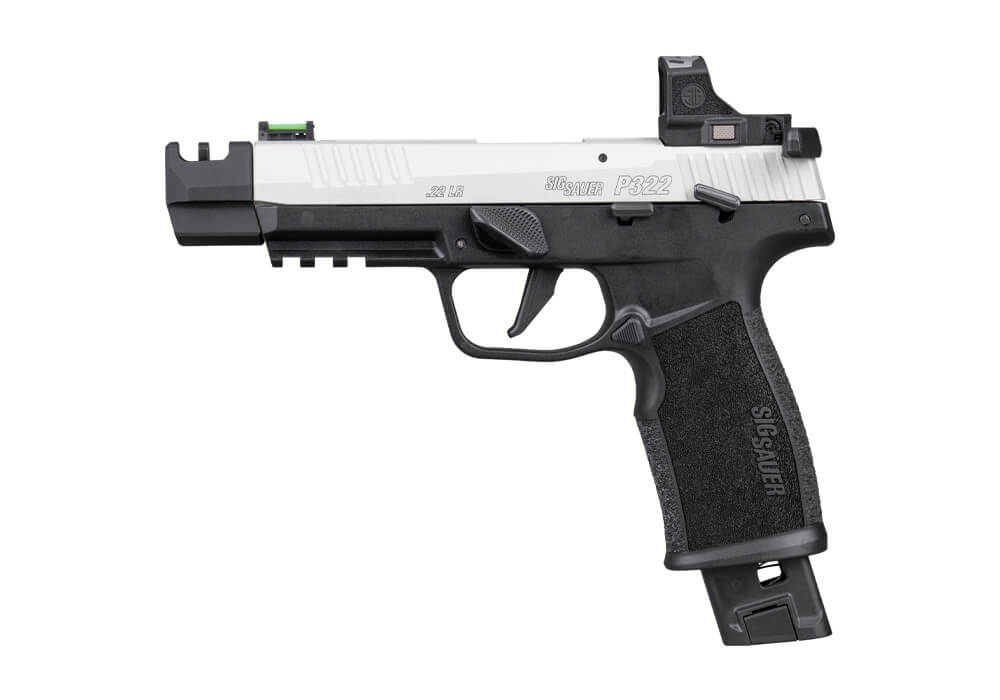
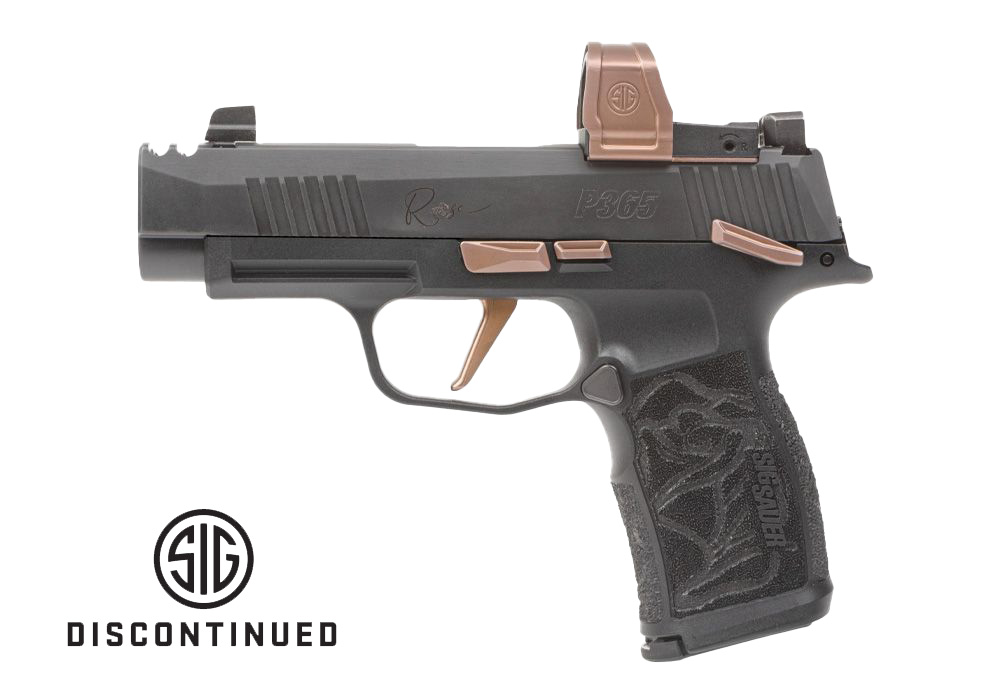
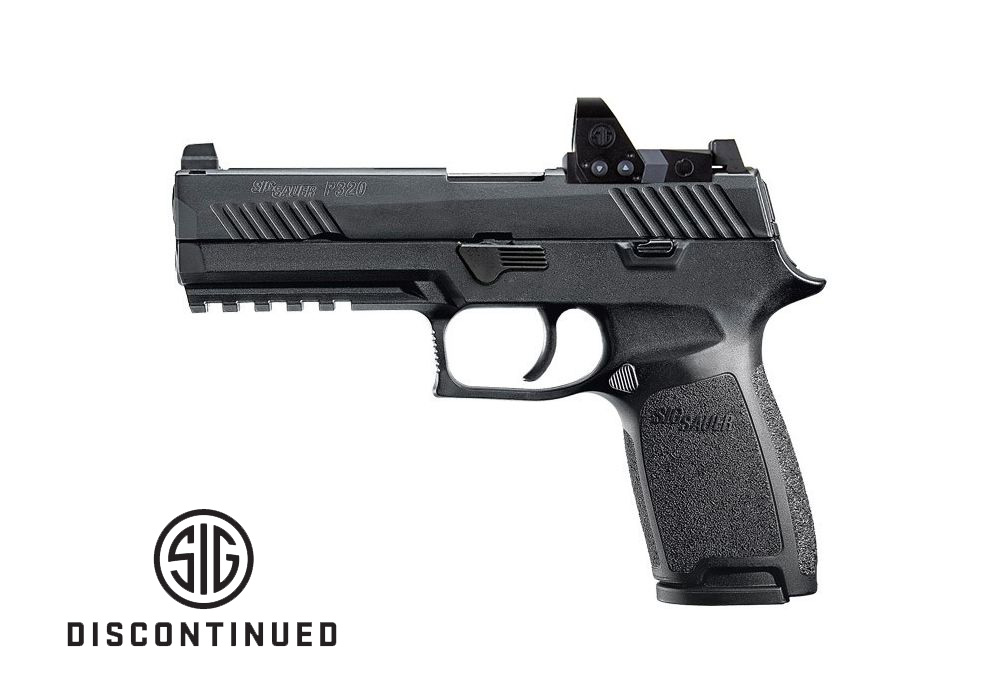
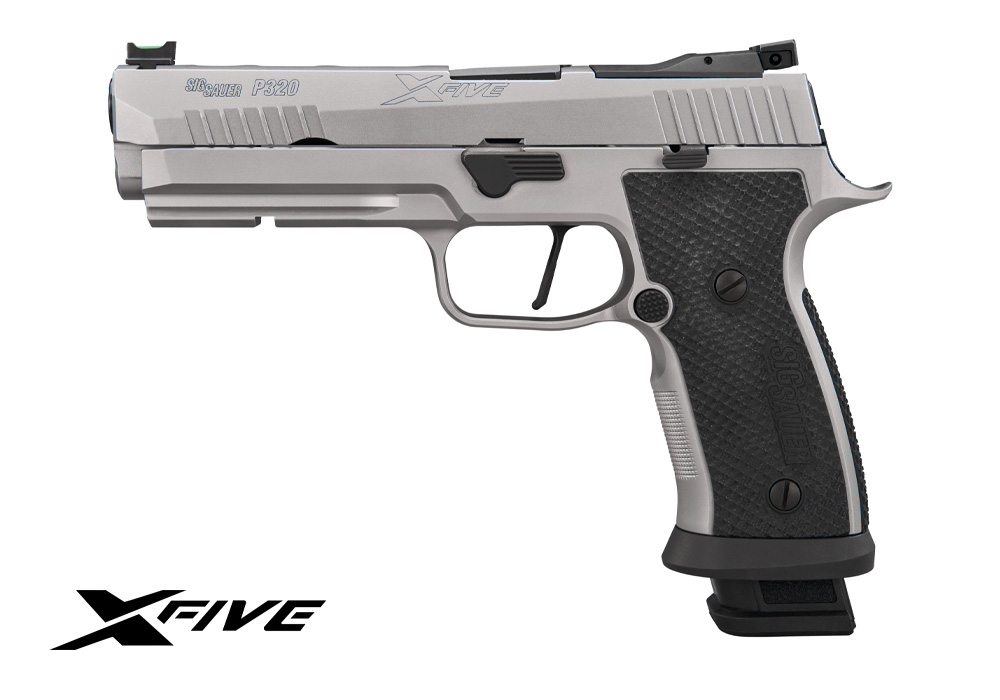
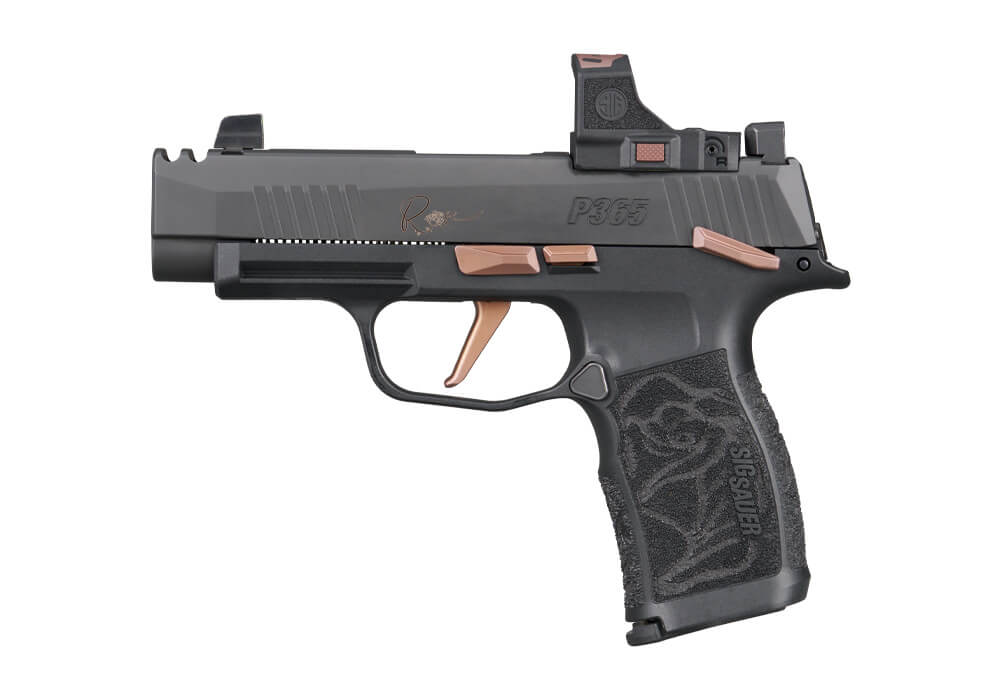
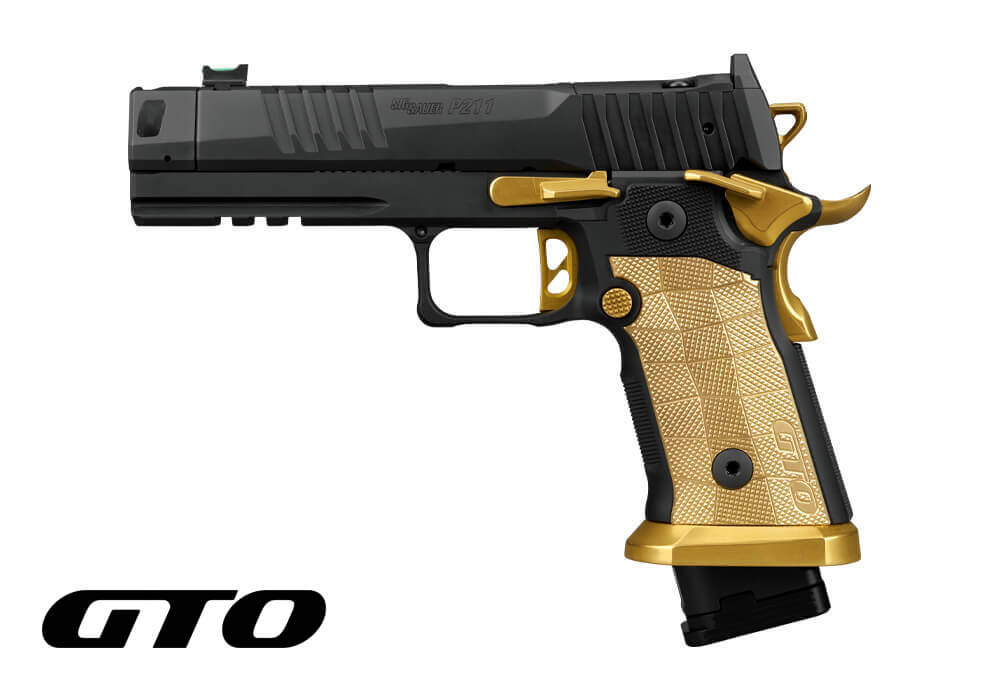
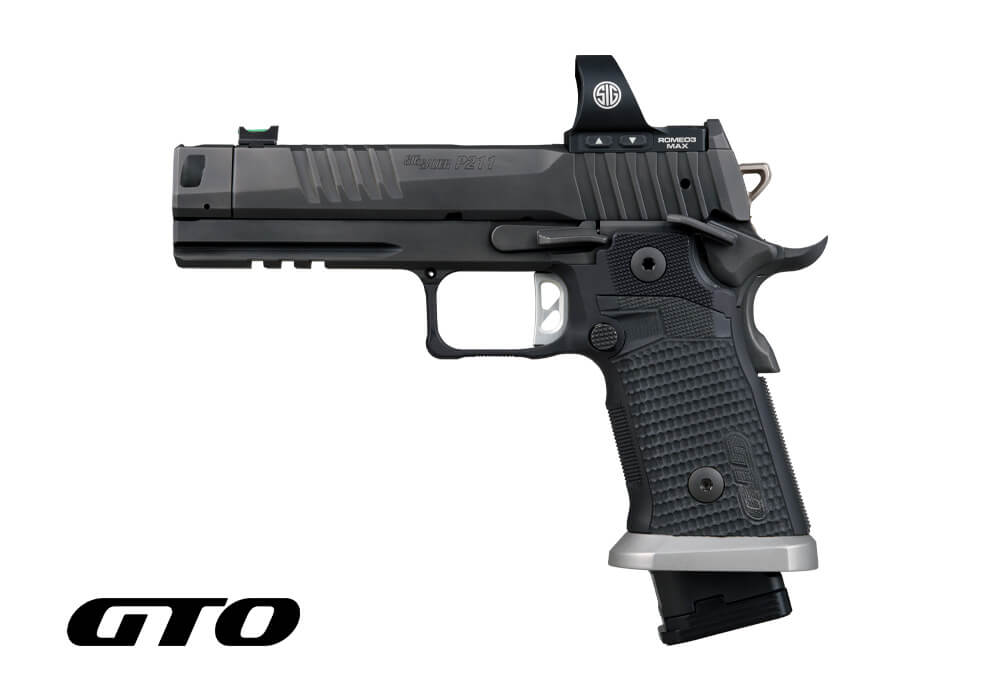
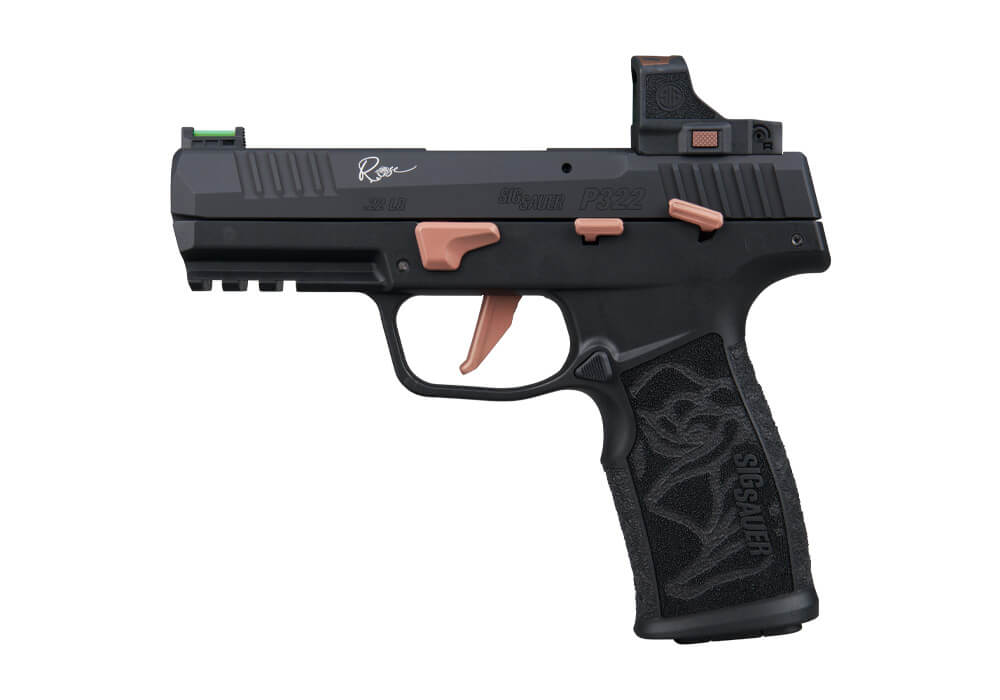
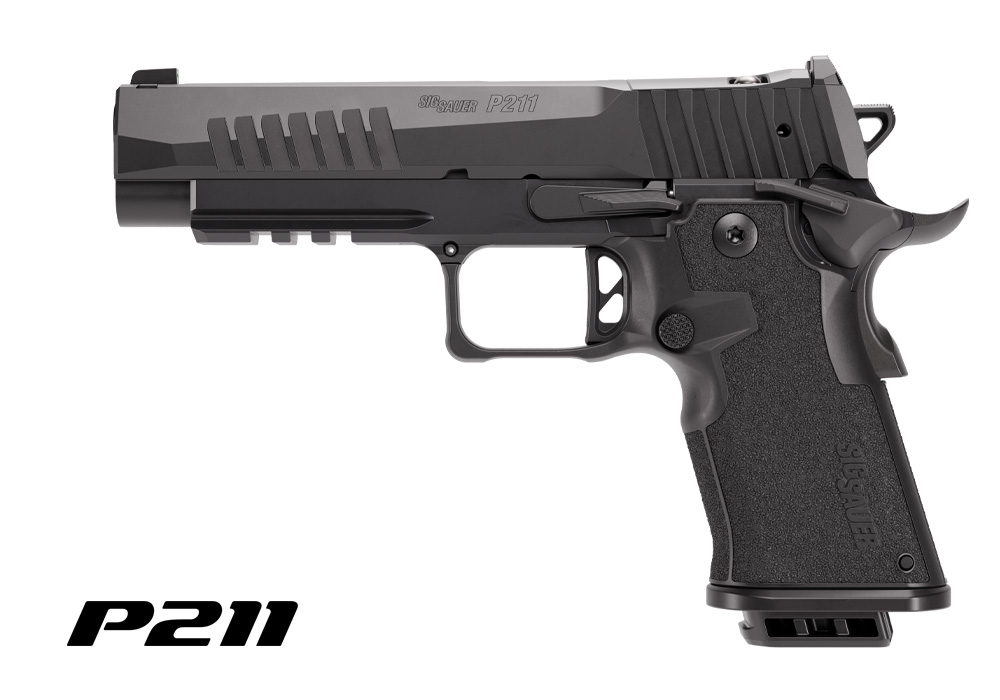
Pistols for range shooting support recreational target practice, supervised instruction, and the steady development of safe firearm-handling habits. A well-suited range pistol combines comfortable grip geometry, visible sights, manageable recoil, and controls that suit the shooter’s hands. No single configuration fits every person: hand size, experience, preferred caliber, and the kind of range session all influence how a pistol feels in use. Full-size pistols often appeal to shooters who prioritize a substantial grip and a stable feel over the smaller dimensions associated with everyday carry. Compact pistols can also serve on the range, particularly for someone who wants to practice with a familiar size rather than maintain separate firearms for different purposes. For recreational target shooting, 9mm is a common option, with recoil characteristics that many shooters find approachable in a properly fitted pistol. Other chamberings offer different shooting experiences, and suitability depends on the firearm’s design as well as the individual. Frame construction is another meaningful distinction. Polymer frames generally reduce overall weight, while aluminum-alloy and steel frames offer different balances of weight, rigidity, and feel. A heavier pistol may feel steadier during a deliberate target session, but that weight can also become noticeable over an extended visit. Barrel and slide dimensions affect balance, and a longer distance between traditional front and rear sights can help make small alignment differences easier to recognize. These characteristics matter together rather than in isolation. A pistol that feels comfortable at the counter may feel different after several supervised strings on a paper target, when grip texture, control placement, and overall balance become more apparent. The strongest fit for range use is therefore not simply the largest pistol or the one with the most features. It is a firearm whose dimensions, operating system, and sight arrangement support comfortable, consistent practice within the shooter’s abilities. Beginners, returning enthusiasts, and experienced target shooters may all value that combination, even when their preferences differ considerably.
Fit is especially important when a range visit lasts beyond a few brief strings. Grip circumference, the shape of the backstrap, and the distance to the trigger all influence whether a pistol feels natural in the hand. Interchangeable grip components, where included, offer flexibility for different hand sizes without requiring a different frame. Texture also has a practical role: pronounced surfaces can provide a secure feel, while less aggressive patterns may be more comfortable during longer sessions. Neither approach is automatically better, and comfort should not depend on squeezing harder to compensate for an unsuitable fit. Control placement deserves similar attention. A magazine release or slide control that suits one shooter may be awkward for another, especially when comparing left- and right-handed use. Ambidextrous or reversible controls can be useful features, but their operation varies by design. Striker-fired and hammer-fired pistols also have different operating characteristics, and trigger feel can vary significantly within either category. For range use, a predictable trigger and a clearly understood operating system are more useful than vague claims about performance. Familiarity developed through qualified instruction helps connect those mechanical differences with responsible handling. Sights shape the experience at the firing line as well. Clearly defined iron sights can suit straightforward paper-target practice, while adjustable sights may appeal to shooters whose target work calls for a more tailored sight setting. Optic-ready configurations provide another option for those interested in a compatible red dot sight, though mounting requirements and compatibility are specific to the firearm and optic. The complete sight arrangement should suit the shooter’s vision and the intended range activity. A crisp target outline, an uncluttered sight picture, and a grip that remains comfortable through repeated practice are tangible qualities, not decorative features. For someone attending an introductory class, simplicity and ease of understanding may matter most. For a frequent range visitor, personal fit, familiar controls, and compatibility with permitted range activities may carry greater weight. In either case, thoughtful design supports the experience without replacing instruction, attention, or safe handling.
Durability and care become increasingly relevant as a pistol sees regular range use. Steel components, protective surface treatments, and sound frame construction contribute to long-term service, but no material removes the need for routine inspection and maintenance. Protective finishes can help resist ordinary wear and corrosion; their condition still deserves attention after repeated handling, transport, and exposure to cleaning products. Manufacturer-specified cleaning and lubrication help preserve the firearm’s intended operation, and compatible supplies matter because unsuitable chemicals or excessive lubrication can create problems rather than solve them. Maintenance requirements differ among designs, so the owner’s manual remains the appropriate reference for inspection, cleaning, and any service needs. Magazines also warrant attention as working components, particularly when frequent practice means repeated loading, unloading, and handling. Ammunition must match the firearm’s specified chambering, and individual ranges may set additional restrictions on ammunition types, targets, and equipment. A range pistol fits into a broader routine that includes appropriate eye and hearing protection, a suitable transport case, and secure storage that prevents unauthorized access. A padded case can protect sights and finishes during transport, while a dedicated storage solution serves a separate security purpose; one does not replace the other. These practical considerations are relevant whether range shooting is an occasional outing with a qualified instructor or an established recreational interest shared with friends. Someone considering a firearm as a gift should also account for the recipient’s preferences, experience, and applicable purchase and transfer requirements rather than assuming that a particular size or configuration will suit them. Shooters whose interests extend toward more specialized target work can explore Pistols for Advanced Shooters for a related focus. Across experience levels, the enduring appeal of a range pistol comes from how well its construction, fit, and features support its intended use. Comfortable handling, appropriate equipment, consistent care, and respect for range procedures help keep attention on the purpose of the visit: responsible recreation and meaningful time on the firing line.