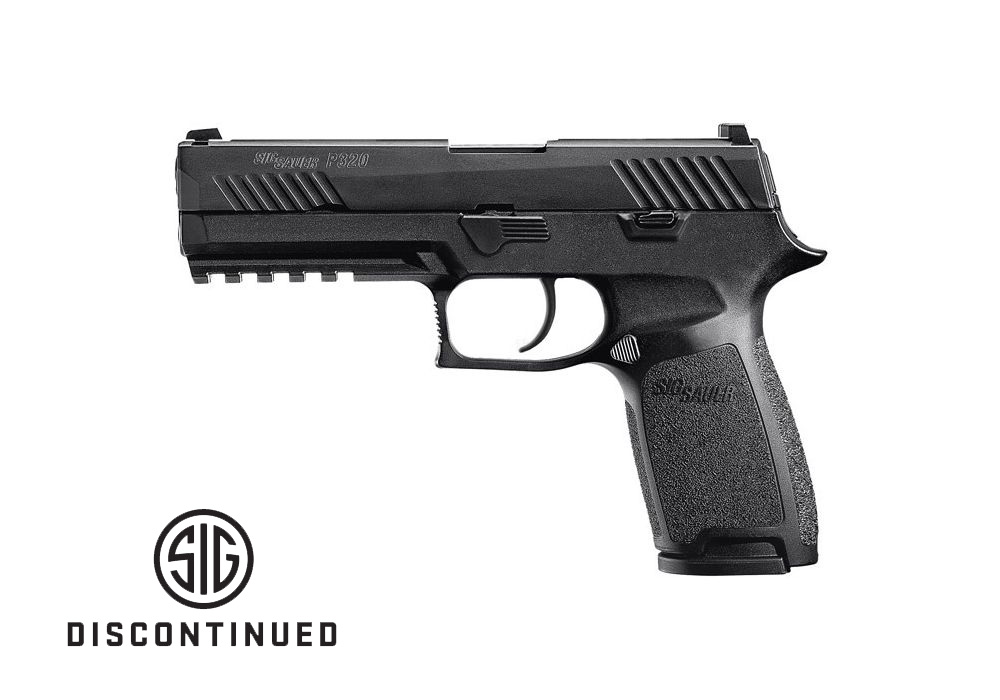
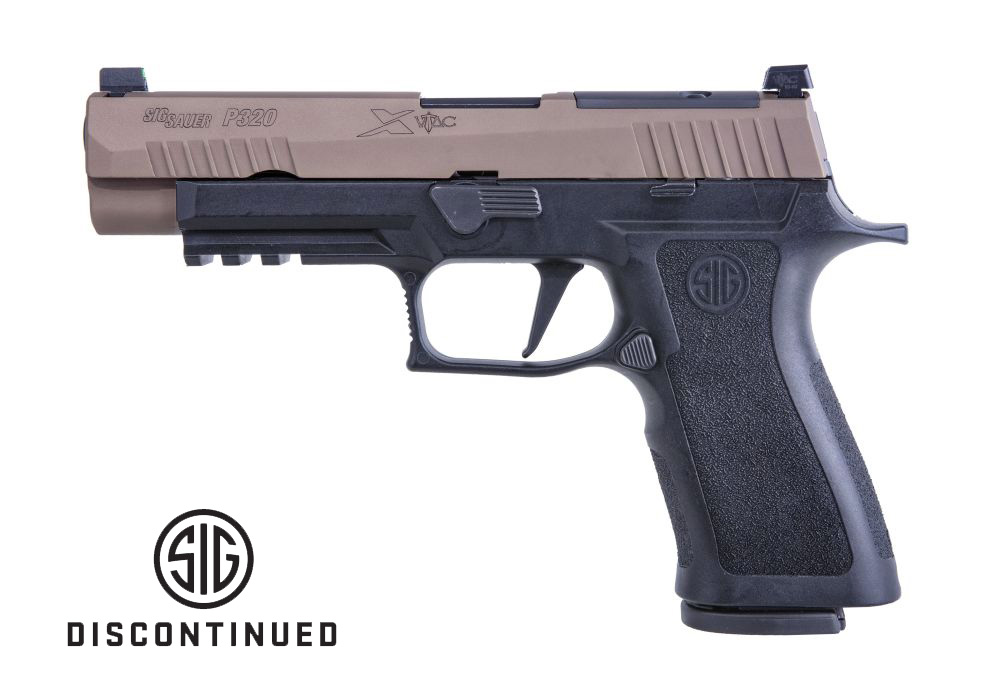
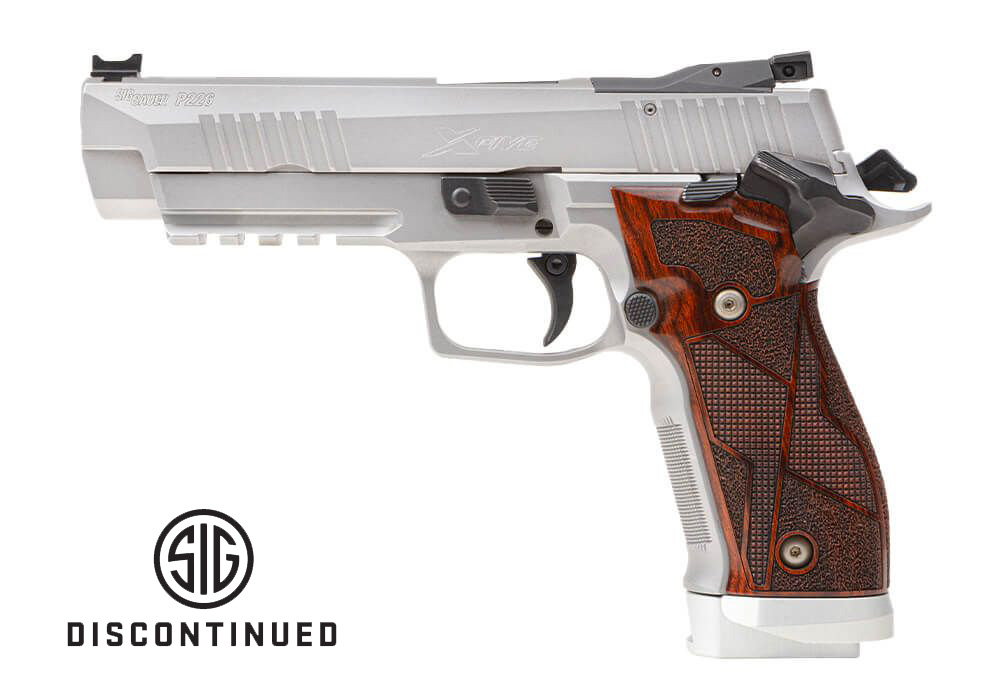
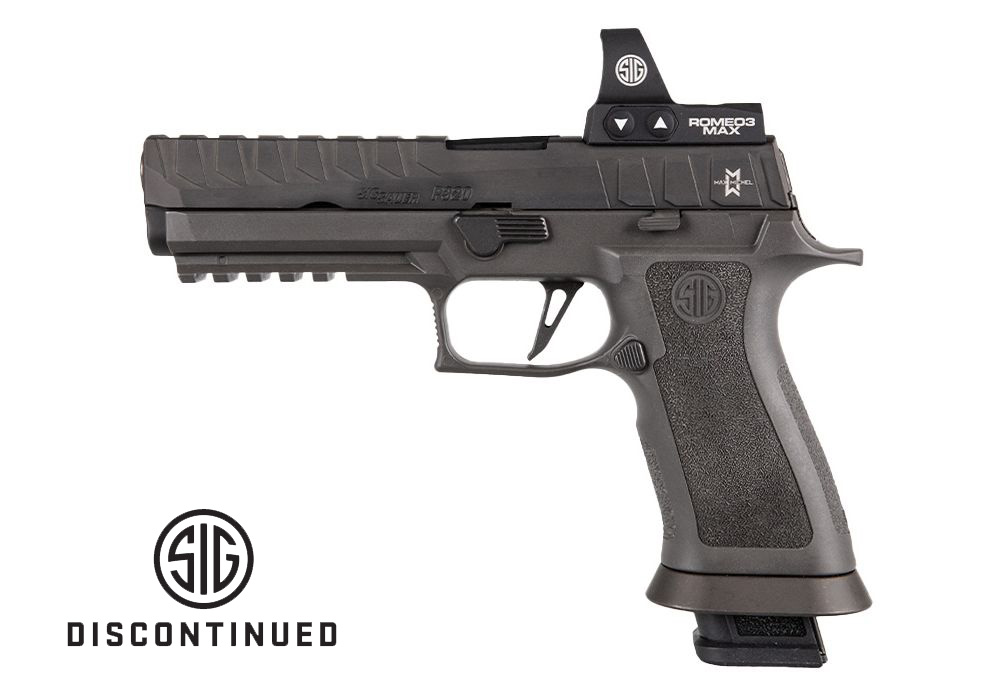
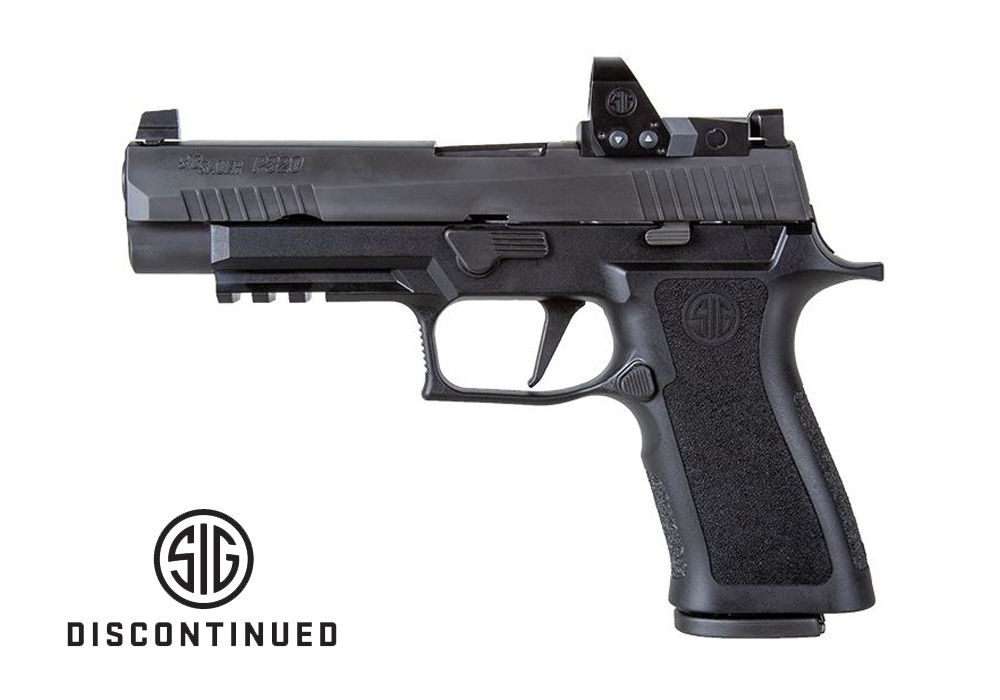
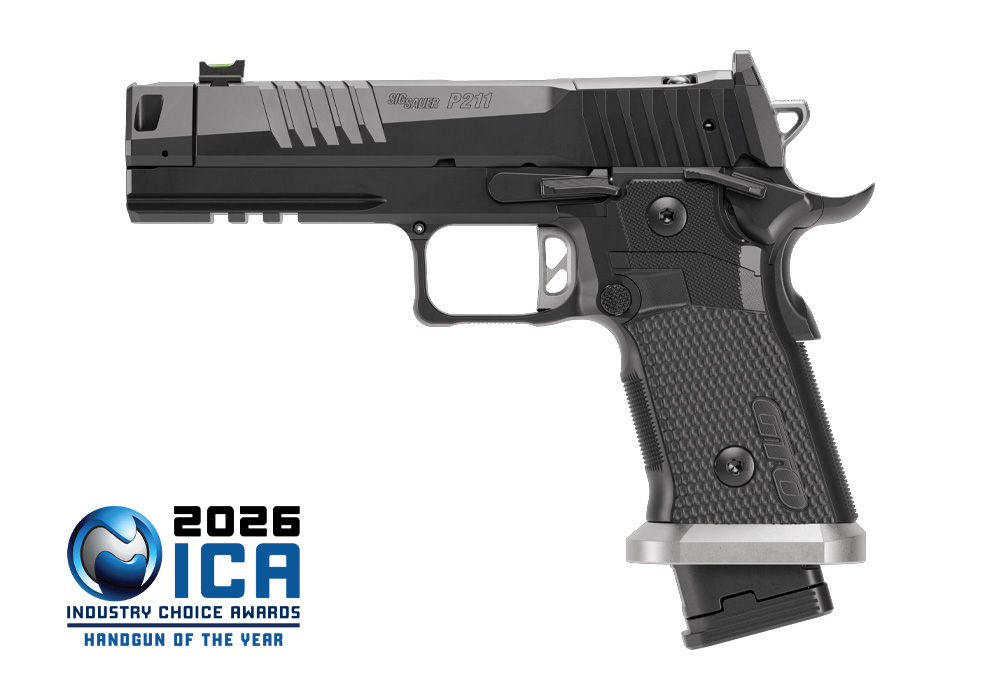
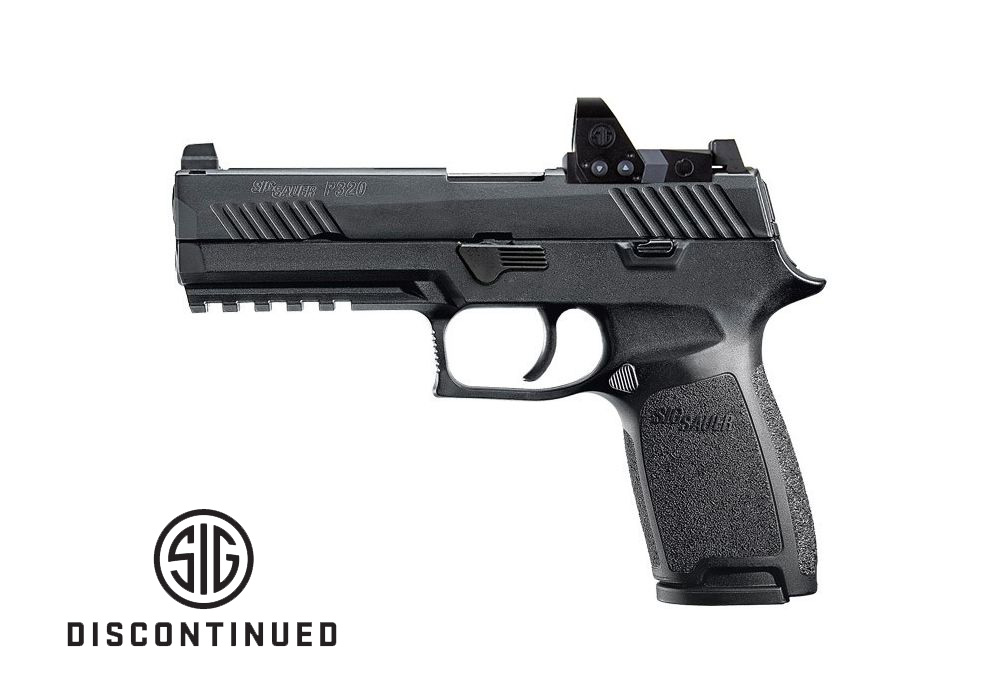
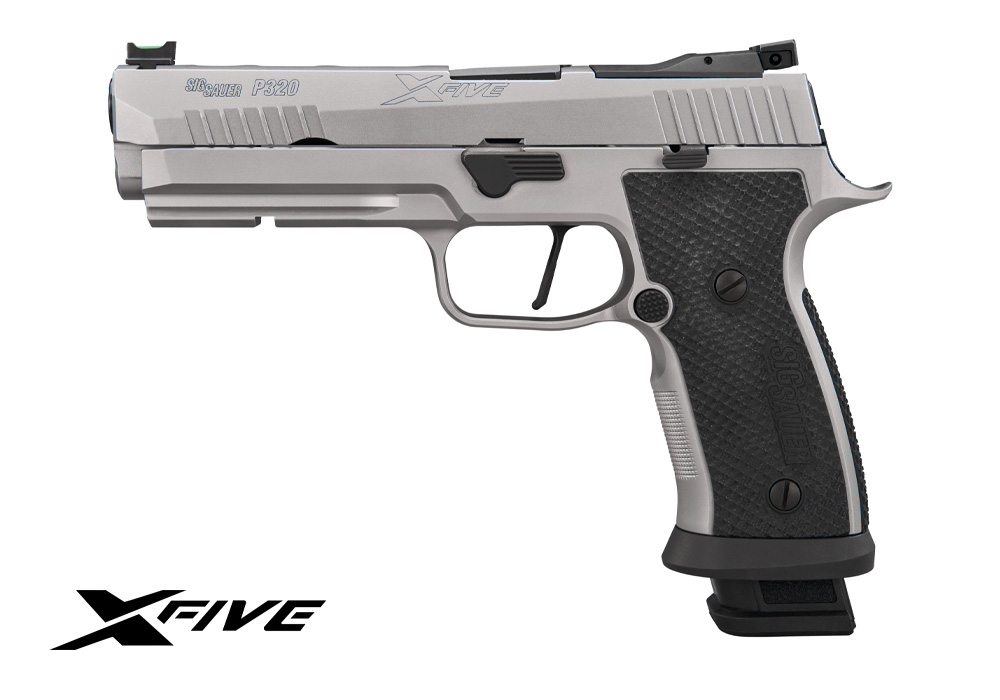
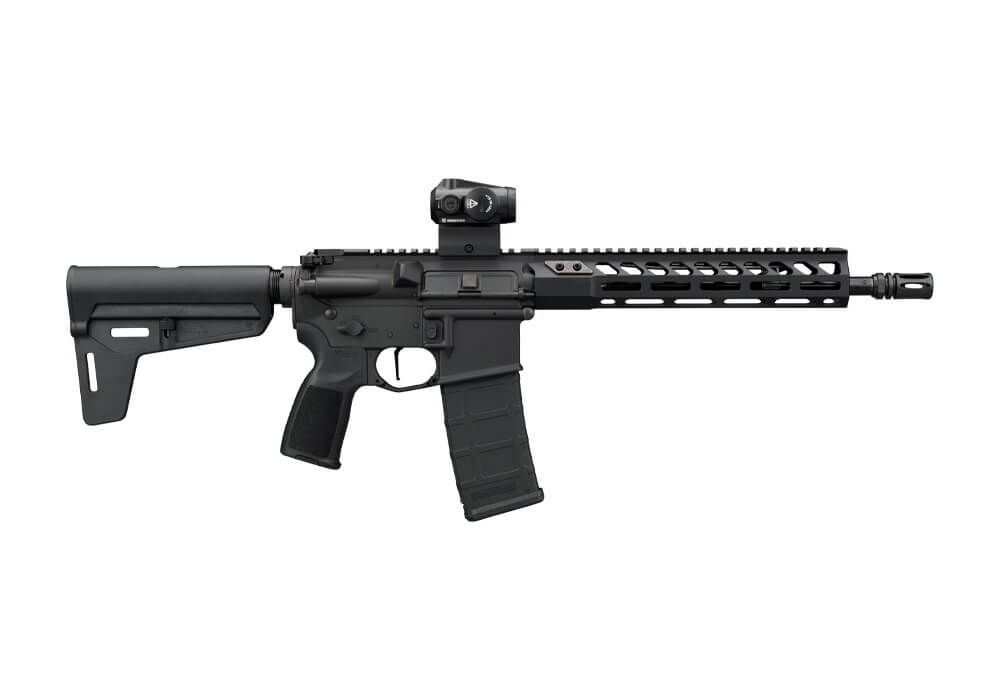
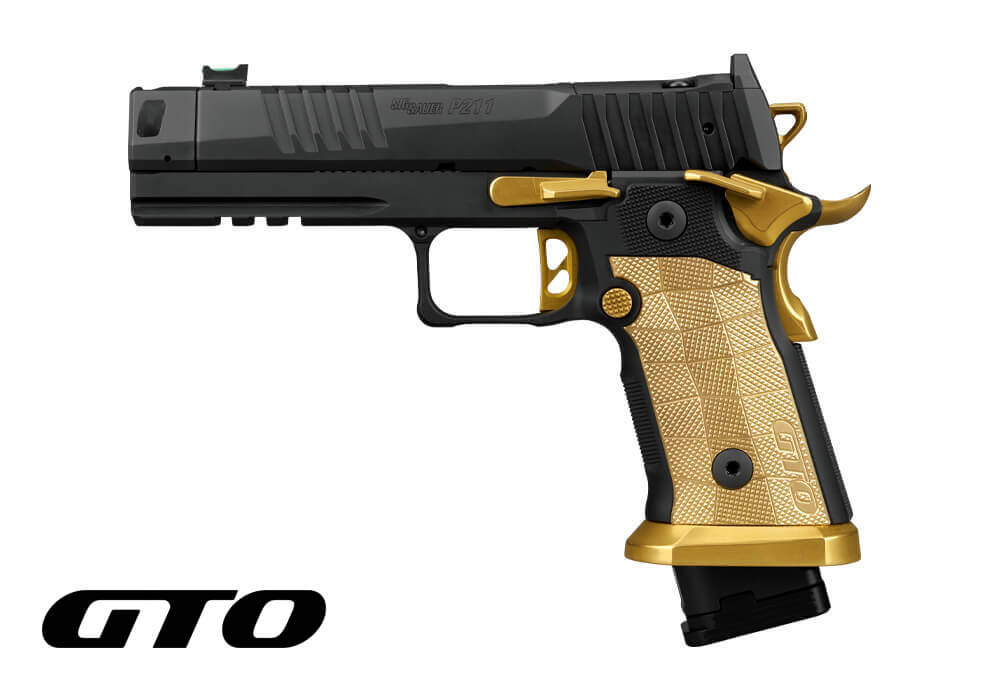
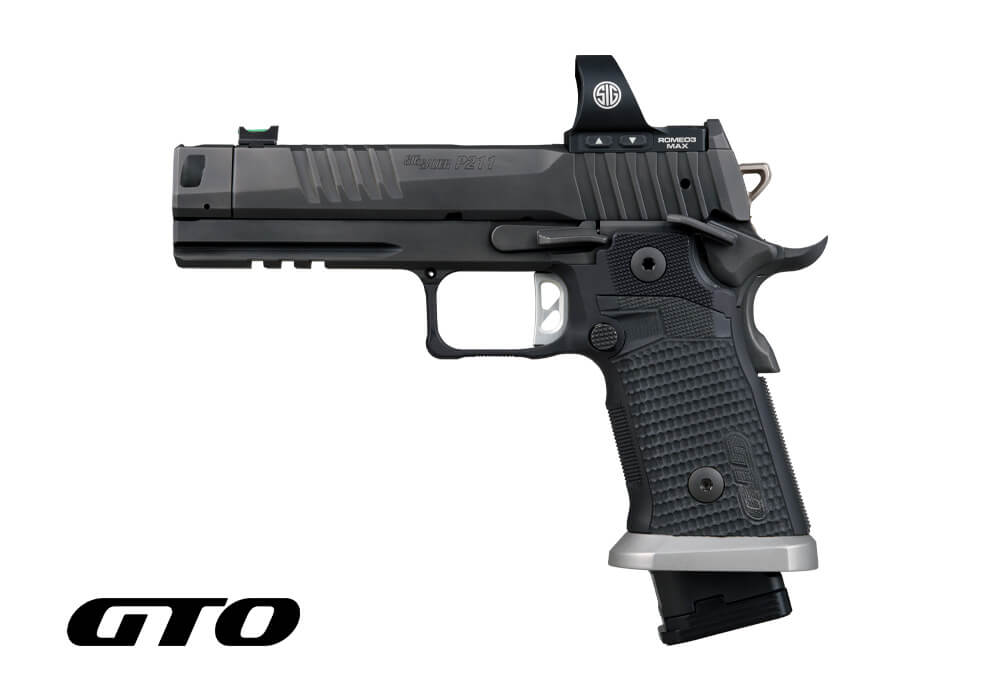
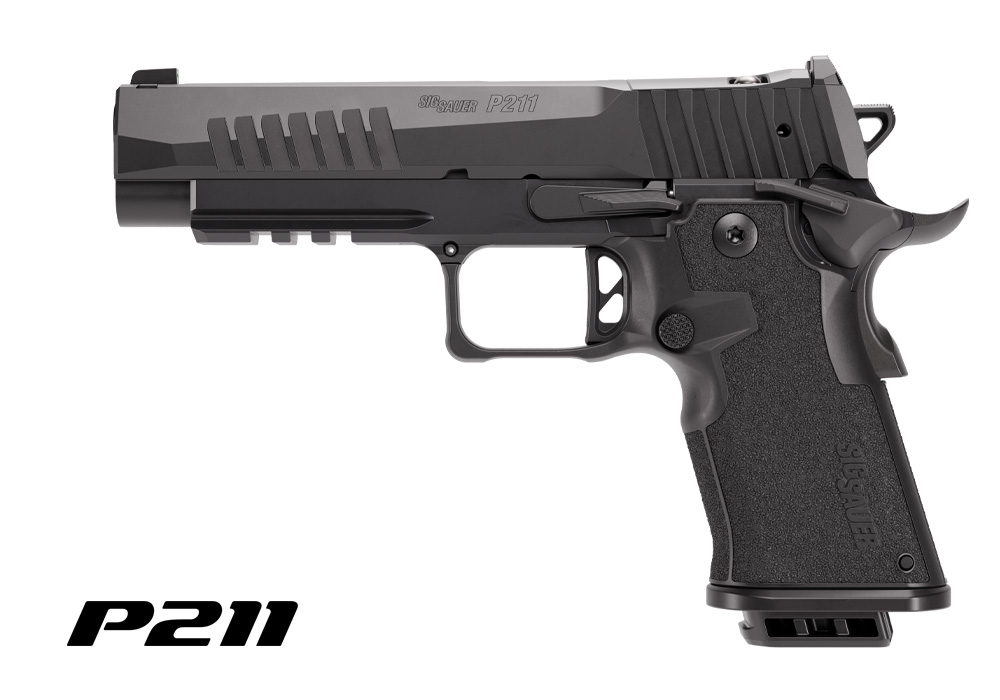
Pistols for advanced shooters put consistency, fit, and purpose ahead of a long feature list. Experienced competitors, dedicated target shooters, and qualified professionals often value a handgun that feels predictable through repeated practice and supports the requirements of its intended role. Common characteristics include match-grade barrels, optics-ready slides, clearly defined trigger feel, and adaptable grip dimensions, though the significance of each feature depends on the overall design. A match-grade barrel generally emphasizes consistent dimensions and fit; it does not replace sound fundamentals or guarantee a particular group size with every ammunition load. Mechanical accuracy also depends on the relationship between the barrel, slide, sights, and other components, while practical accuracy reflects how well the shooter can use that system. An optics-ready slide provides a mounting interface for a compatible sight, with the exact footprint, mounting hardware, and sight clearance varying by platform. Iron sights remain relevant, whether as the primary sighting system or as a compatible secondary option. Longer sight radius can support precise alignment with iron sights, while an optical sight presents a different visual reference rather than a universal shortcut to better results. Trigger quality is similarly more nuanced than pull weight alone. A consistent take-up, distinct break, and recognizable reset can matter more than a specification viewed in isolation. The appropriate trigger characteristics must suit the firearm’s intended use and preserve its safety functions. Full-size and long-slide configurations often appeal to shooters who prioritize range comfort, balance, and target visibility, whereas more compact designs can serve different handling and carrying requirements. Competition-oriented features also need to align with the rules of the relevant division, including restrictions on dimensions, sights, and equipment configuration. The strongest connection between an advanced shooter and a pistol is usually not a single premium feature. It is the way the entire platform supports repeatable handling, dependable operation, and a clear understanding of what the firearm is intended to do.
Frame material, grip shape, and weight distribution give these pistols much of their character. Steel frames tend to bring substantial weight and a solid feel, while aluminum-alloy frames can provide metal construction with less overall mass. Polymer frames offer another balance of weight, durability, and grip design, often incorporating textured surfaces or interchangeable components. None of these materials is inherently the best choice for every experienced shooter. A heavier pistol may feel settled during a long target session, but total weight is only part of the equation: the position of that weight, the grip angle, and the dimensions of the frame all influence comfort. Two pistols with similar specifications can feel noticeably different in the hand. Grip circumference and trigger reach deserve particular attention because a secure hold should not require an awkward stretch or excessive pressure. Interchangeable backstraps, grip panels, or modular grip structures, where supported by the design, can accommodate different hand sizes without treating fit as an afterthought. Texture also has a practical trade-off. Pronounced surfaces can provide a positive hold, yet a texture that feels comfortable for a brief handling session may feel abrasive across extended practice. Controls should be accessible without compromising a secure grip, and their placement should suit the shooter’s hands and intended use. Striker-fired and hammer-fired systems offer different operating characteristics; neither category alone establishes precision or quality. Double-action/single-action designs have a different trigger feel between the initial double-action pull and subsequent single-action pulls, while other systems present their own operating characteristics. Familiarity with those differences matters more than broad claims about one mechanism being superior. Slide serrations, sight profiles, and accessory interfaces also contribute to the overall handling experience, but compatibility must be verified rather than assumed. For a shooter moving between organized matches and ordinary range sessions, a coherent setup can be more valuable than a collection of unrelated enhancements. Comfortable fit, suitable controls, and balanced construction help a capable pistol remain useful beyond its first impression.
Durability and care are essential parts of owning a precision-oriented handgun, especially when regular practice places substantial use on its components. Barrel and slide materials, protective finishes, frame construction, and the quality of small parts all contribute to long-term service, but no finish eliminates the need for routine attention. Surface treatments can help resist wear and corrosion, while contact points may still show normal signs of use. Cleaning and lubrication should follow the manufacturer’s instructions, using compatible products and the specified safety precautions rather than improvised procedures. A close-fitting pistol is not automatically a fragile one, although maintenance requirements differ among designs. Reliable operation depends on the complete system, including appropriate ammunition, serviceable magazines, and components that remain within their intended condition. Regular inspection can help identify unusual wear or damage, and concerns about function or safety belong with a qualified professional. Alterations to triggers, safety mechanisms, or other critical parts should never be treated as casual personalization. Optic-equipped configurations introduce additional considerations, including secure mounting, compatible hardware, and battery maintenance where applicable. Holsters and storage arrangements must also accommodate the actual firearm configuration, particularly when a sight or accessory changes its dimensions. Secure storage that prevents unauthorized access remains fundamental regardless of a shooter’s experience level. For those whose primary focus is structured practice and target work, Pistols for Range Shooting offers a related category centered on that setting. Advanced experience does not eliminate the value of a straightforward, dependable pistol; it often makes small differences in fit, sight visibility, trigger consistency, and maintenance demands easier to recognize. A competition-focused handgun, a precision target pistol, and a firearm intended for lawful professional use can share important features without being interchangeable in purpose. Documented specifications and clear compatibility information provide a firmer basis for comparison than labels alone. Lasting satisfaction comes from a pistol whose materials, dimensions, operating system, and care requirements match the shooter’s actual use, with the reliability and consistency to support continued practice over time.