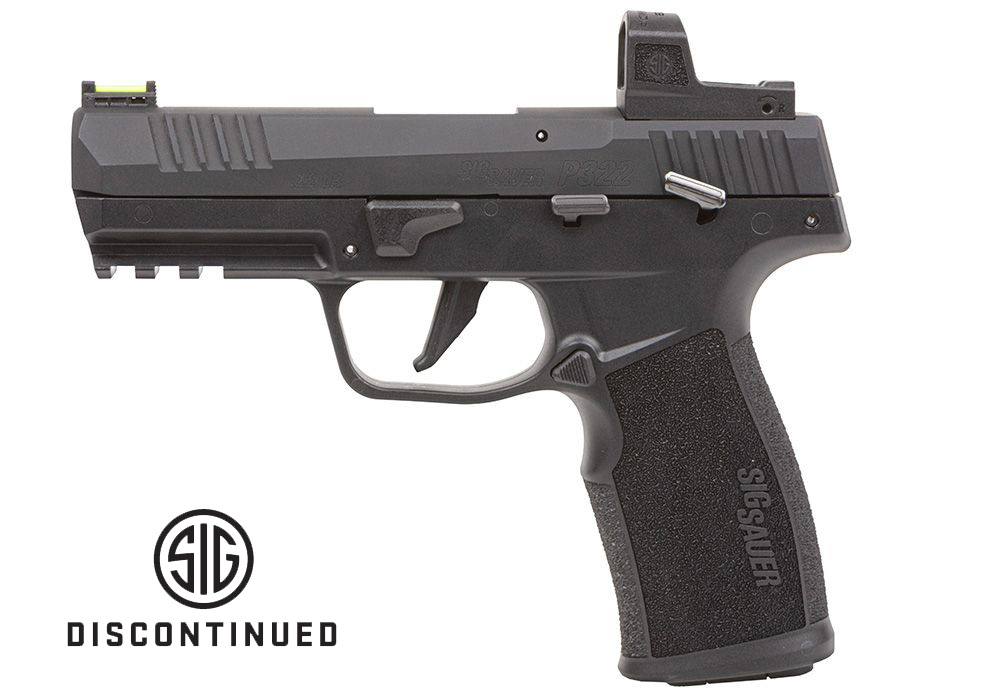
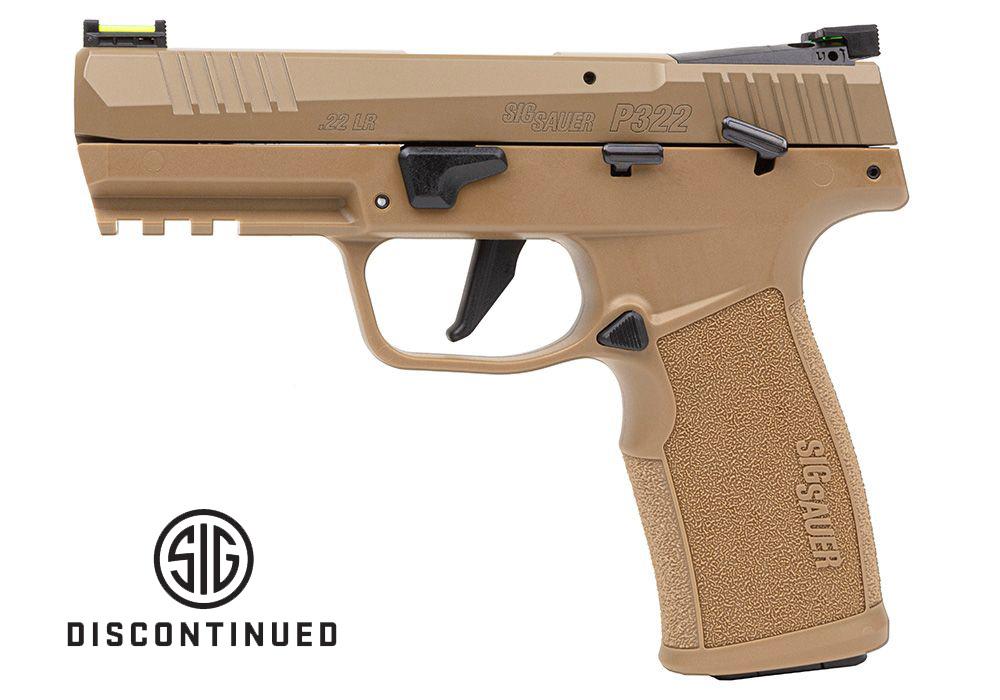
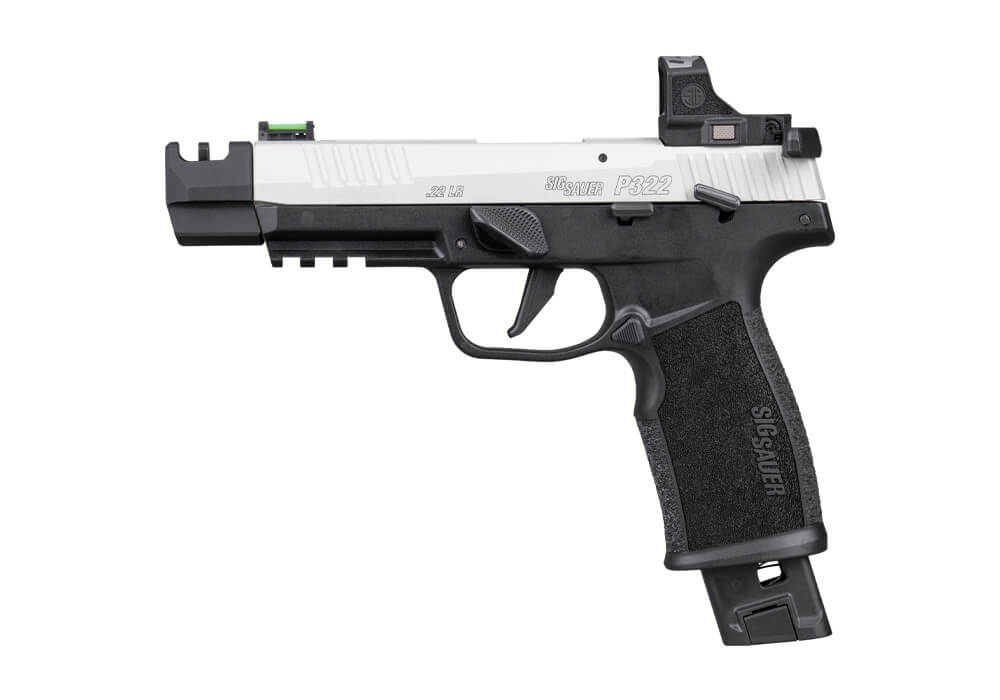
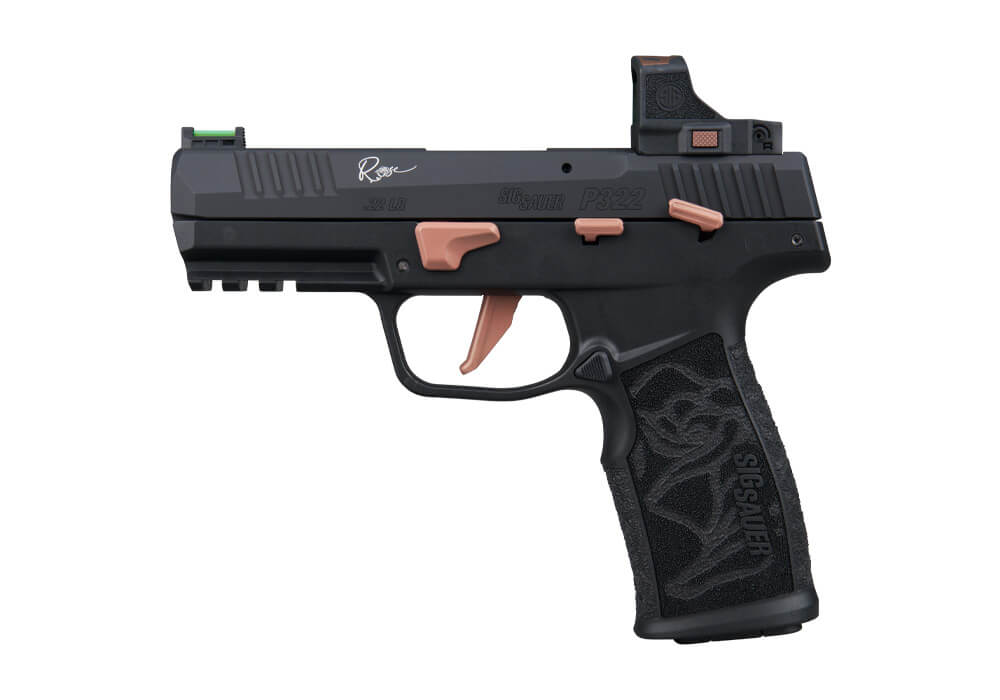
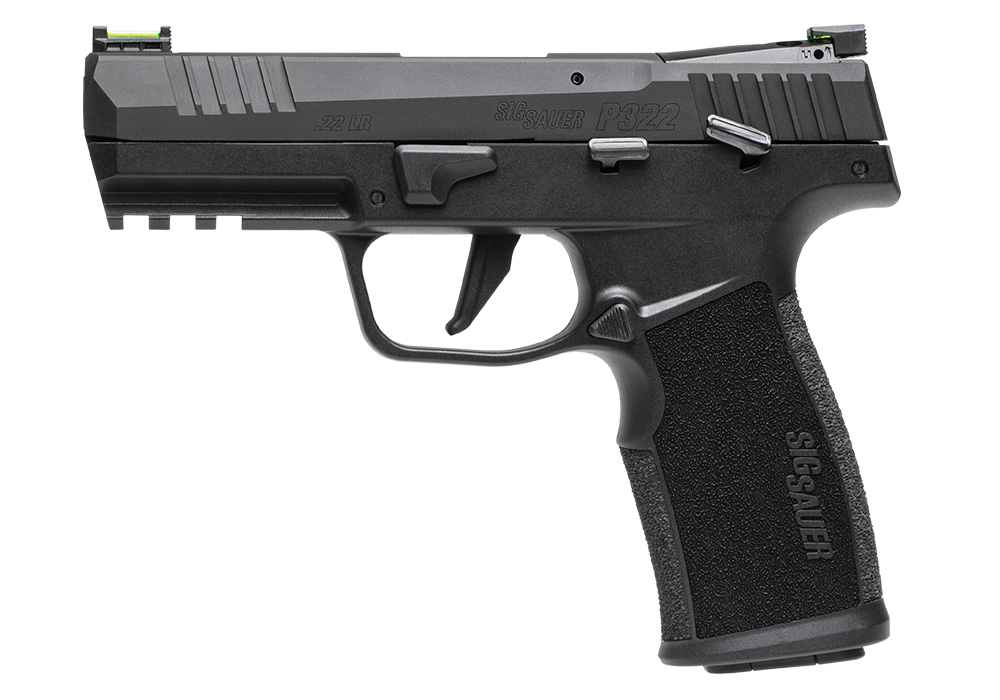
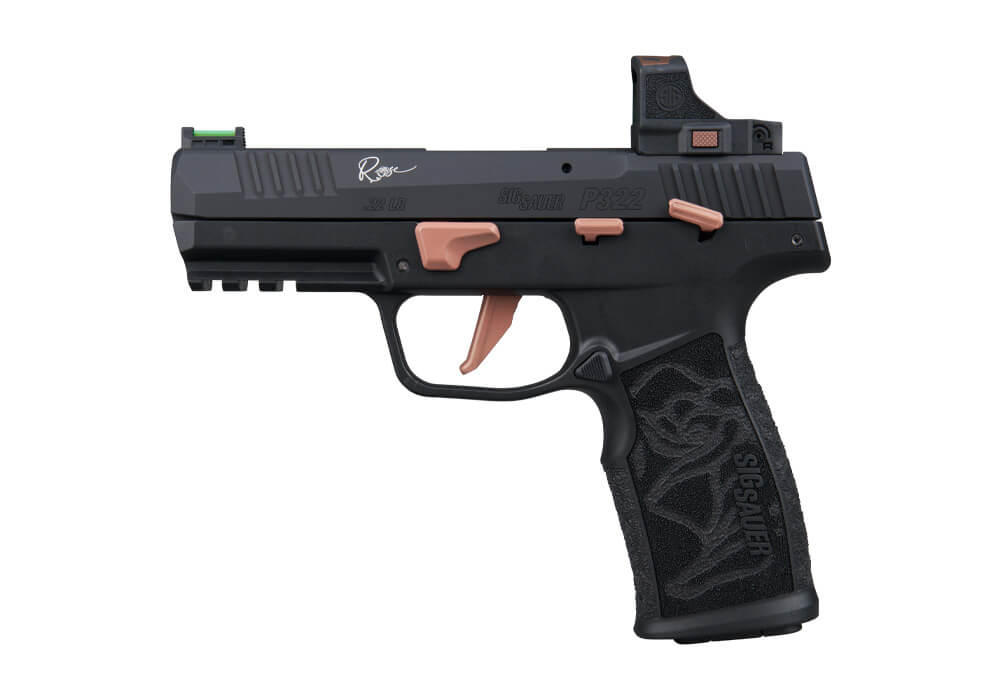
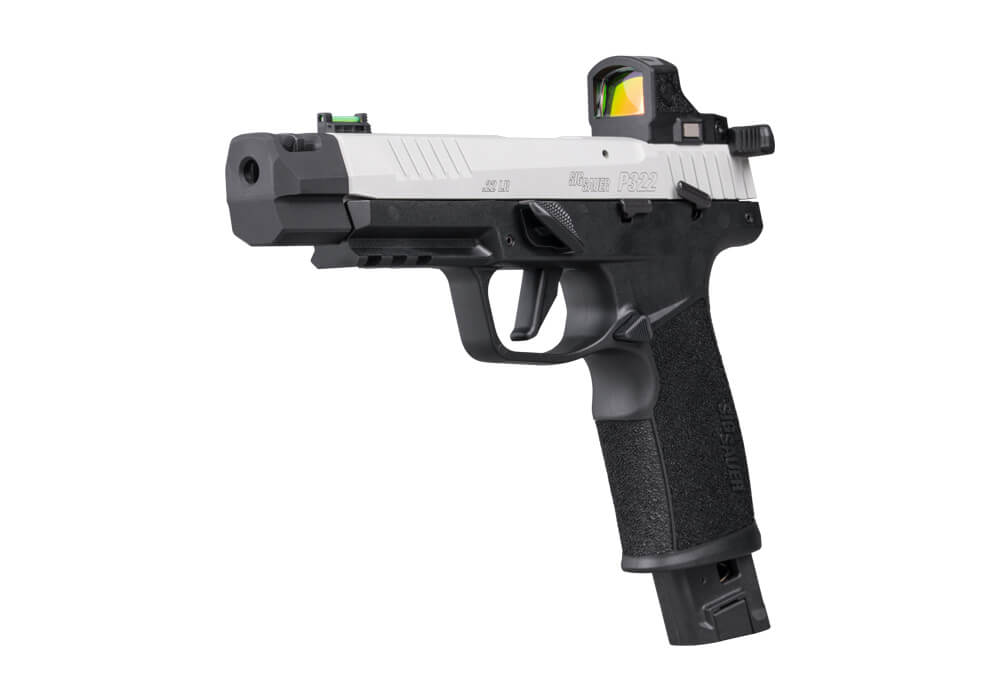
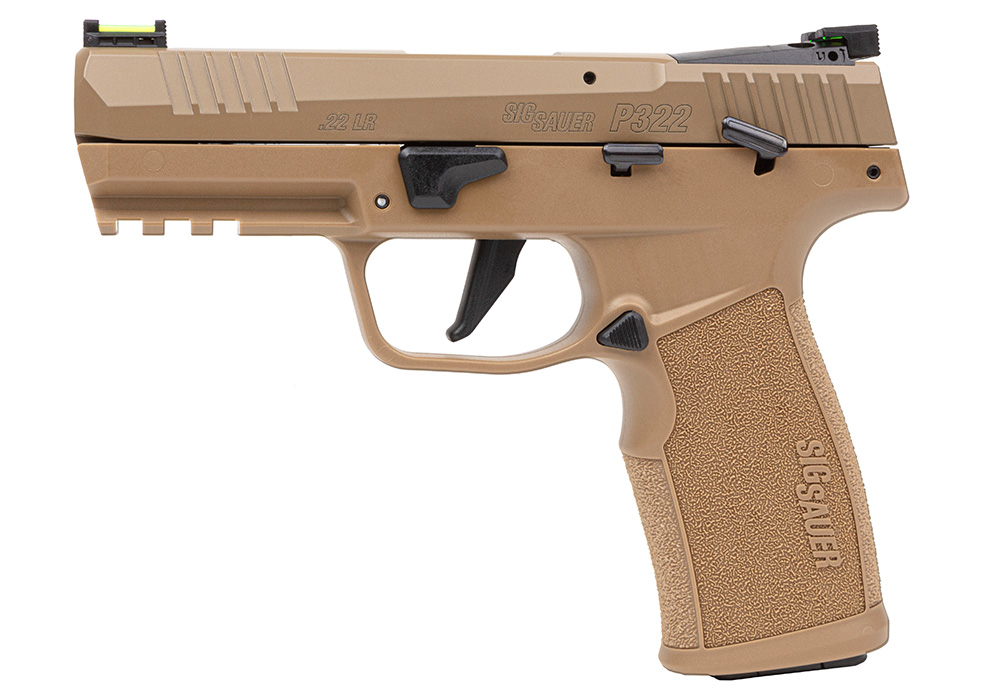
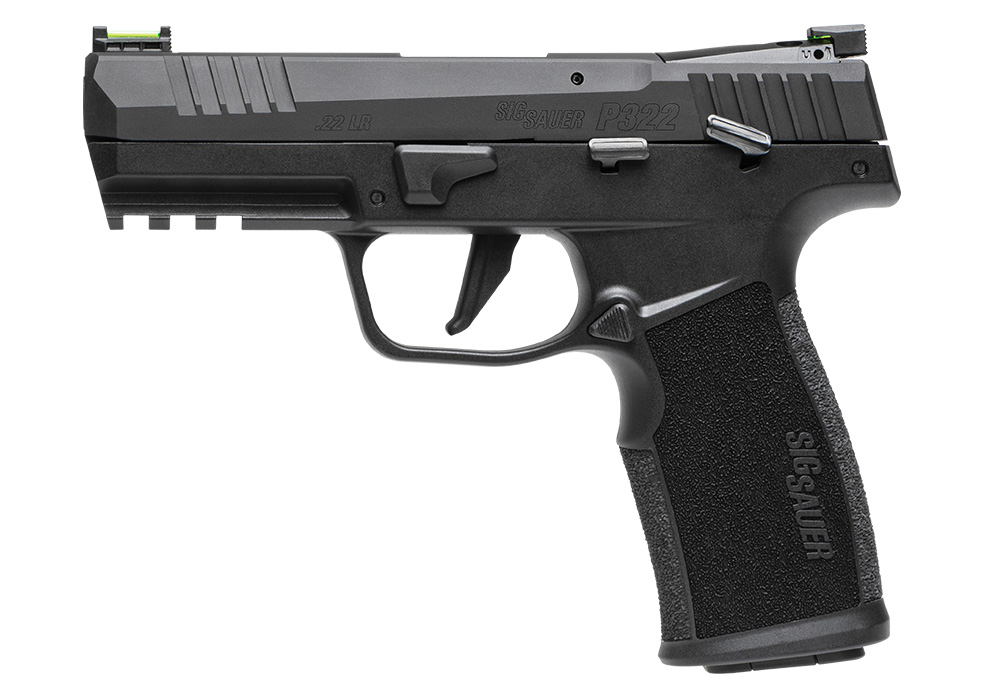
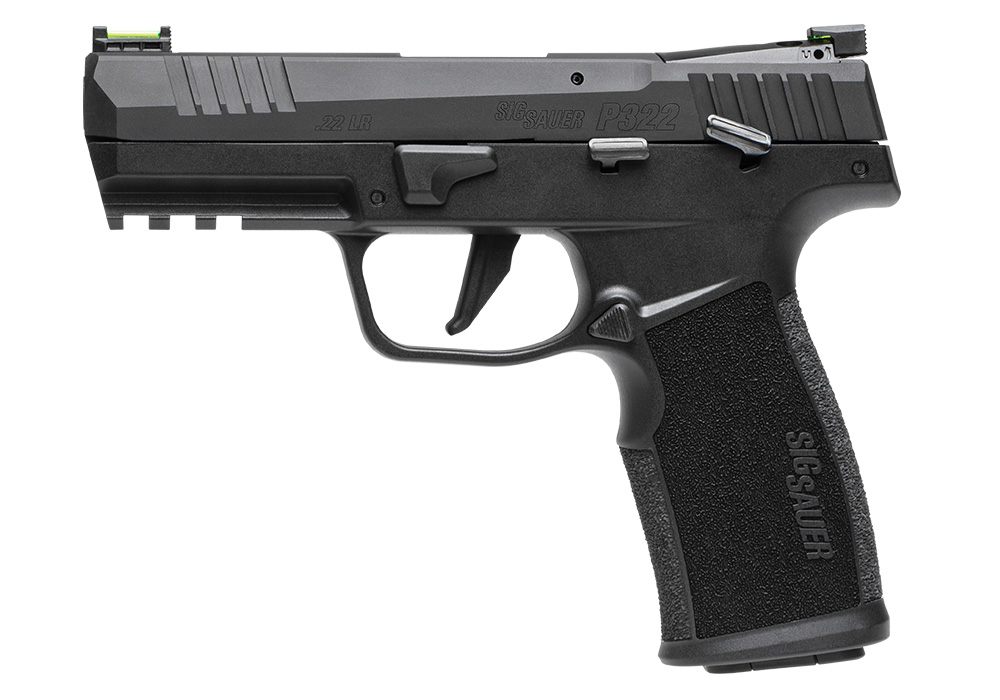
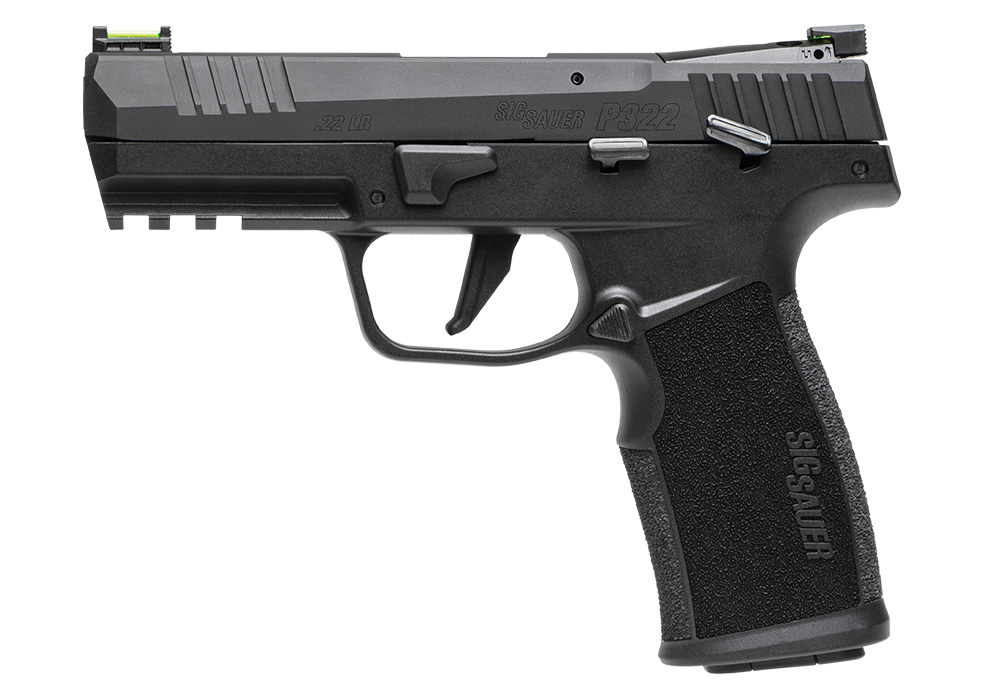
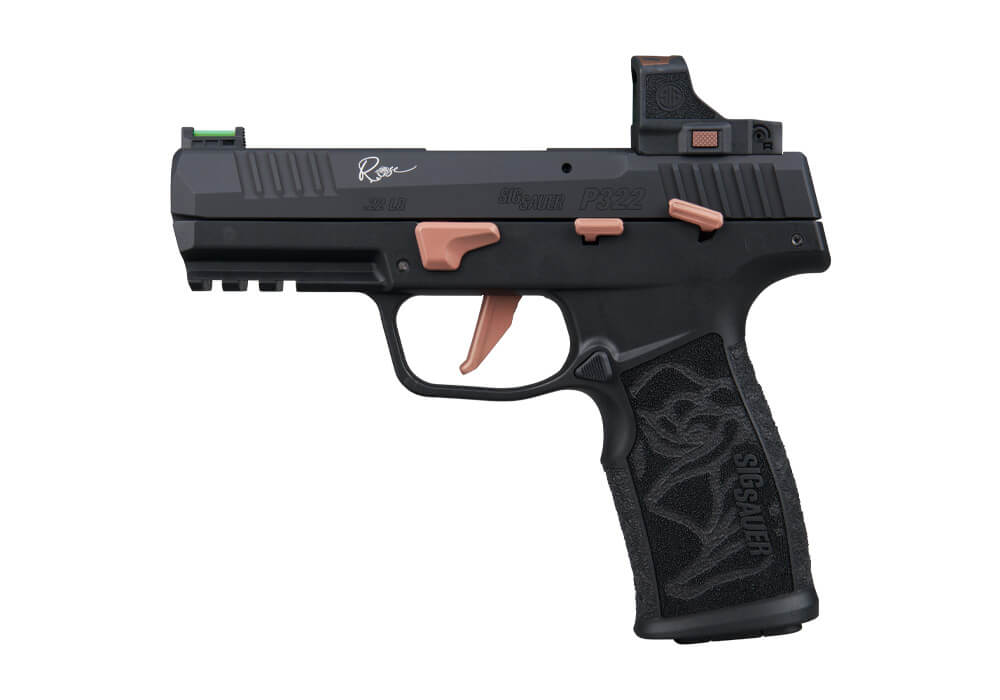
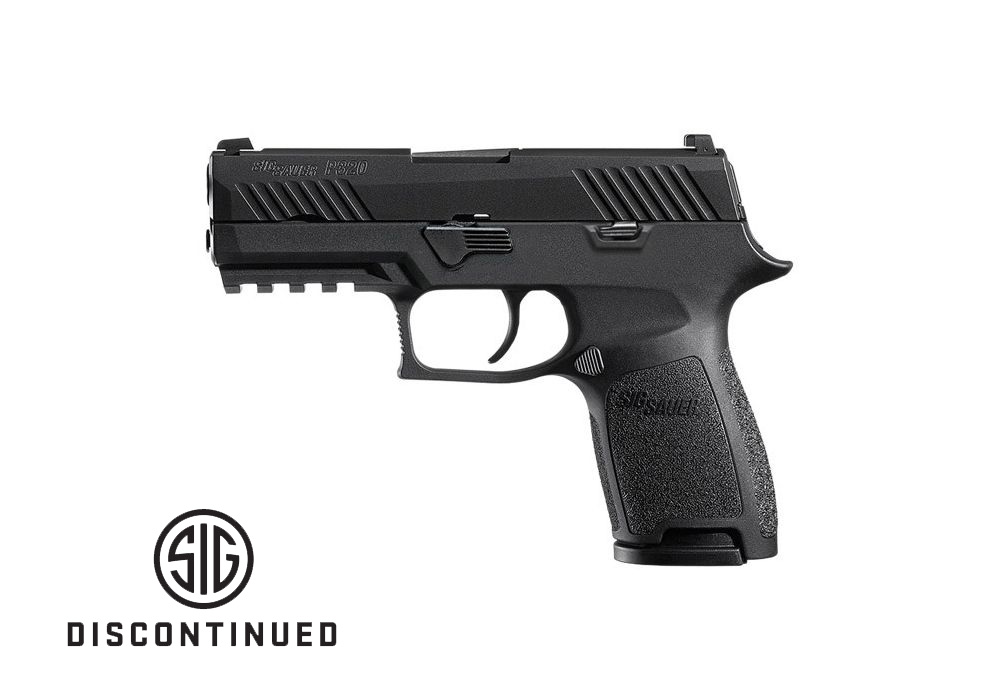
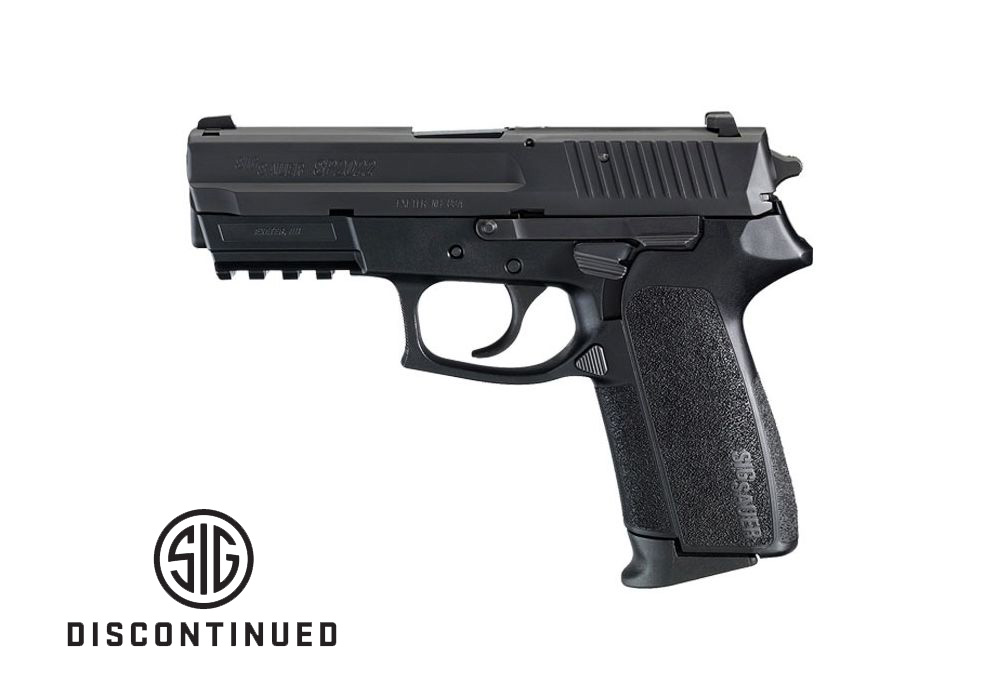
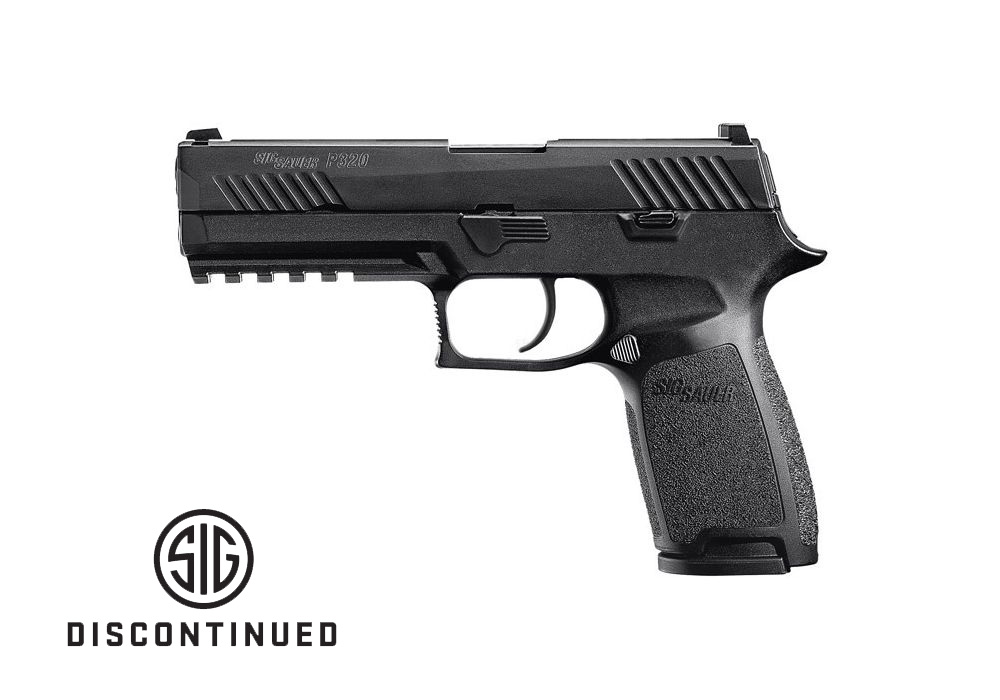
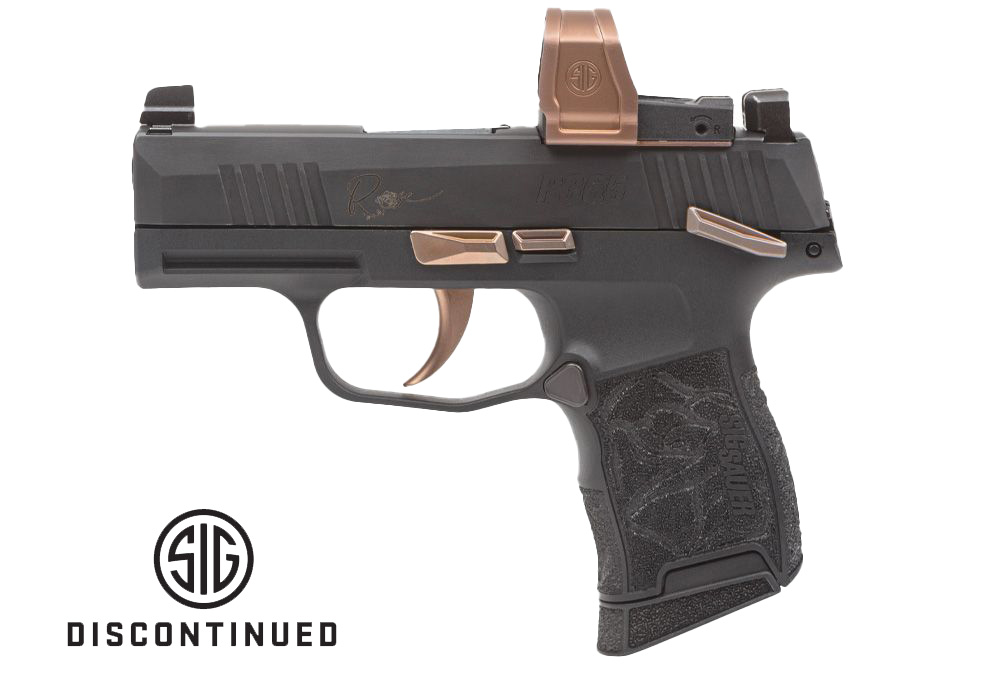
.22 pistols for shooting enthusiasts offer light recoil, manageable handling, and a practical platform for target practice, recreational range sessions, and foundational firearms education. Many pistols in this category are chambered for .22 Long Rifle, commonly written as .22 LR, a rimfire cartridge widely associated with recreational shooting and target sports. The comparatively mild recoil can make a session feel less physically demanding than one with larger centerfire cartridges, while still allowing meaningful practice with safe handling, sight alignment, and consistent technique. That combination appeals to newer adults working with a qualified instructor, experienced enthusiasts who enjoy deliberate target work, and returning shooters seeking a less strenuous range experience. A .22 pistol is still a firearm requiring the same respect, secure storage, and protective equipment as any other firearm; a smaller cartridge does not remove those responsibilities. Within the category, compact proportions and full-size dimensions serve different preferences. A smaller frame may suit someone who values a lighter overall feel, while a larger grip and longer sighting plane can appeal to a shooter who prefers a more substantial target-oriented setup. Fit involves more than whether the fingers wrap around the grip. Grip circumference, the distance to the trigger, the placement of controls, and the shape of the backstrap all influence how naturally a pistol sits in the hand. A grip that feels comfortable for a brief inspection may feel different over a full range visit, particularly for someone with limited hand strength or joint discomfort. Texture matters as well: pronounced checkering can feel secure, while a less aggressive surface may be more comfortable during extended practice. For enthusiasts who enjoy an unhurried session with paper targets, these everyday handling details often matter more than an imposing appearance or a long feature list. The most suitable configuration is one that matches the shooter’s physical needs, experience, and intended recreational use rather than simply resembling a larger handgun.
Materials and construction help define how a .22 pistol feels, carries its weight, and holds up to regular use. Polymer frames can keep overall weight lower, aluminum alloys can provide a balance of rigidity and manageable heft, and steel components contribute strength in areas subject to repeated wear. These materials are not interchangeable indicators of quality; sound engineering, consistent assembly, surface treatment, and appropriate care all contribute to durability. A lighter pistol may feel easier to handle during a lengthy visit, while a heavier configuration can feel steadier to someone who prefers more weight in the hand. The distribution of that weight matters as much as the total. A muzzle-heavy arrangement has a different character from a design with more mass near the grip, even when both have similar overall dimensions. Barrel length, sight configuration, and grip geometry also shape the distinction between a general recreational pistol and one with a stronger emphasis on formal target shooting. Clear, easy-to-see sights are especially relevant for enthusiasts whose vision or lighting conditions make a fine sight picture difficult to resolve. Adjustable sights offer flexibility for different target preferences, while fixed sights present a simpler arrangement. Some designs accommodate compatible optical sights, although mounting requirements vary and should never be assumed from appearance alone. Trigger reach and trigger feel are additional considerations, particularly when comparing pistols intended for broad recreational use with those intended for organized target disciplines. No single feature guarantees accuracy or dependable operation. Mechanical consistency, ammunition suitability, the shooter’s technique, and the condition of the firearm all affect the experience. For someone comparing options before joining a local target league, the applicable equipment rules also matter: dimensions, sight types, and other specifications may determine whether a configuration fits a particular division. These practical distinctions give .22 pistols their breadth, from straightforward recreational designs to more specialized target-oriented formats.
Regular care supports both long-term condition and dependable range use. Rimfire ammunition can leave residue that accumulates during shooting, so cleaning and inspection should follow the firearm manufacturer’s instructions rather than a universal routine borrowed from another handgun. Approved cleaning materials, appropriate lubrication, and attention to the owner’s manual help protect finishes and components without relying on unnecessary modifications. External appearance alone does not reveal the condition of internal parts, and unusual operation, visible damage, or excessive wear warrants evaluation by a qualified professional. Ammunition compatibility is equally important. Similar cartridge names do not establish interchangeability, and the chamber marking and manufacturer’s guidance determine the correct ammunition for a particular pistol. Appropriate ammunition and routine maintenance contribute to reliability, but no firearm should be described as immune to malfunctions. At the range, eye and hearing protection remain essential even when recoil feels mild. Organized shooting facilities also provide a controlled setting with established rules, designated shooting areas, and staff who can explain local procedures. That environment can be especially valuable for an adult attending an introductory session or an experienced shooter becoming familiar with a different style of pistol. Beyond the range, secure storage should prevent access by unauthorized people, with ammunition stored separately and applicable laws observed. A durable case can protect the finish during transport, but a transport case is not automatically a substitute for an appropriate locked storage solution. These practical details are part of firearm ownership, not extras reserved for frequent competitors. Enthusiasts exploring the broader Pistols for Shooting Enthusiasts category can consider .22 pistols within that wider context: purposeful recreational firearms with distinct handling characteristics, varied construction, and different levels of target-oriented specialization. Their enduring appeal rests in the combination of restrained recoil, engaging target work, and an approachable shooting experience, supported by suitable fit, responsible care, and consistent attention to safety.