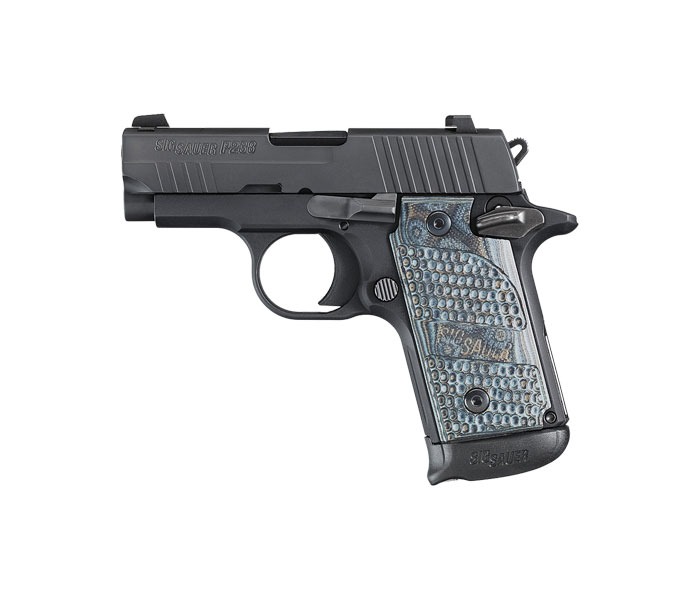
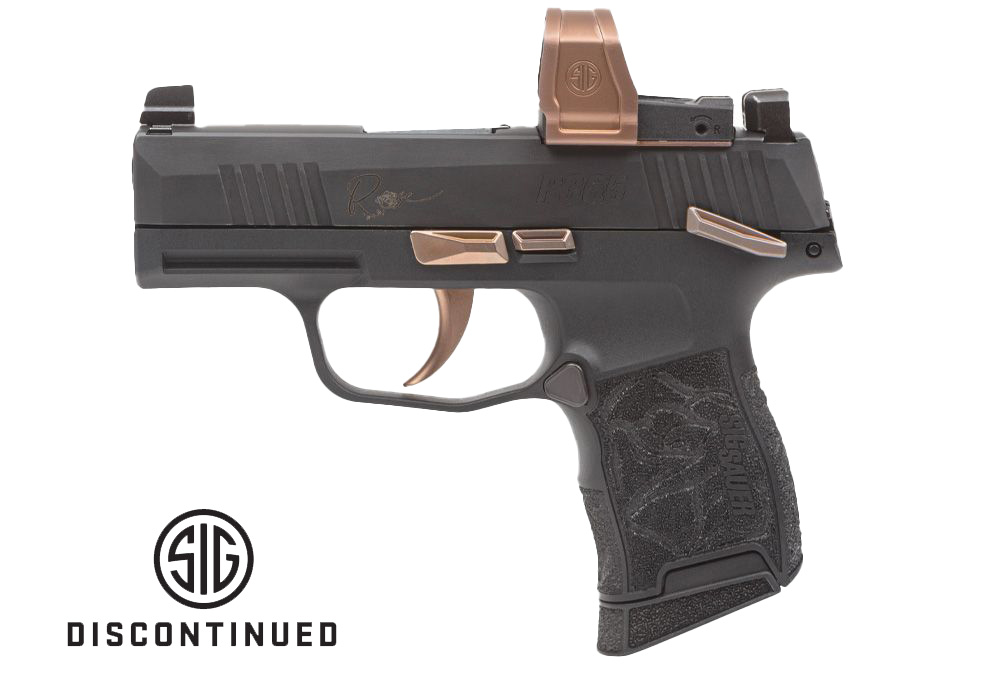
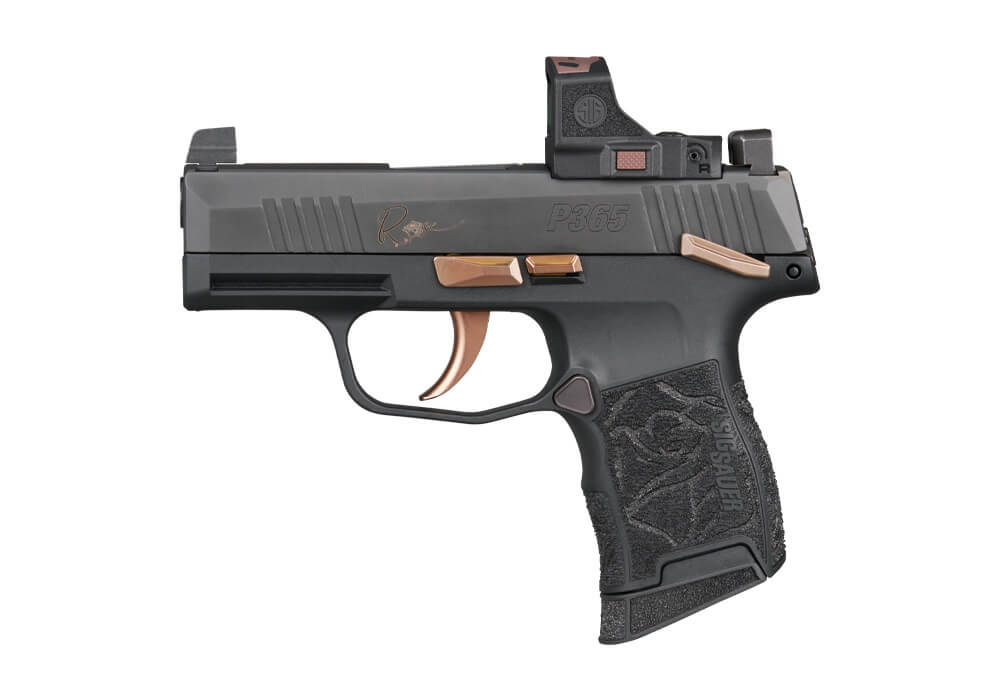
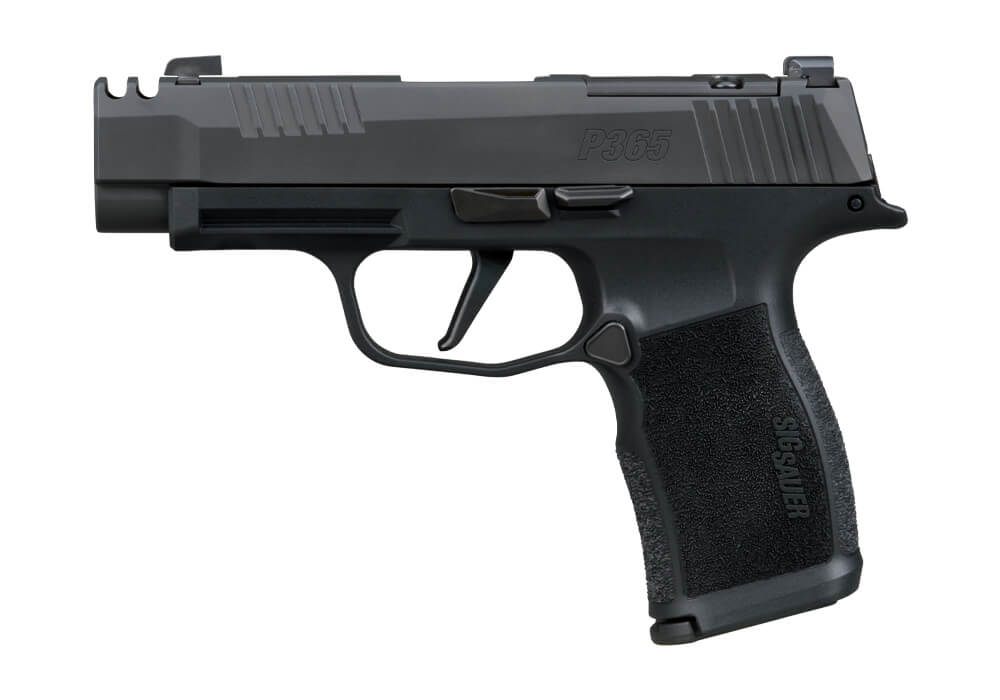
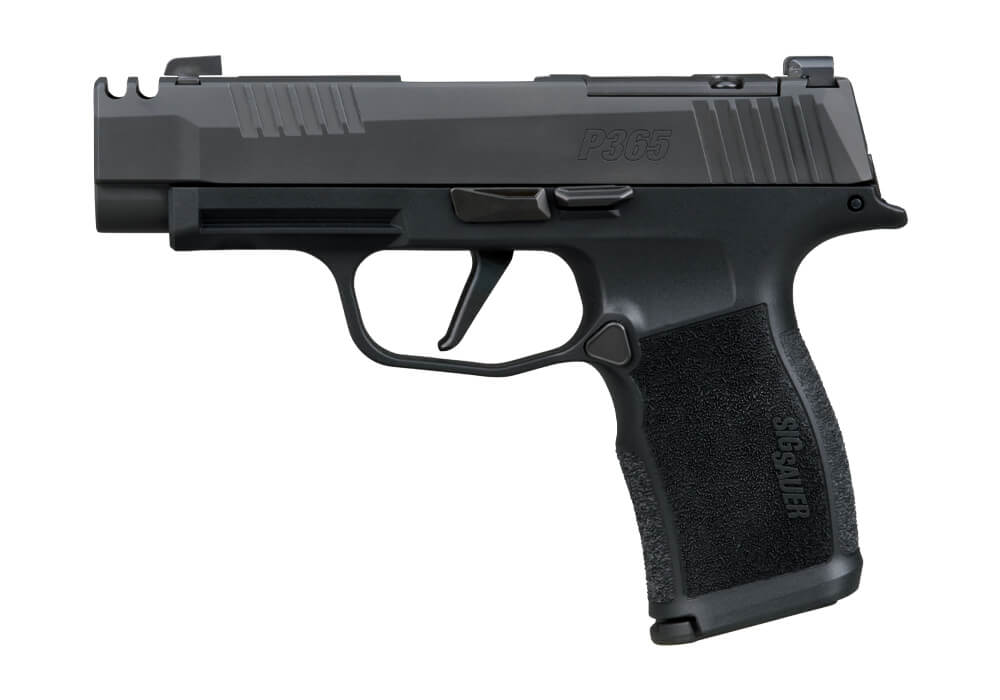
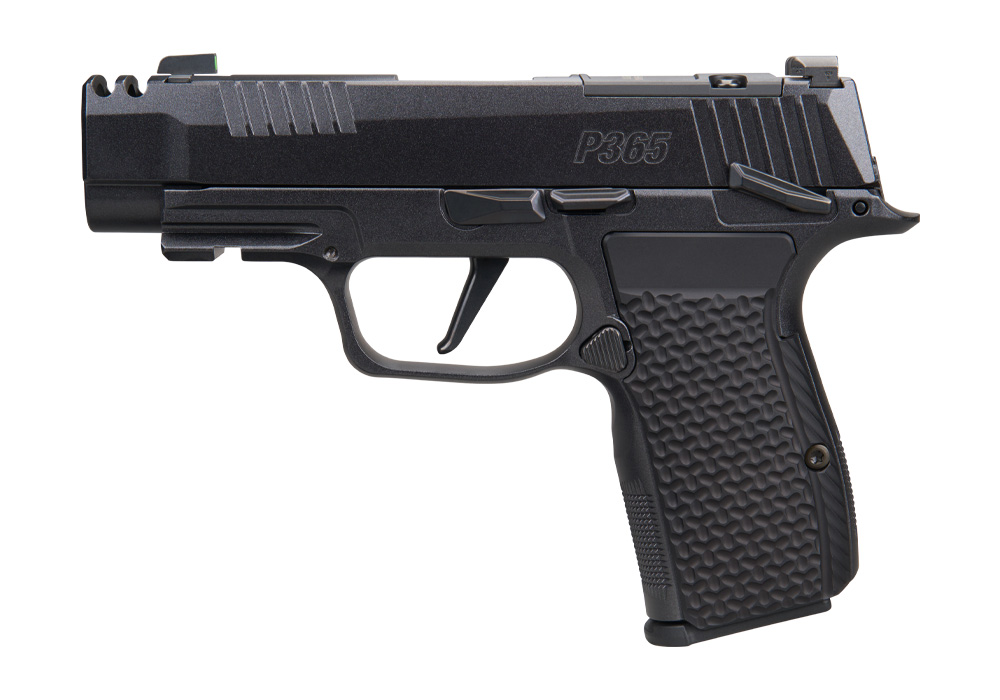
Pistols chambered in .380 ACP bring together compact dimensions, manageable weight, and a long-established cartridge that remains relevant to recreational shooting and lawful personal protection. For enthusiasts, their appeal extends beyond small size. Differences in frame construction, operating system, grip shape, and controls give this category considerable variety, from slim pistols intended for discreet carry to larger designs that feel more settled during an extended range session. The best fit depends on how those characteristics work together rather than on a single specification. Although .380 ACP generally produces less recoil than more powerful handgun cartridges, a very light pistol with a short grip can still feel sharp in the hand. Greater pistol weight and more room for a secure grip can make recoil feel more manageable, while the operating system also influences the shooting experience. Locked-breech designs often offer softer perceived recoil than similarly sized blowback designs, though spring weight, ammunition, and individual technique affect the comparison. Small dimensions therefore do not automatically mean easy handling, and a somewhat larger .380 pistol may be more comfortable for repeated practice. The cartridge is distinct from both .38 Special and 9mm Luger; similar names do not indicate interchangeable ammunition. Among 380 pistols for gun enthusiasts, the most meaningful distinctions are often the ones noticed during ordinary use: whether the sights are easy to see, whether the grip supports the entire hand, and whether the controls remain accessible without shifting that grip. An experienced owner might appreciate a compact pistol that complements a larger handgun, while a recreational shooter may prefer a design with enough weight and grip surface for relaxed target practice. Collectors may also value the contrast between traditional metal-framed construction and contemporary lightweight designs. These different interests explain why the category includes more than pocket-size handguns, and why the smallest footprint is not always the strongest match for every enthusiast.
Fit deserves close attention because small changes in grip length, thickness, and contour can noticeably alter comfort. A narrow grip may suit shorter fingers, but a grip that is too small can leave larger hands crowded around the controls. Texture should provide a stable hold without becoming uncomfortable through a long practice session or rubbing excessively against clothing during lawful carry. Trigger reach matters as much as overall size: a comfortable grip should allow natural access to the trigger without requiring an awkward change in hand position. Slide manipulation is another consideration, especially for shooters with limited hand strength or joint discomfort. Cartridge size alone does not determine how easily a slide moves; spring tension, slide dimensions, and the shape of the gripping surfaces all play a role. Sights likewise involve a balance between compactness and visibility. Low-profile sights can help keep a pistol streamlined, while a more distinct front sight and clearly defined rear notch may be easier to align against a paper target. Frame materials influence both the feel of the pistol and the attention it needs over time. Polymer frames contribute to lower overall weight, aluminum frames offer a different balance of weight and rigidity, and steel frames often provide a substantial feel that some enthusiasts prefer. No material removes the need for routine care, and durability depends on construction, protective finishes, maintenance, and use rather than material alone. A carry pistol also needs a compatible holster that covers the trigger guard, retains the firearm securely, and supports its intended carrying position. A small pistol loose in a pocket or bag is not a substitute for a proper holster. Magazine dimensions can affect grip length and concealment, with longer magazines sometimes offering additional finger support at the cost of a larger outline. For someone who spends more time at the range than carrying, that extra grip surface may matter more than saving a little space. For another owner, a slimmer profile and lower weight may be the deciding factors.
Long-term satisfaction with a .380 pistol depends on consistent upkeep and familiarity with its operation. Regular carry can expose a firearm to perspiration, lint, and friction against a holster, even when it has seen little range use. Protective finishes help resist wear and corrosion, but they still benefit from inspection and manufacturer-recommended cleaning and lubrication. Maintenance requirements vary by design, so the owner’s manual remains the appropriate reference for cleaning products, service intervals, and procedures. Too much lubricant can attract debris, while incompatible solvents may affect finishes or nonmetallic components. Magazines deserve attention as well, since their condition contributes to reliable feeding and everyday handling. Ammunition should match the chamber marking and the manufacturer’s requirements; specialty pressure ratings should never be assumed suitable. Ammunition intended for target practice and ammunition intended for lawful personal protection can differ in bullet design and performance, and reliable operation with the chosen load matters more than broad claims about the cartridge. A compact handgun also benefits from regular practice because a shorter sight radius and limited grip surface can make small inconsistencies more noticeable. Time spent with familiar targets helps an owner assess comfort, sight visibility, and whether the pistol remains pleasant to shoot beyond the first magazine. Enthusiasts often find that these ordinary details say more about lasting suitability than an exceptionally low weight or a striking finish. For shoppers entering the category with less experience, 380 Pistols For First Time Buyers offers a related starting point alongside those considerations. Whether the intended role is recreational shooting, collecting, or lawful carry, responsible ownership includes secure storage that prevents unauthorized access and compliance with applicable laws. A thoughtfully selected .380 pistol should fit the owner’s hands, intended use, and willingness to practice and maintain it. That combination gives compact dimensions their practical value without treating size alone as a measure of quality.