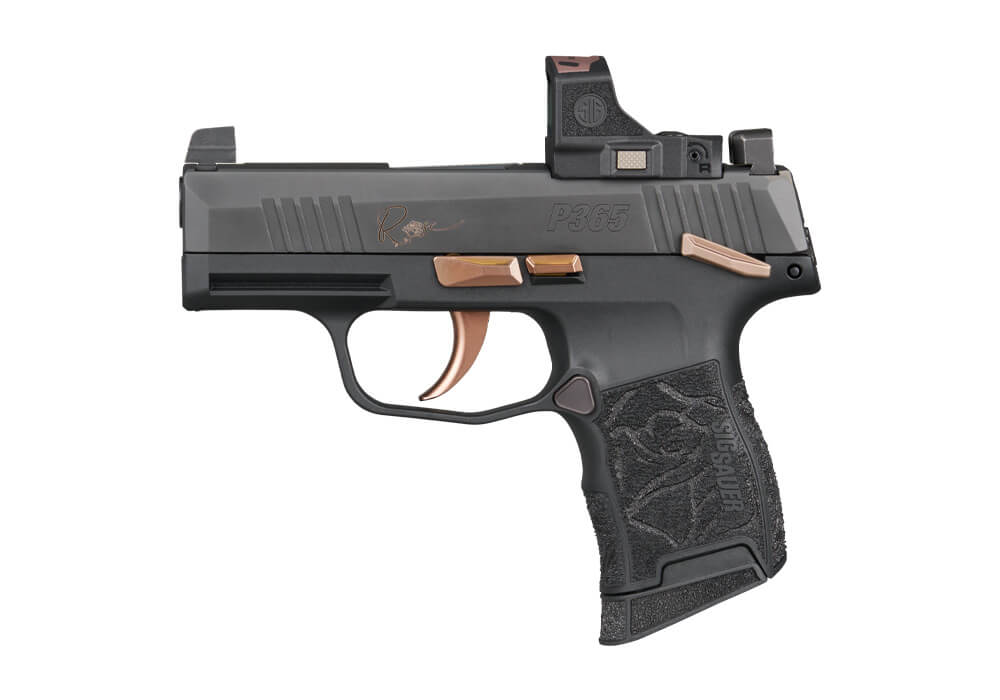
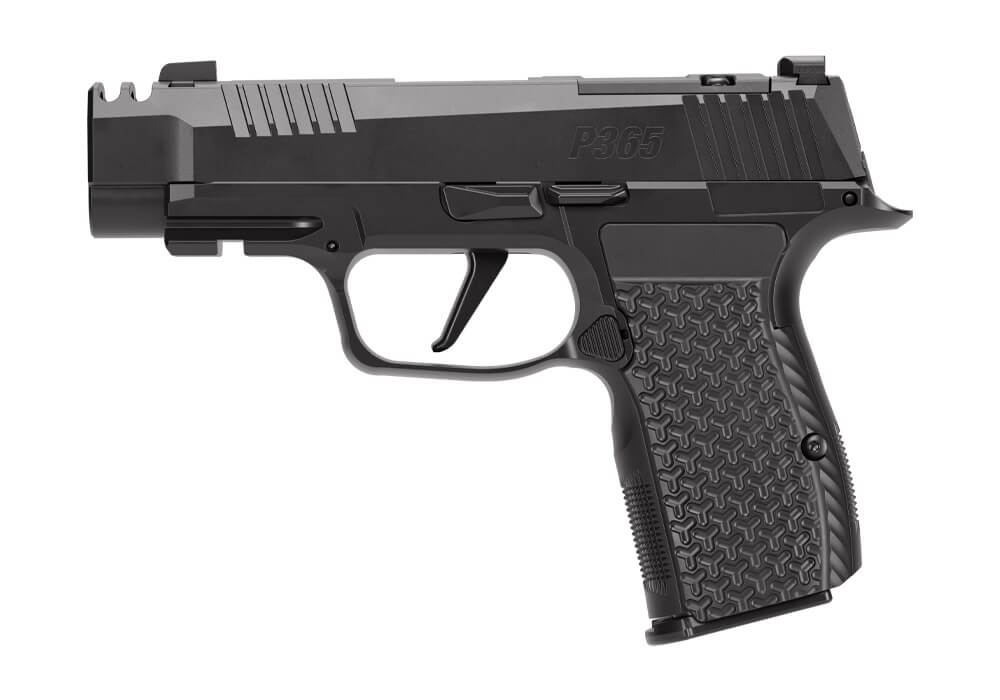
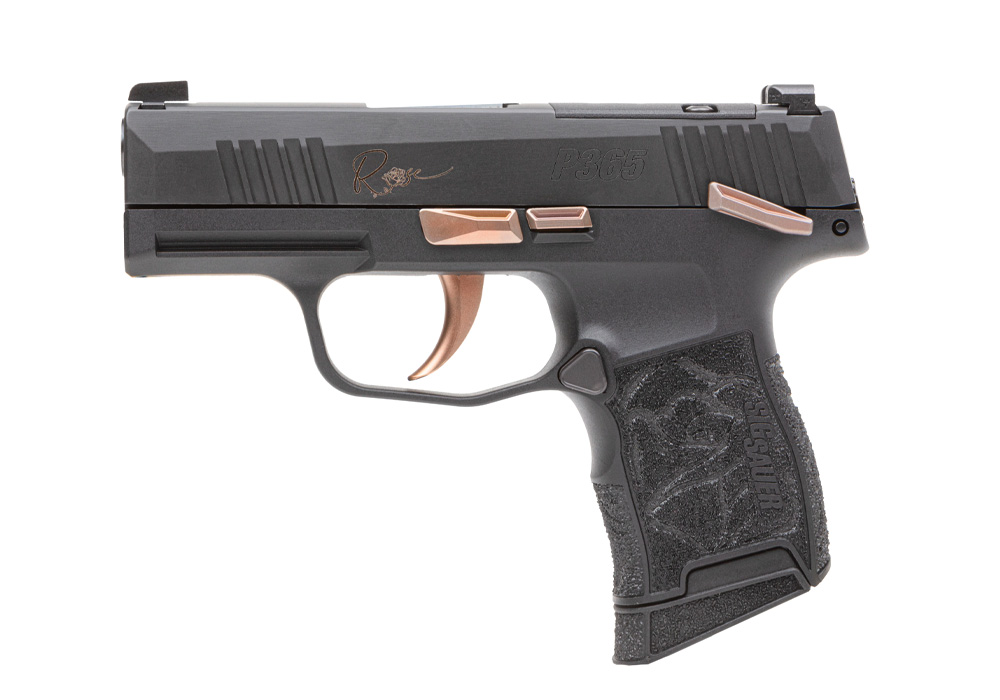
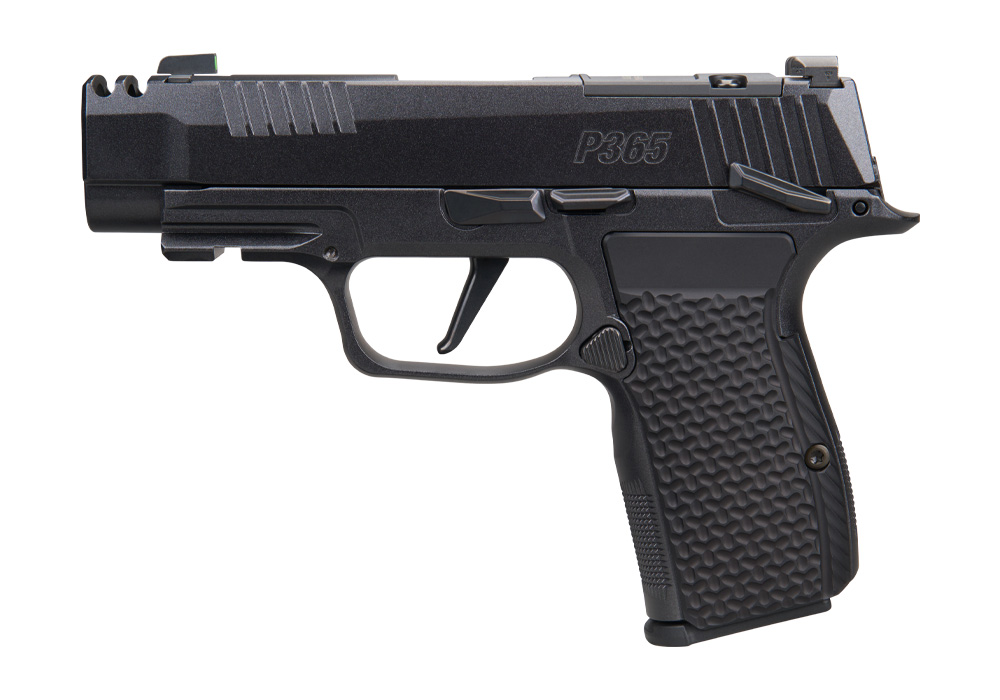
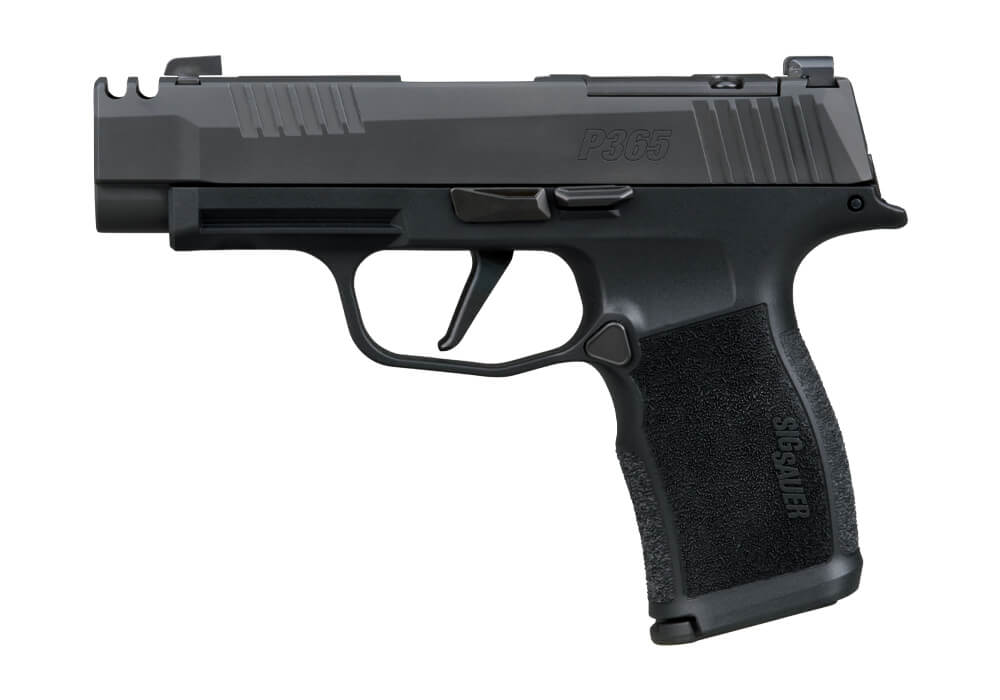
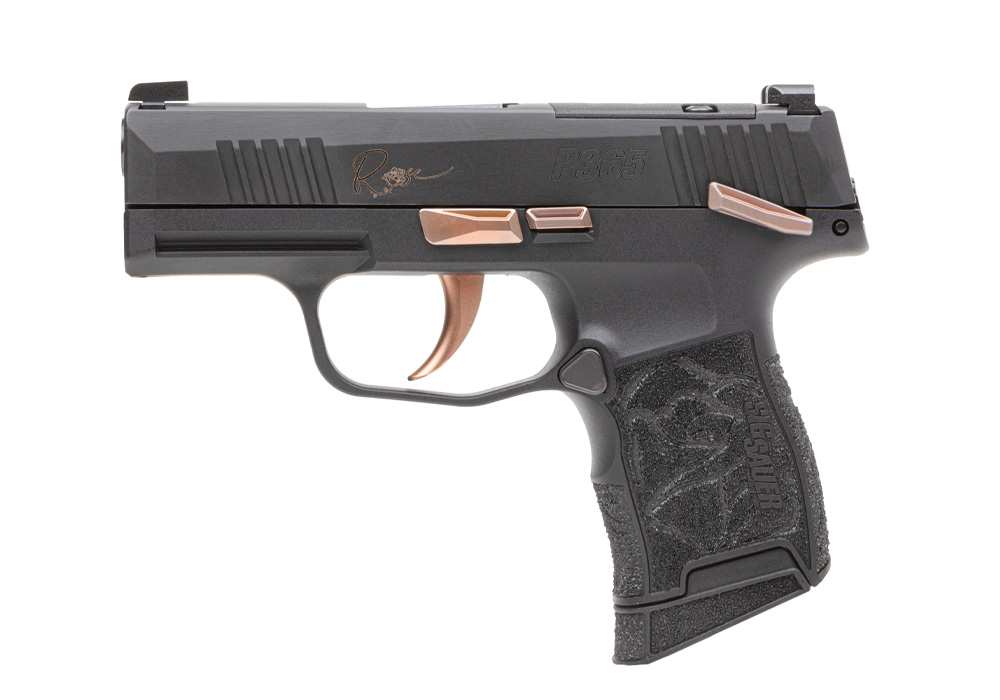
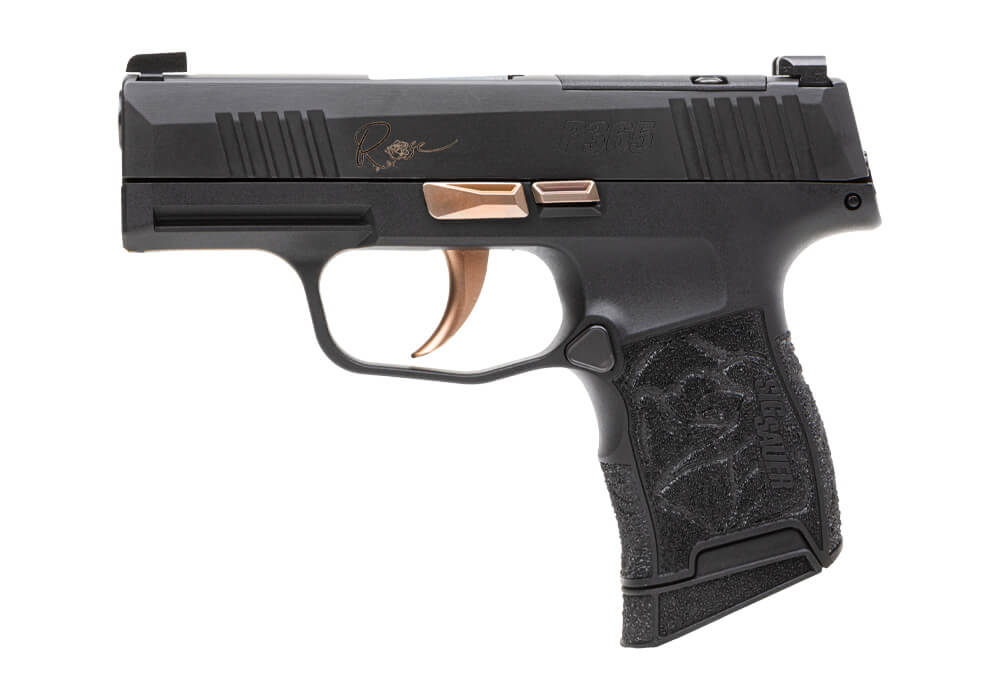
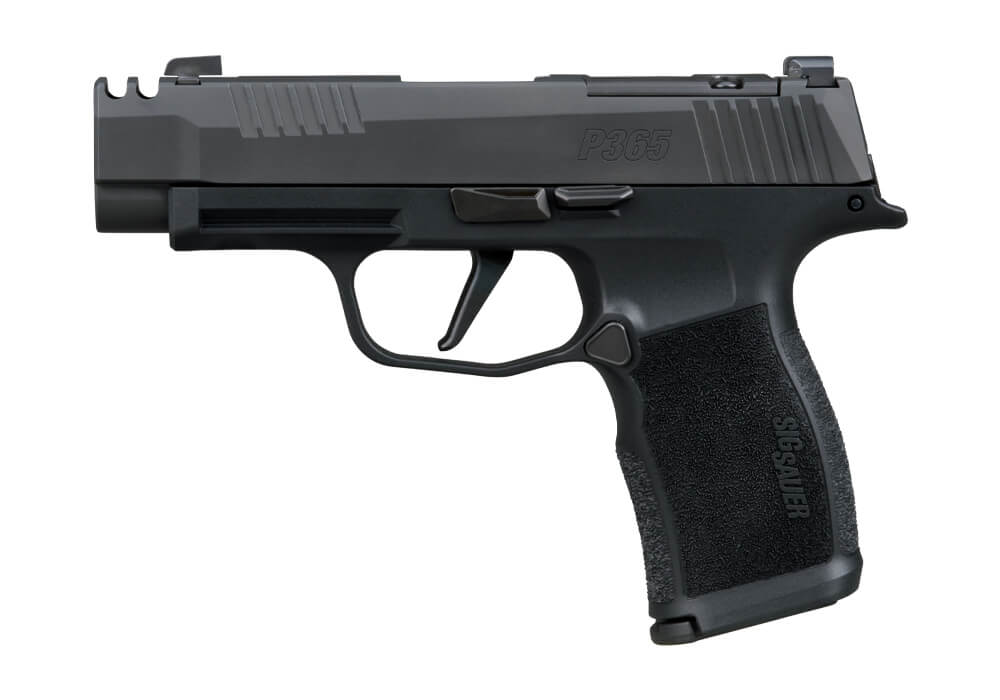
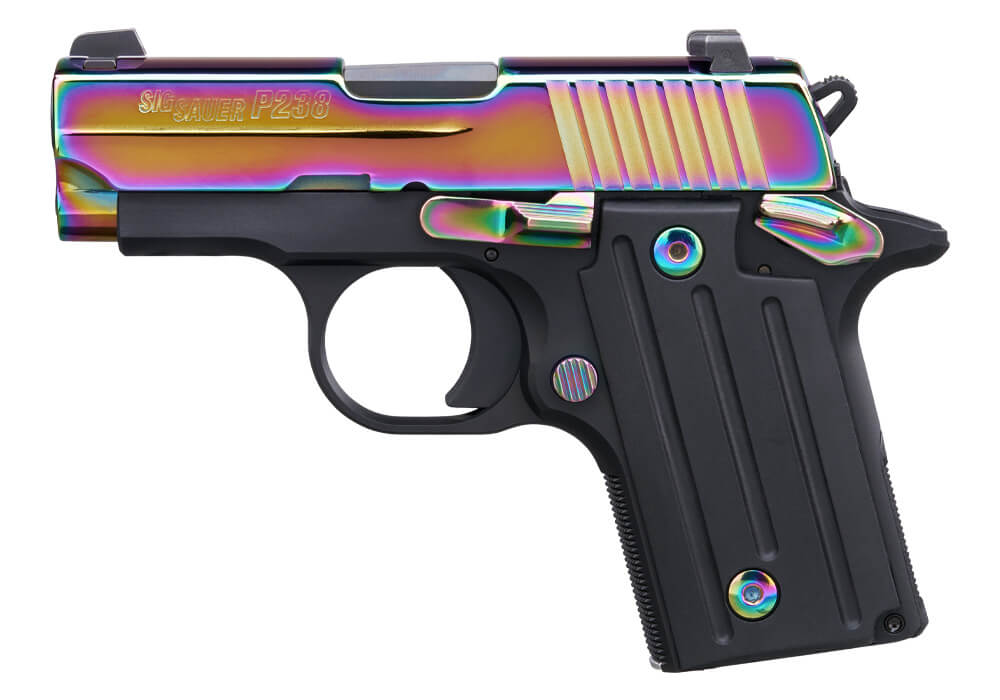
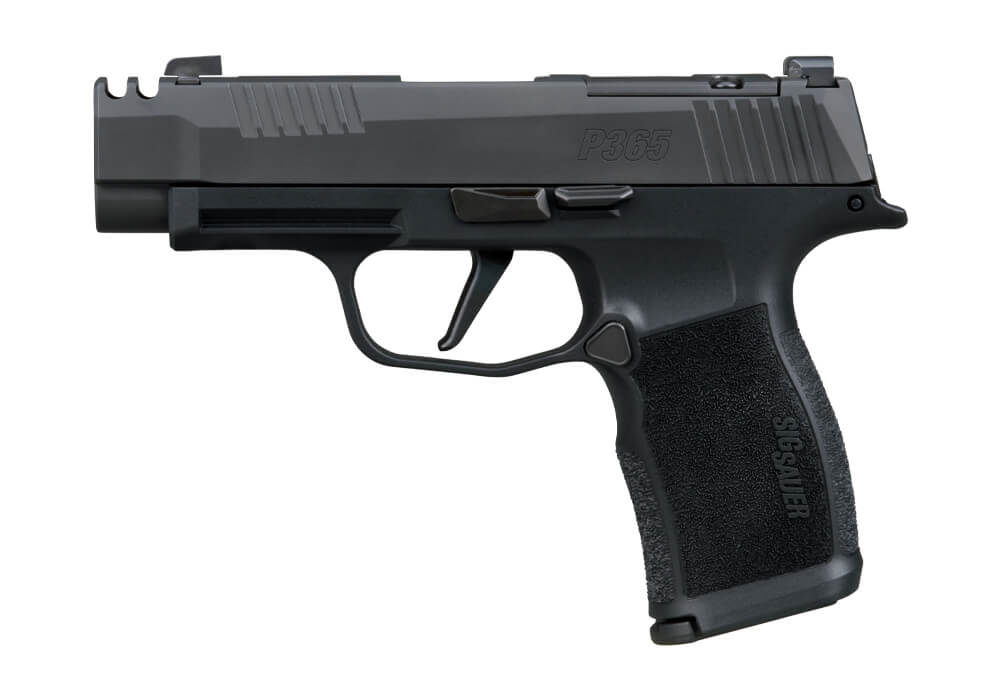
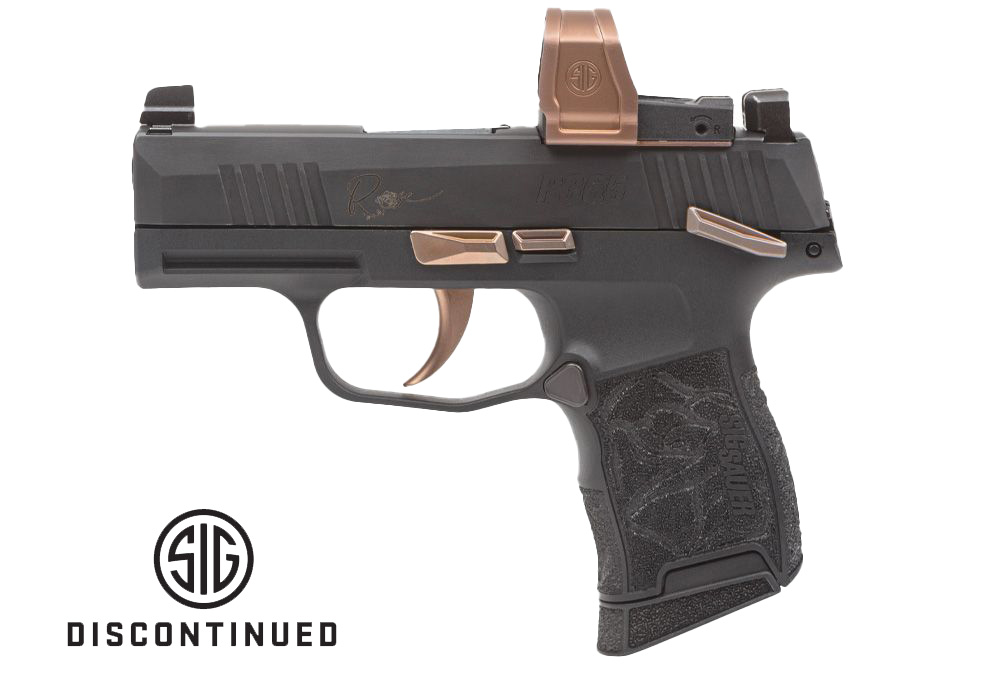
380 pistols for collectors bring together compact proportions, distinctive mechanical designs, and the kind of visual character that gives a collection depth. Many enthusiasts appreciate this class of handgun because it reflects several important stages in firearm development, from traditional all-steel construction and polished controls to lighter modern frames and refined finishes. A collector may be drawn to a slim profile, a fixed barrel, an exposed hammer, a double-action/single-action trigger system, or an open-slide layout that immediately sets one design apart from another. Others value the story suggested by a particular configuration: a compact sidearm associated with formal dress, a finely finished commercial pistol inspired by service arms, or a small .380 that captures the styling of a larger classic handgun. When viewed together in a secure display or storage area, these details create a visual timeline of engineering choices, manufacturing methods, and changing preferences in personal firearms. For many owners, the appeal is not limited to appearance. A well-selected collector pistol can offer an engaging hands-on study of balance, controls, sights, grip shape, finish, and operating systems. The weight of a steel frame in the hand, the smooth movement of a slide, and the clean lines of a compact receiver can reveal qualities that photographs cannot fully convey. Buyers seeking collector .380 pistols often begin by considering whether they prefer historical character, contemporary precision, or a combination of both. Condition, originality, documentation, factory markings, finish quality, and the presence of period-correct components can all influence interest and long-term value. A pistol that retains its original configuration may appeal to a historian, while a carefully restored example may better suit someone who wants an attractive centerpiece for a growing collection. Since inventory can vary, comparing several designs and reviewing every available detail helps shoppers identify the qualities that matter most to them.
A thoughtful purchase begins with a clear idea of how the pistol will fit into the collection. Some collectors focus on a particular era, operating system, frame material, or design family, while others select pieces that represent contrasting approaches to compact handgun engineering. A traditional steel pistol may bring substantial weight, a deep polished finish, and a strong sense of permanence. An alloy or polymer-frame design may offer a different balance, with a lighter feel and a more contemporary appearance. Grip panels, checkering, sight style, safety placement, magazine release position, and slide serrations are small features, yet they can have a significant effect on both character and handling. Buyers should also examine the condition of the bore, crown, rails, controls, and finish, along with any signs of refinishing or replacement parts. For historical or previously owned firearms, provenance can add useful context, but it is important to separate documented history from attractive speculation. A careful collector keeps receipts, manuals, inspection notes, and photographs together so the record remains clear over time. Secure storage is equally important. A quality safe or locked container protects the firearm from unauthorized access, moisture, and unnecessary handling, while a light coat of appropriate protective oil and periodic inspection can help preserve metal surfaces. Anyone purchasing a .380 pistol should confirm all federal, state, and local requirements, understand transfer procedures, and use a qualified professional for inspection when the history or condition of a firearm is uncertain. Safe handling habits remain essential for every owner: treat every firearm as loaded, keep the muzzle pointed in a safe direction, keep the trigger finger outside the guard until ready to fire, and use only compatible ammunition after confirming the markings and specifications. A new collector who wants foundational information about fit, controls, storage, and range preparation may also find helpful context in 380 Pistols For First Time Buyers, even when the ultimate goal is collecting rather than routine carry.
Collector .380 pistols can also serve as meaningful gifts for a spouse, parent, close friend, or relative who already has a strong interest in firearm history and responsible ownership. The best gift is usually selected with the recipient’s existing collection in mind rather than chosen solely for appearance. A compact classic with an unusual operating system may fill a gap in a carefully organized display, while a clean modern design may provide an approachable entry point for someone beginning to explore historical handguns. Presentation can add to the experience: a secure case, a period-inspired display stand, a reference book, or a set of archival storage materials may complement the firearm without competing with it. During the cooler months, time spent examining a collection, researching design changes, and carefully cleaning approved surfaces can be a rewarding indoor hobby, especially when each piece invites a different conversation about engineering and use. Some owners enjoy photographing details such as slide markings, grip texture, sights, and finish under soft light; others prefer range sessions that emphasize safe handling, practical accuracy, and familiarity with the controls. Any live-fire use should take place only where lawful, with suitable eye and ear protection, a safe backstop, and guidance from a qualified instructor when needed. Collectors should avoid altering historically significant examples without first considering how changes may affect originality and value. Replacement parts, refinishing, engraving, and aftermarket accessories may be appropriate for one pistol but unsuitable for another, so preservation goals deserve careful thought before work begins. Whether the collection centers on refined pocket pistols, service-inspired designs, early compact mechanisms, or modern interpretations of classic forms, the strongest additions combine visual appeal, sound condition, reliable documentation, and a clear connection to the owner’s interests. A .380 collector pistol can be a conversation piece, a study in mechanical design, a family keepsake, or a carefully chosen example of firearm history, provided it is acquired lawfully, stored securely, and handled with the respect every firearm deserves.