Air Pistols For Collectors
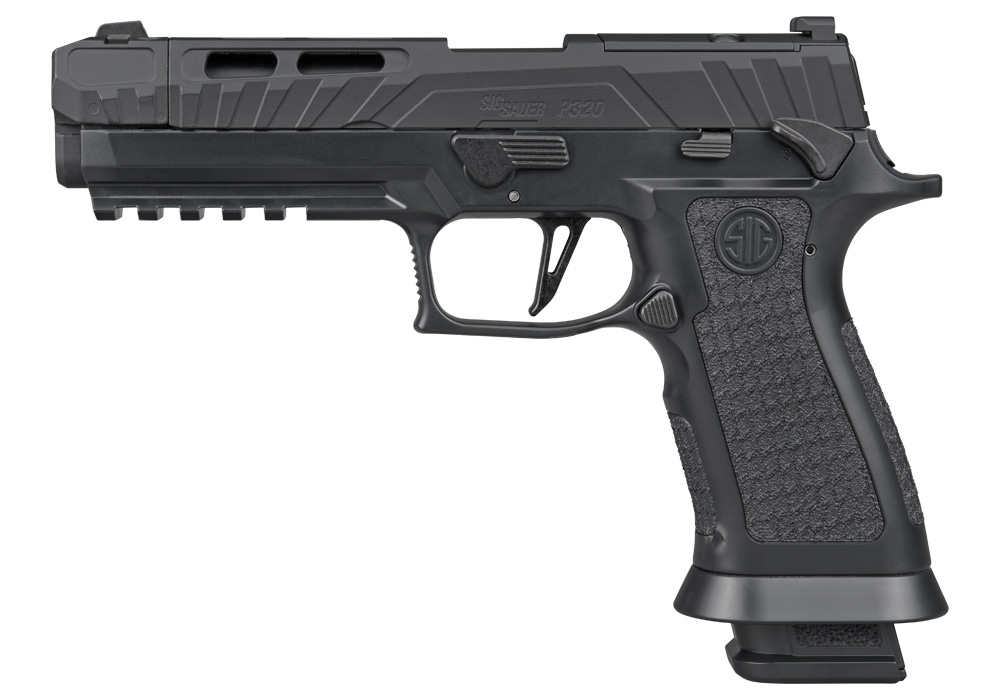
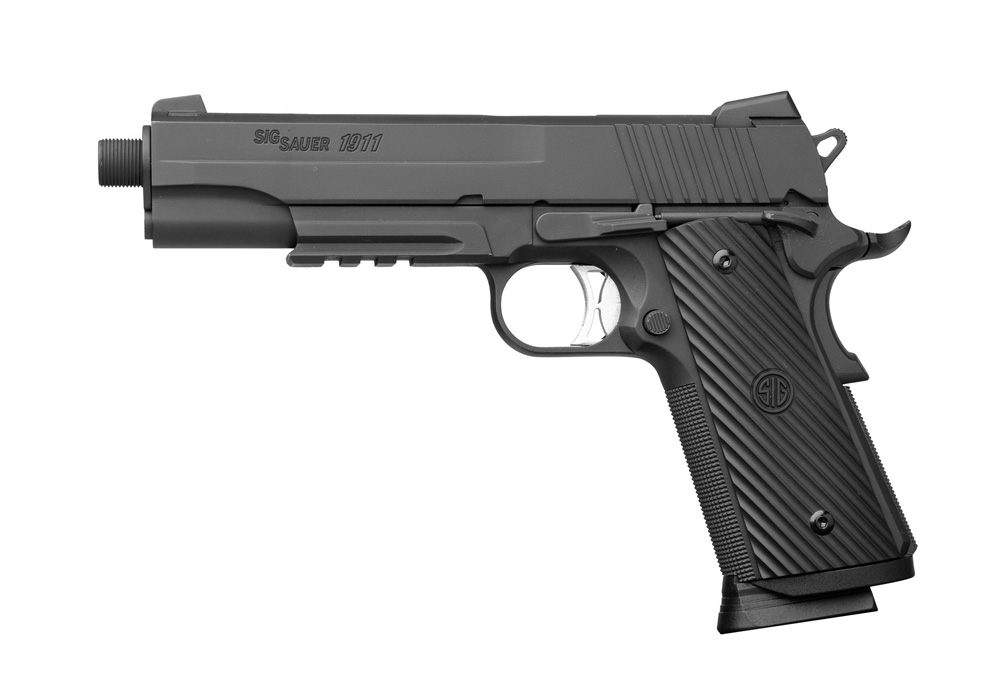
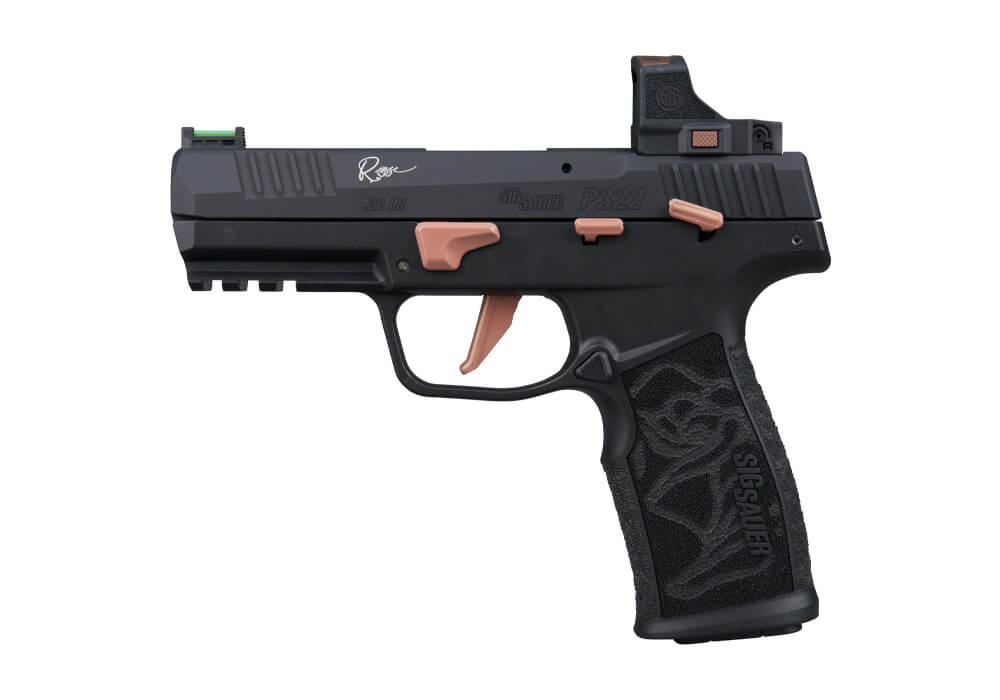
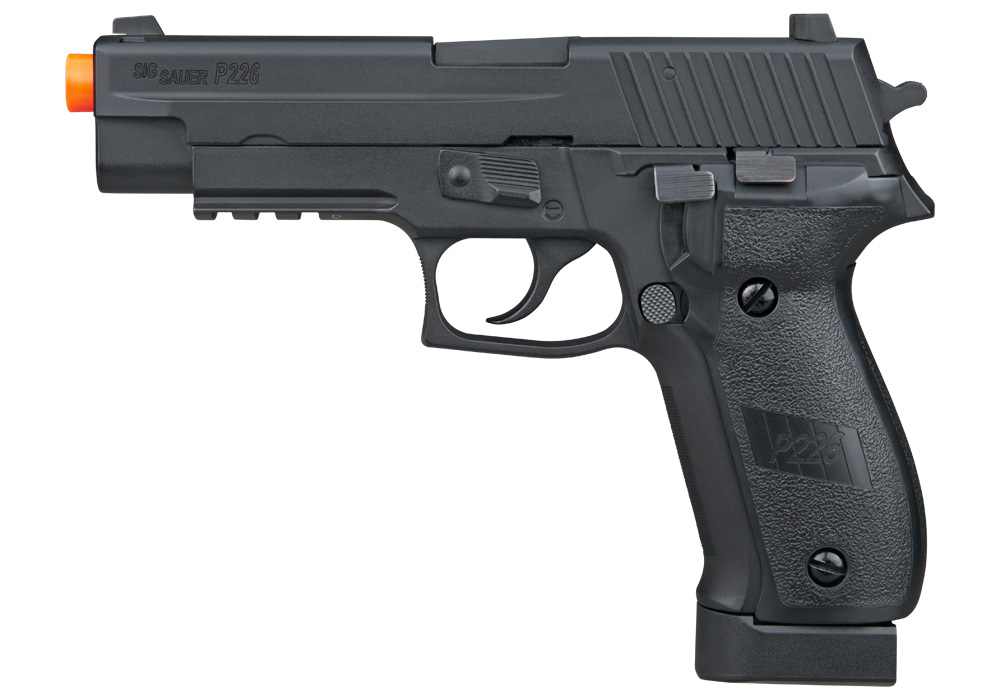
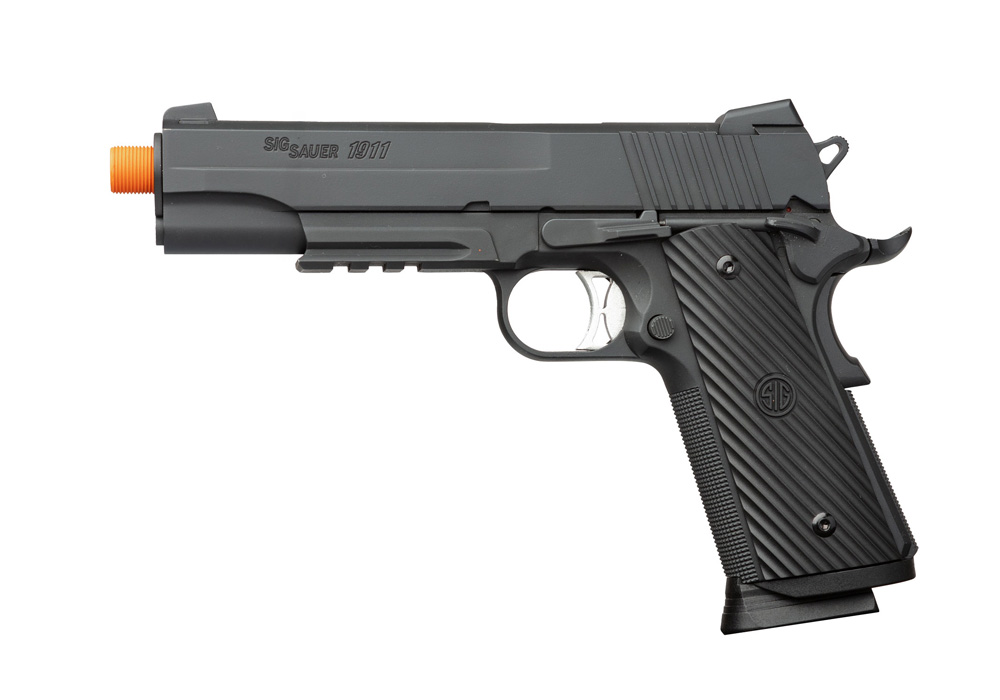
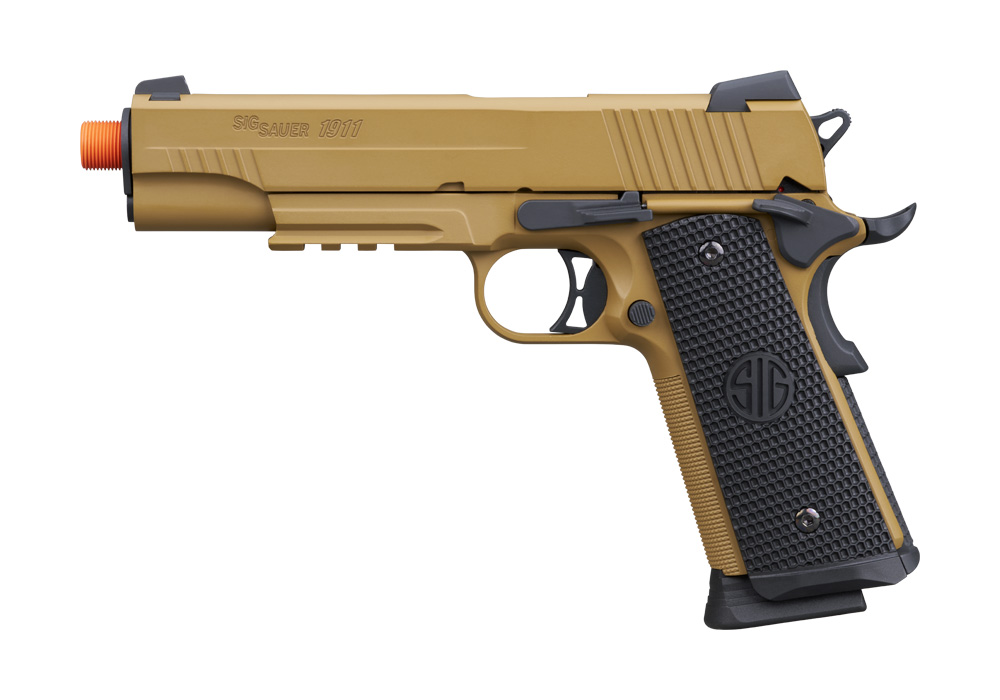
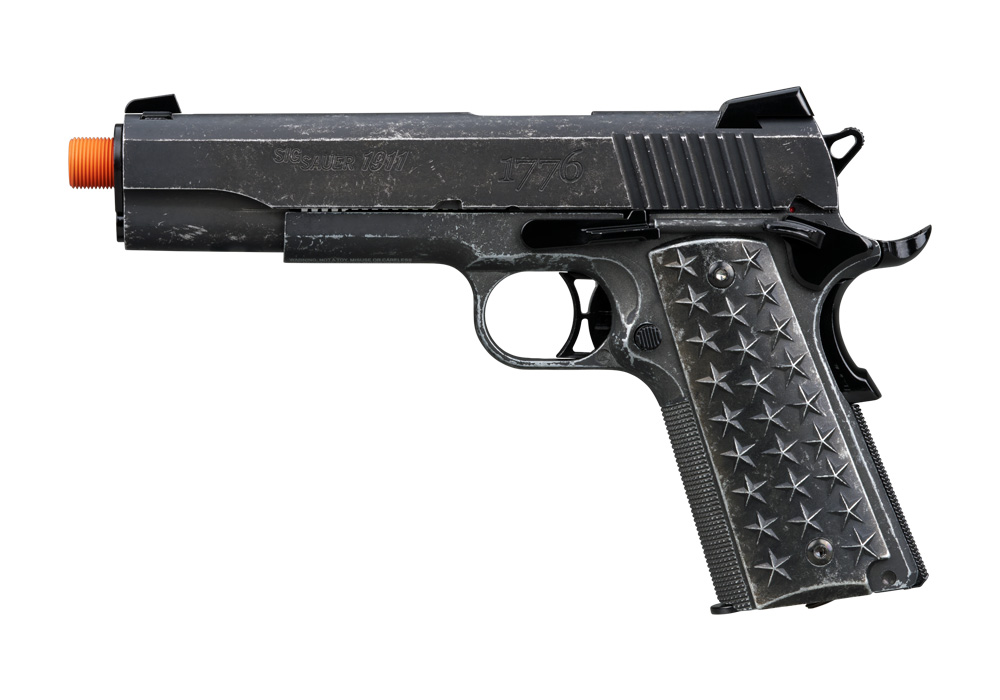
For enthusiasts and collectors, air pistols represent a unique intersection of craftsmanship, history, and hands-on enjoyment. Whether you’re drawn to the authentic handling of modern replicas or the patina and provenance of vintage models, air pistols for collectors offer both aesthetic appeal and practical value. Many collectors appreciate these pieces for their faithful attention to detail—replicas that mirror the weight, balance, and operation of iconic firearms, often crafted to exacting standards. The tactile experience of handling an air pistol that closely resembles its centerfire inspiration is unmatched, making these models a favorite among those who appreciate historical accuracy and mechanical artistry. As the weather warms and the days grow longer, the opportunity to enjoy your collection outdoors—perhaps at a backyard range or during a quiet afternoon in the workshop—adds another layer of satisfaction. Air pistols are also a thoughtful gift for the firearm enthusiast in your life, especially for those who appreciate the nostalgia of classic designs or the precision of modern engineering. Whether given to mark a special occasion or to introduce a new generation to the world of collecting, these pieces are as enjoyable to display as they are to use.
When considering the addition of an air pistol to your collection, several factors come into play that can elevate both the experience and the long-term value of your investment. Condition is paramount; collectors often seek out air pistols with original boxes, documentation, and a consistent finish, as these details can greatly enhance both authenticity and desirability. Rarity is another key element, with models featuring unique serial numbers or limited production runs commanding particular attention. Some collectors are drawn to vintage models that tell a story through their wear and history, while others prefer the pristine lines and advanced features of contemporary releases. For those who enjoy restoration, rare finds in need of a little care can become rewarding projects, offering the chance to preserve a piece of history while adding a personal touch. Many air pistols are built with robust materials and precise tolerances, making them not only collectible but also functional for recreational shooting or skill development. Collectors often find satisfaction in sharing their passion with others—displaying prized pieces, discussing their origins, or even passing them down as family heirlooms. As late spring transitions into summer, gatherings with friends or time spent at the range become ideal occasions to showcase your latest acquisitions or introduce newcomers to the hobby.
To further enhance your collection, the right accessories can make a significant difference. Display cases, maintenance tools, and proper storage solutions help preserve the integrity and appearance of each air pistol, while specialized tools and cleaning supplies ensure they remain in optimal working condition. For those looking to showcase their collection or keep it organized, exploring options like the Airgun Collector Accessories page can provide valuable resources tailored to the needs of collectors. Whether you’re a seasoned enthusiast or just beginning your journey, air pistols for collectors offer a rewarding blend of history, craftsmanship, and hands-on enjoyment that stands the test of time.