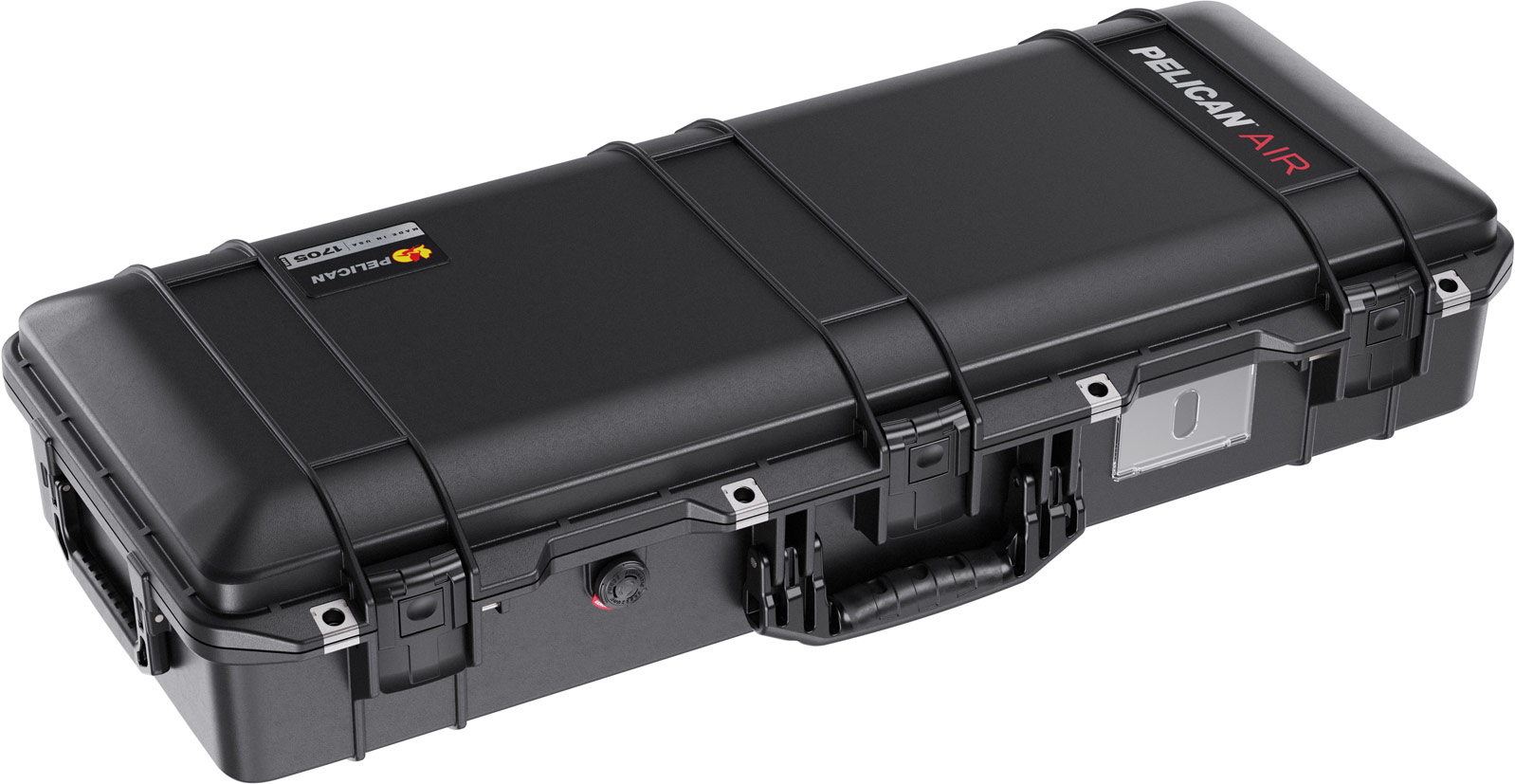
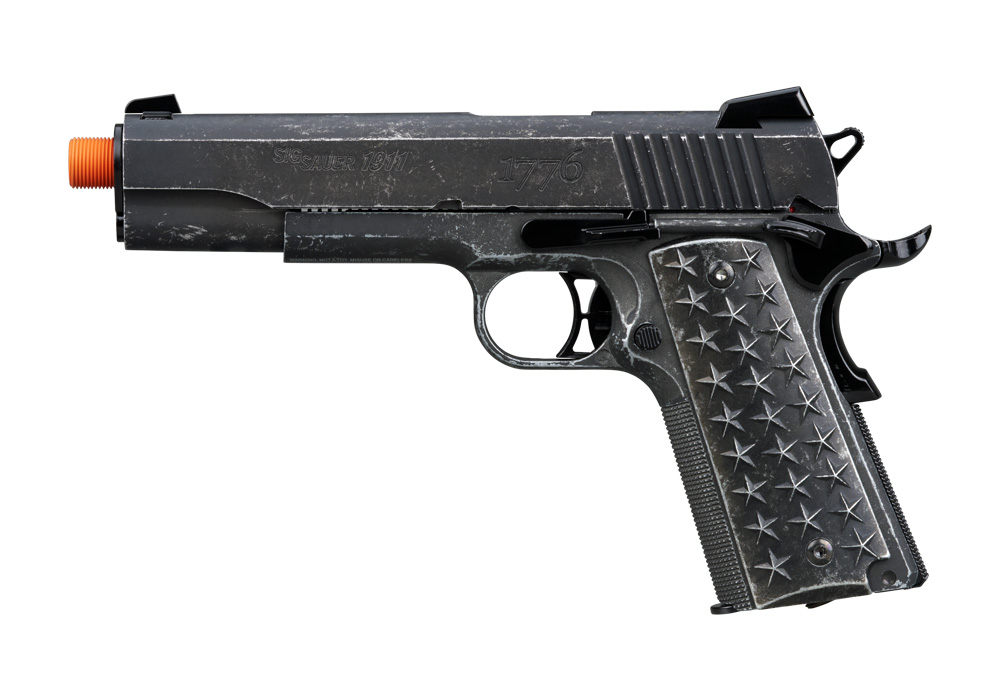
Airgun collector accessories include protective cases, display stands, storage racks, identification labels, humidity-control supplies, and maintenance tools that help preserve a collection’s appearance and condition. Each serves a different purpose: a fitted case protects an airgun between outings, a stable stand supports an individual piece for display, and a clearly labeled storage arrangement keeps matching accessories and records together. For collectors, those details matter as much as the overall presentation. A finish can pick up fine scratches from repeated contact with an unsuitable surface, while a poorly fitted compartment can let an airgun shift against nearby accessories. Protective storage works best when the interior accommodates the airgun’s full dimensions, including attached sights, without pressing against delicate components or placing weight on controls. Hard-shell cases generally offer a rigid outer barrier, while padded soft cases provide a lighter option for carrying and storage. Neither style should be judged by its exterior alone. Latches, hinges, zipper construction, handle attachment, and interior padding all contribute to everyday durability. Foam inserts can help separate an airgun from other contents, but their material and fit should suit the finish and storage duration. A case that feels secure during a short trip may not be the best environment for a collection kept enclosed for long periods, particularly if moisture becomes trapped inside. Clean, dry contact surfaces and periodic inspection help protect metal, wood, and polymer components without obscuring their condition. For an airgun with a distinctive grip shape or an extended barrel, interior length is only part of the fit equation; depth and clearance around protruding features matter, too. Collectors who rotate pieces between a cabinet, a workbench, and a carrying case often benefit from storage accessories that keep each airgun supported consistently throughout that routine. Separate compartments for documentation and small accessories also make it easier to keep a collection organized without allowing loose contents to rub against finished surfaces.
Display accessories give a collection structure while keeping individual airguns easy to identify and inspect. Desk stands, cabinet supports, and wall racks vary in their materials, mounting arrangements, and points of contact, so suitability depends on more than appearance. Wood can complement a traditional cabinet, acrylic can offer a visually unobtrusive support, and metal can provide a rigid framework, but the surfaces touching the airgun deserve particular attention. Smooth edges, compatible padding, and a stable base help protect finishes and prevent unwanted movement. A support should cradle an appropriate part of the airgun rather than put pressure on a sight, trigger, or other vulnerable component. Wall-mounted arrangements also need hardware appropriate for the supporting surface and the combined weight they will hold. Within a cabinet, adequate spacing leaves room to lift a piece without brushing its neighbor, and a clean shelf makes dust or residue easier to notice. Identification cards and specification labels add useful context without requiring anything to be attached directly to the airgun. A collector might record the model designation, acquisition date, documented history, or matching paperwork, keeping unverified details separate from confirmed information. Labels can be especially helpful when similar-looking airguns have different operating systems or maintenance requirements. Humidity-control accessories support preservation by helping collectors monitor and manage moisture in enclosed storage. Desiccant packs require attention to their stated service life or reactivation instructions, and a humidity indicator offers more useful information than an assumption that a closed cabinet is dry. These accessories do not replace regular inspection, careful handling, or secure storage. Displayed airguns should be unloaded, protected from unauthorized access, and positioned according to applicable safety requirements. Manufacturer instructions govern how stored pressure and removable power sources should be handled. A display stand is a presentation accessory, not a substitute for a locking enclosure where access needs to be restricted. The strongest display arrangements balance visibility with support, finish protection, and responsible control of the collection.
Cleaning and maintenance accessories round out airgun collection care by supporting tasks that are easy to overlook when a piece spends most of its time on display. Microfiber cloths, soft brushes, suitable patches, and compatible cleaning tools can help address fingerprints, dust, and residue without unnecessarily disturbing the finish. Tool selection should match the airgun’s construction and the manufacturer’s maintenance recommendations; an accessory intended for another type of equipment is not automatically suitable for an airgun. Cleaning rods and attachments need the correct dimensions, and care around the muzzle and bore helps avoid damage from poorly aligned tools. Lubricants require the same attention to compatibility. Seals, valves, compression systems, and external moving parts can have different requirements, so a product described broadly as an oil should never be assumed appropriate everywhere. Excess lubricant can attract debris, and unsuitable substances can harm seals or interfere with operation. For a collector bringing a stored airgun to a supervised range session, a tidy maintenance area makes inspection more practical: a protective bench surface keeps the finish away from abrasive grit, a small tray contains removable components, and a separate cloth keeps cleaning residue away from display supports. Records of maintenance and condition can be useful alongside photographs, especially when a collection includes pieces used at different intervals. Collectors who also enjoy regular recreational shooting may find related categories on Airgun Accessories For Hobbyists, where the focus extends beyond presentation to everyday participation in the hobby. As gifts, collector accessories are most useful when they reflect how the recipient stores, displays, or maintains a collection. A case requires accurate measurements, a stand needs an appropriate support arrangement, and maintenance supplies should match known care requirements. For someone documenting a growing collection, labeling and protective storage accessories can support the satisfaction of keeping each piece and its history together. Thoughtful selection favors dependable construction, compatible materials, and a clear purpose, helping an airgun remain well supported whether it is being admired, inspected, transported, or prepared for its next use.